
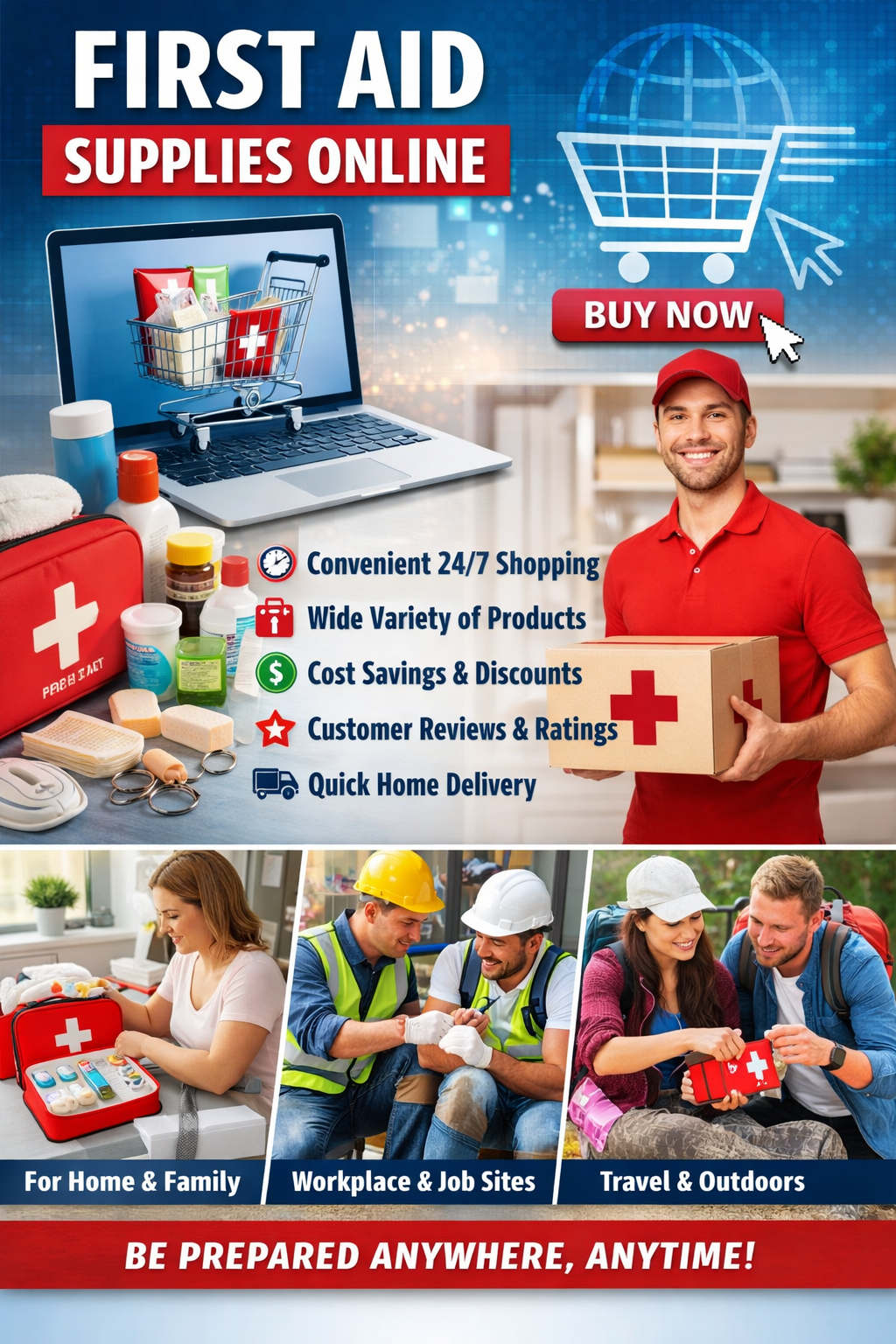
Introduction: Why Buying First Aid Supplies Online Makes Sense
In today’s fast-paced world, being prepared for emergencies is more important than ever. First aid supplies are not just essentials for hospitals—they are a crucial part of every home, office, school, and travel kit. Accidents can happen anytime, from minor cuts and burns to more serious injuries, and having the right supplies on hand can save lives and prevent complications.
With the rise of e-commerce, buying first aid supplies online has become increasingly popular. Online stores offer a wide variety of products, from basic bandages and antiseptics to advanced trauma kits and specialized first aid tools. Compared to local pharmacies or physical stores, online shopping provides convenience, competitive pricing, and access to hard-to-find items. You can compare multiple brands, read reviews from verified buyers, and choose the most reliable products without leaving your home.
Everyone can benefit from having a well-stocked first aid kit. Families can handle minor injuries and emergencies at home, offices can comply with safety regulations and protect employees, and travelers can carry portable kits to deal with unexpected accidents on the road or during outdoor adventures. This guide is designed to help you understand what first aid supplies are essential, how to choose the right products online, and how to maintain your kits for maximum safety and reliability.
What Are First Aid Supplies? Understanding Their Importance
First aid supplies are essential tools and materials used to provide immediate medical care in case of injuries or sudden illness. They are designed to stabilize a person’s condition, prevent further harm, and, in some cases, save lives before professional medical help is available. First aid supplies can range from basic items like bandages and antiseptics to advanced equipment like splints, CPR masks, and burn treatments.
Definition of First Aid Supplies
First aid supplies are medical tools, medications, and protective items that help treat injuries or illnesses temporarily. They are included in first aid kits, which are compact collections of these items organized for quick access. Examples include:
- Bandages and gauze pads for cuts and scrapes
- Antiseptic solutions and ointments to prevent infections
- Gloves and face masks to maintain hygiene and reduce contamination
- Scissors, tweezers, and safety pins for wound management or splint application
Why First Aid Supplies Are Important in Emergencies
Emergencies can happen anytime and anywhere, and immediate response is critical. Having access to the right first aid supplies online ensures that you can:
- Provide Immediate Care: Quick treatment reduces pain, bleeding, or injury severity.
- Prevent Infections: Proper antiseptics, bandages, and gloves reduce the risk of infection.
- Support Life-Saving Measures: CPR masks, burn treatments, and other specialized items can save lives before professional help arrives.
- Reduce Anxiety and Stress: Knowing that you have a well-stocked first aid kit provides peace of mind in emergencies.
Case Study: According to the American Red Cross, immediate first aid can reduce the risk of fatality in traumatic injuries by up to 25%. This highlights the importance of keeping first aid supplies accessible both at home and on the go.
Types of First Aid Supplies You Can Buy Online
When shopping for first aid supplies online, it’s important to understand the different types of items available so you can choose a kit or individual products that meet your needs. From basic household essentials to advanced medical tools, online stores offer a wide range of first aid supplies designed for home, office, travel, and outdoor activities.
1. Basic First Aid Supplies
These are the most common items that should be present in any first aid kit, whether for home or travel. They cover minor injuries and everyday emergencies:
- Bandages and Adhesive Strips: For cuts, scrapes, and small wounds
- Gauze Pads and Roll: To control bleeding and protect wounds
- Antiseptic Solutions & Wipes: For cleaning wounds and preventing infections
- Medical Tape: To secure dressings or bandages
- Gloves (Disposable or Nitrile): To maintain hygiene and prevent contamination
- Scissors and Tweezers: For cutting bandages or removing splinters
- Safety Pins: To secure bandages or splints
Tip: Buying these items individually online allows you to customize your first aid kit according to your needs.
2. Advanced First Aid Supplies
For more serious emergencies, advanced first aid supplies can be crucial. These are often included in professional-grade or workplace first aid kits:
- CPR Masks or Face Shields: To safely perform CPR
- Burn Dressings and Gels: To treat burns quickly and prevent infection
- Splints and Braces: For immobilizing broken bones or sprains
- Emergency Blankets: To prevent hypothermia or shock
- Eye Wash Solutions: For chemical or debris-related eye injuries
These supplies are especially useful for high-risk environments, such as construction sites, sports events, or outdoor adventures.
3. Medications Included in First Aid Kits
Many online first aid kits also include over-the-counter medications for immediate relief:
- Pain Relievers (Paracetamol, Ibuprofen): For headaches, minor pain, or fever
- Antihistamines: For allergic reactions
- Oral Rehydration Salts (ORS): To prevent dehydration
- Topical Ointments (Antibiotic or Anti-inflammatory): For wounds, burns, or rashes
Fact: According to CDC guidelines, having a small supply of basic medications in your first aid kit can help manage minor health issues without needing to visit a doctor immediately.
4. Specialized First Aid Supplies
Depending on your lifestyle, you may need specialized items available online:
- Travel First Aid Kits: Compact, lightweight, TSA-approved for flights
- Vehicle Emergency Kits: Roadside accidents essentials, including reflective vests and mini tools
- Sports and Outdoor Kits: Designed for hiking, camping, and athletic injuries
- Child-Friendly Kits: Kits with pediatric-specific items and small doses of medications
By buying first aid supplies online, you can easily find specialized kits that suit your specific environment and risks.
Table of First Aid Supplies
| Type | Examples | Best For |
|---|---|---|
| Basic | Bandages, Gauze, Antiseptic, Gloves | Home, Office, Travel |
| Advanced | CPR Masks, Splints, Burn Dressings, Emergency Blankets | Workplace, Outdoor Activities |
| Medications | Painkillers, Antihistamines, ORS, Topical Ointments | All settings |
| Specialized | Travel kits, Vehicle kits, Child kits, Sports kits | Travel, Outdoor, Children |
Different Types of First Aid Kits Available Online
When shopping for first aid supplies online, you’ll find a variety of pre-packaged kits designed for specific settings and purposes. Choosing the right kit ensures you are prepared for emergencies at home, work, while traveling, or during outdoor activities.
1. Home First Aid Kits
A home first aid kit is a must-have for every household. It contains basic supplies to treat minor injuries and manage sudden illnesses until professional help is available.
Common items included:
- Bandages, gauze, and antiseptic wipes
- Scissors, tweezers, and medical tape
- Pain relievers and antihistamines
- Thermometers and cold packs
Tips for home kits:
- Keep the kit in an easily accessible location
- Ensure items are child-safe or stored out of reach of children
- Check expiration dates on medications regularly
Fact: According to the Red Cross, over 60% of households are unprepared for minor emergencies—making a well-stocked home first aid kit essential.
2. Office and Workplace First Aid Kits
Workplace safety is a legal requirement in many countries. OSHA-compliant office first aid kits ensure that employees are prepared for injuries like cuts, burns, or sprains.
Common items included:
- Sterile dressings and bandages
- Burn treatments and antiseptics
- CPR masks
- Gloves and hygiene supplies
Tips for workplace kits:
- Place kits in visible and accessible locations
- Ensure kits meet local safety regulations
- Update supplies regularly based on office size and risk factors
3. Travel First Aid Kits
For travelers, a compact and portable first aid kit is essential. These kits are designed for lightweight convenience and are ideal for flights, road trips, or backpacking.
Common items included:
- Miniature bandages and gauze
- Travel-size antiseptics and medications
- Adhesive tapes and small scissors
- Emergency blankets
Tips for travel kits:
- Make sure the kit is TSA-approved for air travel
- Include any personal medications
- Consider multi-purpose items like combined antiseptic and pain relief products
4. Vehicle and Car First Aid Kits
Car accidents can happen unexpectedly, so every vehicle should have an emergency first aid kit. These kits are designed to treat injuries until emergency services arrive.
Common items included:
- Bandages, dressings, and antiseptics
- Trauma shears and gloves
- Emergency blankets and reflective vests
- Flashlight and whistle
Tips for vehicle kits:
- Keep the kit in a visible and accessible location in the car
- Check supplies regularly and replace expired items
- Include vehicle-specific items like a roadside safety triangle
5. Sports and Outdoor First Aid Kits
Outdoor enthusiasts and athletes benefit from specialized first aid kits designed for sprains, fractures, or injuries sustained during sports or adventures.
Common items included:
- Elastic bandages for sprains
- Ice packs or instant cold packs
- Blister treatments and antiseptic wipes
- Tweezers, scissors, and gloves
Tips for sports kits:
- Choose a lightweight and waterproof bag
- Include high-risk injury supplies based on your activity
- Regularly replenish used items
Table of First Aid Kits
| Kit Type | Typical Items | Best For |
|---|---|---|
| Home | Bandages, Medications, Thermometers | Families, Individuals |
| Office | Sterile Dressings, CPR Masks, Gloves | Workplaces, Schools |
| Travel | Travel-size Medications, Mini Bandages | Backpacking, Flights |
| Vehicle | Trauma Shears, Blankets, Flashlights | Cars, Road Trips |
| Sports/Outdoor | Elastic Bandages, Ice Packs, Blister Care | Hikers, Athletes, Campers |
Fact: A properly stocked first aid kit tailored to your environment can reduce emergency response time by up to 50%, according to safety experts.
How to Choose the Right First Aid Supplies Online
Buying first aid supplies online is convenient, but it can also be overwhelming because of the wide variety of products available. Choosing the right supplies requires understanding your specific needs, quality standards, and usability. Below is a step-by-step guide to help you make informed decisions.
1. Assess Your Needs Before Buying
Before purchasing, consider where and how the first aid supplies will be used:
- Home: Focus on basic first aid items like bandages, antiseptics, and over-the-counter medications. Include items for children or elderly family members if needed.
- Office/Workplace: OSHA-compliant kits with sterile dressings, CPR masks, burn treatments, and gloves are essential. Consider the number of employees and the type of work environment.
- Travel: Lightweight, portable, and compact kits with travel-sized medications, adhesive bandages, and antiseptics.
- Outdoor Activities: Kits should include elastic bandages, cold packs, blister treatments, and waterproof packaging.
Tip: Write a quick checklist of potential injuries or emergencies you want to cover—it will guide your purchases.
2. Check Quality and Certifications
Quality is crucial, especially for medical supplies. Look for products that are certified and meet safety standards:
- FDA or CE certification for medical devices
- ISO standards for quality assurance
- Verified reviews from previous customers
Fact: Using low-quality or uncertified first aid supplies can lead to ineffective treatment or increased risk of infection.
3. Understand Expiry Dates and Shelf Life
Many first aid items, particularly medications and sterile products, have expiration dates.
- Always check the expiry date before purchase
- Buy from sellers who provide clear labeling of shelf life
- Store items according to instructions (cool, dry place) to maximize longevity
Tip: Online stores often provide bulk packs or subscription options to replace expired items automatically.
4. Read Customer Reviews and Ratings
Customer feedback can reveal important information about product effectiveness, quality, and usability:
- Look for reviews that mention real-life emergency usage
- Pay attention to ratings on durability, packaging, and completeness
- Avoid products with consistent complaints about missing or low-quality items
Pro Tip: Verified buyers’ reviews on major e-commerce platforms often include photos and detailed experiences, which can help assess the product better than descriptions alone.
5. Compare Complete Kits vs. Individual Supplies
Depending on your needs, you can either purchase:
- Pre-packaged Kits: Convenient, organized, and ready to use. Ideal for general emergencies and beginners.
- Individual Supplies: Allow customization. Best for people who want to add specialty items or replace missing products in existing kits.
Tip: Many online stores let you build your own kit by selecting items individually and checking for essentials automatically.
6. Consider Accessibility and Ease of Use
A first aid kit is only effective if it’s easy to access and use during emergencies:
- Look for clear labeling of items
- Organize items by category in compartments or pouches
- Choose lightweight and portable kits if you need mobility
Fact: A study by the American Heart Association shows that easy access and clear labeling reduce emergency response times by up to 30%.
What to Look for When Buying First Aid Supplies Online
Shopping for first aid supplies online requires careful attention to product quality, completeness, and usability. While online stores provide convenience and variety, buyers must be vigilant to ensure they receive reliable and effective supplies.
1. Complete vs. Custom First Aid Kits
When purchasing first aid kits online, consider whether you need a pre-packaged kit or a customized kit:
- Complete Kits:
- Include a wide range of essential items
- Ready to use immediately
- Ideal for beginners, households, and workplaces
- Custom Kits:
- Allow you to select specific items based on personal needs
- Useful for specialized purposes such as travel, sports, or vehicles
- Lets you replace expired items or upgrade supplies
Tip: Pre-packed kits are convenient, but customizing your kit ensures it fits your lifestyle and specific emergency scenarios.
2. Material Quality and Packaging
The quality of materials in first aid supplies is critical for effective treatment:
- Sterile Packaging: Ensures wound care items like bandages, gauze, and swabs remain clean and safe
- Durable Materials: Strong scissors, tweezers, and storage cases prevent breakage during emergencies
- Waterproof or Dustproof Cases: Ideal for outdoor, travel, or sports kits
Fact: Studies show that poorly packaged or low-quality supplies increase the risk of contamination or infection, reducing their effectiveness.
3. Ease of Use and Accessibility
During an emergency, every second counts. Choose first aid supplies online that are easy to use:
- Clearly Labeled Items: Quick identification of bandages, antiseptics, and medications
- Organized Compartments: Pouches, trays, or boxes that separate items for faster access
- Portable and Lightweight Kits: Especially important for travelers or outdoor enthusiasts
Pro Tip: Some online kits come with instruction manuals or quick-reference guides, which are extremely helpful for beginners or first-time users.
4. Check for Expiry and Shelf Life
Many first aid items, especially medications and antiseptics, have expiration dates. Before purchasing online:
- Confirm that the products are not expired
- Verify the shelf life for each item
- Plan to restock or replace items regularly to maintain an effective kit
5. Trusted Brands and Verified Sellers
When buying first aid supplies online, always choose reputable brands and verified online sellers:
- Check for certifications like FDA, CE, or ISO
- Look for user reviews and ratings
- Avoid unknown brands with limited information or suspiciously low prices
Fact: According to the World Health Organization, counterfeit or low-quality first aid supplies can be ineffective or even harmful during emergencies.
Key Factors When Buying First Aid Supplies Online
| Factor | What to Look For | Why It Matters |
|---|---|---|
| Kit Type | Complete vs Custom | Ensures readiness and customization |
| Material Quality | Sterile, durable, waterproof | Prevents contamination and damage |
| Usability | Organized, labeled, portable | Speeds up emergency response |
| Expiry & Shelf Life | Valid expiration dates | Maintains effectiveness of supplies |
| Brand & Seller | Verified brands, certifications | Ensures safety and reliability |
By paying attention to these factors, you can confidently purchase first aid supplies online that are safe, reliable, and ready to handle emergencies in any setting.
Benefits of Buying First Aid Supplies Online
Purchasing first aid supplies online has become increasingly popular due to its convenience, variety, and cost-effectiveness. Whether you are stocking a home, office, vehicle, or travel kit, online shopping offers several clear benefits over traditional in-store purchases.
1. Convenience and Time Saving
One of the biggest advantages of buying first aid supplies online is convenience:
- Purchase 24/7 from the comfort of your home or office
- Avoid trips to multiple stores to find specific items
- Get doorstep delivery, saving time and effort
Example: If you need a specialized burn dressing or CPR mask urgently, you can quickly compare products online and order within minutes rather than searching through local pharmacies.
2. Wider Variety Compared to Local Stores
Online retailers often offer a larger range of products than physical stores, including:
- Specialized first aid kits for travel, sports, and vehicles
- Professional-grade medical supplies for workplaces
- Child-friendly or pediatric first aid kits
- Individual items to customize your kit
Fact: Many products available online may not be stocked in local stores, making online shopping the best option for specialized or rare items.
3. Cost-Effectiveness and Discounts
Buying first aid supplies online can be more affordable:
- Compare prices across multiple sellers instantly
- Take advantage of bulk buying discounts
- Access subscription options to replace expired items automatically
Example: A family looking to stock a home first aid kit could purchase a complete kit online for 20–30% less than buying individual items separately in a store.
4. Access to Reviews and Ratings
Online shopping allows you to read customer reviews and ratings, which provides insight into:
- Product quality and effectiveness
- Durability and usability in real-life situations
- Accuracy of product descriptions and contents
This helps you make informed choices and avoid low-quality or incomplete first aid kits.
5. Easy Comparison and Research
Online platforms allow side-by-side comparison of brands, kits, and prices, helping you find:
- The most comprehensive first aid kit for your needs
- Products that meet quality standards and certifications
- Supplies that fit your budget and lifestyle
Pro Tip: Look for online stores that provide detailed descriptions, images, and instructional guides to better understand the products before buying.
Summary of Benefits
| Benefit | Description |
|---|---|
| Convenience | 24/7 shopping, doorstep delivery |
| Variety | Wide range of specialized and standard supplies |
| Cost Savings | Discounts, bulk buying, subscriptions |
| Customer Reviews | Insight into product quality and usability |
| Easy Comparison | Quick selection of the best kits and supplies |
Common Mistakes to Avoid When Purchasing First Aid Supplies Online
Buying first aid supplies online is convenient, but there are several mistakes that buyers often make which can compromise the effectiveness of their kits. Being aware of these pitfalls can help you choose the right products and ensure your kits are truly emergency-ready.
1. Buying Without Checking Contents
Many pre-packaged first aid kits differ significantly in quantity and types of items included:
- Some kits may lack essential items like antiseptics, gloves, or adhesive bandages.
- Others may include unnecessary items that don’t match your specific needs.
Tip: Always review the full list of contents before purchasing online to make sure it covers all likely scenarios for your environment (home, office, travel, or outdoor).
2. Ignoring Expiration Dates
A major mistake is purchasing first aid supplies that are already near expiration:
- Medications, antiseptics, and sterile dressings lose effectiveness over time.
- Using expired supplies during emergencies can worsen infections or fail to treat injuries properly.
Pro Tip: Look for products with a minimum of 12 months shelf life remaining when buying online.
3. Choosing the Cheapest Option Over Quality
While cost is important, buying the cheapest first aid kit or supplies can be risky:
- Low-cost kits may include low-quality or counterfeit items.
- Poorly packaged supplies can become contaminated before use.
Fact: According to WHO studies, counterfeit or substandard medical supplies can increase health risks by up to 30% in emergencies.
4. Not Updating Supplies Regularly
First aid kits aren’t “set it and forget it” products. Many online buyers make the mistake of stocking a kit once and never checking it again:
- Bandages and dressings can degrade over time
- Medications can expire
- Some items may be missing after use
Tip: Maintain a regular inspection schedule, ideally every 6–12 months, to replace expired or missing items.
5. Overlooking Reviews and Seller Reputation
Some buyers purchase from unknown online stores without checking reviews or credentials:
- Low-quality kits may arrive incomplete or damaged
- Counterfeit items can look authentic but be ineffective
Tip: Always buy from verified sellers and trusted brands, and check customer reviews, ratings, and certifications.
Quick Checklist: Mistakes to Avoid
| Mistake | How to Avoid |
|---|---|
| Buying without checking contents | Review the full list of items included |
| Ignoring expiration dates | Ensure at least 12 months shelf life |
| Choosing the cheapest option | Prioritize quality and certifications |
| Not updating supplies | Inspect kits every 6–12 months |
| Overlooking reviews | Buy from verified sellers with strong ratings |
By avoiding these common mistakes, you can ensure that your first aid supplies online are effective, safe, and ready for any emergency.
How Often Should You Replace First Aid Supplies?
Maintaining a first aid kit is just as important as assembling one. First aid supplies online may be convenient to purchase, but if they are not regularly checked and replaced, their effectiveness during emergencies can be compromised.
1. Items That Need Regular Replacement
Certain items in your first aid kit have limited shelf life or are single-use, so they should be replaced periodically:
- Medications: Pain relievers, antihistamines, and topical ointments expire and lose potency over time.
- Sterile Dressings and Bandages: Can become contaminated or lose adhesive strength.
- Adhesive Products: Tape, band-aids, and wraps may dry out or lose stickiness.
- Antiseptics and Solutions: Alcohol wipes, iodine solutions, and hydrogen peroxide degrade over time.
- Gloves and Masks: Prolonged storage can make materials brittle or less protective.
Tip: When purchasing first aid supplies online, consider subscription services or bulk packages to easily replace items before they expire.
2. Creating a First Aid Kit Maintenance Checklist
Regular maintenance ensures your kit is always ready for use:
- Monthly Checks:
- Ensure no items are missing
- Inspect bandages and dressings for damage or contamination
- Every 6–12 Months:
- Replace expired medications and antiseptics
- Reassess needs based on lifestyle or family changes (new baby, elderly member, etc.)
- After Use:
- Immediately restock any used items to maintain kit completeness
3. Storage Tips to Extend Shelf Life
Proper storage helps maximize the longevity of first aid supplies:
- Keep kits in a cool, dry place away from direct sunlight
- Use airtight or waterproof containers for moisture-sensitive items
- Store in easily accessible locations for quick use during emergencies
- For travel or outdoor kits, ensure compact and durable packaging
4. Recommended Replacement Frequency
| Item Type | Replacement Frequency |
|---|---|
| Medications | Every 12 months or as per expiration date |
| Bandages & Dressings | Every 6–12 months or after use |
| Antiseptic Wipes & Solutions | Every 12 months |
| Gloves & Masks | Every 6–12 months or after use |
| Burn Dressings & Specialized Items | As per manufacturer guidelines |
First Aid Supplies Online for Businesses and Institutions
Businesses and institutions have unique responsibilities when it comes to emergency preparedness. Purchasing first aid supplies online allows organizations to equip themselves efficiently while complying with safety regulations.
1. First Aid Supplies for Schools and Colleges
Schools and colleges must prioritize student safety. A well-stocked first aid kit ensures staff can respond quickly to minor injuries or sudden illnesses:
Essential items for educational institutions:
- Child-safe adhesive bandages and dressings
- Antiseptics and wipes
- Thermometers and pain relief medications suitable for children
- Gloves, masks, and hygiene items
- Emergency instruction guides for staff
Tip: Place kits in classrooms, playgrounds, and nurse offices to ensure quick access.
Fact: According to the CDC, injuries are the leading cause of death among children aged 1–14, highlighting the importance of proper first aid preparedness in schools.
2. First Aid Supplies for Construction Sites and Factories
High-risk workplaces like construction sites and factories require specialized first aid kits to handle traumatic injuries, burns, and fractures:
Recommended items for industrial environments:
- Trauma shears and splints
- Burn dressings and burn gels
- Large bandages and gauze rolls
- CPR masks and gloves
- Emergency blankets and eye wash solutions
Tip: Kits should comply with OSHA or local workplace safety regulations, and the number of kits should correspond to the size of the workforce.
3. First Aid Supplies for Healthcare Facilities
Clinics, nursing homes, and small hospitals require professional-grade first aid supplies for immediate patient care:
Key items for healthcare settings:
- Sterile wound dressings and bandages
- Antiseptics and disinfectants
- Advanced burn care supplies
- CPR equipment and airway management tools
- Gloves, masks, and PPE for staff protection
Healthcare facilities should maintain a regular inventory check and ensure kits are replenished promptly after use.
Benefits of Buying First Aid Supplies Online for Institutions
- Bulk Purchasing: Easily buy multiple kits and supplies for large teams or campuses.
- Variety and Customization: Choose kits tailored for high-risk environments or specialized needs.
- Convenient Delivery: Saves time and logistics effort compared to sourcing from multiple suppliers.
- Regulatory Compliance: Many online stores provide OSHA-approved or certified products suitable for institutions.
Are Online First Aid Supplies Safe and Reliable?
While purchasing first aid supplies online is convenient, some buyers worry about product safety, authenticity, and reliability. Knowing how to identify reputable sellers and avoid low-quality or counterfeit products is crucial for ensuring that your first aid kits function effectively during emergencies.
1. How to Identify Trusted Online Medical Stores
When shopping online for first aid supplies, consider the following:
- Licensing and Certifications: Reputable sellers should have proper medical supply licenses and provide certified products (FDA, CE, ISO).
- Detailed Product Information: Trustworthy stores provide comprehensive descriptions, images, and specifications.
- Secure Payment Systems: Look for HTTPS websites and trusted payment options to avoid scams.
- Customer Service Support: Reliable sellers offer easy returns, queries, and guidance on product use.
Tip: Stick to well-known e-commerce platforms or specialized medical supply websites to reduce the risk of buying counterfeit or substandard items.
2. Avoiding Fake or Low-Quality Medical Products
Counterfeit or low-quality first aid supplies can be ineffective or even harmful:
- Check for brand authenticity and verify trademarks
- Avoid deals that seem too cheap to be true
- Read multiple customer reviews, especially those mentioning real-life usage
- Look for product certifications and expiration dates
Fact: According to the World Health Organization, counterfeit medical supplies are a growing concern and can result in treatment failures, infections, or worsening injuries.
3. Tips for Safe Online Purchases
- Buy from Verified Sellers: Use online stores with verified ratings or certifications.
- Check Reviews Thoroughly: Look for feedback regarding product quality, completeness, and usability.
- Verify Expiration Dates and Shelf Life: Ensure medications and sterile items have adequate validity.
- Choose Reputable Brands: Established brands have better quality control and provide reliable products.
- Avoid Unknown Sources: Do not purchase first aid supplies from unverified sellers or social media ads.
4. Conclusion on Safety and Reliability
By following these guidelines, you can confidently purchase first aid supplies online that are safe, certified, and effective. Ensuring product authenticity and reliability is essential because your kit is only as good as the supplies it contains.
Quote: As stated by the American Red Cross, “A well-stocked and verified first aid kit can save lives, but only if the supplies are safe and ready to use.”
Legal and Safety Requirements for First Aid Supplies
When purchasing first aid supplies online, it’s important to understand legal and safety requirements to ensure your kits meet regulatory standards and are effective in emergencies. These requirements vary depending on your location, type of workplace, and intended use.
1. Workplace First Aid Regulations
Many countries have laws requiring businesses to maintain adequate first aid kits:
- OSHA (Occupational Safety and Health Administration) in the U.S.:
- Employers must provide adequate first aid supplies based on workplace size and risks
- Kits must be easily accessible to employees
- Regular inspections and updates are required
- EU Workplaces:
- European countries follow guidelines for minimum first aid kit contents based on the type of work environment
- High-risk workplaces require additional specialized equipment
Tip: If you’re buying first aid supplies online for your business, check local regulations to ensure your kit is compliant.
2. International Safety Standards
For buyers who require internationally recognized standards, look for:
- ISO Certification: Ensures the quality of medical products
- CE Marking: Indicates compliance with EU safety standards
- FDA Approval: Confirms products meet U.S. medical regulations
Fact: Certified supplies are more reliable and reduce the risk of product failure during emergencies.
3. Specialized Requirements for Certain Environments
Some workplaces or institutions have additional requirements:
- Construction Sites: Trauma kits, burn dressings, and emergency blankets
- Schools: Child-friendly items and easy-to-use supplies
- Healthcare Facilities: Professional-grade sterile supplies, PPE, and advanced emergency equipment
Tip: When buying first aid supplies online, verify that the kit matches the environment it’s intended for to comply with legal standards.
Best Practices for Storing First Aid Supplies at Home and Work
Proper storage is crucial for maintaining the effectiveness and longevity of your first aid supplies. Even the best first aid supplies online can become ineffective if they are stored incorrectly or are difficult to access during an emergency.
1. Store in a Cool, Dry Place
- Temperature Control: Avoid storing kits in areas with high heat or direct sunlight, as this can degrade medications and adhesive products.
- Moisture Prevention: Damp environments can damage sterile dressings, bandages, and packaging.
Tip: Use a cabinet or shelf that is out of reach of children, but still easily accessible to adults.
2. Keep Supplies Easily Accessible
- Place first aid kits in visible, well-marked locations both at home and in the workplace.
- Avoid storing kits in locked or hard-to-reach areas during emergencies.
- Consider multiple kits in large homes, offices, or classrooms for faster access.
Fact: Quick access to first aid supplies can reduce response time by up to 30%, according to emergency preparedness studies.
3. Organize Items Clearly
- Use compartments, pouches, or trays to separate bandages, medications, gloves, and tools.
- Label each section clearly so you can find what you need quickly.
- Include a checklist inside the kit for inventory management and easy restocking.
Tip: Some online kits come pre-organized, but if you purchase individual items, take time to organize them properly.
4. Store Specialized Kits Appropriately
- Travel Kits: Keep in backpacks or luggage, easily removable in case of emergencies.
- Vehicle Kits: Store in the glove compartment or trunk in a secure, visible location.
- Office Kits: Place in high-traffic areas like reception, break rooms, or near hazardous equipment.
Tip: For outdoor or sports kits, use waterproof and durable packaging to protect supplies from moisture and damage.
5. Regularly Inspect and Maintain
- Check supplies at least every 6–12 months for expired or damaged items.
- Replace medications, dressings, and antiseptics as needed.
- Restock items immediately after use to maintain a complete kit.
Summary Table: Best Storage Practices
| Practice | How to Implement | Benefit |
|---|---|---|
| Cool, Dry Place | Cabinet, shelf, avoid sunlight | Maintains effectiveness of supplies |
| Easily Accessible | Visible, multiple kits if needed | Quick response in emergencies |
| Organized Items | Compartments, labels, checklist | Reduces time spent finding items |
| Specialized Kits | Waterproof bags, secure locations | Protects items in travel/vehicles |
| Regular Maintenance | Inspect every 6–12 months | Ensures kit is always ready |
Frequently Asked Questions About First Aid Supplies Online
When shopping for first aid supplies online, many people have similar questions about what to buy, how to store it, and safety concerns. Below are the most commonly asked questions and answers.
1. What Are the Essential First Aid Supplies Everyone Should Have?
A basic first aid kit should include:
- Bandages, gauze, and adhesive tape
- Antiseptic wipes and ointments
- Pain relievers and antihistamines
- Scissors, tweezers, and gloves
- CPR mask or face shield
- Emergency blanket
Tip: You can expand your kit depending on your environment, such as travel, office, or outdoor activities.
2. Can I Buy First Aid Supplies Online Safely?
Yes, if you purchase from verified sellers and reputable brands:
- Check for certifications like FDA, CE, or ISO
- Read customer reviews and ratings
- Verify expiration dates and shelf life
Fact: Buying from trusted online stores ensures your supplies are authentic, safe, and effective.
3. How Often Should I Replace First Aid Supplies?
- Medications: every 12 months or per expiration date
- Bandages & dressings: 6–12 months or after use
- Gloves and masks: 6–12 months or after use
- Antiseptics and solutions: every 12 months
Regular inspection keeps your kit ready for emergencies.
4. Are Online First Aid Kits Better Than Store-Bought Kits?
Advantages of online kits:
- Greater variety of specialized kits
- Easier price comparison and bulk purchasing
- Access to customer reviews and detailed product info
Tip: Both online and store-bought kits can be effective if they are complete, certified, and regularly maintained.
5. How Do I Know Which First Aid Kit Is Right for Me?
Consider your environment and needs:
- Home: Basic kit for minor injuries and family use
- Office: OSHA-compliant kit for employees
- Travel: Compact, portable kit for trips
- Outdoor/Sports: Waterproof and durable kit for emergencies
Pro Tip: Make a checklist of potential injuries or emergencies to determine what items are essential for your kit.
6. Can I Buy Specialized First Aid Supplies Online?
Yes! Online stores often offer:
- Travel kits, vehicle kits, and child-specific kits
- Sports and outdoor kits
- Advanced medical supplies for workplaces or healthcare facilities
Always check product descriptions and certifications for specialized items to ensure effectiveness and compliance.
7. How Should I Store My First Aid Supplies?
- Keep in a cool, dry place
- Ensure easy access in emergencies
- Organize items with labels, compartments, and a checklist
- Regularly inspect for expiry or damage
Proper storage ensures your supplies remain safe and ready to use.
Conclusion and Key Takeaways
Purchasing first aid supplies online is a smart, convenient, and effective way to prepare for emergencies at home, work, travel, or outdoor activities. With the right guidance, anyone can assemble or choose a complete first aid kit that meets their needs, complies with safety regulations, and remains ready for use at all times.
Key Takeaways:
- Be Prepared: Emergencies can happen anywhere, so having accessible first aid supplies is essential.
- Understand Your Needs: Assess whether your kit is for home, office, travel, sports, or specialized environments.
- Choose Quality and Certified Products: Look for FDA, CE, or ISO-certified supplies and reputable brands.
- Regular Maintenance: Check expiration dates, replace used items, and organize kits for quick access.
- Specialized Kits Are Available Online: Travel, vehicle, workplace, and outdoor kits can be purchased conveniently.
- Safe Online Shopping: Buy from trusted sellers, read reviews, and verify product authenticity.
- Storage Matters: Store in cool, dry, easily accessible locations to maintain effectiveness.
By following these steps and guidelines, you can ensure that your first aid supplies online are reliable, complete, and ready to help during any emergency.
Final Thought: A well-prepared first aid kit can save lives, reduce complications, and provide peace of mind. Shopping online makes it easier than ever to stay prepared, no matter your environment or lifestyle.