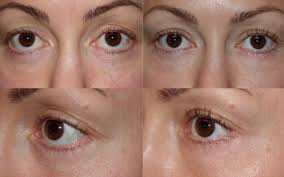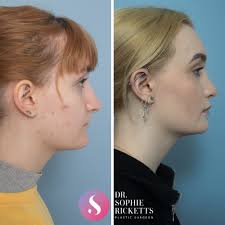
Eyelid Operation Before After – What to Expect, Results, and Recovery

Eyelid Operation Before After – What to Expect, Real Results & Recovery Timeline

Blepharoplasty, more commonly known as an eyelid operation, is one of the most popular cosmetic procedures worldwide. If you’re considering this surgery, you’ve likely searched for eyelid operation before after results to better understand the visual changes and healing process. This blog is your complete guide—from the basics of the procedure to real-life patient outcomes and recovery milestones.

What Is an Eyelid Operation (Blepharoplasty)?

An eyelid operation—technically called blepharoplasty—is a surgical procedure designed to improve the appearance or function of the eyelids. It involves removing excess skin, muscle, or fat from the upper or lower eyelids. Some procedures are purely cosmetic, while others are medically necessary to improve vision.

Types of Eyelid Surgery

There are three main types of blepharoplasty, depending on the patient’s goals and anatomy:

Type of Eyelid SurgeryDescriptionCommon Use Case
Upper Eyelid SurgeryRemoves sagging skin, sometimes fat, that droops over the upper eye.For hooded eyelids or impaired vision.
Lower Eyelid SurgeryTargets under-eye bags, puffiness, or wrinkles.For a more youthful lower eye area.
Double Eyelid SurgeryCreates a crease in the upper eyelid (common in East Asian patients).For aesthetic preference, not functional improvement.

These procedures can be done individually or combined for a more comprehensive eye rejuvenation.

Who Is a Good Candidate for Eyelid Surgery?

You might be a good candidate for eyelid surgery if you:

  • Have droopy or sagging eyelids that impair vision.
  • See visible signs of aging such as puffiness, wrinkles, or loose skin around your eyes.
  • Are physically healthy and have realistic expectations about eyelid operation before after outcomes.
  • Don’t have serious eye conditions (e.g., glaucoma or detached retina).

Pro Tip: Many patients over age 40 seek eyelid surgery for cosmetic reasons, but younger patients (even in their 20s or 30s) opt for procedures like double eyelid surgery for aesthetic preferences.

Medical vs Cosmetic Eyelid Surgery

Medical blepharoplasty is performed to correct vision problems. In these cases, the insurance might cover the cost—but a doctor must confirm visual field obstruction.

Cosmetic blepharoplasty, however, is done to improve appearance and is usually not covered by insurance.

Medical BlepharoplastyCosmetic Blepharoplasty
Covered by insurance (in some cases)Self-paid
Improves vision by removing obstructive skinEnhances appearance, removes puffiness
Requires a vision testBased on personal aesthetic goals

Understanding the type of eyelid surgery you need is the first step before evaluating before and after eyelid operation photos or planning your journey.

Why People Choose Eyelid Surgery

Many people who explore eyelid operation before after results online are often motivated by a mix of aesthetic, medical, and emotional reasons. Whether it’s a desire to look younger, correct visual impairment, or simply feel more confident, eyelid surgery offers both cosmetic enhancement and functional benefits.

Common Aesthetic Reasons

Aging affects the thin skin around the eyes faster than other facial areas. As a result, individuals may experience:

  • Drooping or sagging upper eyelids
  • Puffy bags under the eyes
  • Fine lines and wrinkles
  • A “tired” or “angry” appearance even when well-rested

These aesthetic issues often prompt people to consider eyelid surgery. They want their outer appearance to match how energetic or youthful they feel inside. Many patients in their 40s to 70s report remarkable changes in their facial symmetry and alertness after surgery.

Top Aesthetic Motivators Include:

  1. Restoring youthful eye contours
  2. Removing under-eye bags
  3. Improving symmetry between both eyes
  4. Enhancing eye shape and definition
  5. Looking more awake and refreshed

Aesthetic improvements are often the most visible when reviewing eyelid operation before after photos, which show tighter, smoother skin and brighter eyes.

Functional or Medical Reasons

Not all eyelid surgeries are cosmetic. Some are done to restore functionality—especially when excess upper eyelid skin impairs peripheral vision. In such cases, patients often experience:

  • Difficulty reading
  • Challenges while driving
  • Straining or fatigue in the forehead from constantly lifting brows
  • Eyelid heaviness or irritation

For these patients, eyelid operation before and after results are not just cosmetic—they improve daily life and safety.

According to the American Society of Plastic Surgeons, nearly 15% of upper eyelid surgeries in the U.S. are performed for functional reasons, especially in patients over 60.

Psychological Benefits (Confidence Boost)

After surgery, patients often report significant emotional and psychological benefits. These include:

  • Increased confidence during social or professional interactions
  • Reduced self-consciousness about eye bags or drooping lids
  • Feeling rejuvenated without looking “overdone”

Patients often describe before and after eyelid surgery as “life-changing”, especially when the results align with their goals. The combination of looking better and seeing better creates a powerful transformation that boosts overall well-being.

“I didn’t realize how tired I looked until I saw my after photos. Now I feel like my face finally matches how I feel inside—energized and alive.”
— Sarah, 52, Blepharoplasty Patient

Eyelid Operation Before After – What to Expect

If you’re seriously considering blepharoplasty, understanding the eyelid operation before after process is essential. This section walks you through the timeline of what you can expect from consultation to post-surgery recovery. Knowing what’s normal and what’s not will help you feel more confident and better prepared.

What Happens Before Eyelid Surgery? (Consultation & Preparation)

The “before” phase is more than just anticipation—it involves key decisions and medical evaluations.

Here’s what typically happens:

  1. Initial Consultation
    You’ll meet with a board-certified plastic or oculoplastic surgeon. They’ll assess:
    • Skin laxity
    • Fat deposits around the eyelids
    • Your eye shape and facial symmetry
    • Any vision problems caused by drooping skin
  2. Photo Documentation
    Before photos will be taken from multiple angles. These are critical for comparing eyelid operation before after results and assessing improvements post-surgery.
  3. Medical History Review
    Inform the surgeon about any medications, allergies, chronic illnesses, or prior eye conditions.
  4. Instructions for Pre-Op Care
    You may be advised to:
    • Stop blood-thinning medications (like aspirin)
    • Avoid smoking for at least 2 weeks prior
    • Arrange transportation for surgery day
    • Avoid alcohol and herbal supplements

Tip: Take a “selfie diary” in natural lighting in the days leading up to your surgery for personal comparison with your eyelid operation after photos.

Day of the Operation – Step-by-Step

Most eyelid surgeries are outpatient procedures lasting 1–2 hours, depending on complexity. Here’s what the day typically looks like:

  1. Anesthesia
    Local anesthesia with sedation is commonly used, though general anesthesia may be an option.
  2. Incision Placement
    • Upper eyelid surgery: Incision is placed in the natural crease.
    • Lower eyelid surgery: Incision is made just below the lash line or inside the lower lid (transconjunctival).
  3. Tissue Removal or Repositioning
    The surgeon removes or redistributes excess skin, muscle, or fat. Fat repositioning (instead of removal) helps avoid a “hollowed out” look.
  4. Stitching and Bandaging
    Fine sutures are used to close the incisions. In some cases, absorbable sutures are used.
  5. Recovery Room
    You’ll rest briefly before being discharged with post-operative instructions and medications.

Immediate Post-Surgery Appearance

Right after surgery, your eyelid operation after look won’t yet match the final results. Expect the following:

  • Swelling and Bruising: Peaks around day 2–3 and slowly fades over 7–14 days
  • Stitches or Steri-strips: Usually removed after 5–7 days
  • Mild Discomfort: Controlled with pain relievers
  • Blurry Vision: Temporary due to ointment or swelling
SymptomNormal?Duration
Swelling Yes1–2 weeks
Bruising Yes7–14 days
Dry or watery eyes YesA few days
Sharp pain or bleeding NoContact your doctor

Important: This is the “healing before” stage. Most eyelid operation before after photos taken at this point show puffiness, not final results.

Next, we’ll dive into real before and after photos and what those visual changes typically look like on upper, lower, and double eyelid patients.

Eyelid Operation Before and After Photos – Real Patient Results

When considering any cosmetic procedure, eyelid operation before after photos play a major role in helping potential patients visualize outcomes. These images not only showcase the transformation but also help set realistic expectations based on age, skin type, and the type of eyelid surgery performed.

Let’s break it down by surgery type.

Upper Eyelid Surgery Before After Examples

Upper eyelid blepharoplasty is the most common type of eyelid surgery, especially among individuals aged 40–70. It’s typically performed to correct sagging or excess skin that droops over the natural crease of the eyelid.

Common Upper Eyelid Before After Improvements:

  • Sharper and more defined eye crease
  • Eyes appear larger and more open
  • Reduced heaviness and puffiness
  • Improved symmetry between both eyes

Example:

A 55-year-old female patient had 4 mm of excess skin removed. Before surgery, her eyelids visibly drooped over her lashes. Post-op images (taken after 6 weeks) show a lifted, more alert appearance with no visible scarring in the crease.

Lower Eyelid Surgery Before After Examples

Lower eyelid blepharoplasty focuses on reducing eye bags, smoothing fine lines, and restoring a youthful under-eye contour.

Noticeable Lower Eyelid Changes Include:

  • Flattened puffiness or under-eye bulges
  • Reduced shadowing and dark circles
  • Tighter skin under the eyes
  • Less tired or aged look

Example:

A 48-year-old male presented with chronic under-eye puffiness and skin laxity. Six weeks after lower eyelid surgery, his “after” photos show significant smoothing under the eyes and improved facial balance, with no hollowed appearance.

Double Eyelid Before After Results

Double eyelid surgery, also called Asian blepharoplasty, is highly requested among East Asian patients who wish to create a natural-looking upper eyelid crease.

Typical Enhancements Seen in Before After Photos:

  • Defined upper eyelid crease
  • Enhanced symmetry between both eyes
  • Improved eye shape and contour
  • Better makeup application (especially eyeliner)

Example:

A 29-year-old patient underwent double eyelid creation. Before surgery, the patient had monolids and uneven eyelid folds. Post-op photos after 8 weeks reveal a soft, symmetric crease that brightens her overall facial expression.

How to Analyze Eyelid Operation Before After Photos Like a Pro

When viewing before and after eyelid operation photos, consider these tips:

What to Look ForWhy It Matters
Healing Time FrameFinal results typically appear 6–12 weeks post-op.
Lighting ConsistencyGood lighting ensures fair comparison.
Angles & ExpressionsNeutral expressions and consistent head angles show true differences.
Scarring & Incision LinesShould be minimal and often hidden in natural creases.
Symmetry & ProportionsThe goal isn’t perfection, but natural-looking harmony.

Pro Tip: Always review eyelid operation before after galleries from board-certified surgeons, as they reflect real patient outcomes and professional standards.

Eyelid Surgery Recovery Timeline

The recovery phase is where you begin to truly see your eyelid operation before after transformation take shape. While many people focus on the surgical day itself, the days and weeks that follow are just as critical to your final results.

Let’s walk through the complete eyelid surgery recovery timeline, from the first 48 hours to the final reveal.

First 48 Hours After Surgery

Immediately after your eyelid operation, expect to experience some discomfort and visible swelling. This is perfectly normal. Most surgeons will apply a cold compress or give you special eye packs to reduce swelling.

What to Expect:

  • Puffy and swollen eyelids
  • Mild to moderate bruising around the eyes
  • Blurred vision due to eye ointment
  • Tightness or mild discomfort
  • Slight oozing from incision sites

Post-Op Tips:

  • Sleep with your head elevated (use 2–3 pillows)
  • Apply cold compresses every hour (15 mins on, 15 off)
  • Take prescribed pain medication or Tylenol as advised
  • Avoid reading, screen time, or eye strain

Remember: This is the most sensitive stage. Taking before and after pictures daily can help you track progress, but expect swelling to temporarily obscure the “after” effects.

Week-by-Week Recovery Expectations

Here’s a breakdown of what typically happens week by week after your eyelid surgery:

WeekWhat HappensVisible “Before After” Changes
Week 1Bruising and swelling are still significant; sutures may be removed by day 5–7.Minimal visual improvement due to swelling.
Week 2Swelling begins to subside; bruising lightens; eyes may feel dry or itchy.Shape of eyelids becomes clearer.
Week 3Most swelling resolves; makeup can usually be worn.Noticeable lift and symmetry improvements appear.
Week 4–6Results stabilize; most people return to full social activity.Eyelid contours sharpen; eyes look more open and alert.
3–6 MonthsIncision lines fade; eyes look natural.Final “after” photos taken for comparison.

When Will Swelling and Bruising Go Away?

  • Bruising usually fades within 10–14 days.
  • Swelling can linger up to 4 weeks, though most of it resolves by week 2.
  • Subtle residual swelling may persist longer, especially in the mornings.

Patient Quote:
“By week three, I looked totally different—like a better-rested version of myself. My friends couldn’t tell I had surgery, just that I looked fresher.”

When Can You See Final Results?

Most patients begin to feel confident with their eyelid operation after appearance by week 4–6. However, final results—especially scar fading and skin tightening—may take up to 6 months.

This is why many eyelid operation before after photos are taken at the 3- or 6-month mark. The difference becomes much more dramatic once all swelling has subsided.

Tips to Speed Up Healing

If you want the best possible “after” appearance, follow these healing tips:

  • Hydrate – Drink plenty of water
  • Avoid salt – Reduces fluid retention and swelling
  • Don’t smoke – Slows down healing significantly
  • Sleep elevated – Reduces eye swelling
  • Follow your surgeon’s instructions – Especially regarding ointments, makeup, and cleaning

Bonus Tip: Arnica tablets and pineapple juice are natural remedies some patients use to reduce bruising and inflammation.

What Do Real Patients Say About Their Eyelid Operation Before and After?

While clinical explanations and surgeon promises are important, nothing resonates more deeply than real stories from patients who have undergone an eyelid operation. These stories help potential candidates relate, reduce anxiety, and form realistic expectations about both the physical transformation and emotional impact of the surgery.

Patient Testimonials

Here are some firsthand accounts of eyelid operation before after experiences that highlight the wide range of benefits—from aesthetic changes to confidence boosts.

Maria, 46 – Upper & Lower Blepharoplasty
“I always looked tired, even when I wasn’t. I work in sales, so appearance matters. After surgery, people said I looked 10 years younger. My eyes are brighter, my lids are lifted, and I finally love how I look in pictures.”

James, 61 – Functional Upper Eyelid Surgery
“I wasn’t doing it for looks. My vision was actually being blocked by the skin hanging over my lashes. The before and after difference was huge—both visually and functionally. I can drive at night again!”

Li Na, 29 – Double Eyelid Surgery
“I just wanted to enhance my natural features. My after photos show a soft, defined crease that opens up my eyes. It looks natural—just how I hoped. Now I wear less makeup and still feel great.”

These testimonials reveal that the eyelid operation before after journey is often not just about looks—it’s about comfort, confidence, and improved quality of life.

Emotional Journey – From Insecurity to Confidence

Eyelid surgery can lead to dramatic internal transformations, not just external ones. In fact, many patients report feeling emotionally lighter, more outgoing, and more self-assured after seeing their post-op results.

Here’s how emotions typically evolve along the before-after path:

TimelineEmotional State
Before SurgeryNervousness, self-consciousness, research overload
First 1–2 Weeks AfterDiscomfort, anxiety about swelling, uncertainty
Weeks 3–4Optimism, visual improvements, confidence rising
Months 2–3Satisfaction, comfort with public image, emotional relief

Emotional Insight: According to a study published in JAMA Facial Plastic Surgery, patients undergoing blepharoplasty reported significant improvements in social confidence and self-esteem within three months of surgery.

Common Concerns Patients Had Before Surgery

Most patients share similar questions and fears before the procedure, such as:

  • “Will I look unnatural?”
  • “What if the scars don’t fade?”
  • “Will people be able to tell I had surgery?”
  • “What if I don’t like my new appearance?”

However, a majority find that these worries are temporary. Once swelling goes down and the final results are visible, satisfaction rates soar.

In fact, according to the American Society of Plastic Surgeons, blepharoplasty has one of the highest satisfaction rates among cosmetic surgeries, with 96% of patients reporting positive outcomes.

Are the Results of Eyelid Surgery Permanent?

One of the most common questions asked during consultations is:
“Are the results of my eyelid operation permanent?”

The answer is yes—but with some realistic limitations. While eyelid operation before after transformations can be dramatic and long-lasting, no cosmetic procedure can entirely stop the natural aging process. Let’s break it down.

How Long Do Results Last?

  • Upper eyelid surgery results can last 10 to 15 years or even longer in some cases.
  • Lower eyelid surgery typically produces permanent results since fat removal and repositioning usually do not require revision.

However, because your skin continues to age, future touch-ups may be desired down the road—especially for upper lids. The key is that most patients experience a sustained improvement in eye appearance and comfort for a decade or more.

Stat Snapshot: A 10-year follow-up study in Plastic and Reconstructive Surgery Journal found that 83% of blepharoplasty patients were still satisfied with their results a full decade after surgery.

Can Aging or Lifestyle Reverse the Results?

Even after surgery, the aging process doesn’t pause. Your skin will naturally lose collagen, and gravity will continue to exert its influence.

Here are some factors that can impact the longevity of your eyelid operation after results:

FactorEffect on Results
SmokingAccelerates skin aging, leading to earlier sagging
Sun ExposureCauses skin damage and loss of elasticity
Poor SkincareWeakens skin barrier and hastens wrinkle formation
GeneticsSome people naturally age more slowly or symmetrically
Excessive Screen TimeMay lead to eye strain and muscle fatigue, affecting eye area over time

Maintaining a healthy lifestyle and proper skin care routine will help preserve your surgical outcomes for as long as possible.

Maintenance Options (Non-Surgical Enhancements)

Some patients explore non-surgical options years after their initial eyelid operation to enhance or maintain their look. These include:

  • Botox: To soften crow’s feet and prevent downward pull on eyelids
  • Dermal Fillers: To restore volume under the eyes and temples
  • Laser Treatments: To improve skin texture and pigmentation
  • Radiofrequency Therapy: For skin tightening and collagen stimulation

These treatments can extend or enhance your eyelid operation before after effects without the need for a second surgery.

Expert Quote:
“Eyelid surgery resets the clock, but it doesn’t stop it. Good skincare and periodic maintenance can help your results age gracefully.”
— Dr. Lisa Roman, Board-Certified Oculoplastic Surgeon


Eyelid Operation Risks and Side Effects

No surgery is entirely risk-free, and eyelid operations, while considered low-risk when performed by a qualified surgeon, still come with potential side effects. Understanding these risks helps patients make informed decisions and be better prepared for what could happen during recovery.

Temporary Side Effects (Normal and Expected)

In the immediate days following surgery, certain side effects are expected and should not cause alarm.

Side EffectDescriptionDuration
SwellingPuffiness around the eyelids1–2 weeks
BruisingPurple or yellow discoloration under/around the eyes7–14 days
Dry or Watery EyesSensitivity and tear imbalanceFew days to 1 week
Tightness or ItchinessAs the skin heals and contracts1–2 weeks
Mild Blurred VisionOften from ointments or swellingTemporary, <48 hours

These symptoms are part of the eyelid operation before after healing process, and most resolve on their own with rest, elevation, and cold compresses.

Serious Risks and How to Minimize Them

While rare, certain complications can occur—especially when the surgery is performed by an inexperienced or unqualified practitioner.

Serious Complications May Include:

  • Infection
  • Bleeding behind the eye (retrobulbar hematoma) – Can lead to vision loss if untreated
  • Ectropion – Outward turning of the lower eyelid
  • Asymmetry – Uneven results or shape
  • Scarring – Thick or visible scars (more common in smokers or poor healers)
  • Difficulty closing the eyes – From excessive skin removal

How to Reduce Risk:

  • Choose a board-certified plastic or oculoplastic surgeon
  • Follow all pre- and post-operative instructions closely
  • Disclose all medical history and medications
  • Avoid rubbing or touching your eyes during early healing
  • Keep the area clean and follow prescribed antibiotic use

Did You Know?
The complication rate for blepharoplasty is under 2.5% when performed by an experienced specialist, according to the American Society of Ophthalmic Plastic and Reconstructive Surgery.

Choosing a Qualified Surgeon to Avoid Complications

The surgeon you choose is the single most important factor in determining both the safety and success of your eyelid surgery. Look for:

  • Board certification in plastic, oculoplastic, or facial cosmetic surgery
  • Years of experience performing eyelid-specific procedures
  • A robust before and after gallery of real patient cases
  • Clear communication and transparency during the consultation
  • Positive patient reviews and testimonials

Red Flag Warning: Be cautious of “too-good-to-be-true” pricing or lack of verifiable credentials. Low-cost options often cut corners on safety, precision, and post-op care.

Cost of Eyelid Surgery

Understanding the cost of eyelid surgery is a key part of planning your transformation. Whether you’re pursuing the procedure for cosmetic reasons or a medical need, it’s important to know what affects pricing, what’s included, and when your eyelid operation might be covered by insurance.

Average Price Ranges by Country

Blepharoplasty costs vary based on location, surgeon experience, and the complexity of your case.

CountryAverage Cost (USD)
United States$3,000 – $6,500
United Kingdom£2,500 – £5,000
CanadaCAD $3,500 – $7,000
AustraliaAUD $3,000 – $6,000
PakistanPKR 150,000 – 300,000
Turkey$1,500 – $3,500
South Korea$2,000 – $5,000

Note: Prices may be higher in metropolitan areas or luxury clinics. Always verify what is included in the total quote.

What’s Included in the Cost?

When comparing eyelid operation before after packages, make sure to understand what is and isn’t included.

Typically Included:

  • Surgeon’s fee
  • Anesthesia
  • Facility or operating room charges
  • Pre-op evaluation
  • Post-op follow-up visits
  • Before and after photos for medical records

May Not Be Included:

  • Medications (antibiotics, pain relief)
  • Additional lab tests
  • Scar creams or healing ointments
  • Revision surgeries, if needed

Always ask for a detailed cost breakdown before committing. This ensures you’re not surprised by hidden fees later.

Is Eyelid Surgery Covered by Insurance?

This depends entirely on whether the surgery is cosmetic or medically necessary.

Type of SurgeryInsurance Coverage
Cosmetic Blepharoplasty Not covered. Entire cost paid out-of-pocket.
Functional BlepharoplastyMay be covered if medically justified.
Double Eyelid Surgery Not covered (purely cosmetic in most cases).

To qualify for coverage under medical insurance (especially in the U.S., UK, or Canada), you’ll need:

  • Documentation from an ophthalmologist confirming vision obstruction
  • A visual field test showing impairment
  • Pre-authorization from your insurance company

Pro Tip: Even if not covered, many clinics offer financing through services like CareCredit, health savings accounts (HSAs), or internal installment plans.

How to Prepare for an Eyelid Operation

Proper preparation is essential for both your surgical outcome and recovery experience. The more you prepare in advance, the fewer surprises you’ll face post-op—and the better your eyelid operation before after results will turn out.

Pre-Surgery Checklist (2–4 Weeks Before)

Begin preparing your body and environment several weeks before surgery. This phase includes medical steps, lifestyle changes, and logistical planning.

Medical Preparations:

  • Book your pre-op consultation with your surgeon.
  • Complete any required lab tests (bloodwork, ECG, vision test).
  • Provide a full list of medications and supplements you’re taking.
  • Discuss any medical history of eye disorders, bleeding problems, or allergies.

Medications to Avoid:

Discontinue the following (always consult your doctor first):

Medication / SubstanceReason
Aspirin, IbuprofenThins blood, increases bleeding risk
Vitamin EMay increase bleeding and bruising
Fish Oil & Ginkgo BilobaNatural blood thinners
SmokingDelays healing, increases infection risk

Stop smoking at least 2 weeks before and after surgery to optimize healing.

Lifestyle & Environment Prep (1 Week Before)

Home Setup:

  • Prepare your recovery space: cozy recliner or bed with head support
  • Have cold compresses or ice packs ready
  • Stock up on soft foods, bottled water, and eye drops
  • Arrange easy access to tissues, hand sanitizer, and clean towels

Skincare Adjustments:

  • Avoid retinoids or acids around the eyes
  • Clean your face gently with a mild cleanser
  • No makeup, lash extensions, or eye creams 48 hours before surgery

Plan for Support:

  • Arrange for someone to drive you home after the procedure
  • Ideally have a friend or family member stay with you for the first 24–48 hours
  • Notify work and take 5–10 days off depending on job type

Night Before Surgery

  • No food or drink after midnight (if general anesthesia is used)
  • Wash your face thoroughly—no makeup, lotions, or perfumes
  • Set out comfortable clothes (preferably button-downs to avoid pulling over your face)
  • Get a good night’s sleep

Morning of the Eyelid Operation

  • Do not wear contact lenses, eye cream, makeup, or jewelry
  • Take any prescribed pre-op medication
  • Bring sunglasses and a cool compress wrap for the ride home
  • Arrive early and stay calm—your team will guide you

Pro Tip: Take one or two clear “before” photos the morning of your surgery to compare later with your healing and final results.

Questions to Ask Your Surgeon Before Blepharoplasty

Before committing to eyelid surgery, it’s essential to interview your surgeon just as much as they evaluate you. These questions will help you understand their qualifications, process, and whether they align with your goals.

Remember, the consultation isn’t just about scheduling surgery—it’s about ensuring you get safe, natural-looking and satisfying eyelid operation before after results.

1. Are You Board-Certified in Plastic or Oculoplastic Surgery?

Why it matters:
Certification from a reputable board (like the American Board of Plastic Surgery or Royal College of Surgeons) proves the surgeon has specialized training in facial anatomy, safety protocols, and aesthetics.

2. How Many Eyelid Surgeries Do You Perform Annually?

Why it matters:
Experience leads to better results and fewer complications. Look for surgeons who perform dozens or even hundreds of blepharoplasties per year—not just general procedures.

Expert Tip: A surgeon who specializes in eyelid or facial plastic surgery will likely have a deeper understanding of eye structure, symmetry, and scarring patterns.

3. Can I See Before and After Photos of Your Previous Patients?

Why it matters:
This helps you visualize the surgeon’s aesthetic style and decide if their typical results align with your goals.

Look for:

  • Patients of your age, gender, and ethnicity
  • Consistent lighting and angles
  • Subtle, natural results—not overcorrected or hollowed eyes

4. What Type of Blepharoplasty Do You Recommend for Me?

Why it matters:
Some patients need only upper eyelid surgery; others may benefit from lower eyelid surgery or a combination. Your surgeon should customize a plan based on your facial anatomy and concerns—not a one-size-fits-all approach.

5. What Are the Risks and Possible Complications in My Case?

Why it matters:
A good surgeon is honest about risks. Be wary of anyone who downplays possible side effects like asymmetry, scarring, infection, or dry eye.

6. What Will My Recovery Be Like?

Why it matters:
You should get a clear timeline of what to expect day-by-day, when you’ll be able to return to work or social life, and what medications or ointments you’ll need.

7. Will You Perform the Surgery Yourself?

Why it matters:
Some clinics delegate parts of the procedure to assistants or residents. Always confirm who will be performing the critical steps of your surgery.

8. What If I’m Not Happy With the Results?

Why it matters:
Ask about revision policies, touch-up procedures, and how your surgeon handles dissatisfaction or complications.

Look for policies that offer clear timelines and cost structures for revisions.

9. Do You Offer Financing Options or Payment Plans?

Why it matters:
Blepharoplasty is often not covered by insurance. Understanding payment options can make your decision more financially manageable.

10. What Should I Do to Prepare Before the Surgery?

Why it matters:
The best surgeons provide detailed pre-op instructions, covering lifestyle changes, medication adjustments, and what to bring on surgery day.

Asking these questions will help ensure you choose a qualified expert who prioritizes your safety, satisfaction, and natural-looking eyelid operation before after results.

FAQ – Eyelid Operation Before After

Here are answers to frequently asked questions about blepharoplasty—from recovery time to natural-looking results and long-term expectations.

Q1: How soon will I see results from my eyelid operation?

A: Most patients start seeing noticeable improvements within 10–14 days, as swelling and bruising reduce. However, final eyelid operation after results usually become fully visible after 6–12 weeks, once the tissues have settled and incisions fade.

Q2: Will the results look natural or obviously surgical?

A: When performed by a skilled, board-certified surgeon, blepharoplasty produces subtle, natural-looking results. You’ll look refreshed—not “done.” The goal is to enhance your eye shape and restore youthfulness without drastically altering your appearance.

💬 Patient Feedback: “People said I looked well-rested—not like I had surgery. That’s exactly what I wanted.”

Q3: Can I combine upper and lower eyelid surgery?

A: Yes, many patients undergo both upper and lower eyelid surgery in the same session to maximize results and minimize downtime. This combined approach is common when both sagging upper lids and under-eye bags are present.

Q4: Does eyelid surgery hurt?

A: The procedure itself is pain-free due to local anesthesia or sedation. After surgery, mild discomfort, tightness, and sensitivity are common but manageable with prescribed pain medication and cold compresses. Most patients rate the pain level as 2–4 out of 10.

Q5: Will I have visible scars?

A: Incisions are strategically placed in natural creases of the upper lid or inside the lower lid, making scars virtually invisible once healed. With proper care and time, scarring becomes minimal or undetectable.

Q6: How long does eyelid surgery take?

A: The procedure typically takes 45 minutes to 2 hours, depending on whether you’re having upper, lower, or both eyelids treated. It’s usually performed on an outpatient basis, meaning you’ll go home the same day.

Q7: What’s the difference between blepharoplasty and double eyelid surgery?

A:

  • Blepharoplasty (upper/lower) is for removing excess skin, fat, and tightening muscles—primarily for aging or sagging concerns.
  • Double eyelid surgery creates a visible crease in the upper lid (common among Asian patients with monolids) for aesthetic purposes.

Both procedures improve appearance, but they target different concerns and ethnic preferences.

Q8: How long do the results of eyelid surgery last?

A:

  • Upper eyelid surgery: 10–15 years or more
  • Lower eyelid surgery: Often permanent
  • Lifestyle, aging, and skin quality will influence how long your results last. Many people never need a second procedure.

Q9: Can I wear makeup after eyelid surgery?

A: You can usually start wearing eye makeup again after 10–14 days, once incisions have healed and your surgeon gives the all-clear. Always use clean brushes and gentle, non-irritating products.

Q10: Is eyelid surgery only for older adults?

A: No. While many patients are in their 40s to 70s, younger adults in their 20s and 30s also pursue surgery for:

  • Genetic under-eye bags
  • Hooded or asymmetrical eyelids
  • Desire for a double eyelid crease

Quick Recap – Top FAQ on Eyelid Operation Before After

QuestionQuick Answer
When will I see final results?Full results appear within 6–12 weeks.
Is it painful?Mild discomfort after surgery; manageable with meds.
Will I look unnatural?No—natural, refreshed look when done by a skilled surgeon.
Will I have scars?Minimal or invisible scars, hidden in creases.
How long do results last?10–15 years (upper) or permanent (lower eyelid).
Is it covered by insurance?Only if medically necessary (e.g. vision obstruction).
Can I combine procedures?Yes—upper & lower eyelids often done together.
Is it for younger people too?Yes, especially for under-eye bags or double eyelid surgery.

Conclusion – Final Thoughts on Eyelid Operation Before After

Eyelid surgery, also known as blepharoplasty, is a highly effective, transformative cosmetic procedure that delivers both aesthetic and functional benefits. Whether you’re seeking relief from drooping lids, puffy under-eyes, or want to define your eyelid crease, the eyelid operation before after journey offers lasting improvements with relatively quick recovery.

What sets this procedure apart is its ability to make you look younger, more awake, and more confident—without changing who you are. It’s one of the few cosmetic surgeries that offers subtle enhancement with a big impact.

Take the Next Step

If you’re ready to see your own eyelid operation before after transformation:

  • Start taking reference photos of your eyes today
  • Schedule a consultation with a board-certified eyelid or facial plastic surgeon
  • Bring this article with you to ask the right questions and feel fully prepared

You deserve to look as energized and vibrant as you feel. Let your eyes reflect that.

Categories: Dental Care

Corrective Chin Surgery: Everything You Need to Know About Chin Correction Procedures

H1: What Is Corrective Chin Surgery?

Corrective chin surgery, also known as genioplasty or chin correction surgery, is a specialized facial procedure designed to reshape, reposition, or enhance the appearance and structure of the chin. Whether it’s to address a receding chin, protruding jawline, or to create better facial harmony, this procedure plays both cosmetic and functional roles in transforming one’s facial profile.

Definition and Medical Context

Medically referred to as genioplasty, this type of surgery is typically performed by maxillofacial surgeons or plastic surgeons who specialize in facial skeletal structure. It involves altering the bone structure of the chin, either by advancing, reducing, reshaping, or implanting. Unlike dermal fillers or non-surgical chin augmentations, corrective chin surgery offers permanent results with structural improvements.

“Genioplasty has been shown to significantly improve the facial aesthetics and psychological satisfaction of patients with skeletal chin deformities.” — Journal of Oral and Maxillofacial Surgery

Key Goals of Corrective Chin Surgery

  • Enhance facial symmetry and balance
  • Improve bite and jaw alignment in some cases
  • Correct congenital deformities or trauma-related disfigurements
  • Boost self-confidence by refining the profile

The Anatomy of the Chin

Understanding the role of the chin in facial structure is key. The chin is part of the mandible, or lower jawbone. Its prominence, angle, and projection influence how your jawline looks from both the front and side views. When the chin is too far back or forward, it can throw off the balance of the entire face — particularly the nose-to-chin and forehead-to-chin ratios.

Functional and Aesthetic Applications

While many patients seek corrective chin surgery for cosmetic improvement, it also addresses functional problems, especially when it comes to:

  • Malocclusion (poor bite alignment)
  • Obstructive sleep apnea (in certain cases)
  • Difficulty in speech or chewing
  • Post-traumatic facial reconstruction

In many cases, corrective chin surgery is done alongside orthognathic jaw surgery or rhinoplasty for full facial restructuring.

Why Do People Get Corrective Chin Surgery?

Corrective chin surgery is more than just a cosmetic procedure — it often fulfills a deeper need for functional correction, psychological well-being, and facial balance. People pursue this surgery for a variety of reasons, ranging from congenital deformities to post-traumatic reconstruction or dissatisfaction with facial aesthetics.

Common Reasons for Undergoing Corrective Chin Surgery

Here are the most common motivations people have for seeking chin correction surgery:

Congenital Chin Deformities

Many individuals are born with underdeveloped (microgenia) or overdeveloped (macrogenia) chins, leading to a disproportionate facial profile. These congenital issues can lead to not just aesthetic concerns but also functional difficulties such as impaired speech or bite alignment.

Facial Trauma or Injury

Accidents, falls, or sports injuries can cause fractures or disfigurements in the chin area. In such cases, reconstructive genioplasty is used to restore both form and function, helping patients regain their original appearance or an improved one.

Aesthetic Concerns

Perhaps the most common reason people seek chin reshaping surgery is dissatisfaction with their profile. A weak chin can make the nose appear larger, affect the jawline definition, or create an imbalanced look. Corrective chin surgery helps:

  • Achieve better facial symmetry
  • Improve neck and jaw contours
  • Enhance side-profile aesthetics

Fact: According to the American Society of Plastic Surgeons, genioplasty saw a steady rise of over 20% in interest over the last 5 years due to the growing awareness of facial symmetry’s impact on attractiveness.

Breathing or Sleep Issues

In some patients with sleep apnea or restricted airways, advancing the chin can open up breathing passages. While this is less common, sliding genioplasty can be part of a multi-procedure treatment plan for better airflow and sleep quality.

Psychological and Self-Esteem Factors

Facial features play a major role in self-image. A disproportionate chin can cause a person to feel insecure, shy, or socially anxious. Corrective chin surgery often leads to a significant boost in self-confidence, helping people feel more empowered in social and professional environments.

“After my chin correction surgery, I felt like a new person. For the first time, I loved how I looked in profile pictures.” — Patient testimonial

Summary Table: Why People Get Corrective Chin Surgery

ReasonDescription
Congenital deformitiesBorn with recessed, prominent, or asymmetric chin
Trauma-related reconstructionInjury causing disfigurement
Cosmetic enhancementImprove facial harmony and profile
Functional needsImprove bite, breathing, or jaw function
Emotional well-beingBoost confidence and reduce appearance-related anxiety

Corrective chin surgery is a personal and powerful decision, driven by both medical necessity and the desire for self-improvement. Whether correcting a birth defect or enhancing natural beauty, this surgery has life-changing potential.

Types of Corrective Chin Surgery

Corrective chin surgery, or chin correction surgery, isn’t a one-size-fits-all solution. There are several surgical approaches depending on the patient’s anatomy, desired outcome, and whether the issue is structural, aesthetic, or both. Understanding the different types of genioplasty and chin reshaping techniques can help patients choose the most appropriate path with their surgeon.

Sliding Genioplasty (Chin Advancement Surgery)

Sliding genioplasty is one of the most commonly used techniques for correcting a receding chin or chin asymmetry. This procedure involves cutting the chin bone (mandibular symphysis) and physically sliding it forward, backward, or even reshaping it to achieve the desired projection and alignment.

Procedure Overview:

  • A horizontal cut is made inside the mouth to avoid visible scarring.
  • The chin segment is separated from the jaw and moved into the new position.
  • The bone is fixed in place with titanium plates and screws.
  • No implants are used — it’s all the patient’s own bone.

Benefits:

  • Permanent results
  • Precise bone positioning
  • Natural look (no synthetic materials)
  • Can also reduce a long chin by removing bone vertically

Ideal for: patients with recessed chins, asymmetrical jawline, or needing functional bite correction.

Chin Reduction Surgery

For individuals with an overly prominent or elongated chin, chin reduction surgery may be recommended. This involves shaving down or reshaping the chin bone to bring the chin into better proportion with the rest of the face.

How It Works:

  • Performed under general anesthesia
  • Bone contouring is done through intraoral access
  • Focus is on reshaping the outer surface of the bone
  • May be combined with liposuction under the chin for better contour

Considerations:

  • Permanent and irreversible
  • Requires detailed facial analysis and surgical planning

Stat Insight: Chin reduction is more common in individuals with class III malocclusion (underbite) and in those desiring a softer, less angular lower face.

Chin Implants vs Surgical Bone Adjustment

Some patients may opt for a chin implant instead of bone surgery, especially when looking for a non-invasive or reversible option. However, implants are not technically “corrective” in the structural sense — they are more augmentative.

Chin Implants:

  • Made of silicone or porous polyethylene
  • Inserted through a small incision under the chin or inside the mouth
  • Less invasive and shorter recovery time
  • Can be removed or replaced

Comparison Table

FeatureSliding GenioplastyChin Implant
InvasivenessHighModerate
ReversibilityIrreversibleReversible
Use of foreign materialNoYes
Best forMajor structural correctionsMild to moderate enhancement
LongevityPermanentMay require replacement

Pro Tip: Sliding genioplasty is better for functional and structural correction, while chin implants are ideal for patients seeking cosmetic enhancement without altering the bone.

Understanding the types of corrective chin surgery helps patients make informed choices tailored to their goals, anatomy, and lifestyle. A thorough consultation with a certified surgeon can determine which approach will offer the safest and most satisfying results.

How Is Corrective Chin Surgery Performed?

Understanding how corrective chin surgery is performed can ease anxiety and help patients prepare both mentally and physically. The surgical process varies slightly based on the type of chin correction — whether it’s sliding genioplasty, chin reduction, or implant placement — but the general procedure follows a consistent framework aimed at safety, precision, and long-term effectiveness.

Pre-Surgical Evaluation and Planning

Before surgery is even scheduled, patients undergo a comprehensive evaluation to ensure they’re a good fit for the procedure.

What’s Involved:

  • 3D Imaging & CT Scans: Surgeons use advanced imaging to analyze bone structure and facial proportions.
  • Dental & Jaw Records: Important for patients with bite or jaw alignment issues.
  • Photographic Analysis: Side, front, and profile views are captured to plan for optimal symmetry.
  • Medical Clearance: Basic labs, health assessments, and sometimes cardiology or anesthesia consults if needed.
  • Patient Expectations: Discussion of goals, possible outcomes, and limitations.

“The key to successful genioplasty is not just technical skill, but detailed pre-op planning.” — Dr. Andrew Jacono, Facial Plastic Surgeon

The Day of Surgery

Corrective chin surgery is usually performed in a hospital or accredited surgical center under general anesthesia. Step-by-Step Breakdown:

  1. Anesthesia Administration
    • Typically general anesthesia
    • Ensures the patient is completely asleep and pain-free
  2. Incision Placement
    • Usually inside the mouth (intraoral) to prevent visible scars
    • Some surgeons may make a tiny incision under the chin for implant-based surgeries
  3. Bone or Implant Work
    • For sliding genioplasty: the chin bone is cut and repositioned
    • For reduction: excess bone is shaved down
    • For implants: synthetic material is secured to the bone
  4. Fixation
    • Titanium screws and plates are used to secure the bone or implant
    • Designed to be biocompatible and long-lasting
  5. Wound Closure
    • Sutures (often dissolvable) are placed to close the incision
    • A pressure dressing or chin strap may be applied
  6. Post-Surgical Monitoring
    • Short observation period before discharge (outpatient in most cases)

Surgery Duration and Recovery Room

  • Time in Surgery: 1 to 2.5 hours
  • Recovery Room Monitoring: 1–2 hours before patient goes home or is admitted overnight if combined with other surgeries
  • Downtime: 1–2 weeks for most patients

Tools & Technologies Often Used:

Tool/TechPurpose
3D Facial ScanningPre-op planning, simulation, and symmetry checking
Piezosurgery ToolsUltrasonic instruments for precise bone cutting
Titanium Fixation PlatesSecure the repositioned chin segment
Intraoral RetractorsKeep surgical field open without external incisions

Surgical Considerations & Surgeon Expertise

  • The experience of the surgeon significantly affects results and safety.
  • Board-certified maxillofacial or plastic surgeons are highly recommended.
  • Combined procedures (e.g., jaw surgery or rhinoplasty) require multidisciplinary planning.

“Precision in bone repositioning is essential. Even a 2mm shift can drastically change facial aesthetics.” — Oral Maxillofacial Clinics Review

Corrective chin surgery is a technically demanding but highly rewarding procedure. With proper planning, skilled execution, and clear communication between patient and surgeon, the transformation can be both natural and profound.

Who Is a Good Candidate for Chin Correction Surgery?

Not everyone is a suitable candidate for corrective chin surgery, which is why thorough evaluation is critical before moving forward. Whether the goal is to improve appearance, restore facial balance, or correct structural or functional issues, identifying candidacy ensures both safety and satisfaction.

Ideal Candidates for Corrective Chin Surgery

Here’s what makes someone a good candidate for chin reshaping surgery:

Physical Health Criteria

  • Generally healthy individuals with no serious chronic conditions like uncontrolled diabetes, heart disease, or bleeding disorders.
  • Non-smokers or those willing to quit at least 4–6 weeks before and after surgery. Smoking can delay healing and increase risk of complications.
  • Healthy oral hygiene, as the surgery often involves an intraoral incision.

Facial Structure Considerations

  • Receding or overly prominent chin
  • Chin asymmetry (one side longer or more pronounced)
  • Poor projection or imbalance in lower face
  • Weak jawline definition
  • Disproportionate nose-to-chin ratio

Facial balance is often assessed using the “Facial Thirds Rule” — the chin should ideally align vertically with the nose and forehead in the side profile.

Age Requirements

  • Typically 18 years or older, once bone growth is complete
  • In special cases (e.g., congenital deformities), younger patients may be considered with orthodontic support

When Chin Correction Surgery May Not Be Recommended

Patients may be advised to delay or avoid corrective chin surgery if they have:

  • Active gum or dental infections
  • Unrealistic expectations or underlying body dysmorphia
  • Severe medical conditions that increase surgical risk
  • Poor bone density or compromised immune system
  • Pregnancy or are breastfeeding

Psychological Readiness and Motivation

One of the most overlooked — yet crucial — aspects of candidacy is psychological preparedness. A person considering chin surgery should:

  • Have realistic expectations about what the procedure can and can’t achieve
  • Understand the recovery process and potential risks
  • Be undergoing surgery for personal reasons, not due to external pressure

“Cosmetic procedures yield the best results when done to satisfy the patient’s own sense of self, not societal pressures or trends.” — Dr. Catherine Maloney, Aesthetic Surgeon

Candidacy Checklist

Here’s a quick self-checklist for potential patients:

QuestionYes/No
Am I physically healthy and free of serious illness?
Do I have a chin that I feel is too small, large, or uneven?
Have I stopped growing physically (age 18+)?
Am I mentally and emotionally prepared for surgery?
Have I researched the procedure and surgeon thoroughly?

Choosing to undergo corrective chin surgery is a deeply personal and life-changing decision. Being an ideal candidate doesn’t just come down to bone structure — it also requires physical health, informed decision-making, and mental readiness.

What to Expect During Recovery from Corrective Chin Surgery

Recovery from corrective chin surgery is a crucial part of the transformation process. Knowing what to expect — from the initial swelling to long-term healing — helps patients manage discomfort, reduce complications, and achieve the best possible results.

Immediate Post-Operative Recovery (First 7 Days)

After the procedure, patients usually wake up with compression bandages or a chin strap in place to reduce swelling and maintain bone position. Most patients can return home the same day unless the surgery was combined with other facial procedures.

Common Side Effects:

  • Swelling (peaks at 48–72 hours)
  • Bruising around the chin and neck
  • Mild to moderate pain, manageable with prescription painkillers
  • Numbness or tingling, especially in the lower lip and chin due to temporary nerve irritation

Important: If swelling increases rapidly, it may indicate hematoma or infection and requires immediate attention.

Key Recommendations:

  • Keep head elevated while sleeping
  • Apply cold compresses in the first 48 hours
  • Avoid touching or pressing the chin
  • Rest and avoid strenuous activity

Dietary Guidelines

During the first week, the intraoral incision (inside the mouth) makes chewing and swallowing difficult. Patients are usually advised to follow a soft or liquid diet:

AllowedAvoid
Protein shakes, soups, yogurtSpicy, hot, or crunchy foods
Mashed potatoes, oatmealAlcohol and caffeine (delays healing)
Blended fruits and vegetablesSmoking or vaping

Recovery Timeline Overview

TimelineWhat to Expect
1–3 daysSwelling, mild pain, liquid diet
1 weekSutures may dissolve or be removed; switch to soft diet
2 weeksReturn to work (non-strenuous jobs); swelling reduces
1 monthResume exercise with surgeon’s clearance
3–6 monthsNumbness resolves; final bone healing progresses
6–12 monthsFinal shape becomes stable; full aesthetic results seen

Fact: Most patients report seeing 70–80% of their final result by the end of the second month, with refinements continuing subtly over the next few months.

Post-Surgical Medications and Care

Surgeons typically prescribe:

  • Antibiotics to prevent infection
  • Anti-inflammatory drugs to reduce swelling
  • Chlorhexidine mouthwash (for intraoral incisions)
  • Pain medication (as needed)

Regular follow-up appointments are essential to monitor healing, assess bone integration, and adjust compression garments if needed.

Activities to Avoid During Healing

  • Heavy lifting or high-impact workouts for 4–6 weeks
  • Massaging or manipulating the chin area
  • Exposing the face to extreme temperatures (e.g., saunas, direct sun)
  • Wearing tight helmets or face masks too early

Tips for a Smooth Recovery

  • Prepare meals in advance for the first week
  • Use extra pillows for head elevation at night
  • Keep oral hygiene top-notch to prevent infection
  • Avoid speaking too much in the first few days to reduce internal strain

“Recovery was easier than I expected. Keeping my head elevated and following the soft food diet helped me heal quicker.” — RealSelf Patient Review

Recovering from chin correction surgery requires patience and care, but with the right post-op routine and mindset, most patients return to daily life in a matter of weeks — with dramatic improvements in both appearance and self-esteem.

Frequently Asked Questions About Corrective Chin Surgery

Is corrective chin surgery painful?

While corrective chin surgery involves some discomfort, it is usually well-controlled with medications. Most patients report mild to moderate pain in the first few days, with swelling and numbness being more noticeable than sharp pain. Discomfort typically subsides within a week.

Will there be visible scars after chin correction surgery?

No visible scars are expected in most cases, as incisions are usually made inside the mouth (intraoral approach). For some chin implant procedures, a small incision under the chin may be used, but it often heals discreetly.

How long does recovery from chin reshaping surgery take?

Initial recovery takes 1 to 2 weeks, during which most swelling and bruising improve. However, full healing and final results can take 3 to 6 months as the bone structure settles.

Is corrective chin surgery permanent?

Yes, procedures like sliding genioplasty and chin reduction involve permanent bone modifications, offering long-lasting results. Chin implants are also long-term but may be replaced or removed later if desired.

Can corrective chin surgery be combined with other facial surgeries?

Absolutely. Many patients undergo chin correction along with jaw surgery, rhinoplasty, or facelift procedures for a complete facial transformation and improved harmony.

H3: At what age can someone get chin surgery?

The ideal age is 18 or older, once facial bones have fully matured. Younger patients with congenital conditions may qualify with specialist approval.

How much does corrective chin surgery cost?

Cost varies widely based on location, surgeon’s expertise, type of procedure, and hospital/surgical center fees. On average:

  • Sliding genioplasty: $4,500–$8,000
  • Chin reduction/reshaping: $5,000–$9,000
  • Chin implants: $3,000–$6,000

Insurance may cover cases related to trauma or medical necessity.

Conclusion: Is Corrective Chin Surgery Right for You?

Corrective chin surgery is more than a cosmetic trend — it’s a life-enhancing solution for individuals seeking facial harmony, self-confidence, or relief from functional issues. Whether you’re bothered by a weak chin, recovering from an injury, or simply want to balance your profile, chin correction surgery can deliver powerful, lasting results.

From sliding genioplasty to chin implants, today’s surgical advancements make it possible to tailor procedures to your exact goals. But the success of the surgery depends heavily on choosing a qualified, board-certified surgeon, undergoing proper pre-operative evaluation, and following all post-surgery care instructions.

“Your face tells your story — and with the right surgical guidance, you can rewrite it with confidence.”

If you’re considering corrective chin surgery, book a consultation with an expert to explore your options. With the right approach, your transformation can be as functional as it is beautiful.

Categories: Dental Care