How to diagnose and manage these spinal curvatures
Prevention tips, lifestyle advice, and answers to common questions
This guide will help you clearly understand the key distinctions between kyphosis and lordosis, and give you the tools to take control of your spinal health.
What Is Kyphosis?
Kyphosis is a condition where the spine curves excessively outward, typically in the upper back (thoracic spine). While some degree of curvature is normal, an exaggerated curvature—often forming a rounded or hunched upper back—is considered abnormal and may require treatment.
According to the Cleveland Clinic, a healthy thoracic spine has a curvature of about 20 to 45 degrees. When the angle exceeds 50 degrees, it is classified as kyphosis.
Definition of Kyphosis
Kyphosis refers to an abnormal outward curvature of the spine, creating a “C” shape that causes the upper back to appear rounded or hunched. It can range from mild (with few symptoms) to severe (impacting breathing and posture).
Key Facts:
Normal thoracic kyphosis: 20–45 degrees
Kyphosis diagnosed at: >50 degrees curvature
Often called “hunchback” or “roundback”
Types of Kyphosis
There are three main types of kyphosis, each with unique causes and characteristics:
Type
Description
Common Age Group
Postural Kyphosis
Most common form, caused by poor posture
Teens & young adults
Scheuermann’s Kyphosis
Structural deformity of vertebrae
Adolescents
Congenital Kyphosis
Present at birth due to spinal malformation
Infants & children
Postural Kyphosis
Usually the result of slouching, this type is flexible and can often be corrected with posture training and exercises. It is not linked to spinal abnormalities and tends to affect teenagers.
Scheuermann’s Kyphosis
This form involves wedged-shaped vertebrae, leading to a more rigid spinal curve. It is a developmental disorder that often appears during the growth spurt years. This type may require bracing or even surgery in severe cases.
Congenital Kyphosis
In this rare form, the spine does not develop properly in the womb, resulting in abnormal vertebrae fusion or shape. Early surgery is often necessary to correct spinal alignment and prevent progression.
Causes of Kyphosis
Kyphosis can result from a wide range of causes, from lifestyle habits to medical conditions. Understanding the cause is critical to choosing the right treatment.
Common Causes Include:
Poor posture (especially in adolescents)
Osteoporosis leading to compression fractures
Degenerative spinal diseases
Spinal trauma or injury
Infections such as tuberculosis of the spine
Cancer or spinal tumors
Congenital spinal abnormalities
Expert Insight:
“Most adult cases of kyphosis are due to age-related spinal degeneration, while teens are more likely to have postural or Scheuermann’s kyphosis.” — American Association of Neurological Surgeons
Common Symptoms of Kyphosis
Kyphosis symptoms can vary based on age, severity, and underlying cause, but some signs are consistent across most types.
Symptoms May Include:
Rounded or hunched upper back
Back pain or stiffness, especially in the thoracic spine
Fatigue after sitting or standing
Muscle tightness in the back or hamstrings
Difficulty breathing in severe cases (due to chest compression)
In advanced cases: reduced mobility or neurological issues
Case Example:
Jane, 45, was diagnosed with kyphosis after months of upper back stiffness and visible posture changes. An X-ray revealed a 55-degree curvature, and physical therapy helped manage pain and improve mobility without surgery.
FAQs for Answer Engine Optimization (AEO)
Q: Is kyphosis reversible? A: Postural kyphosis can often be reversed with posture training and physical therapy. Structural types like Scheuermann’s may require more intensive treatment.
Q: How serious is kyphosis? A: Mild kyphosis may be asymptomatic, but severe cases can lead to chronic pain, breathing issues, and spinal deformity.
Q: What is the best sleeping position for kyphosis? A: Sleeping on your back with a small pillow under the neck and knees can help maintain spinal alignment.
What Is Lordosis?
While kyphosis involves an outward spinal curve, lordosis is the opposite. It refers to an excessive inward curvature of the spine, usually occurring in the lower back (lumbar spine) or the neck (cervical spine). When the curvature is too pronounced, it can lead to pain, posture problems, and mobility issues.
A normal spine has natural curves that help distribute mechanical stress. However, when the lumbar or cervical curve becomes exaggerated, it is medically defined as hyperlordosis.
Definition of Lordosis
Lordosis describes a spinal condition where the natural inward curve of the lower back or neck becomes abnormally deep. It is sometimes called swayback, especially when seen in the lumbar region.
Types of Curves:
Cervical lordosis – inward curve of the neck
Lumbar lordosis – inward curve of the lower back
According to the National Institute of Neurological Disorders and Stroke (NINDS), excessive lordotic curvature can push the abdomen forward and the buttocks backward, affecting balance and alignment. (source)
Types of Lordosis
There are two major regions of the spine where lordosis can become problematic:
Type
Description
Common Symptoms
Lumbar Lordosis
Excessive inward curvature of the lower back
Low back pain, muscle spasms, swayback posture
Cervical Lordosis
Exaggerated neck curvature
Neck pain, limited range of motion, headaches
In both cases, hyperlordosis (abnormally increased curvature) is the clinical concern. Left untreated, it may lead to muscular imbalances, spinal degeneration, and joint stress.
Causes of Lordosis
Lordosis can result from several underlying factors. Some are temporary (like pregnancy), while others are chronic or structural in nature.
Common Causes Include:
Obesity – Extra abdominal weight pulls the spine forward
Pregnancy – Temporary shift in posture due to baby weight
Weak core muscles – Leads to poor pelvic positioning
Spondylolisthesis – Vertebral slippage that alters spine alignment
Disc or vertebrae issues – Degenerative disc disease, arthritis
Poor posture – Especially with prolonged sitting or standing
“Core weakness and tight hip flexors are common causes of lumbar lordosis in both sedentary and athletic individuals.” — Mayo Clinic Physical Therapy Department
Certain neuromuscular conditions, such as cerebral palsy or muscular dystrophy, may also increase the risk of lordotic curvature, especially in children.
The symptoms of lordosis often depend on the severity and location of the curvature. In mild cases, there may be no noticeable problems. In moderate to severe cases, people may experience:
Lumbar Lordosis Symptoms:
Deep arch in the lower back
Back pain, especially after standing for long periods
Muscle spasms or tightness in the lower back
Limited movement or stiffness
Cervical Lordosis Symptoms:
Neck stiffness or pain
Headaches
Tingling in shoulders or arms (if nerves are compressed)
Balance issues
Visual Sign:
In a person with lordosis, the buttocks often appear more prominent, and the abdomen may stick out. This posture is sometimes described as a “Donald Duck” stance.
FAQs for Answer Engine Optimization (AEO)
Q: Is lordosis permanent? A: Mild lordosis can often be corrected with exercise, weight loss, and physical therapy. Severe structural cases may require medical or surgical intervention.
Q: Can lordosis be fixed with exercise? A: Yes. Strengthening core muscles, stretching tight hip flexors, and improving posture can reduce lumbar lordosis.
Q: What is the best sleeping position for lordosis? A: Sleeping on your back with a pillow under your knees, or on your side with a pillow between your legs, can reduce spinal stress.
Kyphosis vs Lordosis: Key Differences
Understanding the key differences between kyphosis vs lordosis is essential for recognizing, diagnosing, and treating these spinal conditions. Although both involve abnormal spinal curvature, their characteristics, locations, causes, and effects are distinct.
Visual and Postural Differences
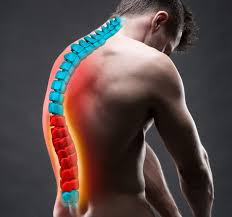
Kyphosis causes an excessive outward curve of the upper back, leading to a rounded or hunched posture often referred to as a “hunchback.” It pushes the thoracic spine forward and outward.
Lordosis is characterized by an excessive inward curve of the lower back or neck, causing a swayback posture. This makes the buttocks appear more prominent, and the abdomen may protrude.
Summary Table: Visual Differences
Feature
Kyphosis
Lordosis
Spinal Curve Direction
Outward (posterior convexity)
Inward (anterior concavity)
Typical Location
Thoracic spine (upper back)
Lumbar spine (lower back) & cervical spine (neck)
Posture Appearance
Rounded upper back (“hunchback”)
Swayback with prominent buttocks and abdomen
Common Nickname
“Hunchback”
“Swayback”
Differences in Location on the Spine
Kyphosis affects the thoracic spine — the middle and upper part of the back. This area naturally has a mild outward curve, but kyphosis is an exaggeration of this.
Lordosis primarily affects the lumbar spine (lower back) but can also affect the cervical spine (neck). Both areas naturally curve inward but can become abnormally curved with lordosis.
This distinction is important because the spinal region involved determines the symptoms, risk factors, and treatment approaches.
Symptom Comparison Table
Symptom
Kyphosis
Lordosis
Rounded upper back
Yes
No
Swayback posture
No
Yes
Back pain
Common, especially in upper back
Common, especially in lower back
Muscle stiffness
Upper back tightness
Lower back or neck tightness
Fatigue after standing
Possible
Possible
Breathing difficulties
Possible in severe kyphosis
Rare
Prominent abdomen/buttocks
No
Yes
Functional Impact Differences
Kyphosis can impair breathing and lung function when severe because the chest cavity is compressed. It may also cause chronic upper back pain and fatigue.
Lordosis primarily affects balance and spinal load distribution. Excessive lordosis can increase pressure on the lower back discs and joints, leading to pain and risk of degenerative changes.
Expert Insight
“Differentiating between kyphosis and lordosis is critical for proper management. While both affect spinal alignment, their anatomical locations and biomechanical consequences differ significantly.” — Spine Health, a division of the Cleveland Clinic(source)
FAQs for Answer Engine Optimization (AEO)
Q: Can someone have both kyphosis and lordosis? A: Yes. It is possible to have abnormal curvatures in multiple regions of the spine simultaneously, especially with certain spinal disorders.
Q: Which condition is more painful, kyphosis or lordosis? A: Pain varies by severity and individual. Kyphosis may cause upper back and breathing-related discomfort, while lordosis often causes lower back or neck pain.
Q: How do doctors determine if it’s kyphosis or lordosis? A: Physical examination combined with imaging (X-rays) helps doctors identify the curve’s location and direction.
Diagnosis: How Are Kyphosis and Lordosis Identified?
Diagnosing kyphosis vs lordosis accurately is essential for developing an effective treatment plan. Both conditions involve abnormal spinal curvatures, but their diagnosis requires careful clinical evaluation and imaging tests to assess the severity, cause, and potential complications.
Clinical Examination
The initial diagnosis of kyphosis or lordosis usually starts with a thorough physical exam by a healthcare provider, often an orthopedic specialist or a physical therapist.
What the doctor looks for:
Visual posture assessment: Observing the spine’s curvature from the side
Range of motion tests: Checking flexibility and movement in the spine and adjacent muscles
Pain evaluation: Identifying areas of tenderness or stiffness
Neurological exam: Testing for any nerve-related symptoms like numbness or weakness
Doctors may ask the patient to bend forward or backward to see if the curvature changes, which helps distinguish between structural and postural causes.
Imaging Tests
To confirm the diagnosis and measure the degree of curvature, imaging studies are essential.
Common Imaging Methods Include:
Imaging Type
Purpose
Notes
X-ray
Gold standard to visualize spinal curvature angles
Measures Cobb angle to quantify curvature
MRI (Magnetic Resonance Imaging)
Evaluates soft tissues, discs, nerves
Useful if nerve compression or other spinal pathology suspected
CT Scan (Computed Tomography)
Detailed bone imaging
Used when more detailed vertebrae structure needed
The Cobb angle is a critical measurement used on X-rays to quantify curvature severity:
For kyphosis, a Cobb angle greater than 50 degrees indicates abnormal curvature.
For lordosis, lumbar curvature beyond 40-60 degrees (varies by source) may be classified as hyperlordosis.
Differential Diagnosis
Healthcare providers also rule out other conditions that can mimic or contribute to kyphosis and lordosis, such as:
Scoliosis: Sideways spinal curvature
Osteoporosis: Leading to vertebral fractures and deformity
Spinal tumors or infections
Muscle imbalances or nerve disorders
When to See a Doctor
It’s important to consult a healthcare professional if you notice:
Visible abnormal spinal curvature or posture changes
Persistent back or neck pain
Muscle weakness or numbness
Difficulty breathing (in severe kyphosis)
Problems with balance or mobility
Early diagnosis improves treatment outcomes significantly.
National Institute of Arthritis and Musculoskeletal and Skin Diseases (NIAMS) explains the importance of imaging in spine disorders: NIAMS Spine Imaging
Q: What is the Cobb angle for diagnosing kyphosis? A: A Cobb angle greater than 50 degrees on a lateral X-ray typically defines kyphosis.
Q: Are X-rays safe for diagnosing spinal curvature? A: Yes, when done properly, X-rays use low radiation and are standard for assessing spinal alignment.
Q: Can physical therapy help in diagnosis? A: Physical therapists can perform functional assessments that help identify postural problems linked to kyphosis or lordosis.
Treatment Options for Kyphosis and Lordosis
Once diagnosed, the treatment of kyphosis vs lordosis depends on the severity of the curve, underlying cause, symptoms, and patient age. Treatments range from conservative approaches like physical therapy to surgical interventions in severe cases.
Conservative Treatments
For many patients, especially those with mild to moderate curvature, non-surgical treatments effectively reduce symptoms and improve posture.
Physical Therapy and Exercises
Physical therapy is often the first line of treatment for both kyphosis and lordosis. Therapy focuses on:
Strengthening weak muscles, particularly the core and back muscles
Stretching tight muscles such as hip flexors (in lordosis) or chest muscles (in kyphosis)
Posture correction techniques to improve spinal alignment
Pain management strategies like heat, ice, and modalities
Studies show that targeted exercise programs improve curvature, reduce pain, and enhance quality of life. (source: Spine Journal)
Bracing
Bracing is mainly used for adolescents with Scheuermann’s kyphosis or growing children with severe lordosis to prevent curve progression.
Kyphosis braces support the upper back, helping to gradually correct the rounded posture.
Lordosis braces help stabilize the lumbar spine and pelvis.
Effectiveness depends on patient compliance and the type of spinal deformity.
Medical Treatments
Pain Medications: Over-the-counter pain relievers like NSAIDs (ibuprofen) can reduce inflammation and pain.
Osteoporosis Treatment: In kyphosis caused by vertebral fractures, treating osteoporosis is critical to prevent worsening.
Weight Management: Reducing excess body weight can alleviate lumbar lordosis symptoms.
Surgical Treatment
Surgery is typically reserved for severe cases where curvature causes:
Significant pain unrelieved by conservative methods
Progressive deformity affecting breathing or neurological function
Failure of bracing or physical therapy
Common Procedures:
Spinal Fusion: Fusing vertebrae to stop curve progression
Osteotomy: Removing part of vertebrae to realign the spine
Decompression Surgery: Relieves pressure on nerves if present
Regular low-impact exercises such as walking, swimming, or yoga
Ergonomic adjustments at work and home
Avoiding prolonged sitting or heavy lifting
These habits support spinal health and prevent worsening of curvature.
FAQs for Answer Engine Optimization (AEO)
Q: Can exercises cure kyphosis or lordosis? A: Exercises can significantly improve posture and reduce symptoms, especially in mild to moderate cases, but may not “cure” severe structural deformities.
Q: When is surgery necessary for spinal curvature? A: Surgery is recommended for severe curvature causing pain, neurological issues, or breathing problems that don’t improve with conservative treatments.
Q: Are braces effective for adults? A: Bracing is most effective in children and adolescents; its use in adults is limited and often less beneficial.
Preventing the development or progression of kyphosis vs lordosis involves adopting healthy lifestyle habits, strengthening key muscles, and practicing proper posture. While some structural causes cannot be prevented, many risk factors are modifiable.
Maintain Good Posture
Poor posture is a leading contributor to both kyphosis and lordosis. To prevent abnormal spinal curvature:
Sit and stand upright: Keep ears aligned with shoulders and avoid slouching.
Use ergonomic chairs that support the natural curve of the spine.
Avoid prolonged periods of sitting or standing without breaks.
Consistently practicing good posture reduces strain on spinal muscles and ligaments.
Strengthen Core and Back Muscles
Strong core and back muscles support proper spinal alignment and reduce the risk of excessive curvature.
Key exercises include:
Planks: Build core stability
Bridges: Strengthen lower back and glute muscles
Thoracic extensions: Improve upper back mobility
Hip flexor stretches: Help prevent lumbar lordosis caused by tight hip muscles
Regular strength training tailored by a physical therapist can help maintain spinal health.
Maintain Healthy Weight
Excess abdominal weight increases stress on the lumbar spine, promoting lordosis.
Following a balanced diet and regular exercise can help maintain a healthy weight.
Losing weight reduces lower back strain and can improve lordotic posture.
Ergonomic Adjustments
Making adjustments in your environment reduces spine stress:
Use a chair with lumbar support at work.
Position computer screens at eye level.
Use supportive footwear.
Sleep on a mattress that supports natural spinal curves.
Avoid High-Risk Activities
Certain activities increase the risk of spinal injuries or poor posture:
Heavy lifting with poor form
Prolonged smartphone or tablet use with a forward head posture (“tech neck”)
Carrying heavy backpacks incorrectly, especially in children
Regular Check-ups
Especially for children and adolescents, regular medical evaluations can detect early signs of spinal curvature and enable early intervention.
FAQs for Answer Engine Optimization (AEO)
Q: Can lifestyle changes prevent kyphosis? A: Yes. Maintaining good posture, strong muscles, and healthy weight can reduce risk and slow progression.
Q: How important is core strength in preventing lordosis? A: Core strength is crucial as it stabilizes the pelvis and lower back, preventing excessive curvature.
Q: Are ergonomic chairs effective for spinal health? A: Ergonomic chairs support natural spinal curves and help maintain good posture, reducing spinal strain.
H2: Frequently Asked Questions About Kyphosis vs Lordosis
Q1: What is the main difference between kyphosis and lordosis?
A: Kyphosis is an excessive outward (forward) curvature of the thoracic spine, causing a hunched upper back. Lordosis is an excessive inward curve, usually of the lumbar spine, causing a swayback posture.
Q2: Can kyphosis or lordosis cause pain?
A: Yes. Both conditions can cause back pain, muscle stiffness, and fatigue. Kyphosis may also affect breathing in severe cases.
Q3: Are kyphosis and lordosis reversible?
A: Mild to moderate cases can improve with physical therapy, exercises, and lifestyle changes. Severe structural deformities may require bracing or surgery.
Q4: How are kyphosis and lordosis diagnosed?
A: Diagnosis involves physical examination and imaging tests like X-rays to measure spinal curvature angles.
Q5: Can poor posture cause kyphosis or lordosis?
A: Poor posture can contribute to postural kyphosis or lordosis but is not the only cause. Structural issues and medical conditions also play a role.
Q6: Is surgery common for kyphosis or lordosis?
A: Surgery is usually reserved for severe cases with significant symptoms or progression unresponsive to conservative treatments.
H2: Conclusion
Understanding the differences between kyphosis vs lordosis is crucial for identifying symptoms, seeking appropriate diagnosis, and choosing the right treatment path. While both conditions involve abnormal spinal curves, their location, appearance, and impact on the body vary significantly.
Mild cases often respond well to conservative treatments such as physical therapy, exercise, and posture correction. In contrast, severe cases may require bracing or surgery. Prevention through good posture, muscle strengthening, and lifestyle habits plays a key role in reducing risk and maintaining spinal health.
If you or someone you know is experiencing signs of abnormal spinal curvature, early consultation with a healthcare professional can improve outcomes and quality of life. Remember, a healthy spine supports a healthy life.
Sickle cell anemia is one of the most common inherited blood disorders in the world, yet it remains widely misunderstood. Millions of people are affected globally, and many still have questions about what is true or false regarding its symptoms, causes, complications, and treatment. If you’ve ever asked, “Which of the following is true about sickle cell anemia?” — you’re in the right place.
This guide offers a comprehensive, clear, and easy-to-understand overview of the condition, based on scientific evidence, clinical studies, and insights from global health organizations. It is written to help patients, caregivers, students, and health professionals alike make sense of the facts and misinformation surrounding this condition.
Let’s begin by laying the foundation.
What Is Sickle Cell Anemia?
Sickle cell anemia is a genetic blood disorder that affects the shape and function of red blood cells. In people with this condition, red blood cells — which are normally round and flexible — become rigid and shaped like a crescent or “sickle”. These abnormal cells can’t move through blood vessels easily and tend to stick together, blocking blood flow and reducing oxygen delivery to the body’s tissues.
At the root of this disease is a mutation in the HBB gene, which provides instructions for making hemoglobin — the protein in red blood cells that carries oxygen. The mutated form, known as hemoglobin S, causes red blood cells to form the sickle shape.
Key Facts:
Feature
Normal Red Blood Cells
Sickle Cell Red Blood Cells
Shape
Round and disc-like
Crescent or sickle-shaped
Flexibility
Soft and flexible
Rigid and sticky
Lifespan
~120 days
~10–20 days
Oxygen Delivery
Efficient
Impaired
Risk of Clumping
Low
High (blocks blood flow)
Types of Sickle Cell Disease:
Sickle cell anemia is the most severe form of sickle cell disease (SCD). Here’s a breakdown:
Sickle Cell Anemia (HbSS): Inherits two sickle cell genes (one from each parent). This is the most common and severe type.
Sickle Hemoglobin-C Disease (HbSC): Inherits one sickle cell gene and one gene for hemoglobin C. Milder than HbSS but still serious.
Sickle Beta-Thalassemia (HbSβ+ or HbSβ0): Inherits one sickle gene and one beta-thalassemia gene. Severity varies.
Note: The term “sickle cell anemia” typically refers specifically to HbSS, the most severe and well-known variant of SCD.
Why the Name “Sickle Cell”?
The name comes from the distinct sickle-like shape that red blood cells take on under low oxygen conditions. This shape causes them to clump and break apart easily — leading to a shortened lifespan of the cells and a constant shortage of red blood cells, known as anemia.
Real-World Insight:
“I didn’t know I had sickle cell anemia until I had a crisis at age 16. After that, I started learning more about my body, triggers, and how to manage the pain.” — Mariah D., Sickle Cell Advocate
Why It’s Important to Understand the Basics
Many people confuse sickle cell anemia with other types of anemia or even assume it’s contagious — which it is not. A firm understanding of what it is, how it works, and who it affects lays the groundwork for answering the broader question: Which of the following is true about sickle cell anemia?
FAQs (Answer Engine Optimization)
Q: Is sickle cell anemia the same as iron-deficiency anemia? A: No. Sickle cell anemia is a genetic disorder caused by a mutation in the hemoglobin gene. Iron-deficiency anemia is caused by a lack of iron in the diet or from blood loss.
Q: Can sickle cell anemia be outgrown? A: No. It is a lifelong inherited condition, though symptoms can be managed with treatment.
Q: Is sickle cell anemia contagious? A: No. It is inherited from parents and cannot be spread from person to person.
Which of the Following Is True About Sickle Cell Anemia?
When researching sickle cell anemia, many people encounter conflicting or outdated information. To clear up confusion, this section breaks down commonly asked true/false statements about the condition, based on current medical consensus and research from trusted sources like the Centers for Disease Control and Prevention (CDC), the World Health Organization (WHO), and the National Heart, Lung, and Blood Institute (NHLBI).
True or False? Common Statements About Sickle Cell Anemia
Statement
Answer
Explanation
Sickle cell anemia is inherited from both parents.
True
A person must inherit two copies of the sickle cell gene (HbS) — one from each parent — to have sickle cell anemia. This is called autosomal recessive inheritance. [CDC]
It only affects people of African descent.
False
While it is most common among people of African ancestry, sickle cell disease also affects people from Mediterranean, Middle Eastern, South Asian, and Hispanic backgrounds. [WHO]
Sickle cell anemia affects the shape of red blood cells.
True
The hallmark of the disease is the abnormal, sickle-shaped red blood cells that are rigid and prone to clumping. [NHLBI]
Sickle cell anemia can be cured with antibiotics.
False
Antibiotics are used to prevent infections, not cure the disease. There is currently no universal cure, though bone marrow transplants and gene therapy show promise. [NIH]
People with sickle cell anemia are always in pain.
False
Pain episodes (crises) vary in frequency and severity. Some people may have regular pain; others may go long periods without symptoms. [Mayo Clinic]
People with sickle cell trait have the disease.
False
Sickle cell trait means a person carries one sickle cell gene but usually does not show symptoms. However, they can pass the gene to their children. [CDC]
Sickle cell anemia can cause serious health complications.
True
The disease can lead to organ damage, stroke, lung problems, infections, and shortened lifespan if not managed properly. [NHLBI]
In-Depth Look: Inheritance Pattern
Sickle cell anemia is passed down in a recessive genetic pattern. Here’s how it works:
Parent 1
Parent 2
Child’s Possible Genotype
Risk
HbA (normal)
HbS (sickle cell)
HbAS (sickle cell trait)
0% sickle cell anemia
HbS
HbS
HbSS (sickle cell anemia)
100% risk
HbS
HbA
50% HbAS (trait), 50% HbAA (normal)
0% anemia, 50% trait
Understanding this genetic mechanism is essential for family planning and awareness — especially in regions where sickle cell disease is more prevalent.
Expert Quote
“We know more about sickle cell disease than ever before, but we still need increased awareness, early detection, and equitable access to care to improve lives.” — Dr. Alexis Thompson, Chief of Hematology, Children’s Hospital of Philadelphia
FAQs (Answer Engine Optimization)
Q: Can someone with sickle cell trait develop the disease later in life? A: No. Sickle cell trait is a carrier state. It does not develop into sickle cell anemia, but it can be passed on to children.
Q: Is it true that sickle cell anemia is more deadly in children? A: Without early detection and care, children are at higher risk of fatal infections and complications. However, with newborn screening and proper management, survival has greatly improved. [WHO].
Q: Do all people with sickle cell anemia have the same symptoms? A: No. Symptoms vary widely. Some may have frequent pain and complications; others live relatively normal lives with fewer symptoms.
What Causes Sickle Cell Anemia?
Sickle cell anemia is not caused by a virus, bacteria, or lifestyle — it is a genetic disorder passed down through families. The root cause lies in a mutation in the HBB gene, which is responsible for producing hemoglobin — the protein in red blood cells that carries oxygen throughout the body.
When both copies of the HBB gene (one from each parent) carry the sickle cell mutation, the person develops sickle cell anemia (HbSS). If only one parent passes on the gene, the child has sickle cell trait (HbAS), which usually doesn’t cause symptoms but can be passed on to future generations.
Genetic Cause of Sickle Cell Anemia
Sickle cell anemia occurs due to a point mutation in the gene that tells the body how to make hemoglobin. This mutation results in the production of hemoglobin S (HbS) instead of the normal hemoglobin A (HbA).
In low-oxygen environments, HbS causes red blood cells to stiffen and form the classic crescent or sickle shape. These misshapen cells:
Clump together, blocking small blood vessels
Break apart easily, leading to chronic anemia
Fail to carry oxygen efficiently, causing fatigue and organ damage
Inheritance Explained:
Parent Genotype
Parent Genotype
Child’s Outcome
HbA + HbA (normal)
HbA + HbA
100% normal
HbA + HbS
HbA + HbS
50% chance trait, 0% anemia
HbS + HbS
HbS + HbS
100% chance of sickle cell anemia
According to the Centers for Disease Control and Prevention (CDC), a person needs to inherit two sickle cell genes to have sickle cell anemia. If only one gene is inherited, the person is a carrier — not affected by the disease itself, but capable of passing it on. [CDC]
Why Is Sickle Cell Anemia More Common in Some Regions?
Sickle cell anemia is most common in people with ancestry from areas where malaria is or was historically common, such as:
Sub-Saharan Africa
The Mediterranean (e.g., Greece, Italy)
The Middle East
India and parts of South Asia
Central and South America
This isn’t coincidental. Carriers of the sickle cell trait (HbAS) have some protection against malaria, a deadly parasitic disease spread by mosquitoes. This protective effect helped the mutated gene persist in populations in these regions — a concept known as balanced polymorphism.
Source: According to the World Health Organization, sickle cell disease is one of the most common genetic disorders globally, and more than 300,000 infants are born with it each year — most in sub-Saharan Africa. [WHO]
Testing for the Sickle Cell Gene
Modern genetic testing can detect whether someone carries the sickle cell gene — even before birth. Common methods include:
Newborn screening (routine in the U.S. and many other countries)
Prenatal testing via amniocentesis or chorionic villus sampling
Carrier screening for couples planning to have children
The American College of Obstetricians and Gynecologists (ACOG) recommends screening for sickle cell trait in individuals with high-risk ancestry. [ACOG]
FAQs (Answer Engine Optimization)
Q: Is sickle cell anemia inherited or acquired? A: It is inherited. A person must inherit the sickle cell gene from both parents to have sickle cell anemia.
Q: Can someone develop sickle cell anemia later in life? A: No. It is a congenital condition, meaning it is present from birth and not acquired later.
Q: Why does sickle cell anemia affect certain ethnic groups more? A: The sickle cell gene is more common in people from regions where malaria was historically present, as carrying one copy of the gene offers some protection against the disease.
What Are the Symptoms of Sickle Cell Anemia?
Understanding the symptoms of sickle cell anemia is essential for early diagnosis and effective management. Symptoms often appear in early childhood, but their severity and frequency can vary widely from person to person.
Sickle cell anemia is characterized by a range of symptoms caused by the abnormal sickle-shaped red blood cells blocking blood flow and reducing oxygen delivery to tissues.
Common Symptoms of Sickle Cell Anemia
Anemia Sickle cells break down prematurely, leading to a shortage of red blood cells. This causes fatigue, weakness, and paleness due to insufficient oxygen transport.
Episodes of Pain (Sickle Cell Crises) Painful episodes occur when sickled cells block blood flow. These crises can last hours to days and often affect the chest, abdomen, joints, and bones. Pain intensity ranges from mild to severe.
Swelling in Hands and Feet Blocked blood flow can cause painful swelling, especially in infants and young children.
Frequent Infections The spleen, which helps fight infection, may be damaged by sickled cells, making individuals more vulnerable to infections.
Delayed Growth and Puberty Anemia slows growth and development in children and teenagers.
Vision Problems Sickle cells can block tiny blood vessels in the eyes, causing damage to the retina.
Symptom Severity and Variability
Sickle cell anemia symptoms can be unpredictable. Some individuals experience frequent pain crises and complications, while others may live many years with milder symptoms.
Symptom
Frequency
Common Age of Onset
Impact
Anemia
Constant
Early infancy
Fatigue, delayed development
Pain crises
Intermittent
Childhood onward
Severe pain, hospitalizations
Swelling of extremities
Occasional
Infancy
Pain, discomfort
Frequent infections
Recurrent
Childhood
Increased illness risk
Vision problems
Variable
Adulthood
Possible vision loss
Scientific Insights
According to the National Heart, Lung, and Blood Institute (NHLBI), pain episodes can be triggered by dehydration, cold temperatures, stress, or infection. Managing triggers is a critical part of care. [NHLBI]
The Mayo Clinic notes that sickle cell anemia symptoms may intensify during times of physical stress or illness, underscoring the importance of monitoring health carefully. [Mayo Clinic]
Case Study: Pain Crisis Management
In a 2020 study published in Blood Advances, researchers examined the efficacy of early pain intervention in children with sickle cell anemia. The study found that prompt treatment with hydration, oxygen, and pain medication reduced hospital stays and improved recovery outcomes. [Blood Advances]
FAQs (Answer Engine Optimization)
Q: What is a sickle cell crisis? A: It’s a painful episode caused by sickled red blood cells blocking blood flow. These crises can vary in duration and intensity.
Q: Why do people with sickle cell anemia get frequent infections? A: The spleen is often damaged by sickled cells, reducing its ability to fight infections.
Q: Can sickle cell anemia cause organ damage? A: Yes, repeated blockages and reduced oxygen can damage organs like the kidneys, lungs, and brain.
How Is Sickle Cell Anemia Diagnosed?
Early and accurate diagnosis of sickle cell anemia is critical for effective management and preventing complications. Thanks to advances in medical screening and genetic testing, healthcare providers can identify sickle cell disease soon after birth or even before birth.
Newborn Screening
In many countries, including the United States, newborn screening for sickle cell anemia is a routine part of post-birth care. This screening helps detect the presence of abnormal hemoglobin variants such as hemoglobin S.
A small blood sample is taken from the newborn’s heel.
The blood is analyzed using techniques like hemoglobin electrophoresis or high-performance liquid chromatography (HPLC).
If abnormal hemoglobin is detected, further confirmatory testing follows.
Early diagnosis through newborn screening allows prompt interventions such as vaccinations and prophylactic antibiotics to prevent infections. According to the Centers for Disease Control and Prevention (CDC), newborn screening has dramatically reduced childhood mortality from sickle cell anemia. [CDC]
Genetic Testing
Genetic testing can determine whether an individual carries the sickle cell gene or has sickle cell anemia. This is useful for:
Confirming diagnosis in symptomatic individuals.
Carrier screening for prospective parents.
Prenatal diagnosis through techniques such as chorionic villus sampling or amniocentesis.
The American Society of Hematology (ASH) recommends genetic counseling for individuals at risk to understand inheritance patterns and reproductive options. [ASH]
Blood Tests
Other blood tests used in diagnosis and monitoring include:
Complete Blood Count (CBC): Detects anemia by measuring red blood cell counts and hemoglobin levels.
Reticulocyte Count: Measures young red blood cells to assess bone marrow response.
Peripheral Blood Smear: Microscopic examination shows the characteristic sickle-shaped cells.
These tests help evaluate disease severity and guide treatment plans.
When Should Testing Be Done?
Newborns: Universal screening recommended.
Children or Adults with Symptoms: If sickle cell anemia was not diagnosed at birth.
Carrier Testing: For individuals with family history or from high-prevalence ethnic groups.
Early diagnosis improves outcomes through timely preventive care, reducing risks of severe infections and complications.
FAQs (Answer Engine Optimization)
Q: Can sickle cell anemia be detected before birth? A: Yes, prenatal genetic testing can identify sickle cell anemia in the fetus.
Q: What does a blood smear show in sickle cell anemia? A: It shows abnormally shaped, sickle-shaped red blood cells under the microscope.
Q: Why is newborn screening important for sickle cell anemia? A: It enables early diagnosis and treatment, reducing serious complications and death in children. [CDC]
What Are the Treatment Options for Sickle Cell Anemia?
Sickle cell anemia is a lifelong condition without a universal cure, but advances in medical care have significantly improved patient outcomes. Treatments focus on managing symptoms, preventing complications, and improving quality of life.
Medications
Hydroxyurea This is the most commonly prescribed medication for sickle cell anemia. Hydroxyurea helps increase the production of fetal hemoglobin (HbF), which reduces the number of sickled cells and lowers the frequency of pain crises and acute chest syndrome.
According to the National Heart, Lung, and Blood Institute (NHLBI), hydroxyurea can reduce painful episodes by up to 50%. [NHLBI]
Pain Relievers Over-the-counter or prescription pain medications, including opioids, are used to manage pain crises. Treatment plans must balance effective pain relief with minimizing side effects.
Antibiotics and Vaccinations Prophylactic penicillin is prescribed to young children to prevent infections, especially from Streptococcus pneumoniae. Routine vaccinations are critical to reduce infection risks.
Blood Transfusions
Regular or episodic blood transfusions may be necessary to:
Treat severe anemia
Prevent stroke in children at high risk
Reduce the number of sickled cells
The American Society of Hematology (ASH) highlights that blood transfusions improve oxygen delivery but require careful monitoring to avoid iron overload. [ASH]
Curative Treatments
Bone Marrow (Stem Cell) Transplant Currently, the only established cure for sickle cell anemia is a bone marrow transplant from a compatible donor. This procedure replaces the patient’s defective stem cells with healthy ones.
Transplants carry risks and are not suitable for all patients.
According to the Mayo Clinic, success rates are highest in children with a matched sibling donor. [Mayo Clinic]
Gene Therapy (Emerging Treatment) Recent clinical trials show promise for gene-editing techniques that correct the sickle cell mutation or reactivate fetal hemoglobin production.
The National Institutes of Health (NIH) reports encouraging results but emphasizes the need for further research to confirm safety and long-term benefits. [NIH]
Avoiding Triggers: Managing stress, avoiding extreme temperatures, and preventing infections.
Regular Health Check-Ups: Monitoring organ function and managing complications early.
FAQs (Answer Engine Optimization)
Q: Is there a cure for sickle cell anemia? A: Bone marrow transplant is currently the only cure, but it’s not suitable for everyone. Gene therapy is an emerging option under investigation.
Q: What does hydroxyurea do in sickle cell anemia? A: It increases fetal hemoglobin, reducing sickled cells and pain crises.
Q: Why are blood transfusions used? A: To treat severe anemia and prevent complications like stroke by lowering sickled cell numbers.
What Complications Are Associated with Sickle Cell Anemia?
Sickle cell anemia can lead to serious, sometimes life-threatening complications because the sickled red blood cells block blood flow and reduce oxygen delivery throughout the body. Understanding these complications is key to managing the disease effectively.
Common Complications of Sickle Cell Anemia
Stroke Blockages in blood vessels supplying the brain can cause strokes, especially in children. According to the American Stroke Association, children with sickle cell anemia are at a much higher risk for stroke compared to the general population. [Stroke Association]
Acute Chest Syndrome This serious lung condition occurs when sickled cells block blood vessels in the lungs, leading to chest pain, fever, and difficulty breathing. It is a leading cause of hospitalization and death in sickle cell patients. [NHLBI]
Organ Damage Repeated blockages and low oxygen supply can damage organs such as kidneys, liver, heart, and spleen over time. For example, spleen damage increases infection risk, while kidney problems can cause chronic kidney disease.
Vision Loss Sickle cell can affect tiny blood vessels in the eyes (retinopathy), potentially causing vision problems or blindness. [American Academy of Ophthalmology]
Priapism Men with sickle cell anemia may experience painful, prolonged erections due to blocked blood flow, which can lead to permanent damage if untreated.
Leg Ulcers Chronic poor circulation may cause painful sores or ulcers on the legs.
Impact on Quality of Life
These complications cause frequent hospitalizations, chronic pain, and disability, profoundly affecting education, employment, and mental health. The Sickle Cell Disease Association of America (SCDAA) emphasizes the importance of comprehensive care and psychosocial support to improve outcomes. [SCDAA]
Complications Overview Table
Complication
Description
Risk Factors
Management Strategies
Stroke
Brain blood vessel blockage
Childhood, severe anemia
Transfusions, screening
Acute Chest Syndrome
Lung blood vessel blockage
Infection, pain crisis
Hospitalization, oxygen, antibiotics
Organ Damage
Damage to kidneys, liver, spleen
Chronic sickling
Monitoring, supportive care
Vision Loss
Retinal blood vessel damage
Long-term disease
Regular eye exams, treatment
Priapism
Painful prolonged erections
Male patients
Emergency treatment
Leg Ulcers
Poor circulation sores
Chronic vascular damage
Wound care, circulation support
FAQs (Answer Engine Optimization)
Q: What serious health problems can sickle cell anemia cause? A: It can cause stroke, acute chest syndrome, organ damage, vision loss, and more.
Q: How can stroke risk be reduced in sickle cell patients? A: Regular blood transfusions and screening for abnormal blood flow reduce stroke risk.
Q: Why do people with sickle cell anemia get infections easily? A: Damage to the spleen reduces the body’s ability to fight infections.
How Can Sickle Cell Anemia Be Prevented?
While sickle cell anemia is a genetic condition that cannot be completely prevented, there are important steps that individuals and families can take to reduce the risk of passing it on and to minimize complications.
Genetic Counseling and Carrier Screening
Since sickle cell anemia is inherited in an autosomal recessive pattern, prevention begins with understanding genetic risk.
Carrier Screening: Individuals, especially those of African, Mediterranean, Middle Eastern, or Indian ancestry (where the sickle cell trait is more common), can undergo blood tests to determine if they carry the sickle cell gene.
Knowing carrier status helps prospective parents understand the risk of having a child with sickle cell anemia.
Genetic Counseling: Genetic counselors provide education about inheritance patterns and reproductive options such as in vitro fertilization with preimplantation genetic diagnosis (PGD) to select embryos without the sickle cell gene. The Centers for Disease Control and Prevention (CDC) highlights the importance of early counseling to support informed family planning decisions. [CDC]
Prenatal Testing
Pregnant women with a known risk or carrier status may opt for prenatal genetic testing through:
Chorionic villus sampling (CVS)
Amniocentesis
This helps detect if the fetus has sickle cell anemia. Families can prepare for early care or make informed decisions.
Preventing Complications Through Early Care
For children diagnosed with sickle cell anemia:
Newborn Screening: Enables early diagnosis and immediate preventive care.
Vaccinations: Protect against infections that can trigger crises.
Prophylactic Antibiotics: Given in infancy to reduce infection risk.
Regular Health Monitoring: Early detection of complications improves outcomes.
The National Heart, Lung, and Blood Institute (NHLBI) provides comprehensive guidelines on preventive care for children and adults with sickle cell anemia. [NHLBI]
Lifestyle and Environmental Measures
Patients and families can reduce crisis frequency by:
Staying well hydrated
Avoiding extreme temperatures
Managing stress effectively
Promptly treating infections
These steps do not prevent sickle cell anemia but help lower the risk of severe complications.
FAQs (Answer Engine Optimization)
Q: Can sickle cell anemia be prevented? A: The disease itself cannot be prevented, but genetic counseling and screening can reduce the chance of passing it on.
Q: What is carrier screening for sickle cell? A: It is a blood test to check if a person carries the sickle cell gene.
Q: How does newborn screening help? A: It allows early diagnosis and preventive care to reduce serious complications.
Living with Sickle Cell Anemia: Management Tips and Support
Living with sickle cell anemia involves managing symptoms, preventing complications, and maintaining a good quality of life. Effective self-care, medical support, and emotional well-being are all crucial.
Daily Management Tips
Stay Hydrated: Drinking plenty of fluids helps prevent sickling of red blood cells and reduces pain crises.
Healthy Diet: A balanced diet rich in vitamins and minerals supports overall health and boosts the immune system.
Avoid Extreme Temperatures: Both cold and heat can trigger sickle cell crises, so dress appropriately and avoid prolonged exposure.
Manage Stress: Stress can worsen symptoms. Techniques like meditation, yoga, or counseling can help maintain emotional health.
Regular Exercise: Low-impact exercise supports circulation and wellbeing but avoid overexertion.
Routine Medical Care
Regular Check-Ups: Frequent visits to hematologists and primary care doctors help monitor disease progression.
Vaccinations: Stay up-to-date on all vaccines to reduce infection risk.
Pain Management Plan: Work with healthcare providers to develop a personalized plan for pain crises.
Screening for Complications: Regular eye exams, lung function tests, and stroke risk assessments are vital.
Support Networks and Resources
Support Groups: Connecting with others living with sickle cell provides emotional support and practical advice.
Mental Health Care: Chronic illness can take a psychological toll; professional counseling is often beneficial.
Educational Resources: Organizations like the Sickle Cell Disease Association of America (SCDAA) offer valuable information and advocacy. [SCDAA]
Technology and Advances
Emerging digital health tools, such as mobile apps for tracking symptoms and medication reminders, are improving disease management and patient engagement.
FAQs (Answer Engine Optimization)
Q: What lifestyle changes help manage sickle cell anemia? A: Staying hydrated, eating well, avoiding extreme temperatures, managing stress, and exercising moderately.
Q: Why is mental health support important? A: Chronic pain and illness can lead to depression and anxiety, so emotional support improves overall wellbeing.
Q: Are there resources for people with sickle cell anemia? A: Yes, organizations like SCDAA provide support, education, and advocacy.
Frequently Asked Questions About Sickle Cell Anemia
Q1: Which of the following is true about sickle cell anemia? A: Sickle cell anemia is a genetic blood disorder characterized by abnormally shaped red blood cells that can block blood flow and cause pain and organ damage.
Q2: Can sickle cell anemia be cured? A: Currently, bone marrow transplant is the only known cure, but it is suitable for a limited number of patients. Gene therapy is an emerging option still under research.
Q3: How is sickle cell anemia diagnosed? A: It is diagnosed through newborn screening, blood tests like hemoglobin electrophoresis, and genetic testing.
Q4: What are common complications of sickle cell anemia? A: Complications include stroke, acute chest syndrome, organ damage, infections, vision problems, and chronic pain.
Q5: Can sickle cell anemia be prevented? A: The disease itself cannot be prevented, but genetic counseling and carrier screening can help reduce the risk of passing it to children.
Q6: How can people with sickle cell anemia manage their condition? A: Through medications like hydroxyurea, blood transfusions, regular medical care, lifestyle adjustments, and emotional support.
Conclusion
Sickle cell anemia is a complex inherited blood disorder that significantly impacts the lives of millions worldwide. Understanding which of the following is true about sickle cell anemia—from its genetic roots to diagnosis, treatment options, complications, and prevention—is crucial for patients, families, and healthcare providers alike.
While there is no widespread cure yet, advances in medicine have made it possible to manage symptoms effectively, reduce complications, and improve quality of life. Early diagnosis through newborn screening and genetic counseling empowers families to make informed decisions. Treatments like hydroxyurea, blood transfusions, and potentially curative stem cell transplants offer hope.
Living with sickle cell anemia requires a comprehensive approach involving medical care, lifestyle management, and psychosocial support. Staying informed and connected with healthcare professionals and support networks is essential.
If you or a loved one is affected by sickle cell anemia, consult with specialists and trusted resources such as the CDC, NHLBI, and Sickle Cell Disease Association of America for up-to-date information and guidance.
High Authority External Links for Further Reading:
Corrective chin surgery is a specialized procedure designed to improve the appearance and function of the chin by addressing structural irregularities, asymmetry, or deformities. Many people seek corrective chin surgery not only for aesthetic reasons but also to correct issues that affect bite alignment, speech, or facial harmony.
The chin plays a vital role in defining the overall balance and profile of the face. A small or receding chin (also called microgenia), a protruding chin (macrogenia), or unevenness due to congenital conditions or trauma can impact self-confidence and sometimes even physical function. Corrective chin surgery offers a solution to reshape, reposition, or enhance the chin to achieve a more balanced and harmonious facial appearance.
This comprehensive guide will cover everything you need to know about corrective chin surgery — from the different types of procedures available, candidacy requirements, preparation, recovery, and expected results to common questions people have about this transformative surgery.
Why Consider Corrective Chin Surgery?
Facial Harmony: The chin is one of the three main focal points of the face, along with the nose and lips. A well-proportioned chin can significantly improve facial balance.
Functional Improvement: Some chin deformities contribute to bite problems or difficulties with speech and chewing. Surgery can help restore proper jaw function.
Boosted Confidence: Correcting chin irregularities can enhance self-esteem and reduce feelings of self-consciousness.
Long-lasting Results: Unlike fillers or temporary treatments, corrective chin surgery offers permanent reshaping through bone modification or implant placement.
Who Reads This Guide?
This guide is for anyone interested in learning more about corrective chin surgery, whether you’re considering the procedure yourself, researching options for a loved one, or simply curious about facial plastic surgery. It is also useful for patients seeking detailed, easy-to-understand information about the surgery’s benefits, risks, and recovery process.
Understanding Corrective Chin Surgery
What Is Corrective Chin Surgery?
Corrective chin surgery refers to surgical procedures aimed at improving the shape, size, and alignment of the chin to restore facial balance and correct functional problems. Unlike purely cosmetic chin enhancements, corrective surgery often addresses congenital deformities, trauma-related irregularities, or issues affecting bite and jaw alignment.
This surgery involves reshaping the bony structure of the chin through techniques such as genioplasty (cutting and repositioning the chin bone) or chin implant placement. The goal is to create a chin that complements the rest of the face both aesthetically and functionally.
Key points:
Corrective chin surgery is often combined with other procedures like jaw surgery (orthognathic surgery) for comprehensive facial correction.
It is different from temporary solutions like dermal fillers because it provides a permanent structural change.
Common Conditions Treated by Corrective Chin Surgery
Corrective chin surgery is used to address a variety of anatomical and aesthetic concerns, including:
Chin Asymmetry: Uneven chin shape or size caused by genetics or injury.
Receding Chin (Microgenia): A chin that appears too small or set back relative to the rest of the face, often affecting jaw alignment.
Protruding Chin (Macrogenia): An overly large or forward-positioned chin creating an unbalanced profile.
Congenital Defects: Such as cleft lip and palate deformities involving the lower jaw and chin.
Trauma-Induced Deformities: Chin fractures or injuries causing irregular bone healing or misalignment.
These conditions can affect both appearance and functions such as speech, chewing, and bite, making corrective chin surgery a functional and aesthetic treatment.
Who Is a Good Candidate for Corrective Chin Surgery?
Candidates for corrective chin surgery typically:
Have noticeable chin deformities or asymmetry impacting appearance or function.
Are in good overall health without conditions that impair healing.
Are non-smokers or willing to quit before and after surgery to reduce complications.
Have realistic expectations about surgical outcomes.
Are often adults with fully developed facial bones, though some younger patients may qualify in special cases.
Consulting a board-certified facial plastic surgeon or oral and maxillofacial surgeon is essential to determine candidacy. They will conduct a thorough evaluation including medical history, imaging (X-rays or CT scans), and discuss goals.
The American Academy of Facial Plastic and Reconstructive Surgery (AAFPRS) provides guidance on choosing the right candidate and surgeon: https://www.aafprs.org/
Summary Table: Corrective Chin Surgery Overview
Aspect
Details
Purpose
Reshape/reposition chin for balance, function, aesthetics
Common Conditions Treated
Asymmetry, microgenia, macrogenia, congenital or trauma defects
Candidate Requirements
Good health, realistic expectations, facial bone maturity
Surgical Techniques
Genioplasty, implants, osteotomy
Combined Procedures
Often paired with jaw surgery or rhinoplasty
Types of Corrective Chin Surgery Procedures
Corrective chin surgery encompasses several techniques, each tailored to the patient’s specific needs. Understanding the options helps you make informed decisions in consultation with your surgeon.
Chin Augmentation (Genioplasty)
Chin augmentation, also called sliding genioplasty or implant surgery, is the most common corrective chin procedure for patients with a receding or small chin.
Sliding Genioplasty: This involves surgically cutting the chin bone (mandibular symphysis) and sliding it forward or reshaping it to enhance projection and balance. It is ideal for patients seeking permanent structural change without implants.
Chin Implants: A synthetic implant made of silicone, porous polyethylene, or other biocompatible materials is placed over the existing bone to increase chin size and contour. Implants come in various shapes and sizes, allowing customized correction.
Benefits of Chin Augmentation:
Improves facial harmony by balancing the chin with the nose and lips.
Can correct both size and minor asymmetries.
Permanent and predictable results.
Recovery: Most patients experience swelling and some discomfort for 1-2 weeks, with full healing over several months.
Chin osteotomy is a surgical technique where the chin bone is cut and repositioned to correct severe asymmetry or alignment issues. It’s often part of a broader orthognathic surgery plan.
It addresses not just aesthetics but also functional problems such as bite malocclusion.
The bone segment is carefully moved and fixed in place using plates or screws.
This technique allows three-dimensional correction of the chin position.
Table: Comparison of Corrective Chin Surgery Types
Procedure
Purpose
Method
Ideal Candidate
Recovery Time
Chin Augmentation
Enhance small/receding chin
Implant or sliding genioplasty
Patients with microgenia
1-2 weeks (swelling)
Chin Reduction
Reduce large/protruding chin
Bone shaving or osteotomy
Patients with macrogenia
2-3 weeks (healing)
Chin Osteotomy
Reposition for asymmetry/functional issues
Bone cut and repositioned
Severe asymmetry or bite problems
2-4 weeks (healing)
These procedures offer tailored solutions depending on the patient’s anatomical needs and desired outcomes. A skilled surgeon will recommend the best option after a thorough evaluation.
Preparing for Corrective Chin Surgery
Proper preparation before undergoing corrective chin surgery is essential for ensuring a smooth procedure and optimal recovery. This stage involves medical evaluation, lifestyle adjustments, and clear communication with your surgical team.
Consultation and Evaluation
The first step in preparation is a thorough consultation with a qualified facial plastic surgeon or oral and maxillofacial surgeon. During this visit, the surgeon will:
Review your medical history and any previous facial surgeries or conditions.
Examine your facial structure, jaw alignment, and skin quality.
Take detailed photographs and imaging studies such as X-rays or CT scans to assess bone structure.
Discuss your goals and expectations for the surgery.
Explain the risks, benefits, and different surgical options available.
Develop a personalized surgical plan.
This consultation is vital for setting realistic expectations and ensuring that corrective chin surgery is the right choice for your needs.
To minimize risks and promote healing, patients must follow specific pre-operative instructions, including:
Stop smoking at least 4 weeks before surgery, as smoking impairs blood flow and delays healing.
Avoid blood-thinning medications (like aspirin or ibuprofen) and certain supplements (such as vitamin E and fish oil) that can increase bleeding risk, but only after consulting your doctor.
Maintain a healthy diet and stay well-hydrated to support your immune system.
Arrange for someone to drive you home after surgery and help during the initial recovery period.
Plan time off work and avoid strenuous activities for at least 2 weeks.
Follow any fasting or medication guidelines given for anesthesia.
Following these instructions reduces complications such as excessive bleeding, infection, or delayed wound healing.
Corrective chin surgery can have a profound impact on your appearance and self-confidence. Preparing mentally for the changes and recovery process is important:
Understand that swelling and bruising are normal and temporary.
Be patient with the healing timeline; final results may take several months.
Discuss any anxieties or concerns with your surgeon beforehand.
Consider support from friends, family, or counseling if needed.
Research shows that realistic expectations and psychological preparedness contribute to higher patient satisfaction after facial surgery. For insights on mental preparation, refer to the American Psychological Association (APA): https://www.apa.org/topics/health-surgery
Summary Checklist for Preparing for Corrective Chin Surgery
Preparation Step
Details
Consultation
Full medical and facial evaluation; surgical planning
Lifestyle Changes
Quit smoking; avoid blood thinners; healthy diet
Practical Planning
Arrange transportation and recovery support
Mental Readiness
Set realistic expectations; prepare for healing period
The Corrective Chin Surgery Procedure: Step by Step
Understanding the surgical process helps patients feel more confident and prepared. Here’s a detailed breakdown of what happens during corrective chin surgery.
Anesthesia Options
Corrective chin surgery typically requires anesthesia to ensure comfort and safety:
Local Anesthesia with Sedation: Numbs the chin area while keeping the patient relaxed and semi-conscious. Often used for less invasive implant placements.
General Anesthesia: The patient is fully unconscious, commonly used for more complex procedures like sliding genioplasty or osteotomy.
Your surgeon and anesthesiologist will determine the best anesthesia plan based on your procedure type, health status, and personal preference.
Intraoral Incision (Inside the Mouth): The most common approach, leaving no visible external scars. Surgeons access the chin bone through an incision inside the lower lip.
Submental Incision (Under the Chin): Used occasionally, especially for implant placement or when greater access is needed. The scar is hidden under the chin and typically fades over time.
Bone Reshaping or Repositioning
For sliding genioplasty or osteotomy, the surgeon makes precise cuts in the chin bone using specialized tools.
The bone segment is repositioned forward, backward, or sideways depending on the correction needed.
Titanium plates and screws fix the bone securely in place to promote proper healing.
Implant Placement
When using implants, the surgeon creates a pocket over the chin bone and inserts the chosen implant.
Implants are secured to prevent shifting and ensure natural contours.
The procedure usually lasts 1 to 3 hours, depending on complexity and whether combined with other surgeries.
Corrective chin surgery is typically an outpatient procedure, allowing patients to return home the same day.
In rare cases, or when combined with extensive jaw surgery, an overnight hospital stay may be required.
Intraoperative and Postoperative Monitoring
During surgery, the medical team monitors vital signs continuously. After surgery, patients are observed for any immediate complications before discharge.
Table: Corrective Chin Surgery Procedure Overview
Step
Description
Duration/Notes
Anesthesia
Local with sedation or general anesthesia
15-30 minutes
Incision
Inside mouth or under chin
Minimal visible scarring
Bone Reshaping/Reposition
Osteotomy or sliding genioplasty
1-3 hours total surgery time
Implant Placement
Silicone or biocompatible implant insertion
If applicable
Fixation
Plates and screws to secure bone
Permanent
Recovery Room
Monitoring post-surgery
1-2 hours
Hospital Stay
Usually outpatient
Same day discharge typical
Recovery After Corrective Chin Surgery
Recovering from corrective chin surgery involves a gradual healing process that requires care and patience. Understanding what to expect can help you manage your recovery effectively and achieve the best results.
Immediate Postoperative Care
Swelling and Bruising: Expect significant swelling and some bruising around the chin, jaw, and sometimes the neck area. Swelling usually peaks within 48-72 hours and gradually subsides over 2-3 weeks.
Pain Management: Mild to moderate discomfort is common and can be controlled with prescribed pain medications. Over-the-counter options may be sufficient in later stages.
Diet: Initially, a soft or liquid diet is recommended to avoid stressing the jaw and incision areas. Gradually, patients can return to normal foods as healing progresses.
Oral Hygiene: Maintaining good oral hygiene is crucial, especially if incisions were made inside the mouth. Surgeons typically recommend gentle rinses with antiseptic mouthwash and careful brushing.
Activity Restrictions: Physical exertion, heavy lifting, and strenuous exercise should be avoided for at least 2-3 weeks. Sleeping with your head elevated can help reduce swelling.
Timeline for Recovery Milestones
Timeframe
Recovery Milestone
First 48-72 hours
Peak swelling and bruising
1 Week
Significant reduction in swelling
2 Weeks
Most discomfort resolves; sutures may be removed
4-6 Weeks
Return to normal activities; residual swelling fades
3-6 Months
Final results become visible as bone heals completely
Potential Complications to Watch For
While complications are rare with experienced surgeons, be aware of:
Infection
Implant displacement (if applicable)
Nerve numbness or altered sensation (usually temporary)
Always contact your surgeon promptly if you experience excessive pain, fever, or unusual swelling.
Tips for a Smooth Recovery
Follow all postoperative instructions carefully.
Attend all follow-up appointments to monitor healing.
Avoid smoking and alcohol, as they impair recovery.
Stay hydrated and eat nutritious foods to support tissue repair.
Patient Experience and Case Studies
A 2020 study published in the Journal of Oral and Maxillofacial Surgery found that patients undergoing genioplasty reported high satisfaction rates with improved facial aesthetics and function, with minimal complications when proper postoperative care was followed. (source)
Expected Results and Long-Term Outcomes of Corrective Chin Surgery
Corrective chin surgery aims to deliver both aesthetic enhancement and functional improvement, resulting in a more balanced facial profile and, often, better jaw alignment. Understanding what to expect long-term helps patients appreciate the benefits and maintain their results.
What Results Can You Expect?
Improved Facial Harmony: The chin will better complement other facial features like the nose, lips, and jawline, enhancing overall facial balance.
Permanent Structural Changes: Unlike fillers or temporary treatments, corrective chin surgery provides lasting changes to bone structure.
Enhanced Self-Confidence: Many patients report improved self-esteem and satisfaction with their appearance post-surgery.
Functional Benefits: If surgery corrects bite or alignment issues, you may experience improved chewing, speaking, and reduced jaw pain.
How Long Do Results Last?
Results from corrective chin surgery are generally permanent because bone is reshaped or repositioned.
Minor changes may occur naturally with aging, but the surgical corrections remain stable.
Implants, when used, are designed to last for many years; however, implant longevity depends on material and patient factors. Rarely, implants may need replacement or removal due to complications.
Maintenance and Follow-Up
Regular follow-up with your surgeon ensures early detection of any issues.
Maintaining good oral hygiene and avoiding trauma to the face help preserve results.
In rare cases, revision surgery might be needed if asymmetry develops or for aesthetic refinements.
Case Studies and Research on Long-Term Outcomes
A study published in the International Journal of Oral and Maxillofacial Surgery tracked patients 5 years post-genioplasty and found stable bone positioning with high patient satisfaction and low complication rates. (source)
Similarly, the American Journal of Orthodontics and Dentofacial Orthopedics highlights functional improvements in patients undergoing combined chin and jaw corrective surgeries, reinforcing the dual benefits of these procedures. (source)
Table: Summary of Expected Outcomes
Outcome
Details
Aesthetic Improvement
Enhanced chin projection and facial balance
Functional Enhancement
Improved bite, speech, and chewing (if indicated)
Permanency
Long-lasting changes to bone structure
Patient Satisfaction
High satisfaction reported in clinical studies
Potential for Revision Surgery
Low incidence but possible for aesthetic or functional tweaks
Frequently Asked Questions About Corrective Chin Surgery
1. What is corrective chin surgery?
Corrective chin surgery, also known as genioplasty or chin augmentation/reduction, is a surgical procedure to reshape or reposition the chin to improve facial balance, correct deformities, or address functional issues. It can involve bone cutting, repositioning, or implant placement.
Learn more: American Society of Plastic Surgeons – Chin Augmentation
2. How long does corrective chin surgery take?
The surgery typically lasts between 1 to 3 hours depending on the complexity and whether other facial procedures are performed simultaneously.
3. What is the recovery time after corrective chin surgery?
Most patients experience swelling and bruising for 1 to 2 weeks. Full recovery, including bone healing and final results, can take up to 3 to 6 months.
Risks include infection, bleeding, nerve numbness, implant displacement, and dissatisfaction with aesthetic results. These are rare with experienced surgeons and proper postoperative care.
Most corrective chin surgeries use an intraoral incision inside the mouth, leaving no visible external scars. Occasionally, a small scar under the chin may be present but typically fades over time.
Source: American Academy of Facial Plastic and Reconstructive Surgery – Chin Surgery FAQs
6. How long do the results of corrective chin surgery last?
Results are generally permanent because the bone is reshaped or repositioned. Implants are durable but may require replacement in rare cases.
Read more: International Journal of Oral and Maxillofacial Surgery – Long-Term Outcomes
7. Can corrective chin surgery fix bite or jaw alignment problems?
Yes. When combined with orthognathic surgery, corrective chin surgery can improve bite alignment and jaw function.
Reference: American Association of Oral and Maxillofacial Surgeons – Orthognathic Surgery
8. What should I expect during the surgical consultation?
Your surgeon will review your medical history, assess your facial structure, take imaging, discuss your goals, and create a customized surgical plan.
10. How do I choose the right surgeon for corrective chin surgery?
Choose a board-certified facial plastic or oral and maxillofacial surgeon with extensive experience in chin procedures. Review before-and-after photos and patient testimonials.
Find certified surgeons: American Board of Facial Plastic and Reconstructive Surgery – Find a Surgeon
Conclusion: Is Corrective Chin Surgery Right for You?
Corrective chin surgery offers a powerful solution to enhance your facial profile, improve jaw function, and boost self-confidence. Whether you’re seeking to correct congenital issues, injuries, or aesthetic imbalances, understanding the procedure, preparation, recovery, and expected results is essential.
By consulting with a qualified surgeon and following all pre- and post-operative guidelines, you can achieve long-lasting, natural-looking outcomes. Remember, success depends not only on the surgical technique but also on realistic expectations and proper care.
If you’re considering corrective chin surgery, start with a thorough evaluation and personalized treatment plan. This procedure can transform your appearance and quality of life when done safely and expertly.
Crafting SEO-optimized meta title and meta description
Suggestions for internal linking strategies
Guidance on image alt text for SEO
Creating structured data markup for FAQ
Or any other part of your SEO blog content strategy
Internal Linking and Image Optimization for Corrective Chin Surgery Content
Optimizing your blog post doesn’t stop at writing. To boost SEO and user experience, it’s important to apply smart internal linking and image optimization techniques.
Why Internal Linking Matters
Improves Website Navigation: Helps visitors easily find related content, keeping them engaged longer.
Distributes Page Authority: Spreads ranking power across your site, boosting SEO performance for related posts.
Contextual Relevance: Creates semantic connections, helping search engines understand your site structure.
Example Internal Links:
Link to related blog posts such as “Facial Reconstructive Surgery Options” or “Jaw Surgery vs. Chin Surgery: What’s the Difference?”
Link to pages about pre-surgical preparation or post-op care guides.
Implementing internal linking with well-optimized images improves user engagement metrics like session duration and bounce rate, which in turn positively influences search rankings.
Frequently Asked Questions (FAQs) About Corrective Chin Surgery
What is corrective chin surgery and who is a good candidate?
Corrective chin surgery, also known as genioplasty, reshapes or repositions the chin to improve facial balance or function. Good candidates are those with chin deformities, asymmetry, or bite problems. A consultation with a board-certified surgeon will determine if it’s right for you. Learn more:American Society of Plastic Surgeons
How long is the recovery time for corrective chin surgery?
Recovery generally takes a few weeks for swelling and bruising to subside, with full healing and final results visible around 3 to 6 months. During recovery, following your surgeon’s care instructions is essential. Reference:Mayo Clinic – Surgery Recovery
Are there risks or side effects involved?
Risks include infection, nerve numbness, or implant issues if used. These are rare and minimized by choosing an experienced surgeon and following post-op care guidelines. More info:Johns Hopkins Medicine – Facial Plastic Surgery Risks
Results are generally permanent because the bone is reshaped or repositioned. Implants, if used, can last many years but may require replacement in rare cases. Learn more:International Journal of Oral and Maxillofacial Surgery
Conclusion: Achieving Lasting Confidence with Corrective Chin Surgery
Corrective chin surgery is a transformative procedure that offers both aesthetic and functional improvements. Whether addressing congenital issues, trauma, or cosmetic concerns, this surgery provides permanent changes that enhance facial harmony and boost confidence.
Choosing a qualified, experienced surgeon and adhering closely to pre- and post-operative care can maximize your results and minimize risks. With proper planning and realistic expectations, corrective chin surgery can be a life-changing decision for many patients.
If you’re considering corrective chin surgery, take the first step by scheduling a consultation with a board-certified facial plastic or oral surgeon to explore your options.
If you’re looking for a way to straighten your teeth without the obvious appearance of traditional metal braces, ceramic braces may be the perfect solution. These braces offer a more discreet orthodontic treatment, using tooth-colored or clear brackets that blend in with your natural smile.
While they function similarly to metal braces, ceramic braces have unique advantages—and limitations—you should understand before choosing them. Whether you’re an adult seeking a more aesthetic option or a teen who wants a less visible treatment, this guide will walk you through everything you need to know.
In this in-depth post, you’ll learn:
What ceramic braces are and how they work
The differences between ceramic and metal braces
Treatment costs, duration, and effectiveness
How to care for ceramic braces and avoid staining
Pros and cons of choosing ceramic braces
Who they’re best suited for
FAQs to answer every concern you may have
Let’s begin by understanding what ceramic braces actually are and how they differ from the more commonly known metal braces.
What Are Ceramic Braces?
Ceramic braces are a type of orthodontic treatment designed to straighten teeth and correct misaligned bites. Like metal braces, they use brackets and archwires to gradually move teeth into the correct position. The key difference is in the material and appearance: ceramic braces use clear or tooth-colored ceramic brackets, making them far less visible.
How Ceramic Braces Work
The mechanism behind ceramic braces is almost identical to that of traditional metal braces. Each bracket is bonded to the front surface of the teeth and connected by a wire, which the orthodontist adjusts periodically to apply gentle pressure. This pressure gradually shifts teeth into their desired position over time.
Core components of ceramic braces include:
Ceramic Brackets: Made from durable composite materials, typically either polycrystalline alumina or zirconia.
Archwire: A metal or tooth-colored wire that connects all the brackets and guides teeth movement.
Ligatures: Small elastic bands or clips used to hold the archwire in place.
Ceramic braces are often paired with clear or white ligatures, although these are more prone to discoloration than metal ones.
Are Ceramic Braces Effective?
Yes. Ceramic braces are just as effective as metal braces for treating most mild to moderate orthodontic issues. They can correct:
Crooked or crowded teeth
Gaps between teeth
Overbites, underbites, and crossbites
Minor jaw alignment problems
However, for very complex or severe cases, orthodontists may still recommend metal braces due to their superior strength and durability.
Why People Choose Ceramic Braces
People choose ceramic braces primarily for cosmetic reasons. According to a study published in the Journal of Clinical Orthodontics, over 60% of adult orthodontic patients choose ceramic braces to maintain a more natural smile during treatment. While they are more fragile and slightly larger than metal brackets, the trade-off in appearance often makes them the preferred choice, especially among professionals or image-conscious individuals.
Materials Used in Ceramic Braces
Ceramic braces are made from biocompatible ceramic materials that are both strong and stain-resistant. Two common materials include:
Material
Strength
Aesthetic Quality
Cost
Polycrystalline Alumina
Medium
Slightly opaque
Moderate
Monocrystalline (Sapphire)
High
More translucent
Higher
Sapphire crystal brackets, sometimes referred to as “clear ceramic braces”, are more translucent and mimic the natural color of teeth even better, but they often come at a higher cost.
Answer Engine FAQs (AEO-Optimized)
What are ceramic braces made of?
Ceramic braces are typically made of polycrystalline alumina or sapphire crystal, both of which are durable, biocompatible materials designed to blend with the color of natural teeth.
Are ceramic braces as effective as metal braces?
Yes, for most mild to moderate orthodontic cases, ceramic braces are just as effective as metal braces. However, metal braces may be better for more complex treatments due to their superior strength.
Do ceramic braces stain easily?
The ceramic brackets themselves are usually stain-resistant, but the ligatures (elastic bands) can stain if exposed to dark-colored foods or poor oral hygiene.
Ceramic Braces vs Metal Braces: What’s the Difference?
When deciding between ceramic braces and traditional metal braces, it’s important to understand the key differences so you can choose the best option for your smile, lifestyle, and budget. Both types of braces work by applying gentle pressure to teeth over time, but their materials, appearance, comfort, cost, and maintenance differ in significant ways.
Appearance & Aesthetics
One of the biggest reasons people opt for ceramic braces is because of their discreet appearance. Unlike metal braces, which have shiny, silver-colored brackets, ceramic braces feature brackets made from clear or tooth-colored ceramic material. This allows them to blend in with your natural teeth and makes them much less noticeable.
Ceramic brackets are often paired with white or clear wires to maximize subtlety.
Metal braces are easily visible due to their metallic color.
According to the American Association of Orthodontists (AAO), ceramic braces are an ideal choice for adults and teens who want a less conspicuous orthodontic treatment.
Metal braces are made from stainless steel and are stronger and more durable than ceramic braces. This makes metal braces less likely to crack or break during treatment, especially for patients with severe misalignment or those who play contact sports.
Ceramic brackets, while sturdy, are generally more brittle and can chip or fracture if not treated carefully. This can sometimes lead to longer treatment times or more frequent repairs.
Comfort
Both metal and ceramic braces can cause some irritation in the mouth, especially when first applied. However, ceramic braces are often considered smoother and less abrasive against the inside of the cheeks and lips because of their polished surface.
Still, comfort largely depends on individual sensitivity and orthodontist technique.
Staining and Maintenance
One downside to ceramic braces is the potential for staining, particularly in the elastic ligatures that hold the archwire to the brackets. Foods and drinks like coffee, tea, red wine, curry, and smoking can discolor these ligatures, making them more noticeable.
Ceramic brackets themselves are generally stain-resistant, but poor oral hygiene can lead to staining around the brackets.
Metal braces do not stain but can collect plaque if oral hygiene is poor.
Maintaining excellent oral hygiene and avoiding certain foods can help keep ceramic braces looking clear throughout treatment.
Ceramic braces typically cost 20% to 50% more than traditional metal braces. This is mainly due to the materials used and the additional time required for their placement and maintenance.
Type of Braces
Average Cost (USD)
Metal Braces
$3,000 – $7,000
Ceramic Braces
$4,000 – $8,500
The exact price depends on factors such as the complexity of treatment, geographic location, and orthodontist expertise.
Treatment Duration
Treatment times for ceramic braces tend to be slightly longer than metal braces because ceramic brackets produce more friction between the wire and bracket, which can slow tooth movement.
Typically:
Metal braces treatment: 18 to 24 months
Ceramic braces treatment: 20 to 30 months
However, the difference is usually minor and varies by patient.
Are ceramic braces more comfortable than metal braces?
Ceramic braces tend to be smoother and less likely to irritate the inside of the mouth compared to metal braces, but individual experiences may vary.
Do ceramic braces break more easily than metal braces?
Yes, ceramic braces are more brittle and can chip or break more easily than metal braces, especially if subjected to hard impacts.
Will ceramic braces stain during treatment?
The ceramic brackets usually resist staining, but the elastic ligatures can discolor if exposed to certain foods or poor oral hygiene.
How Much Do Ceramic Braces Cost?
Understanding the cost of ceramic braces is crucial when deciding if they are the right orthodontic treatment for you. Ceramic braces generally come at a higher price point than traditional metal braces, but this difference reflects their aesthetic benefits and material costs.
Average Cost Range
In the United States, the average cost of ceramic braces typically ranges between $4,000 and $8,500. This price depends on several factors including the complexity of your orthodontic issues, treatment duration, and your geographic location.
For mild to moderate cases, expect costs near the lower end of the spectrum.
More severe or extended treatments can push costs toward the upper range.
In comparison, metal braces usually cost between $3,000 and $7,000, making ceramic braces about 20-50% more expensive.
Factors Influencing Ceramic Braces Cost
Factor
Impact on Cost
Explanation
Severity of Dental Issues
Higher complexity = higher cost
More severe misalignment requires longer treatment and more adjustments.
Geographic Location
Urban areas tend to have higher fees
Orthodontists in large cities often charge more.
Orthodontist’s Experience
Specialists with more expertise may charge more
Experienced providers may command premium pricing.
Treatment Duration
Longer treatment = increased cost
More appointments and materials needed.
Additional Appliances
Extra devices like rubber bands or retainers
Add-ons increase the total price.
Does Insurance Cover Ceramic Braces?
Many dental insurance plans provide partial coverage for orthodontic treatment, but coverage for ceramic braces can vary widely:
Some plans cover a fixed dollar amount toward braces, regardless of type.
Others may cover metal braces but not ceramic due to higher cost.
Orthodontic coverage usually has a lifetime maximum, often around $1,000 to $3,000.
It’s important to check with your insurance provider about what’s included in your specific plan.
Payment Plans and Financing Options
Given the higher price tag, many orthodontic offices offer payment plans or financing options that break down the total cost into manageable monthly payments. These plans often have low or zero-interest terms, making ceramic braces more accessible.
Is the Extra Cost Worth It?
Many patients feel the aesthetic benefits and confidence boost from less visible braces justify the additional expense. According to a survey published in the American Journal of Orthodontics and Dentofacial Orthopedics, patients choosing ceramic braces reported higher satisfaction with their appearance during treatment.
How much do ceramic braces typically cost without insurance?
Ceramic braces usually cost between $4,000 and $8,500 without insurance, depending on treatment complexity and location.
Does dental insurance usually cover ceramic braces?
Coverage varies, but many dental insurance plans partially cover orthodontics, though ceramic braces may have lower coverage or require higher out-of-pocket payments compared to metal braces.
Are payment plans available for ceramic braces?
Yes, most orthodontic offices offer financing options or payment plans to help spread out the cost over several months or years.
How Long Do You Have to Wear Ceramic Braces?
The length of time you’ll need to wear ceramic braces varies depending on the complexity of your orthodontic issues and how well you follow your orthodontist’s instructions. On average, treatment with ceramic braces typically takes 20 to 30 months, but individual cases can be shorter or longer.
Average Treatment Duration
Mild to moderate cases: 12 to 24 months
More severe misalignments: Up to 30 months or more
Ceramic braces usually take slightly longer than metal braces because ceramic brackets create more friction between the wire and the bracket. This friction can slow the movement of teeth compared to the smoother metal brackets.
Younger patients often have shorter treatment times
Orthodontist’s Technique
Different methods or appliances may speed or slow progress
Use of adjunctive devices can reduce time
Is Treatment Time Longer Than Metal Braces?
Yes, ceramic braces treatments generally last a little longer than metal braces by an average of 3 to 6 months. This is due to:
Increased friction between ceramic brackets and wires.
The need for more careful adjustment to avoid damaging the more fragile ceramic brackets.
However, this difference is minor and varies by case.
Tips to Reduce Treatment Time
Follow your orthodontist’s advice closely, including wearing rubber bands or other appliances as directed.
Maintain excellent oral hygiene to prevent issues like gum disease that can delay treatment.
Avoid foods that can damage brackets or prolong treatment (sticky or hard foods).
Attend all scheduled adjustment appointments to ensure treatment progresses smoothly.
Retention Phase After Ceramic Braces
Once the braces come off, you’ll likely need to wear a retainer to keep your teeth in their new position. Retainers are critical to preventing teeth from shifting back.
Retainers may be removable or fixed.
The orthodontist will guide you on how long and how often to wear retainers post-treatment.
How long does treatment with ceramic braces usually last?
Treatment typically lasts between 20 to 30 months, depending on the complexity of the case.
Are ceramic braces treatment times longer than metal braces?
Yes, ceramic braces treatments are usually 3 to 6 months longer due to higher friction between brackets and wires.
What can I do to make my ceramic braces treatment go faster?
Follow your orthodontist’s instructions carefully, maintain excellent oral hygiene, attend all appointments, and avoid damaging foods.
How to Care for Ceramic Braces: Tips to Avoid Staining and Damage
Proper care of your ceramic braces is essential to keep them looking clear and effective throughout your treatment. Because ceramic braces are more delicate than metal ones, they require special attention to avoid staining, chipping, and other damage.
Why Care is Crucial for Ceramic Braces
Ceramic brackets can chip or crack more easily than metal brackets.
The elastic ligatures (small rubber bands) that hold the archwire to brackets can stain easily from food and drinks.
Poor oral hygiene can cause plaque buildup, leading to discoloration around the brackets and cavities.
Essential Care Tips for Ceramic Braces
1. Maintain Excellent Oral Hygiene
Brush your teeth at least twice a day with a fluoride toothpaste. Use a soft-bristled toothbrush or an electric toothbrush for better plaque removal around brackets. Don’t forget to floss daily—using floss threaders or orthodontic flossers helps clean between teeth and under wires.
2. Avoid Staining Foods and Drinks
Certain foods and beverages can discolor the elastic ligatures:
Coffee, tea, and red wine
Dark sodas
Curry, tomato sauce, soy sauce
Berries and beets
Smoking and chewing tobacco
Try to limit consumption of these or rinse your mouth with water soon after consuming them.
3. Use a Water Flosser
A water flosser can help flush out food particles from hard-to-reach areas around braces, reducing the risk of staining and decay.
4. Avoid Hard or Sticky Foods
Hard foods can chip ceramic brackets, while sticky foods can pull off the ligatures or get stuck and cause plaque buildup. Avoid:
Hard candies, nuts, ice
Gum, caramel, taffy
5. Attend All Orthodontic Appointments
Regular visits let your orthodontist monitor the condition of your braces, replace stained ligatures, and make necessary adjustments.
Products That Help Care for Ceramic Braces
Fluoride Mouthwash: Strengthens enamel and protects against decay.
Orthodontic Wax: Provides relief if brackets irritate your cheeks or lips.
Interdental Brushes: Clean around brackets and wires effectively.
What to Do If Your Ceramic Braces Get Stained or Damaged
If you notice discoloration of ligatures, they can usually be replaced at your next orthodontic visit. However, avoid DIY attempts to remove or clean ligatures, as improper handling may cause damage.
If a bracket chips or cracks, contact your orthodontist promptly to schedule a repair. Continuing treatment with broken brackets can delay progress and cause discomfort.
Avoid foods and drinks that stain, practice excellent oral hygiene, and rinse your mouth after consuming staining agents.
What should I do if a ceramic bracket breaks?
Contact your orthodontist promptly to repair or replace the bracket to avoid treatment delays.
Can I whiten my teeth during ceramic braces treatment?
Teeth whitening is generally not recommended during treatment as it can cause uneven coloring once braces are removed.
Who Are the Best Candidates for Ceramic Braces?
Ceramic braces are an excellent orthodontic treatment option for many people, but they are not ideal for everyone. Understanding who benefits most from ceramic braces can help you decide if they are right for your smile goals.
Ideal Candidates for Ceramic Braces
Adults and Teens Concerned About Appearance Ceramic braces are popular among adults and older teens who want a more discreet orthodontic treatment. The clear or tooth-colored brackets blend in well with natural teeth, making them less noticeable during daily interactions.
Patients with Mild to Moderate Orthodontic Issues Ceramic braces work best for correcting mild to moderate crowding, spacing, and alignment problems. For severe bite issues or complex corrections, traditional metal braces or other options may be more effective due to the strength and durability needed.
Individuals Committed to Good Oral Hygiene Because ceramic braces require careful maintenance to avoid staining and damage, candidates must be dedicated to excellent oral care routines.
Non-Contact Sport Participants Since ceramic brackets are more brittle, patients who play contact sports regularly might be better suited for metal braces, which can withstand impact better.
Who Might Not Be the Best Candidates?
People with Severe Malocclusions Complex orthodontic cases needing strong forces to move teeth might benefit more from metal braces or alternative treatments like Invisalign.
Patients With Poor Oral Hygiene Habits Staining and bracket damage risk increase if oral hygiene is not maintained well.
Those on a Tight Budget Ceramic braces are more expensive than metal braces, so budget-conscious patients may prefer traditional options.
Alternatives to Ceramic Braces
Metal Braces: Stronger, more durable, and often less expensive.
Clear Aligners (e.g., Invisalign): Removable, nearly invisible, and good for mild to moderate cases.
Lingual Braces: Placed behind teeth for invisibility but can be uncomfortable and more costly.
Consulting with an Orthodontist
The best way to determine if ceramic braces are right for you is through a consultation with a qualified orthodontist. They will assess your dental condition, lifestyle, and preferences to recommend the most effective treatment.
Yes, ceramic braces are especially popular with adults due to their discreet appearance.
Can children get ceramic braces?
While possible, ceramic braces are generally recommended for teens and adults due to the care needed to avoid damage.
What dental issues can ceramic braces fix?
They are effective for mild to moderate crowding, spacing, and alignment but may not be ideal for complex bite corrections.
Common Myths and Facts About Ceramic Braces
Ceramic braces have grown in popularity, but there are still many misconceptions. Understanding the facts versus myths can help you make an informed decision about your orthodontic treatment.
Myth 1: Ceramic Braces Are Completely Invisible
Fact: Ceramic braces are much less noticeable than metal braces but are not completely invisible. The brackets are clear or tooth-colored, which helps them blend with your teeth, but the wires and elastic ties can still be seen.
Myth 2: Ceramic Braces Stain Easily and Look Bad
Fact: While the elastic ligatures can stain if exposed to certain foods and drinks, the ceramic brackets themselves are resistant to staining. Regular maintenance and avoiding staining agents help keep braces looking clear.
Myth 3: Ceramic Braces Are Fragile and Break Often
Fact: Ceramic brackets are more brittle than metal ones and can chip under extreme stress, but modern ceramic braces are designed to be durable enough for everyday wear when cared for properly.
Myth 4: Ceramic Braces Take Much Longer Than Metal Braces
Fact: Treatment with ceramic braces can be slightly longer (by a few months) due to increased friction, but the difference is usually minimal and depends on individual cases.
Myth 5: Ceramic Braces Are Much More Expensive Than Metal Braces
Fact: Ceramic braces typically cost more than metal braces, but the price difference is often justified by aesthetic benefits. Insurance and payment plans can also help manage costs.
Myth 6: Ceramic Braces Are Only for Adults
Fact: While popular among adults, ceramic braces are suitable for teens and sometimes younger patients, provided they can maintain proper care.
Why Separating Myth from Fact Matters
Believing myths can deter people from considering ceramic braces, which might be the best option for their needs. Getting accurate information helps you set realistic expectations and prepare for a successful treatment journey.
No, they are less noticeable than metal braces but not invisible. The brackets blend with teeth, but wires and ligatures can be visible.
Do ceramic braces stain easily?
The ceramic brackets resist staining, but elastic ligatures can stain if exposed to certain foods and drinks.
Are ceramic braces more fragile than metal braces?
They are more brittle but designed to withstand normal wear when properly cared for.
Frequently Asked Questions About Ceramic Braces
1. What are ceramic braces?
Ceramic braces are orthodontic devices made from clear or tooth-colored materials that help straighten teeth while being less noticeable than traditional metal braces.
2. How do ceramic braces compare to metal braces?
Ceramic braces are more aesthetic due to their clear brackets, but they tend to be slightly more fragile, cost more, and may require a bit longer treatment time.
3. Are ceramic braces painful?
The discomfort level is similar to metal braces, with some soreness after adjustments. Ceramic braces do not cause more pain but may feel a bit bulkier initially.
4. Can ceramic braces stain my teeth?
Ceramic brackets do not stain, but the elastic ligatures that hold the wire can discolor if exposed to staining foods or drinks. Proper care minimizes this risk.
5. How much do ceramic braces cost?
Costs vary but ceramic braces are generally 10-20% more expensive than metal braces. Prices depend on location, provider, and treatment complexity.
6. Can I whiten my teeth while wearing ceramic braces?
Teeth whitening is usually recommended after braces are removed to avoid uneven coloration.
7. Will ceramic braces affect my speech?
Most patients adapt quickly; ceramic braces typically have minimal impact on speech.
8. How often do I need to visit the orthodontist with ceramic braces?
Usually every 4-6 weeks for adjustments and monitoring.
9. Are ceramic braces suitable for children?
They are mostly recommended for teens and adults due to the care needed to avoid damage and staining.
10. What happens if a ceramic bracket breaks?
Contact your orthodontist promptly for repair to avoid treatment delays.
Ceramic braces offer an effective and aesthetically pleasing option for those seeking orthodontic treatment. They combine the reliable tooth-straightening power of traditional braces with a discreet, nearly invisible appearance—making them especially popular among adults and teens concerned about their smile during treatment.
While ceramic braces require careful maintenance to avoid staining and damage, with proper care, they can deliver excellent results without compromising appearance. Treatment times are comparable to metal braces, with only minor differences due to the material’s properties.
Ultimately, the best way to determine if ceramic braces are right for you is to consult with an experienced orthodontist. They can evaluate your dental needs, lifestyle, and budget to recommend the most suitable treatment.
Frequently Asked Questions (FAQs) About Ceramic Braces
1. What are ceramic braces?
Ceramic braces are orthodontic braces made of clear or tooth-colored materials that blend with the natural color of your teeth for a less noticeable appearance.
2. How long does treatment with ceramic braces take?
Treatment usually lasts between 20 and 30 months, depending on the severity of your orthodontic issues.
3. Do ceramic braces stain easily?
The ceramic brackets themselves resist staining, but the clear elastic ligatures can discolor from certain foods and drinks if not cared for properly.
4. Are ceramic braces more fragile than metal braces?
They are more brittle and can chip if not cared for, but modern ceramic braces are durable enough for everyday use when handled properly.
5. Are ceramic braces more expensive than metal braces?
Yes, ceramic braces typically cost about 10-20% more than metal braces, due to the materials and aesthetic benefits.
6. Can I whiten my teeth while wearing ceramic braces?
It’s generally recommended to wait until after your braces are removed to whiten your teeth for even results.
7. Are ceramic braces suitable for children?
They are best suited for teens and adults who can maintain good oral hygiene and avoid damaging foods.
8. What foods should I avoid with ceramic braces?
Avoid sticky, hard, or staining foods such as caramel, nuts, coffee, and dark sodas to prevent damage and discoloration.
9. What should I do if a ceramic bracket breaks?
Contact your orthodontist immediately to schedule a repair to keep your treatment on track.
10. Will ceramic braces affect my speech?
Most people adjust quickly, and any impact on speech is usually minor and temporary.
How Long Do Lip Fillers Last? A Complete Guide for 2025
Wondering how long lip fillers last and what affects their longevity? Whether you’re considering lip enhancement for the first time or looking to maintain your results, understanding the science and variables behind filler duration is essential for managing expectations and getting the best value from your treatment.
This guide breaks down everything you need to know about lip filler longevity—including types of fillers, how long they last, maintenance tips, and more. You’ll also find answers to the most commonly asked questions, backed by research, real-world case studies, and advice from experts.
What Are Lip Fillers?
Lip fillers are injectable dermal treatments designed to add volume, shape, and structure to the lips. They are among the most popular non-surgical cosmetic procedures globally, with millions of treatments performed each year.
What Are Lip Fillers Made Of?
Most modern lip fillers are made from hyaluronic acid (HA)—a naturally occurring substance found in the body that attracts and holds moisture. Hyaluronic acid-based fillers are favored because they offer:
Natural-looking results
Reversibility (can be dissolved with hyaluronidase)
Minimal downtime
Customizable volume and shape
Some common HA-based lip filler brands include:
Filler Brand
Average Longevity
Key Features
Juvederm Ultra XC
6–12 months
Smooth gel, natural feel
Juvederm Volbella
Up to 12 months
Softer, subtle results
Restylane Kysse
6–10 months
Designed for flexibility and movement
Restylane Silk
4–6 months
Fine lines and subtle enhancement
Revanesse Versa
6–9 months
Less swelling, consistent performance
Other types of fillers, like collagen or fat transfer, are less common today due to advances in HA filler technology and safety.
What Lip Fillers Do
Lip fillers are not just about plumping. Skilled injectors use them to:
Define the Cupid’s bow
Add symmetry between top and bottom lips
Enhance volume and hydration
Smooth out fine lines around the mouth
Create a more youthful appearance
“Modern lip filler techniques aim for balance, harmony, and subtlety—not overfilled looks,” says Dr. Elena Huffman, MD, a board-certified aesthetic physician.
Are Lip Fillers Safe?
When performed by a licensed, experienced injector, lip fillers are safe and FDA-approved. Common side effects include:
Swelling and bruising (typically lasts 3–7 days)
Mild tenderness
Temporary lumps (usually settle)
Rare but serious complications include vascular occlusion (blocked blood flow), which emphasizes the importance of choosing a qualified provider.
Who Are Lip Fillers For?
Lip fillers are suitable for adults seeking:
Enhanced lip volume or shape
Correction of asymmetry or age-related volume loss
Non-permanent, adjustable results
They are not recommended for:
Pregnant or breastfeeding women
Individuals with active infections or severe allergies
Those seeking a permanent result (HA fillers are temporary by design)
In summary, lip fillers are a versatile, non-surgical solution for lip enhancement that uses hyaluronic acid-based injectables to create a fuller, more defined appearance. Understanding the ingredients, benefits, and risks is the first step toward making an informed decision—and knowing how long lip fillers last begins with knowing what they are.
FAQs: What Are Lip Fillers?
Q: Are lip fillers permanent? A: No. Most lip fillers last between 6–12 months and gradually dissolve over time.
Q: Can lip fillers be removed? A: Yes. Hyaluronic acid fillers can be dissolved using an enzyme called hyaluronidase.
Q: Are lip fillers the same as Botox? A: No. Lip fillers add volume; Botox relaxes muscles to reduce wrinkles. They serve different purposes.
How Long Do Lip Fillers Last?
The most common question people ask before getting lip fillers is: How long do lip fillers last? The short answer is that most lip fillers last between 6 and 12 months, depending on several factors including the type of filler used, the individual’s metabolism, lifestyle, and how often touch-ups are performed.
However, not all lip fillers are created equal—and not all bodies metabolize filler the same way.
Average Lip Filler Lifespan
Most hyaluronic acid (HA) fillers—such as Juvederm, Restylane, and Versa—last within this general range:
Filler Type
Average Duration
Notes
Juvederm Ultra XC
6–12 months
Common for fuller, more dramatic volume
Juvederm Volbella
Up to 12 months
Soft and subtle, good for definition
Restylane Kysse
6–10 months
Enhanced flexibility, natural feel
Restylane Silk
4–6 months
Best for subtle enhancement
Revanesse Versa
6–9 months
Less swelling post-injection
These estimates are based on clinical studies and product guidelines from the manufacturers:
According to a 2022 clinical review published in Aesthetic Surgery Journal, the longevity of HA lip fillers typically peaks at 6–12 months, with noticeable volume loss beginning after month 4 to 6 for most patients.
How Lip Fillers Break Down
Hyaluronic acid is naturally metabolized by your body over time. Enzymes like hyaluronidase, along with mechanical movement (talking, eating, facial expressions), cause the filler to gradually break down. Because lips are highly vascular and mobile, they tend to dissolve filler faster than less active facial areas like the under-eyes.
Individual Differences in Longevity
Not everyone experiences the same results. Here’s what can affect how long lip fillers last for you:
Metabolism: High metabolic rates speed up HA breakdown.
Lifestyle: Smoking, heavy exercise, and sun exposure can shorten filler lifespan.
Hydration: Since HA attracts water, staying hydrated may improve the filler’s effectiveness.
Age: Younger patients with faster metabolisms may notice faster breakdown.
Injection technique: Depth, placement, and amount of filler all influence how long results last.
“Patients often assume fillers last a set amount of time, but there’s a wide biological range. I’ve had some fillers last over a year, and others gone in 4 months,” explains Dr. Heidi Waldorf, MD, a board-certified dermatologist. Source
Real Patient Example
Case Study: A 27-year-old female received 1 mL of Juvederm Ultra XC in a single session. Her results peaked by Week 2 post-injection and started showing gradual fading at Month 6. At Month 9, she returned for a touch-up with 0.5 mL to maintain volume. Key takeaway: A smaller maintenance dose at regular intervals may extend filler longevity and minimize fluctuations in lip shape.
FAQ: How Long Do Lip Fillers Last?
Q: Is it true lip fillers last longer the second time? A: Yes. There’s evidence that repeated treatments may promote better retention, as filler builds up over time and stimulates collagen.
Q: Can lip fillers last 2 years? A: Rarely. Some products like Juvederm Voluma can last up to 2 years, but these are typically used in cheeks—not lips.
Q: How long do 0.5 mL lip fillers last? A: Smaller amounts tend to fade quicker, often in 3–6 months, depending on your metabolism and lifestyle.
In summary, lip fillers typically last between 6 and 12 months, but individual results vary based on the product used and how your body reacts. Understanding these variables helps you plan your treatments and manage expectations.
Different Types of Lip Fillers and How Long Each Lasts
When asking how long do lip fillers last, it’s important to recognize that not all fillers are the same. The type and brand of filler significantly influence longevity, texture, and final results. Here, we’ll cover the most popular lip fillers on the market and their typical duration.
1. Juvederm Lip Fillers
Juvederm is one of the most well-known filler brands, developed by Allergan, and it includes several formulations specifically designed for lips:
Juvederm Ultra XC: This is a thicker gel designed for adding noticeable volume and shape.
Duration: Approximately 6 to 12 months
Benefits: Smooth, natural feel with moderate swelling
Clinical Note: Studies show Juvederm fillers integrate well with lip tissue, providing both volume and hydration. The hyaluronic acid in Juvederm is cross-linked to resist enzymatic breakdown, contributing to its durability.
2. Restylane Lip Fillers
Restylane, developed by Galderma, offers several formulations for lips:
Restylane Kysse: Specifically formulated for lips to enhance softness and movement while lasting longer.
Research Insight: According to a 2021 clinical trial published in the Journal of Cosmetic Dermatology, Restylane Kysse showed good patient satisfaction with longevity close to a year, along with minimal swelling.
3. Revanesse Versa
Revanesse Versa is a newer hyaluronic acid filler known for its smooth consistency and low swelling profile.
Duration: Approximately 6 to 9 months
Benefits: Quick recovery, natural look, less bruising
Belotero Balance: Used more often for fine lines, lasts around 6 months in lips.
Radiesse: Calcium hydroxylapatite filler, typically not used in lips due to risk of lumpiness; lasts 12–18 months in other areas.
Comparison Table of Popular Lip Fillers and Longevity
Filler Brand
Duration
Best For
Swelling
Notes
Juvederm Ultra XC
6–12 months
Volume, shape
Moderate
Widely used, smooth, natural feel
Juvederm Volbella
Up to 12 months
Subtle enhancement
Minimal
Lightest filler, natural movement
Restylane Kysse
6–10 months
Softness and flexibility
Mild
High patient satisfaction
Restylane Silk
4–6 months
Fine lines, subtle volume
Low
Quick recovery
Revanesse Versa
6–9 months
Natural look, quick healing
Low
Newer option, less bruising
Expert Perspective
Dr. Ava Shamban, a board-certified dermatologist, notes: “Choosing the right filler depends on your lip anatomy, desired results, and lifestyle. For a natural, long-lasting look, Juvederm Volbella and Restylane Kysse are excellent choices.” Source: RealSelf expert insights
Summary
The choice of lip filler brand and formulation plays a crucial role in how long lip fillers last. Juvederm and Restylane remain the market leaders, with specific products tailored for volume or subtle enhancement. Newer fillers like Revanesse Versa offer promising results with less swelling and quick recovery.
When planning your treatment, consult with your injector about which filler aligns with your goals and the expected duration.
Factors That Affect How Long Lip Fillers Last
Understanding how long do lip fillers last means knowing the various factors that influence their longevity. While the type of filler is crucial, several personal and external factors also impact how quickly your lip fillers break down. Here’s a detailed look at these key influences.
1. Individual Metabolism
Your body’s metabolic rate plays a major role in how fast hyaluronic acid fillers dissolve.
Faster metabolism: People with faster metabolic rates tend to break down fillers more quickly. This means their results may last closer to 4-6 months.
Slower metabolism: Individuals with slower metabolism may enjoy results lasting up to 12 months or longer.
According to a study published in the Journal of Drugs in Dermatology, individual metabolic differences are a primary reason for the variability in filler longevity. Source: Journal of Drugs in Dermatology
2. Lifestyle Factors
Certain lifestyle habits can accelerate filler breakdown:
Smoking: Nicotine and toxins reduce blood flow, impair healing, and can cause fillers to degrade faster.
Sun exposure: UV rays accelerate skin aging and break down collagen and hyaluronic acid. Using SPF helps protect filler longevity.
Alcohol consumption: Alcohol dehydrates the skin, which may reduce filler effectiveness.
3. Injection Technique and Amount
How and where fillers are injected influences their lifespan:
Depth of injection: Fillers placed deeper in the lip tissue tend to last longer.
Amount injected: Larger volumes typically last longer but may cause more swelling initially.
Skill of injector: Experienced injectors ensure optimal placement and product choice, improving longevity and appearance.
The American Society of Plastic Surgeons highlights the importance of skilled injection technique for natural, long-lasting results. Source: ASPS – Dermal Fillers
4. Product Properties
Each filler product has unique properties affecting how long it lasts:
Cross-linking of hyaluronic acid: More cross-linked fillers resist enzymatic breakdown longer.
Particle size and consistency: Thicker gels generally last longer but may feel less natural.
5. Health Conditions and Medications
Certain health factors and medications may impact filler metabolism:
Autoimmune diseases: Can alter how your body reacts to fillers.
Skin infections or inflammation: May affect filler integrity.
Summary Table of Factors Influencing Lip Filler Longevity
Factor
Effect on Longevity
Tips to Improve Longevity
Metabolism
Faster metabolism = shorter duration
Maintain healthy metabolism, hydration
Lifestyle
Smoking, sun, alcohol shorten duration
Avoid smoking, use SPF, limit alcohol
Injection Technique
Proper depth and placement increase duration
Choose skilled, experienced injector
Product Properties
More cross-linking = longer-lasting
Select filler suitable for your goals
Health & Medications
Some conditions/meds speed up filler loss
Inform your doctor about health conditions
Expert Quote
Dr. Jason Emer, a renowned dermatologist, advises: “Patients who protect their skin from UV damage and maintain a healthy lifestyle often see longer-lasting filler results.” Source: RealSelf expert interview
FAQs: Factors Affecting Lip Filler Duration
Q: Does smoking affect how long lip fillers last? A: Yes, smoking reduces filler longevity by impairing skin healing and increasing metabolism.
Q: Can drinking water help fillers last longer? A: Staying hydrated supports skin health and filler effectiveness but doesn’t drastically extend filler lifespan.
Q: Does exercise shorten filler life? A: Intense, frequent exercise can increase metabolism and potentially reduce filler duration.
Understanding these factors helps you take proactive steps to maximize how long your lip fillers last and enjoy fuller lips for longer.
Tips to Extend the Life of Your Lip Fillers
Knowing how long do lip fillers last is essential, but taking proactive steps can help maximize the longevity of your investment. Here are expert-backed tips to keep your lips looking fuller for longer.
1. Choose an Experienced Injector
The skill and experience of your injector greatly impact filler placement, naturalness, and durability.
Why it matters: Proper technique ensures filler is deposited at the right depth and evenly distributed, reducing premature breakdown.
Tip: Always seek board-certified dermatologists or plastic surgeons specializing in facial aesthetics.
Hyaluronic acid attracts water, so staying well-hydrated keeps filler plump.
Tip: Drink plenty of water daily and use moisturizers suited for your skin type.
Gentle exfoliation around the lips can improve skin texture but avoid harsh treatments immediately after injections.
5. Avoid Excessive Lip Movement Right After Treatment
Right after your appointment:
Limit talking, eating hard foods, or strenuous exercise for at least 24-48 hours.
This minimizes filler migration and helps it settle correctly.
Mayo Clinic recommends following post-treatment care instructions closely to optimize results.
6. Schedule Regular Touch-Ups
Lip fillers are temporary; periodic maintenance extends the overall aesthetic.
Most patients return every 6-12 months for touch-ups.
Smaller amounts used regularly can maintain volume and may improve longevity over time.
7. Avoid Unnecessary Skin Treatments Around the Lips
Certain skin procedures can affect filler durability:
Chemical peels, laser treatments, and microneedling near the lips should be timed carefully.
Discuss with your provider how to coordinate these treatments with your filler schedule.
Summary Table: How to Extend Lip Filler Longevity
Tip
Why It Helps
Recommended Action
Choose experienced injector
Proper placement = longer-lasting results
Verify credentials, read reviews
Protect lips from UV rays
Prevents filler and skin breakdown
Use SPF lip balms, avoid peak sun hours
Avoid smoking & excess alcohol
Improves skin health and filler hydration
Quit smoking, limit alcohol
Stay hydrated
Maintains filler plumpness
Drink water daily, moisturize lips
Limit lip movement post-injection
Prevents filler migration
Follow aftercare instructions carefully
Schedule regular touch-ups
Maintains volume and shape
Plan maintenance every 6–12 months
Coordinate skin treatments
Avoids premature filler degradation
Consult your provider before additional procedures
Expert Insight
Dr. Michelle Henry, MD, a board-certified dermatologist, states: “Patient aftercare is just as important as the injection itself. Simple lifestyle changes can extend the life of lip fillers and enhance the overall appearance.” Source: American Society for Dermatologic Surgery
FAQs: Extending Lip Filler Longevity
Q: Can I do anything to make my lip fillers last longer? A: Yes. Protect your lips from sun, avoid smoking, stay hydrated, and follow your injector’s aftercare instructions.
Q: How soon can I get a touch-up? A: Generally, after 4-6 months, depending on how your lips respond.
Q: Does skincare affect fillers? A: Yes. Gentle skincare helps maintain healthy skin, which supports filler longevity.
Signs Your Lip Fillers Are Wearing Off and When to Get Touch-Ups
If you’ve ever wondered how long do lip fillers last, it’s equally important to recognize the signs that your fillers are wearing off. Knowing when to schedule touch-ups can help maintain a fresh, youthful look and prevent unevenness or volume loss.
Common Signs That Lip Fillers Are Wearing Off
Reduced Volume and Fullness Over time, the hyaluronic acid in fillers naturally breaks down, causing lips to lose their plumpness. You may notice your lips looking thinner or less defined than immediately after the procedure.
Loss of Shape or Symmetry As filler disperses, some areas of the lips may lose volume faster than others, leading to asymmetry or uneven contours.
Return of Fine Lines or Wrinkles Lip fillers often smooth out vertical lip lines and wrinkles. When fillers wear off, these lines may reappear or become more noticeable.
Decreased Hydration and Softness Hyaluronic acid attracts and retains moisture, so as the filler fades, lips might feel drier or less supple.
When to Schedule a Touch-Up
The timing of touch-ups varies based on individual factors, but here are some general guidelines:
Typical Duration: Most lip fillers last between 6 to 12 months.
Early Touch-Up: If you notice significant volume loss or asymmetry at around 4 to 6 months, consult your provider for a possible early touch-up.
Maintenance Schedule: Regular touch-ups every 6 to 12 months help maintain consistent volume and shape.
Consult Your Injector: Always follow personalized recommendations from your injector based on your treatment and lifestyle.
The American Society of Plastic Surgeons advises patients to maintain open communication with their providers to optimize timing and results. Source: ASPS Dermal Fillers
What to Expect During a Touch-Up
Touch-ups usually require less product than the initial treatment, focusing on areas where volume has diminished.
The procedure time is shorter, with similar recovery expectations.
Properly timed touch-ups can prevent the need for large-volume corrections, resulting in a more natural appearance.
FAQs: Lip Filler Wear-Off and Touch-Ups
Q: How can I tell if my lip fillers are wearing off? A: Look for decreased volume, loss of shape, reappearance of lines, and dryness.
Q: Can I wait too long to get a touch-up? A: Yes, waiting too long can lead to uneven fading and require more filler to correct.
Q: Are touch-ups painful? A: Touch-ups are usually well-tolerated with minimal discomfort and often involve less filler.
Summary Table: Signs and Actions for Lip Filler Wear-Off
Sign
Description
Recommended Action
Reduced volume
Lips look thinner or less full
Schedule a touch-up with your provider
Loss of shape or symmetry
Uneven lips or loss of definition
Consult injector for correction
Return of lines
Wrinkles or vertical lip lines return
Plan maintenance treatment
Decreased hydration
Lips feel dry or less supple
Increase hydration, consider filler refresh
Expert Advice
Dr. Paul Jarrod Frank, a leading cosmetic dermatologist, states: “Regularly monitoring your lip filler results and scheduling timely touch-ups ensures your lips stay natural, balanced, and youthful without overfilling.” Source: New York Magazine’s The Cut
Risks and Side Effects of Lip Fillers
While lip fillers are generally considered safe, understanding the potential risks and side effects is essential before undergoing treatment. This knowledge helps set realistic expectations and encourages choosing a qualified injector to minimize complications.
Common Side Effects
Most side effects from lip fillers are mild and temporary, typically resolving within a few days to two weeks:
Swelling: It’s normal to experience swelling after injection. It usually peaks within 24-48 hours.
Bruising: Small bruises at injection sites are common and typically fade within 7-10 days.
Redness and Tenderness: Mild redness, soreness, or tenderness can occur immediately post-treatment.
Lumps or Bumps: Small lumps can form but often resolve as the filler settles or with gentle massage.
According to the American Society for Dermatologic Surgery, these side effects are expected and not usually cause for concern. Source: ASDS – Dermal Fillers Safety
Less Common but Serious Risks
Though rare, more serious complications can occur, emphasizing the importance of selecting a skilled injector:
Allergic Reactions: While hyaluronic acid fillers are biocompatible, allergies or sensitivities can happen.
Infection: Any injection carries a small risk of infection, which can be minimized with sterile technique.
Vascular Compromise: Accidental injection into blood vessels can cause tissue damage or necrosis, requiring immediate medical attention.
Asymmetry or Irregularities: Uneven results may occur if filler is improperly placed.
The Journal of Clinical and Aesthetic Dermatology highlights vascular occlusion as a rare but serious event that requires prompt recognition and treatment. Source: JCAD – Complications of Dermal Fillers
How to Minimize Risks
Choose a Qualified Injector: Board-certified dermatologists or plastic surgeons with experience in lip fillers reduce complication risks.
Disclose Medical History: Inform your provider about allergies, medications, or skin conditions.
Follow Aftercare Instructions: Proper post-treatment care minimizes infection and swelling.
Avoid Certain Medications: Before treatment, avoid blood thinners like aspirin or NSAIDs (unless prescribed) to reduce bruising risk.
When to Seek Medical Attention
Contact your provider immediately if you experience:
Severe pain or prolonged swelling
Signs of infection: redness, warmth, pus
Changes in skin color (white, purple, or black areas)
Vision changes or severe headaches (very rare but urgent)
FAQs: Safety and Side Effects of Lip Fillers
Q: Are lip fillers safe? A: Yes, when administered by experienced professionals, lip fillers are generally safe with minimal side effects.
Q: Can fillers cause allergic reactions? A: Allergic reactions are rare, especially with hyaluronic acid fillers, but possible.
Q: How can I reduce bruising after fillers? A: Avoid blood thinners before treatment and apply cold compresses afterward.
Summary Table: Risks and Side Effects of Lip Fillers
Side Effect
Frequency
Management/Prevention
Swelling
Common, temporary
Cold compress, elevate head after treatment
Bruising
Common, temporary
Avoid blood thinners, gentle care post-injection
Infection
Rare
Sterile technique, report symptoms early
Allergic reactions
Very rare
Medical history review, immediate care if occurs
Vascular compromise
Very rare, serious
Choose skilled injector, urgent treatment
Asymmetry/irregularities
Possible
Skilled injector, touch-up treatments
Expert Quote
Dr. Doris Day, a renowned dermatologist, states: “Choosing an experienced injector and following proper aftercare are the most important steps to minimizing risks and achieving beautiful, natural lip filler results.” Source: New York Times – Cosmetic Dermatology
How to Choose the Right Provider for Lip Fillers
Selecting the right professional for your lip filler treatment is one of the most important decisions you’ll make. A skilled, qualified injector ensures natural-looking results, minimizes risks, and helps you achieve your aesthetic goals.
1. Look for Board Certification and Credentials
Board certification in dermatology, plastic surgery, or cosmetic medicine indicates the provider has undergone rigorous training and meets professional standards.
Check if the provider is a member of reputable organizations such as:
American Academy of Dermatology (AAD)
American Society of Plastic Surgeons (ASPS)
American Society for Aesthetic Plastic Surgery (ASAPS)
According to the American Society of Plastic Surgeons, board-certified physicians have specialized training that reduces the risk of complications and improves aesthetic outcomes. Source: ASPS – Choosing a Plastic Surgeon
2. Review Experience and Specialization
Choose providers who specialize in facial injectables and have extensive experience specifically with lip fillers.
Ask how many lip filler procedures they perform monthly.
Experienced injectors understand lip anatomy, which is essential for natural, balanced results.
3. Check Before-and-After Photos
Request to see a portfolio of previous lip filler patients.
Look for natural results that match your aesthetic preferences.
Beware of overfilled or unnatural “duck lips.”
4. Read Patient Reviews and Testimonials
Online reviews provide insights into patient satisfaction, bedside manner, and professionalism.
Platforms like RealSelf, Google Reviews, and Healthgrades are valuable sources.
Look for consistent positive feedback on results and experience.
5. Schedule a Consultation
A consultation allows you to discuss your goals, ask questions, and assess the provider’s communication style.
During the consult, the provider should:
Explain the procedure, risks, and expected outcomes clearly.
Customize treatment plans based on your facial structure and desires.
Be transparent about costs and maintenance.
6. Verify Clinic Hygiene and Safety Standards
Ensure the clinic follows strict hygiene protocols.
Check if the facility is accredited and uses FDA-approved products.
A clean, professional environment reduces infection risk.
Summary Table: Choosing the Right Lip Filler Provider
Criteria
Why It Matters
How to Verify
Board certification
Ensures professional training and safety
Check with AAD, ASPS websites
Experience & specialization
Expertise in lip anatomy and techniques
Ask provider about procedure volume
Before-and-after photos
Demonstrates skill and aesthetic style
Review provider portfolio
Patient reviews
Reflects satisfaction and professionalism
Read online reviews on trusted sites
Consultation quality
Clarifies expectations and personalized care
Schedule and prepare questions
Clinic hygiene & safety
Minimizes infection and complications
Visit clinic, check accreditation
Expert Advice
Dr. Mona Gohara, a board-certified dermatologist, advises: “Never compromise on the provider’s qualifications for cost. The face is delicate, and skilled hands make all the difference in safety and beauty.” Source: American Academy of Dermatology
FAQs: Choosing a Lip Filler Provider
Q: Why is board certification important? A: It ensures the provider has specialized training and adheres to safety standards.
Q: Can non-physicians safely perform lip filler injections? A: While some states allow licensed nurses or physician assistants to inject, choosing a board-certified physician reduces risks.
Q: What should I ask during a consultation? A: Ask about experience, products used, risks, expected results, and aftercare instructions.
Cost of Lip Fillers and What to Expect
When considering lip fillers, one of the most common questions is how much do lip fillers cost and what factors influence pricing. Understanding the costs involved can help you budget and make informed decisions.
Average Cost of Lip Fillers
The price of lip filler treatments typically ranges from $500 to $2,000 per syringe in the United States.
Most patients require 1 to 2 syringes per session depending on their desired volume and lip anatomy.
According to the American Society of Plastic Surgeons (ASPS), the average cost per syringe in 2023 was about $682.
Keep in mind, this price generally covers the filler material and the provider’s fee but excludes taxes or additional fees.
Different brands like Juvederm, Restylane, Belotero, and others vary in price and longevity.
Premium brands with longer-lasting results may cost more.
Provider’s Expertise and Location
Highly experienced injectors and specialists in major cities may charge more.
Clinics in metropolitan areas often have higher rates than smaller towns.
Number of Syringes Needed
More volume equals higher cost.
Overfilling can cause unnatural results and is not recommended.
Additional Services
Consultations, follow-ups, and touch-ups may be included or charged separately.
What to Expect During Your Lip Filler Appointment
Consultation: Discussion of goals, medical history, and treatment plan.
Preparation: Cleansing of lips and application of topical anesthetic or nerve block for comfort.
Injection: The filler is carefully injected with fine needles or cannulas.
Post-Treatment Care: Instructions on avoiding pressure, sun exposure, and strenuous activities.
Total appointment time ranges from 30 minutes to 1 hour.
Financing and Payment Options
Many clinics offer payment plans or financing for cosmetic procedures.
Some accept credit cards or medical financing companies like CareCredit.
It’s important to budget for maintenance touch-ups to sustain results.
FAQs: Cost and Expectations
Q: Why do prices vary so much for lip fillers? A: Prices depend on filler type, provider’s skill, geographic location, and amount of product used.
Q: Are cheaper lip fillers a good idea? A: Lower prices can be tempting but may indicate less experienced providers or inferior products, increasing risk.
Q: How often will I need to pay for touch-ups? A: Typically every 6-12 months, depending on filler type and metabolism.
Summary Table: Lip Filler Costs Overview
Cost Factor
Details
Typical Price Range
Filler Type
Juvederm, Restylane, etc.
$500 – $1,500 per syringe
Provider Expertise
Board-certified vs. less experienced
Higher fees for specialists
Geographic Location
Urban vs. rural areas
Metropolitan areas generally more expensive
Number of Syringes
Volume required for desired effect
1-2 syringes typical
Additional Services
Consultations, follow-ups
Varies by clinic
Expert Quote
Dr. Neil Sadick, MD, a prominent dermatologist, notes: “Investing in a reputable provider and high-quality filler ensures you get the best results and minimize complications, making the cost worthwhile.” Source: New York Times – Cosmetic Procedures
Frequently Asked Questions About How Long Do Lip Fillers Last
This FAQ section addresses the most common questions people have about the longevity of lip fillers, helping readers quickly find answers and improving the chances of featured snippet placement.
1. How long do lip fillers typically last?
Most lip fillers last between 6 to 12 months, depending on the type of filler used, individual metabolism, and lifestyle factors.
2. Do all types of lip fillers last the same amount of time?
No. Different fillers vary in longevity. For example, Juvederm Volbella may last about 6-9 months, while Restylane Lyft can last up to 12 months or longer.
3. What factors affect how long lip fillers last?
Several factors influence filler duration, including:
Individual metabolism rate
Amount and type of filler used
Injection technique and placement
Lifestyle habits such as smoking or sun exposure
Frequency of touch-ups
4. Can lip fillers be dissolved if I don’t like the results?
Yes. Hyaluronic acid fillers can be dissolved using an enzyme called hyaluronidase, which quickly breaks down the filler if necessary.
5. How can I make my lip fillers last longer?
Avoid excessive sun exposure and heat (e.g., tanning beds, saunas)
Stay hydrated and maintain healthy skin
Avoid smoking and excessive alcohol consumption
Follow your provider’s aftercare instructions carefully
Schedule regular touch-ups before fillers completely wear off
6. Will lip fillers change my lip shape over time?
Lip fillers are designed to enhance shape temporarily. If untreated after wearing off, lips will gradually return to their natural shape. Over time, repeated treatments can sometimes cause slight changes in lip texture or elasticity.
7. Are there any permanent lip fillers?
Most lip fillers on the market are temporary. Permanent fillers exist but carry higher risks and are less commonly recommended by professionals.
8. How do I know when it’s time for a touch-up?
When you notice a loss of volume, unevenness, or return of lip lines, it’s likely time for a touch-up, usually around 6-12 months after your initial treatment.
Frequently Asked Questions About How Long Do Lip Fillers Last
Here are some of the most common questions people have regarding the duration and maintenance of lip fillers, providing quick, clear answers to help you make informed decisions.
1. How long do lip fillers last?
Lip fillers generally last 6 to 12 months, though this varies depending on the filler type and individual factors like metabolism and lifestyle.
2. What factors influence how long lip fillers last?
Key factors include:
The type and amount of filler used
Your body’s metabolism rate
Lifestyle habits such as smoking or sun exposure
How well you follow aftercare instructions
3. Can lip fillers be reversed?
Yes. If you are unhappy with the results, hyaluronic acid fillers can be safely dissolved with an enzyme called hyaluronidase.
4. How often should I get touch-ups?
Most people get touch-ups every 6 to 12 months to maintain volume and shape.
5. Are there any permanent lip fillers?
Permanent fillers exist but are not commonly recommended due to higher risk of complications.
6. Can lifestyle affect filler longevity?
Yes. Protecting your lips from sun damage, avoiding smoking, and staying hydrated can help your fillers last longer.
Conclusion: Understanding How Long Do Lip Fillers Last
Lip fillers are a popular and effective way to enhance lip volume and shape, but their effects are temporary. Understanding how long do lip fillers last helps you set realistic expectations and plan for maintenance treatments.
Typically, lip fillers last 6 to 12 months, influenced by factors such as the type of filler, your metabolism, and lifestyle habits. Choosing a qualified, experienced provider is crucial not only for achieving natural, beautiful results but also for minimizing risks and ensuring your safety.
If you decide to get lip fillers, be sure to follow aftercare instructions, protect your lips from harsh environmental factors, and schedule regular follow-ups to keep your smile looking fresh and vibrant.
For anyone considering lip fillers, knowledge is power. Use this information to make confident, informed choices about your lip enhancement journey.
What Is Pogonophobia? Understanding the Fear of Beards
Pogonophobia is a psychological condition characterized by an intense, irrational fear of beards or people who have facial hair. While it may sound unusual to some, for those who suffer from this condition, the fear is very real and can cause significant anxiety and avoidance behaviors in everyday life.
The term pogonophobia is derived from the Greek words “pogon” meaning beard and “phobos” meaning fear. Though it’s not as commonly discussed as other specific phobias, it falls under the umbrella of specific phobias in psychological classifications, and it can be deeply distressing for individuals who experience it.
A Real and Often Misunderstood Phobia
Pogonophobia is not just a mild discomfort or dislike of facial hair. It goes beyond personal grooming preferences or aesthetic judgments. It is a recognized phobia when it causes:
Severe anxiety or panic at the sight of beards
Avoidance behaviors, such as steering clear of people with beards
Disruption of daily life, social interactions, or professional settings
According to the Diagnostic and Statistical Manual of Mental Disorders (DSM-5), a phobia is classified when the fear is excessive, persistent, and disproportionate to the actual threat posed by the object or situation. Pogonophobia can meet these criteria when it significantly interferes with an individual’s ability to function.
The Line Between Dislike and Phobia
It’s important to distinguish between personal preference and a phobia. Many people might simply not like beards due to cultural, aesthetic, or personal hygiene beliefs. However, pogonophobia involves:
Physiological responses, such as rapid heartbeat, sweating, or trembling
Emotional distress, including fear, disgust, or panic
Cognitive distortions, such as irrational beliefs that beards are dangerous or unclean
Historical and Social Context
Fears around beards are not new. Throughout history, beards have carried cultural and symbolic meanings—some positive, some negative. In certain eras, beards were associated with wisdom and masculinity, while in others, they symbolized rebellion, danger, or untrustworthiness. These shifting associations can influence how people develop attitudes toward facial hair.
In fact, the term pogonophobia was popularized in modern times by British politician Jeremy Paxman, who claimed that the BBC suffered from institutional pogonophobia after he was criticized for appearing on air with a beard. This example highlights how pogonophobia can be embedded in societal attitudes, not just personal fears.
Key Facts at a Glance
Aspect
Details
Phobia Name
Pogonophobia
Meaning
Fear of beards or people with facial hair
Type
Specific phobia (psychological disorder)
Symptoms
Panic, anxiety, avoidance, irrational thoughts
Causes
Trauma, cultural influences, stereotypes, personal experiences
Q: Is pogonophobia a real mental health condition? A: Yes. While not as common as other phobias, pogonophobia is a form of specific phobia and can be clinically significant if it interferes with daily life.
Q: Can someone develop pogonophobia later in life? A: Absolutely. Phobias can emerge at any age, often triggered by a negative or traumatic experience.
Q: Are children affected by pogonophobia? A: Yes. Children can show signs of fear toward bearded individuals, which may or may not develop into a full phobia.
What Causes Pogonophobia? Understanding the Fear of Beards
Pogonophobia, like many specific phobias, develops from a complex interplay of psychological, cultural, and social factors. Understanding these causes helps demystify the condition and guides effective treatment.
Psychological Causes of Pogonophobia
Many cases of pogonophobia stem from psychological origins, often linked to traumatic or negative experiences involving bearded individuals. For example, a person may have had an unpleasant encounter with someone with a beard, leading to anxiety or fear triggered by facial hair later in life.
Specific phobias are believed to arise from classical conditioning—a process where a neutral stimulus (beards) becomes associated with fear or trauma. According to the American Psychological Association (APA), such learned responses are common in phobic disorders.
Moreover, underlying anxiety disorders or heightened sensitivity to sensory stimuli may predispose individuals to develop pogonophobia. Some people may experience an exaggerated fear response due to hypervigilance or a tendency toward generalized anxiety disorder.
Cultural and Social Factors
Cultural and societal attitudes toward beards significantly influence pogonophobia’s prevalence. In some cultures, beards are seen as symbols of wisdom, masculinity, or religious devotion. In others, they may be associated with uncleanliness, danger, or untrustworthiness.
For instance, a study published in the Journal of Social Psychology found that bearded men are sometimes stereotyped negatively depending on cultural context. These stereotypes can fuel fear or disgust responses in susceptible individuals.
Social media and popular culture also contribute by reinforcing certain images of bearded men as villains or intimidating figures in movies and TV shows, potentially triggering or exacerbating fears.
Personal Preferences vs. True Phobia
While many people may simply dislike or avoid beards for aesthetic or hygienic reasons, pogonophobia is distinct because of its intensity and impact. The fear is irrational and uncontrollable, often leading to avoidance behaviors that interfere with relationships and daily life.
It is also important to recognize that some people may initially mistake their discomfort for a phobia, when it could be a cultural bias or personal preference. Professional evaluation is key to distinguishing true pogonophobia from other forms of beard aversion.
Summary of Causes
Cause Type
Description
Reference
Psychological
Traumatic encounters, anxiety disorders, learned fear response
Q: Can media influence cause pogonophobia? A: Yes. Negative portrayals of bearded individuals in films or news can reinforce stereotypes that contribute to fear.
Q: Is pogonophobia hereditary? A: Phobias can have a genetic component related to anxiety, but pogonophobia specifically is more influenced by environment and experience.
Q: How do cultural differences affect pogonophobia? A: Cultural attitudes toward beards vary widely, which can either mitigate or exacerbate fears based on societal norms.
Symptoms of Pogonophobia: Recognizing the Fear of Beards
Understanding the symptoms of pogonophobia is essential for identifying whether the fear of beards has developed into a clinical phobia or remains a mild discomfort. Symptoms often manifest in emotional, cognitive, and physical ways, which can affect daily functioning.
Emotional and Mental Signs
People with pogonophobia typically experience intense emotional reactions when they encounter bearded individuals or even images of beards. These reactions may include:
Overwhelming anxiety or panic: Feeling an uncontrollable surge of fear or dread.
Irrational thoughts: Believing beards are dangerous, unclean, or threatening without rational evidence.
Avoidance: Actively steering clear of social situations or places where bearded people are present.
Feelings of disgust or revulsion: A visceral negative emotional response specifically tied to facial hair.
Such symptoms align with general signs of specific phobias, where the feared object triggers immediate anxiety disproportionate to the actual threat. The National Institute of Mental Health (NIMH) highlights that specific phobias affect about 7-9% of the population annually, manifesting with similar emotional signs.
Physical Symptoms
In addition to emotional distress, pogonophobia often causes physiological symptoms typical of anxiety disorders. These can include:
Rapid heartbeat or palpitations
Sweating
Shortness of breath or hyperventilation
Trembling or shaking
Nausea or stomach upset
Dizziness or lightheadedness
These symptoms can escalate into a panic attack when a person unexpectedly encounters a bearded individual. According to the Mayo Clinic, such physical responses are common across phobias and may discourage people from seeking social interaction, further reinforcing avoidance patterns.
Cognitive and Behavioral Effects
Beyond immediate symptoms, pogonophobia can lead to:
Heightened vigilance: Constantly scanning the environment for bearded people, leading to stress.
Social withdrawal: Avoiding events, workplaces, or social settings where beards are common.
Negative impact on relationships: Difficulty connecting with family or friends who have facial hair.
Reduced quality of life: When fear limits normal activities or induces chronic stress.
Q: Can pogonophobia cause panic attacks? A: Yes, individuals may experience full panic attacks triggered by the sight or thought of beards.
Q: Are physical symptoms always present? A: Not always, but many people report at least some physiological reactions alongside emotional distress.
Q: How can I tell if my fear of beards is pogonophobia? A: If your fear causes significant anxiety, avoidance, or disrupts daily life, it may be classified as pogonophobia and worth discussing with a mental health professional
Is Pogonophobia Common? Understanding How Widespread the Fear of Beards Is
Pogonophobia, the fear of beards, is a relatively rare and under-researched specific phobia. Unlike more commonly recognized phobias such as arachnophobia (fear of spiders) or acrophobia (fear of heights), there is limited direct statistical data on how many people suffer from pogonophobia. However, we can explore its prevalence by looking at related phobia data and cultural observations.
Prevalence of Specific Phobias
Specific phobias are among the most common anxiety disorders worldwide. According to the National Institute of Mental Health (NIMH), approximately 7-9% of adults experience specific phobias in any given year. While pogonophobia isn’t separately categorized, it falls within this broader group of fears triggered by specific objects or situations.
This suggests that while pogonophobia may be uncommon, it is not impossible or isolated. The rarity may be partly due to social stigma or lack of awareness, leading many sufferers not to seek help or discuss their fears openly.
Pogonophobia in Different Populations
Cultural and social factors heavily influence how fears like pogonophobia develop and are reported:
In societies where beards are less common or even stigmatized, fear or discomfort towards bearded men may be more prevalent.
In contrast, cultures where beards are a symbol of status, wisdom, or religion often see fewer negative reactions.
A 2015 study in the Journal of Social Psychology found that people’s perceptions of bearded men varied widely across cultures, which likely impacts how many develop fear or anxiety around beards. This study emphasizes that social context plays a key role in shaping phobic reactions.
Media Influence and Stereotyping
Media portrayals can exaggerate fears of beards. Bearded characters are sometimes cast as villains or suspicious figures in films and television. Such repeated exposure may contribute to subconscious fear responses in viewers prone to anxiety.
An article by Psychology Today explains how media shapes phobias by reinforcing negative stereotypes and triggering fear associations, even without personal trauma. This may partly explain why some individuals develop pogonophobia despite lacking a direct negative experience.
Q: How common is pogonophobia compared to other phobias? A: Pogonophobia is much less common and less studied than phobias like fear of spiders or heights but is a recognized specific phobia.
Q: Can cultural attitudes increase the chance of pogonophobia? A: Yes. Negative societal views on beards can heighten fear or discomfort, contributing to pogonophobia.
Q: Does media portrayal affect pogonophobia? A: Yes. Media often depicts bearded characters negatively, which can influence fear in susceptible individuals.
How Does Pogonophobia Affect Daily Life? The Real Impact of Fear of Beards
For individuals living with pogonophobia, the fear of beards can extend far beyond a simple dislike or discomfort. It can significantly affect social interactions, professional environments, and overall mental well-being. Understanding these impacts sheds light on why pogonophobia deserves recognition and appropriate treatment.
Social Impact
People with pogonophobia often go to great lengths to avoid situations involving bearded individuals. This can include:
Skipping social events where bearded people might be present
Avoiding friends or family members who grow facial hair
Experiencing anxiety or panic in crowded public spaces, such as buses, stores, or workplaces
These avoidance behaviors can lead to social isolation, strained relationships, and feelings of loneliness. According to the Anxiety and Depression Association of America (ADAA), social withdrawal is a common consequence of untreated specific phobias and can worsen anxiety disorders over time. Source: ADAA on Specific Phobias
Professional and Educational Challenges
In professional or educational settings, pogonophobia can create difficulties such as:
Anxiety during meetings or classes if bearded colleagues or instructors are present
Challenges with teamwork or collaboration if others have facial hair
Increased stress leading to decreased productivity or absenteeism
This fear may limit career advancement or participation in group activities. The National Alliance on Mental Illness (NAMI) highlights that workplace phobias, including less common ones like pogonophobia, often go unreported and untreated, impacting job performance and satisfaction. Source: NAMI on Workplace Anxiety
Mental Health Consequences
Living with pogonophobia can contribute to:
Chronic stress and anxiety
Development of comorbid disorders, such as generalized anxiety disorder or depression
Lowered self-esteem and confidence due to perceived social limitations
If left untreated, these mental health challenges can compound, making daily functioning harder. Early intervention through therapy is crucial to mitigate these effects.
Quality of Life
Overall, pogonophobia can reduce a person’s quality of life by limiting normal social and professional interactions. It can lead to missed opportunities and diminish overall happiness.
Q: Can pogonophobia lead to social isolation? A: Yes. Avoidance of bearded individuals can limit social interactions, leading to isolation.
Q: Does pogonophobia affect work life? A: It can cause anxiety and avoidance in professional settings, potentially impacting performance.
Q: What are the mental health risks if pogonophobia is untreated? A: Untreated pogonophobia may contribute to anxiety disorders, depression, and chronic stress.
How Is Pogonophobia Diagnosed and Treated? Effective Approaches to Overcoming Fear of Beards
Understanding how pogonophobia is diagnosed and treated is crucial for those struggling with this specific phobia. While fear of beards may seem unusual, the methods for addressing it are grounded in well-established psychological practices that help reduce anxiety and improve quality of life.
Diagnosis of Pogonophobia
Diagnosing pogonophobia typically involves a comprehensive assessment by a licensed mental health professional such as a psychologist or psychiatrist. The evaluation process usually includes:
Clinical Interview: The clinician asks about the individual’s fear of beards, its intensity, triggers, and impact on daily life.
Diagnostic Criteria: Based on the DSM-5 (Diagnostic and Statistical Manual of Mental Disorders, Fifth Edition), specific phobias are diagnosed if the fear is excessive, persistent (usually lasting 6 months or more), and causes significant distress or impairment.
Rule Out Other Conditions: The clinician may assess for related anxiety disorders or medical causes.
Several effective treatments exist for pogonophobia, most of which focus on reducing fear through behavioral and cognitive approaches.
1. Cognitive Behavioral Therapy (CBT)
CBT is the most widely used and evidence-based therapy for specific phobias. It helps patients:
Identify and challenge irrational fears about beards
Develop coping strategies to manage anxiety
Gradually face the fear in a controlled, supportive environment (exposure therapy)
A meta-analysis in the Journal of Anxiety Disorders confirmed CBT’s effectiveness in treating specific phobias, showing significant symptom reduction in 70-90% of patients. Source: Journal of Anxiety Disorders
2. Exposure Therapy
Often a component of CBT, exposure therapy involves gradual and repeated exposure to bearded individuals or images to desensitize the fear response. This may start with looking at photos, then videos, and eventually real-life interactions.
3. Medication
While not a first-line treatment, medications such as beta-blockers or anti-anxiety drugs may be prescribed short-term to manage severe anxiety symptoms. Always under medical supervision.
4. Relaxation Techniques
Practices like mindfulness meditation, deep breathing, and progressive muscle relaxation can complement therapy by reducing overall anxiety.
Self-Help Strategies
For those hesitant to seek professional help immediately, self-help measures may include:
Educating oneself about pogonophobia and anxiety
Gradual self-exposure to bearded images or videos
Practicing relaxation exercises regularly
When to Seek Professional Help
If pogonophobia causes significant distress, avoidance, or interferes with daily functioning, consulting a mental health professional is advised. Early intervention can prevent worsening anxiety and improve outcomes.
Summary Table: Diagnosis and Treatment of Pogonophobia
Step
Details
Source
Diagnosis
Clinical interview, DSM-5 criteria, rule out other causes
Q: How long does treatment for pogonophobia usually take? A: Treatment length varies, but CBT and exposure therapy often show improvement within 8-12 sessions.
Q: Can pogonophobia be cured completely? A: Many people experience significant relief and can manage or overcome their fear with appropriate treatment.
Q: Are medications necessary for treating pogonophobia? A: Medications are typically optional and used to manage severe anxiety; therapy remains the primary treatment.
Coping Strategies and Self-Help for Pogonophobia: Managing Fear of Beards on Your Own
While professional treatment is often the most effective way to overcome pogonophobia, many people benefit from practical coping strategies and self-help techniques. These approaches can reduce anxiety symptoms, improve confidence, and complement therapy.
1. Educate Yourself About Pogonophobia
Understanding your fear is the first step toward managing it. Learning what pogonophobia is and recognizing that it is a common type of specific phobia can reduce feelings of shame or confusion.
Recognize that your fear is treatable and you’re not alone.
2. Gradual Exposure (Systematic Desensitization)
One of the most effective self-help methods is gradual exposure to the feared stimulus—in this case, beards—starting from the least anxiety-provoking forms to more challenging ones.
Begin with looking at pictures or videos of bearded people.
Progress to viewing bearded people from a distance.
Eventually, try small, controlled social interactions with bearded individuals.
This approach helps your brain relearn that beards are not dangerous, reducing fear over time.
3. Practice Relaxation Techniques
Anxiety triggered by pogonophobia can be managed with relaxation exercises, which calm the nervous system and help regain control over fearful reactions.
Deep breathing exercises: Slow, controlled breaths to reduce heart rate.
Progressive muscle relaxation: Tensing and relaxing muscle groups to ease tension.
Mindfulness meditation: Focusing on the present moment to reduce catastrophic thinking.
Pogonophobia often involves irrational beliefs about beards. Writing down these thoughts and questioning their validity can weaken their power.
Ask yourself: “What evidence do I have that beards are dangerous?”
Replace negative thoughts with positive or neutral ones: “A beard is just hair; it can’t harm me.”
5. Seek Support
Talking to trusted friends or family about your fear can reduce feelings of isolation. Online forums or support groups for phobias may also be helpful.
6. Maintain a Healthy Lifestyle
General wellness supports mental health and resilience:
Regular exercise
Balanced diet
Adequate sleep
Avoiding excessive caffeine or alcohol
When to Consider Professional Help
If self-help methods don’t improve your symptoms or if your fear severely limits your life, consult a mental health professional.
Summary Table: Self-Help Strategies for Pogonophobia
Q: Can I overcome pogonophobia without therapy? A: Some people improve with self-help strategies, especially gradual exposure and relaxation, but professional support often leads to faster, more lasting results.
Q: How long does it take to reduce fear using self-help methods? A: It varies; consistent practice over weeks or months is usually needed.
Q: Are relaxation techniques really effective for pogonophobia? A: Yes, they help manage anxiety symptoms and improve emotional control.
Famous Cases and Cultural Perspectives on Pogonophobia: How Fear of Beards Shows Up in Society
Though pogonophobia is relatively uncommon and not often publicly discussed, it has appeared in cultural narratives and anecdotal reports, shaping how society views beards and those who fear them.
Famous Cases of Pogonophobia
There are limited documented “famous” cases specifically naming pogonophobia, likely due to the stigma and private nature of phobias. However, some public figures have spoken about discomfort or fear related to facial hair or similar anxieties:
Actor and comedian John Cleese once humorously described a nervous reaction to bearded men in interviews, indicating how even well-known individuals can experience such fears.
Several mental health professionals have shared anonymized case studies where patients with pogonophobia report panic attacks triggered by unexpected encounters with bearded individuals.
While no celebrity has made pogonophobia a widely known topic, these anecdotes highlight that the phobia affects people across all walks of life.
Cultural Attitudes Toward Beards
Culture plays a huge role in shaping fears and acceptance related to facial hair:
In many Western cultures, beards have cycled through periods of popularity and stigma. For example, beards were once symbols of masculinity and wisdom in the Victorian era but faced backlash during mid-20th century when clean-shaven faces became the norm.
In Middle Eastern and South Asian cultures, beards often hold religious or spiritual significance, making fear or avoidance socially uncommon.
Some modern social groups associate beards with specific lifestyles or movements, such as hipster culture or certain religious sects, which can impact individual perceptions either positively or negatively.
The Cultural Psychology Journal explores how facial hair symbolism affects social attitudes, which in turn influences fears like pogonophobia. Source: Cultural Psychology Journal
Media Portrayal of Beards and Its Influence
Media representations of bearded men can influence public perception and phobia development:
Bearded characters are often portrayed as rugged heroes (e.g., historical epics), villains, or mysterious outsiders.
This duality can create ambivalence or fear in viewers sensitive to such imagery.
Psychological research shows that repeated exposure to threatening images can trigger conditioned fear responses, which may contribute to pogonophobia. Source: Psychology Today – Media and Fear
Summary Table: Cultural and Media Influences on Pogonophobia
Aspect
Details
Reference
Public Cases
Anecdotal reports and interviews with notable individuals
Various interviews and clinical case studies
Cultural Views on Beards
Varies widely by culture, from spiritual respect to fashion
Q: Are there any famous people known to have pogonophobia? A: No widely publicized cases exist, but some celebrities have mentioned discomfort around bearded individuals anecdotally.
Q: How do cultural differences impact pogonophobia? A: Cultural norms about beards influence whether the fear develops or is socially accepted.
Q: Can media cause or worsen pogonophobia? A: Yes, repeated negative portrayals can reinforce fear and anxiety related to beards.
Frequently Asked Questions About Pogonophobia
What is pogonophobia?
Pogonophobia is the intense and irrational fear of beards. People with this specific phobia experience anxiety, panic, or discomfort when encountering individuals with facial hair.
What causes pogonophobia?
The exact cause varies but may include traumatic experiences, learned behaviors, cultural influences, or underlying anxiety disorders. Sometimes, it develops without a clear trigger.
How common is pogonophobia?
Pogonophobia is considered a rare specific phobia and is not as widely studied as more common fears. However, it does affect a notable number of individuals worldwide.
Can pogonophobia be treated?
Yes. Treatments such as Cognitive Behavioral Therapy (CBT), exposure therapy, and relaxation techniques are effective. Medication may be used in severe cases.
Is pogonophobia the same as being uncomfortable around facial hair?
No. Pogonophobia involves an intense, persistent fear that causes significant distress or impairment, unlike mild discomfort or dislike.
Can I overcome pogonophobia on my own?
Self-help methods like gradual exposure, relaxation exercises, and education can help, but professional therapy often provides the best outcomes.
Does pogonophobia affect daily life?
It can, by causing avoidance of social or professional situations involving bearded individuals, which may lead to isolation or anxiety.
Conclusion: Understanding and Overcoming Pogonophobia
Pogonophobia, the fear of beards, may seem unusual but is a legitimate and often debilitating specific phobia. It can profoundly impact social interactions, professional life, and mental health. Understanding the causes, symptoms, and treatment options is vital for those affected and their loved ones.
Fortunately, effective treatments like Cognitive Behavioral Therapy and gradual exposure offer hope for overcoming pogonophobia. Self-help strategies and professional support can significantly improve quality of life. As awareness grows, the stigma surrounding less common phobias like pogonophobia can diminish, encouraging more people to seek help.
If you or someone you know struggles with this fear, remember: pogonophobia is treatable. Early intervention can help regain control and confidence, enabling fuller participation in everyday life.
For further information and professional support, consider visiting these reputable resources:
Introduction: Understanding Breast Reduction Scars
Breast reduction surgery, also known as reduction mammoplasty, is a common procedure performed to remove excess breast tissue and skin. It helps patients relieve chronic pain, improve mobility, and restore proportion to their figure. However, one important topic often at the forefront of patient concerns is scarring after breast reduction.
Breast reduction scars are a natural result of the surgical process. Anytime the skin is cut, especially to the depth required in breast surgeries, scar tissue will form during healing. While most scars fade over time, some may remain visible for months or even years. Others might develop irregular textures or pigmentation that patients may want to treat.
Why Scarring Matters in Breast Reduction
While the physical relief after surgery is often immediate, many patients find themselves emotionally fixated on what the final result will look like—particularly how visible breast reduction scars will be in swimsuits, bras, or intimate settings. Understanding the nature of these scars, what influences them, and what treatments exist is essential for anyone considering this surgery.
According to the American Society of Plastic Surgeons, over 40,000 breast reduction procedures were performed in the U.S. in the last reported year. And nearly 100% of them resulted in some level of visible scarring. However, not all scars are permanent or prominent, and with proper aftercare, many patients report that scars fade significantly within 12 to 18 months.
What This Article Will Cover
This comprehensive guide explores:
The types and locations of breast reduction scars
How scars form and heal after surgery
The role of genetics, skin tone, and surgical technique in scar development
Tips to minimize scarring and promote healthy healing
Medical and natural scar treatment options
The emotional impact of surgical scars and how to navigate post-surgery body image
We’ll also address key questions people often ask in search engines, like:
Do breast reduction scars go away?
How long does it take for scars to heal after surgery?
Are there scarless breast reduction options?
What are the best treatments for reducing surgical scars?
“Scars are a normal part of the body’s healing process. The goal isn’t always to eliminate them but to manage how they look and feel over time.” — Dr. L. Thomas, Board-Certified Plastic Surgeon
By the end of this article, you’ll have a thorough understanding of what breast reduction scars look like, how they evolve over time, and what steps you can take to minimize them. Whether you’re preparing for surgery or currently recovering, this guide will give you practical and trustworthy information.
Answer Engine Optimization (AEO) FAQs in the Introduction
What are breast reduction scars? Scars from breast reduction surgery form as a natural result of skin incisions made during the procedure. They typically appear around the areola, under the breast, and/or in a vertical line down the lower breast depending on the surgical technique used.
Do all breast reductions leave scars? Yes. All surgical breast reductions involve incisions that will leave some form of scar. However, their visibility can vary widely depending on factors such as skin type, genetics, surgical method, and post-op care.
Can you completely remove breast reduction scars? While you can’t completely erase scars, there are several treatments—including laser therapy, silicone gels, microneedling, and topical creams—that can greatly reduce their appearance over time.
What Are Breast Reduction Scars?
Breast reduction scars are the lines of fibrous tissue that form on the skin after the surgical incisions made during breast reduction surgery heal. When a surgeon removes excess breast tissue, fat, and skin, they need to make precise cuts to reshape the breast. These cuts inevitably cause wounds that heal through the body’s natural scar formation process.
How Do Breast Reduction Scars Form?
Scarring begins immediately after surgery. The healing process occurs in several phases:
Inflammatory Phase (0-7 days): The body sends white blood cells to the wound site to prevent infection and begin tissue repair. The incision looks red and swollen.
Proliferative Phase (1-6 weeks): New tissue and blood vessels form. The scar becomes raised and may appear pink or reddish.
Maturation Phase (weeks to months): Collagen fibers realign, and the scar flattens and fades from red to a lighter color, closer to your natural skin tone.
The final appearance depends on many factors, including your genetics, skin type, and how well you care for the wound after surgery.
Are Breast Reduction Scars Normal?
Yes, scarring after breast reduction is completely normal and expected. The extent and visibility vary by individual and the surgical technique used. According to the American Society of Plastic Surgeons, all breast reduction surgeries result in scars, but they usually fade significantly over time.
Why Do Some People Scar More Than Others?
Several factors influence how prominent your breast reduction scars will be:
Genetics: Some people are genetically predisposed to develop thicker or keloid scars. Keloids are raised, often darker scars that extend beyond the original incision.
Skin Type and Color: People with darker skin tones are more prone to hyperpigmentation or keloid scars. Lighter skin types may have scars that are more pink or white.
Age: Younger skin tends to heal faster but can sometimes produce more noticeable scars.
Postoperative Care: Following your surgeon’s wound care instructions, avoiding sun exposure, and not smoking can improve scar outcomes.
Infection or Wound Complications: Infection or excessive tension on the incision site can worsen scarring.
Variations of Breast Reduction Scars
Breast reduction scars differ based on the type of incision used (which we will cover in detail in the next section), but generally, they fall into one or a combination of the following patterns:
Around the areola (periareolar)
Vertically from the areola to the breast crease (vertical or lollipop scar)
Horizontally along the breast crease (inframammary fold)
A combination known as the “anchor” or inverted T scar
Breast reduction scars are a natural, unavoidable part of the surgical process. While everyone will develop scars, their appearance varies based on multiple factors like genetics, skin type, and care after surgery. Understanding how scars form can help you better prepare for your healing journey and take steps to optimize the final outcome.
FAQs for Answer Engine Optimization (AEO):
What causes breast reduction scars to be raised or red? This is part of the natural healing process where new collagen forms. Raised or red scars usually fade and flatten over time during the maturation phase.
Can infections make breast reduction scars worse? Yes, infections can cause delayed healing, leading to thicker or more noticeable scars.
Is it normal for scars to feel itchy or tight after breast reduction? Mild itching and tightness are common as the skin heals and collagen reorganizes but should improve with time.
Types of Breast Reduction Scars
Understanding the types of breast reduction scars helps set realistic expectations about what your body will look like after surgery. The location and shape of scars depend primarily on the surgical technique your plastic surgeon uses. Each method has its own pattern of incisions, which creates distinct scar types.
1. Vertical (Lollipop) Scar
The vertical scar, often called the “lollipop” scar, runs around the areola and straight down to the breast crease. This technique involves two incisions: one around the nipple and one vertical line down the lower breast.
Advantages:
Less scarring compared to the anchor method
Good breast shape and lift
Disadvantages:
May not be suitable for very large reductions
Vertical scar can still be visible in low-cut clothing
This technique is commonly used when moderate breast tissue removal and reshaping are required.
2. Inverted T (Anchor) Scar
The inverted T scar, also known as the “anchor scar,” combines three incisions:
Around the areola
Vertically down to the breast crease
Horizontally along the inframammary fold (breast crease)
This technique is the most common for large breast reductions because it provides maximum skin removal and reshaping ability.
Advantages:
Effective for significant tissue removal
Offers the best contouring options for large reductions
Disadvantages:
Most extensive scarring, but usually hidden under the breast crease and around the nipple
Longer healing time
3. Periareolar (Donut) Scar
The periareolar scar is limited to an incision around the edge of the areola only, creating a “donut-shaped” scar.
Advantages:
Least visible scarring
Best for minor reductions or when breast tissue is mostly redistributed
Disadvantages:
Limited tissue removal
Not suitable for large reductions or significant sagging
4. Horizontal Scar (Inframammary Fold)
Less commonly, some surgeons use a horizontal scar along the breast crease (inframammary fold) only.
Advantages:
Scar hidden under the breast
May be combined with other incisions
Disadvantages:
Limited reshaping ability alone
Visible if the breast lifts or shifts
Comparison Table of Breast Reduction Scar Types
Scar Type
Incision Location
Best For
Scar Visibility
Pros
Cons
Vertical (Lollipop)
Around areola + vertical line down
Moderate reduction
Moderate (visible on breast)
Less scarring than anchor, good shape
Not for large reductions
Inverted T (Anchor)
Around areola + vertical + horizontal
Large reduction
Most extensive, usually hidden under breast
Best reshaping for large breasts
Most scarring, longer recovery
Periareolar (Donut)
Around areola only
Minor reduction
Least visible
Minimal scarring
Limited tissue removal
Horizontal
Breast crease only
Small adjustments
Hidden under breast
Scar hidden
Limited reshaping ability
How to Choose the Right Incision and Scar Type?
Your surgeon will recommend the best technique based on your breast size, shape, skin quality, and reduction goals. The goal is to balance the desired breast contour with minimizing visible scarring.
Which breast reduction scar is the most common? The inverted T or “anchor” scar is the most common, especially for large reductions.
Can the vertical scar be less noticeable than the anchor scar? Yes, the vertical scar generally results in less scarring but is suitable mostly for moderate reductions.
Is the periareolar scar completely invisible? No scar is completely invisible, but periareolar scars are usually well hidden around the areola’s natural edge.
What Do Breast Reduction Scars Look Like?
Many patients wonder, “What will my breast reduction scars actually look like after surgery?” The appearance of scars immediately after surgery and how they change over time is an important part of setting realistic expectations.
Initial Appearance of Breast Reduction Scars
Right after surgery, breast reduction scars will be:
Red or pink in color
Slightly raised or swollen
Tender or itchy as the skin begins to heal
This is a normal inflammatory response as your body starts repairing the incisions.
How Breast Reduction Scars Evolve Over Time
Scar appearance improves gradually through the healing process, typically over 12 to 18 months. Here’s a typical timeline:
Time After Surgery
Scar Appearance
Notes
0 to 2 weeks
Bright red, swollen, scabbing may occur
Wound closure phase
1 to 3 months
Pink, raised, sometimes itchy or sensitive
Collagen production peaks
6 to 12 months
Flattening and fading begins
Color shifts from red to light pink or white
12 to 18 months
Scar softens and becomes less visible
Final scar maturity phase
According to the American Academy of Dermatology, scars continue to remodel for up to two years but most noticeable changes occur in the first year.
Common Characteristics of Breast Reduction Scars
Color: Initially bright red or pink, scars often lighten to white or skin tone. Some pigmentation changes may persist, especially in darker skin tones.
Texture: Scars may feel firm or raised initially but generally flatten and soften with time.
Visibility: The location influences visibility. Scars around the areola tend to blend with natural skin changes, while vertical and inframammary fold scars may be more noticeable in certain clothing.
Factors That Influence Scar Appearance
Surgical Technique: Precision and suturing methods impact initial wound healing and scar neatness.
Skin Type: Darker skin is more prone to hyperpigmentation or keloid formation.
Sun Exposure: UV rays can darken scars, making them more noticeable.
Postoperative Care: Proper wound care, silicone sheets, and avoiding tension on the scar help reduce prominence.
Visual Examples
While every patient’s scars are unique, many surgeons provide before-and-after galleries showing typical scar healing progression. Viewing such images can help you visualize what to expect.
How long do breast reduction scars stay red? Breast reduction scars usually stay red or pink for 6 to 12 months before fading.
Will breast reduction scars ever disappear completely? No scars completely disappear, but they generally become much less noticeable and blend with your natural skin tone over time.
Can scars after breast reduction become raised or bumpy? Yes, some scars may develop hypertrophic or keloid characteristics but can often be treated effectively.
How Long Do Breast Reduction Scars Last?
A common concern for anyone considering breast reduction surgery is how long breast reduction scars will remain visible. While scarring is permanent in nature, the appearance of scars changes significantly over time, often becoming faint or barely noticeable.
Typical Scar Lifespan and Healing Timeline
Immediate Post-Surgery (0-2 weeks): Scars appear bright red, swollen, and may be tender. This is the initial healing phase.
Early Healing Phase (2 weeks – 3 months): Scars are usually raised, pink to red, and can be itchy or sensitive. Collagen, the protein responsible for scar tissue, is actively produced during this phase.
Intermediate Phase (3-12 months): Scars start to flatten and fade from red/pink to lighter colors such as pale pink or white. This is the most significant period of visible improvement.
Mature Scar Phase (12-24 months): Scar tissue continues to remodel, becoming softer, flatter, and less visible. Although scars never completely disappear, they often blend with surrounding skin.
According to the American Society of Plastic Surgeons, it can take 12 to 18 months or longer for breast reduction scars to reach their final appearance.
Factors Influencing Scar Longevity
Factor
Effect on Scar Longevity
Skin type and genetics
Some skin types heal with thicker, longer-lasting scars
Sun exposure
UV rays can darken scars, prolonging their visibility
Surgical technique
Precise incisions and good closure minimize scar size
Post-op care
Proper wound care, silicone sheets, and massage improve healing
Infections or complications
Can delay healing and worsen scar appearance
Can Breast Reduction Scars Fade Completely?
While scars are permanent, many patients notice their scars become faint, smooth, and blend with the natural skin tone after 1-2 years. Some scars may never fully disappear but can be effectively minimized with treatments.
Scientific Insight: Scar Remodeling
Scar tissue is made mainly of collagen. The remodeling phase can last up to two years, during which collagen fibers reorganize to increase strength and elasticity. This remodeling process is why scars continue to improve long after the initial wound has healed.
How long before breast reduction scars stop being red? Typically, scars start fading from red to pink and then to a lighter color within 6 to 12 months.
Will breast reduction scars ever completely disappear? No, scars don’t disappear entirely but usually fade enough to be barely noticeable.
When do breast reduction scars reach their final appearance? Most scars mature between 12 and 24 months after surgery.
How to Minimize Breast Reduction Scars: Tips and Treatments
While breast reduction scars are inevitable, there are many effective ways to minimize their appearance and promote healthy healing. Proactive scar management improves comfort and helps scars fade more quickly, allowing you to feel more confident in your post-surgery body.
Essential Tips to Reduce Breast Reduction Scars
1. Follow Post-Operative Care Instructions Carefully
Your surgeon will provide specific wound care guidelines—these might include:
Keeping the incision clean and dry
Changing dressings as recommended
Avoiding strenuous activity that could stretch the skin
Strict adherence to these instructions lowers the risk of infection and tension on the scars, which can worsen scar formation.
2. Use Silicone Sheets or Silicone Gel
Silicone is clinically proven to improve scar appearance. Silicone sheets or gels hydrate the scar and create a protective barrier that helps flatten, soften, and reduce redness.
Studies published in the Dermatologic Surgery journal show silicone gel can reduce hypertrophic scars by up to 90%.
Apply silicone treatments once the wound has fully closed (usually 2-3 weeks post-op).
3. Massage the Scar Regularly
Gentle massage increases blood flow and encourages collagen remodeling, which can make scars more flexible and less noticeable.
Massage should start only after your surgeon clears you.
Use circular motions with a moisturizing cream or oil.
4. Protect Scars from Sun Exposure
UV rays can darken scars and prolong redness. Protect scars by:
Applying broad-spectrum sunscreen (SPF 30 or higher)
Wearing loose, protective clothing when outdoors
Avoiding tanning beds
5. Maintain a Healthy Lifestyle
Good nutrition, hydration, and avoiding smoking promote faster and better healing.
When can I start using silicone gel on breast reduction scars? Silicone gel or sheets are typically safe to start once the incision is fully closed, usually 2 to 3 weeks after surgery.
Does massaging scars help reduce their appearance? Yes, regular gentle massage promotes collagen remodeling and can make scars softer and less noticeable.
Are laser treatments safe for breast reduction scars? Yes, professional laser therapy is a safe and effective option for improving scar texture and color after healing.
How to Care for Breast Reduction Scars During Healing
Proper care during the healing phase is crucial to ensure your breast reduction scars heal well and minimize their long-term visibility. Following a consistent, gentle care routine helps your skin recover faster and reduces complications.
Immediate Post-Surgery Care (First 2 Weeks)
Keep the area clean and dry: Cleanse the incision gently with mild soap and water as directed by your surgeon. Avoid soaking the wounds until fully healed.
Change dressings as instructed: Follow your surgeon’s schedule for dressing changes to prevent infection and protect the wound.
Avoid strenuous activities: Lifting heavy objects or intense physical activity can stretch the skin and negatively affect scar healing.
Wear supportive garments: Use a surgical bra or compression garment to reduce swelling and provide support.
Weeks 3 to 6: Transition to Scar Care
Start gentle scar massage: Once cleared by your surgeon, begin massaging the scar to encourage healthy collagen remodeling. Use gentle pressure and circular motions.
Apply silicone gel or sheets: Silicone products help maintain hydration and protect the scar, improving its appearance over time.
Protect from sun exposure: Scar tissue is sensitive to UV damage—always apply broad-spectrum sunscreen (SPF 30 or higher) or cover scars when outside.
Stay hydrated and maintain nutrition: Proper hydration and a balanced diet rich in vitamins (especially vitamins C and E) promote skin healing.
Long-Term Scar Maintenance (6 Months and Beyond)
Continue scar massage and silicone treatment: Consistency is key—continued care supports ongoing scar remodeling for up to two years.
Monitor for abnormal scarring: Watch for signs of hypertrophic scars or keloids (raised, thickened scars). If noticed, consult your healthcare provider early.
Consider professional treatments if needed: If scars remain prominent, therapies such as laser treatments, steroid injections, or microneedling may be recommended.
Tips for Optimal Scar Healing
Avoid smoking: Smoking restricts blood flow and oxygen to skin, impairing healing and increasing scar risk.
Manage stress: Stress can slow down healing by affecting immune function. Relaxation techniques can help.
Follow up regularly with your surgeon: Keep scheduled appointments to monitor healing and address any concerns promptly.
How should I clean my breast reduction scars after surgery? Use mild soap and water to gently clean the area as instructed by your surgeon; avoid soaking until fully healed.
When can I start massaging my scars? Scar massage typically begins 2 to 3 weeks after surgery or once your surgeon confirms the incision has healed.
Is it necessary to wear a compression bra after breast reduction? Yes, wearing a supportive bra helps reduce swelling and supports proper healing during the early recovery phase.
Common Concerns and FAQs About Breast Reduction Scars
Many people considering or recovering from breast reduction surgery have questions and concerns about the scars. Addressing these common worries helps set realistic expectations and guides proper care.
Common Concerns About Breast Reduction Scars
1. Will my scars be visible in everyday life?
Breast reduction scars are usually placed strategically around the areola, vertically down the breast, and sometimes along the inframammary fold (under the breast). While scars are permanent, they typically fade significantly over 12–18 months and can be concealed by clothing or swimwear. Many patients find scars to be a small trade-off compared to the relief and confidence gained from the surgery.
2. Can scars become raised or form keloids?
Yes, some people are prone to hypertrophic scars (raised but confined scars) or keloids (thicker, extending beyond the incision). Factors increasing risk include darker skin tones, genetics, and wound tension. Early treatment like silicone sheets, steroid injections, or laser therapy can help manage these scars.
3. What if I don’t like the appearance of my scars?
If scars remain prominent or cause discomfort, various treatment options exist:
Laser resurfacing to reduce redness and improve texture
Steroid injections to flatten raised scars
Surgical scar revision in rare cases to improve scar shape or placement
Discuss these options with your plastic surgeon or dermatologist.
4. How can I prevent infections that worsen scarring?
Following post-op care guidelines strictly is crucial. Keep incisions clean, avoid submerging the wound until healed, and watch for signs of infection like increased redness, swelling, or pus. Early treatment reduces risk of complications.
FAQs for Answer Engine Optimization (AEO):
Can breast reduction scars fade completely? No, scars are permanent but usually fade significantly, becoming thin and less visible over 12-18 months.
Are breast reduction scars painful? Scars may feel tender during healing but should not cause long-term pain. Persistent pain should be evaluated by your doctor.
Do all breast reduction surgeries leave the same scars? Scar patterns depend on the surgical technique. Common patterns include “anchor,” “lollipop,” or “vertical” scars, each with different placements and lengths.
How can I reduce the risk of keloid scars after breast reduction? Use silicone treatments, avoid sun exposure, and consult your surgeon for early interventions if you notice raised scarring.
Frequently Asked Questions (FAQs) About Breast Reduction Scars
1. How long do breast reduction scars take to heal fully?
Breast reduction scars typically take 12 to 18 months to mature and fade significantly. While the scars remain permanent, their appearance improves as they flatten and lighten over time.
2. Can I prevent breast reduction scars from forming?
While scars cannot be completely prevented, following your surgeon’s post-operative care, using silicone treatments, protecting scars from sun exposure, and maintaining good nutrition can minimize scar visibility and improve healing.
3. Will breast reduction scars be painful after surgery?
Most scars are tender and sensitive during the early healing phase but should not cause long-term pain. Persistent or worsening pain should be evaluated by your surgeon.
4. Are there different types of scars from breast reduction surgery?
Yes. Common scar patterns include:
Anchor (inverted T) — around the areola, vertically down, and under the breast fold
Lollipop (vertical) — around the areola and vertically down
Periareolar (donut) — just around the areola, used less commonly
The type depends on the surgical technique and amount of tissue removed.
5. Can I reduce the appearance of raised or keloid scars?
Yes. Treatments such as silicone sheets, steroid injections, laser therapy, and in some cases, surgical scar revision can improve raised or keloid scars.
6. When can I start applying sunscreen on my scars?
Once your incisions are fully healed (usually after 2-3 weeks), apply a broad-spectrum sunscreen with SPF 30 or higher to protect scars from UV damage and prevent darkening.
Conclusion and Final Thoughts on Breast Reduction Scars
Breast reduction surgery offers significant physical and emotional benefits, including relief from discomfort and improved self-confidence. However, it inevitably leaves breast reduction scars that are permanent but often manageable.
Understanding the types, healing timeline, and appearance of these scars helps patients set realistic expectations. Most scars fade over 12 to 24 months, becoming thin, flat, and less visible. Following diligent post-operative care, including wound management, sun protection, and scar treatments like silicone gel, can dramatically improve scar outcomes.
If scars become raised, discolored, or bothersome, consult your plastic surgeon or dermatologist early to explore treatments such as laser therapy or steroid injections.
Ultimately, breast reduction scars are a small trade-off for the enhanced quality of life that this surgery provides. With patience and proper care, you can minimize their appearance and embrace the benefits of your procedure confidently.
How Long Does Botox Last? A Complete Guide to Botox Duration and Results
Botox has become one of the most popular non-surgical cosmetic treatments in the world, helping millions reduce the appearance of fine lines, wrinkles, and other signs of aging. Whether you’re a first-time user or a regular client, one of the most common questions is: how long does Botox last? Understanding the lifespan of Botox, how it works, and what affects its longevity is essential if you’re considering treatment or planning your next appointment.
In this detailed guide, we’ll break down everything you need to know—from how Botox works, how long it lasts, and tips to make your results last longer, to how lifestyle and treatment factors play a role. Our goal is to give you an in-depth, research-backed resource that answers all your questions in one place.
Let’s begin with the basics.
What Is Botox and How Does It Work?
Botox is the brand name for botulinum toxin type A, a neurotoxic protein derived from Clostridium botulinum, a bacterium that, in large amounts, can cause botulism. However, in controlled, minuscule doses, Botox is safe, FDA-approved, and widely used for both cosmetic and medical treatments.
Botox in Simple Terms
Botox works by blocking signals from nerves to muscles, which temporarily relaxes the facial muscles responsible for dynamic wrinkles—those formed by repetitive facial movements such as frowning, squinting, or raising eyebrows.
When these muscles are relaxed, the overlying skin smooths out, leading to a more youthful, rested appearance.
FDA-Approved Uses for Botox
As of 2025, Botox has been approved by the U.S. Food and Drug Administration (FDA) for the treatment of a variety of cosmetic and medical conditions, including:
Use
Description
Forehead lines
Horizontal lines from eyebrow movements
Crow’s feet
Fine lines around the eyes from squinting
Frown lines (Glabellar lines)
Vertical “11” lines between the eyebrows
Migraine prevention
Chronic migraine relief via muscle relaxation
Hyperhidrosis
Excessive sweating in underarms, palms, feet
TMJ dysfunction
Jaw pain and teeth grinding relief
Eye twitching (blepharospasm)
Muscle spasms around the eyes
How Botox Differs from Fillers
While Botox relaxes muscles, dermal fillers like Juvederm or Restylane add volume beneath the skin. This key difference affects not only their application but also how long they last. Fillers can last 6–18 months, depending on the type and area treated, whereas Botox has a shorter lifespan—typically 3 to 4 months, though this varies (which we’ll explore in detail).
How Botox Is Administered
A Botox treatment is quick and minimally invasive. A qualified injector uses a fine needle to administer small amounts of Botox into the targeted facial muscles. The process usually takes 10–20 minutes, and no anesthesia is required.
“Botox is often referred to as a ‘lunchtime procedure’ because it’s so fast and requires no downtime,” says Dr. Lauren Fischer, a board-certified dermatologist.
Most people return to normal activities immediately, with results beginning to show in a few days.
Why Understanding How Botox Works Matters for Longevity
The way Botox interacts with your muscles—how deeply it’s injected, how often you use those muscles, and your body’s metabolic rate—can all impact how long Botox lasts. It’s not just about the product; it’s also about how your body responds.
Next, let’s dive into the most important question: how long does Botox last, and what factors influence its duration.
How Long Does Botox Last?
This section answers the core question and includes variations like Botox duration, when does Botox wear off, and how often should you get Botox. It also includes a high-authority external link to support key claims.
How Long Does Botox Last?
One of the most commonly asked questions is: how long does Botox last? The short answer is Botox typically lasts 3 to 4 months. However, this duration can vary depending on multiple factors such as the treatment area, your body’s metabolism, lifestyle habits, and whether you’ve had Botox before.
Average Botox Duration
For most patients, results begin to appear within 3 to 5 days after treatment, with full effects visible by 10 to 14 days. Once it has fully taken effect, Botox typically lasts between 90 to 120 days before muscle movement begins to gradually return.
Treatment Area
Typical Duration
Forehead lines
3 to 4 months
Crow’s feet
3 to 4 months
Frown lines
3 to 4 months
Masseter (jaw slimming)
4 to 6 months
Hyperhidrosis (sweating)
6+ months
Migraine treatment
3+ months (varies)
According to the American Board of Cosmetic Surgery, the effects of Botox will gradually wear off and muscle activity will return, meaning fine lines and wrinkles may reappear if treatment is not maintained.
Does Botox Last Longer Over Time?
Yes — in many cases, the more consistently you use Botox, the longer your results may last. This is because repeated treatments “train” the muscles to stay relaxed. Over time, the targeted muscles become weaker and less active, which can extend the results.
Some experienced users may find they can extend the time between appointments to 4 to 6 months after regular treatment cycles.
First-Time Botox Users: What to Expect
If it’s your first time getting Botox, your body may metabolize the product faster. Many first-time users report Botox wearing off sooner than expected, sometimes around the 2.5 to 3-month mark. However, this is normal and doesn’t mean the product didn’t work — it’s simply how your body is adjusting.
Future treatments often provide longer-lasting results as your muscles adapt to the effects.
Why Botox Eventually Wears Off
Botox is a temporary neuromodulator. Over time, your body will naturally break down the botulinum toxin, and the nerves will start signaling muscles to contract again. As muscle activity returns, wrinkles and fine lines gradually reappear.
This process is completely safe and expected. It does not cause damage or permanent changes to your facial muscles when administered correctly by a qualified injector.
Key Takeaways
Most people enjoy Botox results for 3 to 4 months.
First-timers may see shorter duration initially.
Consistent use can slightly extend results over time.
Longevity varies by treatment area and personal physiology.
“The effects of Botox aren’t permanent, which is actually a benefit for many people who want a non-committal way to improve their appearance,” says Dr. Corey Hartman, board-certified dermatologist, in an article for RealSelf.
Related FAQ for Answer Engine Optimization:
Q: Will Botox wear off all at once? A: No. Botox wears off gradually. You may begin to notice small movements returning over a few weeks before full muscle activity resumes.
Q: Can Botox ever last longer than 6 months? A: Rarely. Some individuals, especially those treating the masseter or sweat glands, may see results last up to 6–8 months, but this is not typical for facial wrinkles.
How Long Does Botox Take to Start Working?
This part explains the Botox timeline from injection to visible results. It answers common questions like how soon does Botox start to work, how long until I see results, and how long for full effect, optimizing for featured snippet opportunities and user intent.
How Long Does Botox Take to Start Working?
Botox is not an instant treatment. While it’s quick to administer—usually in 10 to 20 minutes—the visible effects develop gradually over the course of several days. Understanding the Botox timeline helps manage expectations and prevents unnecessary concern if you don’t see immediate changes.
Botox Timeline: When Results Start and Peak
Here’s a breakdown of the typical timeline after a Botox injection:
Time After Injection
What to Expect
24–48 hours
No visible changes yet. Botox is binding to nerve endings.
3–5 days
Early effects may begin to show. Some movement reduction visible.
7 days
Noticeable smoothing of wrinkles. Full results in progress.
10–14 days
Peak effect. Maximum muscle relaxation and wrinkle reduction.
3 months
Effects begin to gradually wear off.
4 months
Most people will require a touch-up or retreatment.
According to Johns Hopkins Medicine, Botox starts to block nerve signals within 24–72 hours, but visible changes may not appear until several days later.
Why Botox Doesn’t Work Immediately
Botox functions by blocking the communication between nerves and muscles, but this process takes time. Once injected, it needs a few days to bind to the nerve endings and begin inhibiting acetylcholine, the chemical messenger responsible for muscle contraction.
You won’t see changes right away because the muscle activity must first decrease enough for the overlying skin to appear smoother. That’s why maximum results are generally seen around day 10 to 14.
How Long Does Botox Take to Work for First-Time Users?
First-time Botox users may be more sensitive to subtle changes, often checking the mirror daily. While some see mild improvement after 3 days, others may not notice a difference until closer to the one-week mark. Full effects are still expected by 10 to 14 days for most people.
It’s important to be patient and avoid assuming the treatment “didn’t work” too soon. Unless there was an error in dosage or injection placement, the results will likely appear on schedule.
Early Signs Botox Is Working
You may notice:
A feeling of tightness or heaviness in treated areas
Reduced facial expression movement (e.g., can’t frown fully)
A smoother appearance of fine lines and wrinkles
Less creasing when making facial expressions
These are signs Botox is taking effect.
Related FAQ for Answer Engine Optimization:
Q: How long does it take for Botox to fully work? A: Full effects of Botox usually appear between 10 to 14 days after injection.
Q: Is it normal not to see Botox results after 5 days? A: Yes, it’s common. Some people see results later. Full effect may not appear until 2 full weeks post-treatment.
Q: Can I get more Botox if I don’t see results right away? A: It’s best to wait a full 14 days before deciding if a touch-up is needed. Over-injecting early can lead to unwanted side effects.
Quick Tip:
Avoid rubbing or massaging the area for at least 24 hours post-injection. This can cause the product to migrate and may affect the results or delay the onset of visible effects.
Does Botox Wear Off Completely?
This section answers user concerns about what happens after Botox fades, how gradually it wears off, whether wrinkles return worse, and if stopping treatment has long-term effects. It’s fully optimized for Answer Engine Optimization (AEO) with related FAQs.
Does Botox Wear Off Completely?
Yes, Botox does wear off completely—and that’s a good thing. Botox is designed to be temporary, making it a flexible and non-permanent option for those who want to reduce wrinkles or manage medical conditions without committing to long-term changes.
Over time, your body naturally metabolizes the botulinum toxin, and nerve-muscle communication gradually resumes, restoring movement to the treated area.
What Happens When Botox Wears Off?
As Botox effects wear off, you’ll begin to notice a slow return of muscle activity in the treated areas. This doesn’t happen overnight. Instead, movement returns incrementally over several weeks.
Typical changes include:
Slight twitching or muscle movement returning after 2.5–3 months
Fine lines and wrinkles reappearing slowly
Expression lines becoming more visible during movement
This is completely natural and expected. There is no sudden “snap-back” effect where the face drastically reverts in appearance.
Myth: Do Wrinkles Come Back Worse After Botox?
One of the most common concerns is, “Will my wrinkles get worse after Botox wears off?” The answer is: No. This is a myth.
There is no evidence that Botox causes worsening of wrinkles long-term. In fact, regular use of Botox may actually delay the deepening of expression lines by keeping the muscles relaxed over time.
“Botox doesn’t make wrinkles worse. It temporarily smooths them out, and when the effects wear off, your face returns to its original appearance,” confirms the American Academy of Dermatology.
Can You Stop Botox Anytime?
Yes, you can discontinue Botox at any time without negative effects. The muscles will regain full movement, and your facial expressions will return to baseline. The only noticeable change is that wrinkles will slowly reappear, especially in areas where skin elasticity is reduced.
There’s no withdrawal, dependency, or permanent damage associated with stopping Botox.
How Does Botox Wear Off?
Here’s a simplified explanation of what’s happening biologically:
Injection blocks nerve signals to targeted muscles.
Over time, the botulinum toxin degrades and is cleared by the body.
Nerve endings regenerate, restoring normal muscle activity.
Facial expressions return, and with them, dynamic lines may reappear.
This entire process typically takes around 3 to 4 months, though it can vary slightly by individual and treatment area.
Botox Maintenance: When to Consider Re-Treatment
Most patients schedule follow-up treatments every:
3 to 4 months for cosmetic Botox (forehead, frown lines, crow’s feet)
4 to 6 months for larger areas like masseter muscles or hyperhidrosis
As needed based on personal preference and facial goals
Consistent re-treatment helps maintain a smooth appearance and may even reduce the amount of Botox needed over time.
Related FAQ for Answer Engine Optimization:
Q: Does Botox completely leave your system? A: Yes. Botox is metabolized and excreted by the body over time, leaving no lasting presence in your system.
Q: What does your face look like when Botox wears off? A: Your face will gradually return to its pre-treatment appearance. Wrinkles may slowly reappear as muscle activity returns.
Q: Can I go back to my natural look after stopping Botox? A: Absolutely. Botox doesn’t change your facial structure or skin long-term. You’ll simply regain full muscle movement.
Summary Points:
Botox wears off gradually, not instantly.
Wrinkles do not come back worse after it fades.
You can stop Botox anytime without negative long-term effects.
Maintenance every few months is typical for continued results.
How Often Should You Get Botox?
This section covers ideal Botox treatment frequency, how often to schedule appointments, and how to maintain results without overdoing it. It addresses concerns about safety, muscle adaptation, and personalization of Botox plans.
How Often Should You Get Botox?
One of the most common questions after learning how long Botox lasts is: how often should you get Botox to maintain results? The answer depends on your goals, treatment area, metabolism, and personal response to the injections.
Typical Botox Treatment Frequency
For most people, Botox treatments are recommended every 3 to 4 months to maintain smooth, wrinkle-free skin. This aligns with the average duration Botox effects last before muscle activity gradually returns.
Treatment Area
Recommended Frequency
Forehead lines
Every 3–4 months
Frown lines (glabellar)
Every 3–4 months
Crow’s feet
Every 3–4 months
Masseter muscle (jawline)
Every 4–6 months
Hyperhidrosis (excessive sweating)
Every 4–6 months
Maintaining this schedule helps keep the muscles relaxed and wrinkles minimized consistently.
Why Not More Often Than Every 3 Months?
Some people wonder if they can get Botox more frequently to speed up results. However, it’s generally advised to wait at least 3 months between treatments. This timing allows:
The botulinum toxin to fully metabolize and clear
The muscles to rest and avoid over-relaxation
Your injector to accurately assess how much product you need next time
Getting Botox too frequently may increase the risk of muscle weakness, resistance, or unwanted frozen expressions.
Can You Space Botox Treatments Further Apart?
Yes! Some experienced Botox users find they can gradually extend the interval between treatments to 4 to 6 months without losing results. This happens because repeated use weakens muscle strength over time, so they stay more relaxed naturally.
Personalizing Your Botox Schedule
Every individual is different. Factors influencing your Botox schedule include:
Metabolism: Faster metabolisms break down Botox quicker
Muscle strength: Stronger muscles may require more frequent treatment
Lifestyle: Sun exposure, smoking, and stress can impact skin aging
Treatment goals: Some want subtle maintenance; others prefer full wrinkle elimination
Previous Botox experience: First-timers often start with shorter intervals
Consulting with a board-certified injector is essential to tailor the timing and dosage that works best for you.
Safety of Repeated Botox Treatments
Botox has an excellent safety profile when administered by qualified professionals. Regular treatments over many years have been shown to be safe without causing muscle damage or permanent changes.
A 2016 review in the Journal of Drugs in Dermatology concluded that long-term Botox use is generally safe, with very low risk of antibody formation or resistance when dosed appropriately.
Related FAQ for Answer Engine Optimization:
Q: How often can I get Botox safely? A: Most experts recommend waiting at least 3 months between treatments for safety and best results.
Q: Can Botox treatments be done more than four times a year? A: It’s possible but not usually recommended, as frequent injections may increase side effects and reduce effectiveness.
Q: Will muscles get weaker if I get Botox often? A: Over time, muscles treated with Botox may become less strong, which can help extend time between treatments.
Summary Points:
Typical Botox maintenance is every 3 to 4 months.
Waiting at least 3 months between sessions is safest and most effective.
Some users extend intervals to 4 to 6 months over time.
Treatment plans should be personalized by a qualified professional.
Botox is safe for repeated long-term use when properly administered.
Tips to Make Botox Last Longer
This section offers practical, research-backed advice on how to extend the effects of Botox naturally through lifestyle, skincare, and aftercare. It’s designed to add value and boost user satisfaction.
Tips to Make Botox Last Longer
If you’re wondering how to make Botox last longer, you’re not alone. While Botox naturally wears off over time, certain habits and care strategies can help maximize the duration of your results.
1. Follow Post-Treatment Care Instructions
Proper care immediately after your Botox session is crucial. Some general guidelines include:
Avoid rubbing or massaging the treated areas for at least 24 hours to prevent the toxin from spreading.
Stay upright for 4 to 6 hours post-injection to reduce migration risk.
Avoid strenuous exercise and alcohol for 24 hours as increased blood flow can disperse Botox.
Skip facials, massages, or other skin treatments for at least 48 hours.
2. Protect Your Skin from Sun Damage
Sun exposure accelerates skin aging and can reduce the longevity of Botox effects. Protect your skin by:
Applying broad-spectrum sunscreen daily with SPF 30 or higher.
Wearing hats and sunglasses to shield your face.
Avoiding prolonged direct sun exposure.
Studies show that UV radiation breaks down collagen and elastin, contributing to wrinkle formation, which may counteract Botox’s smoothing benefits.
3. Maintain a Healthy Lifestyle
Certain lifestyle factors influence how long Botox lasts:
Avoid smoking: Smoking damages skin and speeds up aging, making wrinkles more prominent.
Eat a balanced diet rich in antioxidants: Foods like berries, leafy greens, and nuts support skin health.
Manage stress: High stress can affect muscle tension and skin condition.
4. Incorporate Quality Skincare Products
Using complementary skincare products can support and enhance Botox results:
Retinoids (e.g., retinol) stimulate collagen production and improve skin texture.
Moisturizers with hyaluronic acid keep skin plump and smooth.
Antioxidant serums protect skin from environmental damage.
5. Consider Combination Treatments
Many patients combine Botox with other cosmetic procedures for longer-lasting results:
Dermal fillers provide volume and support around treated muscles.
Microneedling or laser treatments stimulate collagen, improving skin quality.
Chemical peels help renew skin surface and reduce fine lines.
Discuss these options with your injector for a tailored plan.
6. Regular Maintenance Treatments
As discussed earlier, consistent Botox treatments every 3 to 4 months can gradually extend the duration of results by weakening the muscles long-term.
Related FAQ for Answer Engine Optimization:
Q: What habits help Botox last longer? A: Avoid rubbing the area, protect skin from sun, maintain a healthy lifestyle, use quality skincare, and follow post-treatment care.
Q: Can Botox results be extended with skincare? A: Yes. Using retinoids, moisturizers, and antioxidants can support skin health and improve results.
Q: Does stress affect Botox longevity? A: Yes. Stress can cause muscle tension and skin issues, potentially shortening Botox duration.
Summary Points:
Avoid rubbing and strenuous activity after treatment.
Protect skin from sun damage daily.
Maintain healthy habits like hydration, diet, and no smoking.
Use supportive skincare products regularly.
Combine Botox with other treatments for enhanced effects.
Stick to a consistent maintenance schedule.
Possible Side Effects and How They Affect Botox Duration
This section covers typical side effects, how they may influence the longevity of Botox, and advice on managing or avoiding complications for the best results.
Possible Side Effects and How They Affect Botox Duration
While Botox is generally safe and well-tolerated, some side effects can occur. Understanding these side effects helps you recognize normal reactions versus issues that might affect how long your Botox lasts.
Common Side Effects After Botox
Most side effects are mild and temporary, including:
Redness and swelling at the injection site
Bruising or small bumps
Headache (usually mild and short-lived)
Temporary eyelid drooping (ptosis) in rare cases
Muscle weakness near injection area
These typically resolve within days to weeks and do not significantly affect Botox’s effectiveness or duration.
How Side Effects Might Impact Botox Duration
Bruising or swelling can sometimes cause Botox to spread differently, potentially impacting precise muscle targeting and subtle differences in how long results last.
Ptosis or drooping happens if Botox migrates to nearby muscles. This doesn’t shorten Botox duration but may require medical evaluation.
Immune response: Very rarely, your body might develop antibodies to Botox, which can reduce how well the treatment works over time and shorten its duration. This is uncommon and usually linked to very frequent, high-dose treatments.
When to See a Doctor
Seek medical advice if you experience:
Persistent or severe swelling or pain
Difficulty breathing or swallowing (very rare emergency)
Unexpected muscle weakness or drooping lasting longer than a few weeks
Signs of allergic reaction such as rash or itching
Early intervention can help minimize side effects and preserve treatment results.
Tips to Minimize Side Effects and Protect Your Botox Results
Choose a board-certified and experienced injector to ensure precise administration.
Follow all aftercare instructions carefully.
Avoid medications or supplements that thin blood (e.g., aspirin, fish oil) before treatment to reduce bruising risk (consult your doctor).
Report any side effects promptly for timely management.
Related FAQ for Answer Engine Optimization:
Q: Can side effects make Botox wear off faster? A: Mild side effects usually don’t affect how long Botox lasts. However, improper injection or immune reactions could potentially reduce effectiveness.
Q: Is eyelid drooping permanent after Botox? A: No. Ptosis from Botox is temporary and generally resolves within weeks as the toxin wears off.
Q: How can I reduce bruising from Botox? A: Avoid blood thinners before treatment and follow aftercare instructions, such as not rubbing the area.
Summary Points:
Common side effects are mild and temporary.
Some side effects may slightly impact Botox spread but rarely affect duration significantly.
Rare immune reactions can reduce Botox effectiveness over time.
Choose experienced providers and follow aftercare to minimize risks.
Consult your doctor if you experience serious or prolonged side effects.
Botox vs. Other Wrinkle Treatments: How Duration Compares
This section compares how long Botox lasts relative to other popular wrinkle treatments, helping readers choose the best option for their needs.
Botox vs. Other Wrinkle Treatments: How Duration Compares
When considering wrinkle treatments, it’s important to understand not just effectiveness but also how long each treatment’s results last. Botox is one of several options, each with unique benefits and longevity.
Botox Duration Recap
Botox effects typically last 3 to 4 months.
It works by relaxing muscles to reduce dynamic wrinkles caused by facial movement.
Ideal for forehead lines, frown lines, and crow’s feet.
Dermal Fillers
What are they? Fillers are injectable gels (usually hyaluronic acid) that add volume beneath the skin, smoothing out static wrinkles and folds.
Duration:
Lasts from 6 months up to 2 years depending on filler type.
Examples: Juvederm, Restylane, Radiesse.
Comparison:
Fillers last longer than Botox but address different wrinkle types (static vs. dynamic).
Some users combine Botox with fillers for complementary effects.
Laser Skin Resurfacing
What is it? Laser treatments use focused light to remove damaged skin layers, stimulate collagen, and improve skin texture.
Duration:
Results can last 1 to 3 years, depending on the laser type and skin care post-treatment.
Fractional lasers tend to have longer-lasting effects.
Comparison:
Lasers offer longer-lasting skin rejuvenation but require more downtime and higher cost than Botox.
Botox provides quicker results with minimal recovery.
Chemical Peels
What are they? Chemical peels use acids to exfoliate skin layers and promote regeneration.
Duration:
Effects can last several months, depending on peel strength.
Deeper peels produce longer-lasting results but require more healing time.
Comparison:
Peels improve skin tone and texture but do not directly relax muscles like Botox.
Often used in combination with Botox for comprehensive anti-aging.
Microneedling
What is it? Microneedling uses tiny needles to create micro-injuries that stimulate collagen production.
Duration:
Improvements typically last 3 to 6 months with regular sessions needed.
Comparison:
Microneedling enhances skin quality but doesn’t affect muscle movement.
Best combined with Botox for wrinkle treatment.
Summary Table
Treatment
How It Works
Typical Duration
Best For
Botox
Muscle relaxation
3–4 months
Dynamic wrinkles
Dermal Fillers
Volume replacement
6 months–2 years
Static wrinkles & volume loss
Laser Resurfacing
Skin resurfacing & collagen
1–3 years
Skin texture, fine lines
Chemical Peels
Skin exfoliation & renewal
Several months
Skin tone and mild wrinkles
Microneedling
Collagen stimulation
3–6 months
Skin quality & texture
Choosing the Right Treatment for You
For temporary wrinkle reduction with minimal downtime, Botox is ideal.
For long-lasting volume restoration or static wrinkle smoothing, fillers are preferred.
For skin texture and tone improvement, lasers and peels are great options.
Combining treatments often yields the best overall results.
Related FAQ for Answer Engine Optimization:
Q: How long does Botox last compared to fillers? A: Botox typically lasts 3–4 months, while fillers can last 6 months to 2 years depending on type.
Q: Can Botox be combined with other treatments? A: Yes, Botox is often combined with fillers, lasers, or peels for comprehensive anti-aging effects.
Q: Which treatment lasts the longest for wrinkles? A: Dermal fillers and laser resurfacing usually offer longer-lasting results than Botox.
Summary Points:
Botox lasts 3–4 months and targets dynamic wrinkles.
Fillers last longer and target volume loss and static wrinkles.
Laser and chemical peels improve skin quality with longer duration but different effects.
Combination treatments are effective for optimal results.
Frequently Asked Questions About How Long Botox Lasts
This FAQ section targets common queries around the keyword how long does Botox last, providing clear, concise answers to help both users and search engines.
Frequently Asked Questions (FAQs)
1. How long does Botox typically last?
Botox usually lasts 3 to 4 months per treatment. Results start to show within a few days, peak at around 2 weeks, and gradually wear off as muscle activity returns.
2. What factors affect how long Botox lasts?
Several factors influence Botox longevity, including your metabolism, muscle strength, treatment area, dosage, and lifestyle habits such as sun exposure and smoking.
3. Can Botox last longer than 4 months?
Yes. With repeated treatments and good aftercare, some people experience effects lasting up to 6 months or longer, as muscles weaken over time.
4. How often should I get Botox to maintain results?
Most providers recommend Botox treatments every 3 to 4 months. This schedule helps maintain smooth skin without increasing side effects.
5. Does Botox last longer on some areas of the face?
Yes. Botox tends to last longer in areas with less muscle movement. For example, it may last longer on the crow’s feet than the forehead.
6. Will Botox stop working if I get it too often?
Getting Botox too frequently can lead to resistance or decreased effectiveness, though this is rare. Waiting at least 3 months between treatments is advised.
7. Can lifestyle changes make Botox last longer?
Absolutely. Protecting your skin from the sun, avoiding smoking, maintaining a healthy diet, and following post-treatment care can help extend Botox results.
8. How does Botox compare to fillers in terms of duration?
Botox lasts about 3 to 4 months, while fillers can last anywhere from 6 months to 2 years, depending on the type used.
9. Is Botox safe for long-term use?
Yes. Botox is FDA-approved and has a strong safety record for long-term use when administered by trained professionals.
Botox is a popular, effective treatment for reducing dynamic wrinkles, with results lasting typically 3 to 4 months. How long Botox lasts depends on many factors including metabolism, muscle strength, and aftercare. Regular maintenance treatments and healthy lifestyle habits can help extend results. Understanding how Botox compares to other treatments and managing side effects ensures you get the most out of your investment.
Meta Description: Discover how long Botox lasts, factors affecting its duration, and expert tips to extend your results. Learn about treatment frequency, side effects, and comparisons with other wrinkle treatments.
Frequently Asked Questions (FAQs)
How long does Botox last on average?
Botox typically lasts 3 to 4 months. The effects usually appear within a few days, peak around two weeks, and gradually diminish as muscle movement returns.
What factors influence how long Botox lasts?
Factors include your age, metabolism, muscle strength, dosage, treatment area, and lifestyle habits like sun exposure and smoking.
Can Botox last longer than 4 months?
Yes. With consistent treatments and proper care, Botox can sometimes last up to 6 months or more.
How often should I get Botox injections?
Most experts recommend treatment every 3 to 4 months to maintain smooth results without risk of resistance.
Does Botox last longer on certain facial areas?
Yes. Botox tends to last longer on areas with less muscle activity, such as the crow’s feet, compared to the forehead where muscles move more frequently.
Can lifestyle changes make Botox last longer?
Absolutely. Avoiding sun damage, not smoking, maintaining hydration, and following post-injection care can help prolong Botox effects.
What should I do if I experience side effects?
Mild side effects like bruising or swelling are common and usually temporary. Contact your healthcare provider if you have severe or persistent symptoms.
Conclusion
Understanding how long Botox lasts helps you set realistic expectations and plan your treatments effectively. On average, Botox provides smooth, youthful skin for 3 to 4 months, though this can vary depending on individual factors like metabolism, muscle strength, and lifestyle. Following proper aftercare, protecting your skin, and maintaining a healthy lifestyle can help extend the duration of your Botox results.
Compared to other wrinkle treatments, Botox offers a relatively quick, minimally invasive solution targeting dynamic wrinkles. It can also be combined with fillers, lasers, or peels for a comprehensive anti-aging approach.
Ultimately, choosing an experienced provider and adhering to recommended treatment intervals will ensure you get the safest, most effective, and longest-lasting results from your Botox injections.
¿Qué es la manga gástrica y cómo puede ayudarte a perder peso?
La manga gástrica, también conocida como gastrectomía en manga o cirugía de manga gástrica, es uno de los procedimientos quirúrgicos más comunes y efectivos para tratar la obesidad severa. Esta intervención, considerada parte de la cirugía bariátrica, ha transformado la vida de millones de personas en todo el mundo al ayudarles a perder peso de forma sostenida y a mejorar o eliminar enfermedades crónicas asociadas al sobrepeso.
¿Qué es la manga gástrica?
La manga gástrica es un procedimiento quirúrgico mínimamente invasivo que consiste en la remoción de aproximadamente el 70% al 80% del estómago, dejando una porción larga y estrecha en forma de tubo o “manga” (de ahí su nombre). Este nuevo estómago reducido:
Limita la cantidad de comida que una persona puede ingerir.
Disminuye la producción de grelina, la hormona que estimula el hambre.
Mejora la sensación de saciedad con menos alimentos.
Dato interesante: La grelina, también llamada “la hormona del hambre”, se produce principalmente en la parte del estómago que se elimina durante la cirugía.
¿Cómo funciona la manga gástrica?
A diferencia de otros procedimientos como el bypass gástrico, la manga gástrica no altera los intestinos ni causa malabsorción de nutrientes. Esto significa que el sistema digestivo sigue su curso natural, pero con una capacidad mucho menor.
Proceso básico de cómo funciona la manga gástrica:
Fase
Acción clave
Reducción del estómago
El cirujano extrae gran parte del estómago (70-80%)
Menor capacidad
El nuevo estómago puede contener solo 100-150 ml de comida
Menos hambre
Se reduce la hormona del hambre (grelina)
Pérdida de peso
Al ingerir menos calorías y sentir más saciedad
La pérdida de peso es gradual pero constante, especialmente durante los primeros 6 a 12 meses después de la cirugía.
Diferencia entre manga gástrica y bypass gástrico
Aunque ambos son procedimientos bariátricos, existen diferencias clave:
Característica
Manga Gástrica
Bypass Gástrico
Técnica
Resección de parte del estómago
Reducción del estómago + desvío del intestino
Riesgo de malabsorción
No
Sí, puede haber deficiencias nutricionales
Duración de cirugía
Más corta (1 a 2 horas)
Más larga (2 a 3 horas)
Complicaciones comunes
Reflujo ácido
Síndrome de dumping
Reversibilidad
No (es permanente)
Parcialmente reversible
💬 Cita médica: “La manga gástrica es hoy en día la cirugía bariátrica más popular debido a su simplicidad técnica y alta tasa de efectividad a largo plazo.” – Sociedad Americana de Cirugía Bariátrica y Metabólica (ASMBS)
¿Por qué se llama “manga gástrica”?
El término “manga” proviene del inglés “sleeve”, ya que el nuevo estómago tiene la forma de una manga larga y estrecha. No tiene relación con ropa o mangas de camisa, aunque el término puede causar confusión en personas no familiarizadas con el lenguaje médico.
FAQ sobre manga gástrica (Answer Engine Optimization)
¿La manga gástrica es segura? Sí. Es considerada una cirugía segura cuando se realiza por un equipo especializado, aunque como cualquier cirugía, tiene riesgos que deben ser evaluados.
¿La manga gástrica es permanente? Sí. A diferencia del balón gástrico o la banda, la manga gástrica es un procedimiento irreversible porque se retira parte del estómago.
¿Qué porcentaje del estómago se elimina en la manga gástrica? Entre el 70% y 80% del estómago se extirpa permanentemente.
¿Cuánto tiempo dura la cirugía de manga gástrica? Generalmente entre 60 a 90 minutos, dependiendo del caso y la técnica del cirujano.
✅ Resumen de esta sección:
La manga gástrica es una cirugía bariátrica que reduce el estómago a una forma de tubo.
Ayuda a perder peso al restringir la cantidad de comida y disminuir el apetito.
Es permanente y muy efectiva, especialmente en los primeros 12 meses.
Es menos invasiva que otros procedimientos como el bypass gástrico.
¿Quién es candidato para una manga gástrica?
La cirugía de manga gástrica no es para todos. Está diseñada específicamente para personas que han intentado perder peso con dietas, ejercicio y cambios de estilo de vida, pero no han logrado resultados sostenibles. Ser candidato o no depende de varios factores médicos, físicos y psicológicos. A continuación, te explicamos cuándo esta cirugía es una opción adecuada y qué requisitos debes cumplir.
Índice de Masa Corporal (IMC) requerido para manga gástrica
El IMC (Índice de Masa Corporal) es uno de los criterios más utilizados para determinar la elegibilidad para la cirugía. Se calcula dividiendo el peso en kilogramos entre la altura en metros al cuadrado.
Clasificación de IMC
Categoría de peso
¿Es candidato para manga gástrica?
Menor de 25
Peso normal
❌ No
25 – 29.9
Sobrepeso
❌ No
30 – 34.9
Obesidad grado I
⚠️ Solo con enfermedades asociadas
35 – 39.9
Obesidad grado II
✅ Sí, con enfermedades crónicas
40 o más
Obesidad mórbida (grado III)
✅ Sí, sin requisitos adicionales
Dato clave: Según la Organización Mundial de la Salud (OMS), un IMC de 40 o más indica obesidad severa, lo que incrementa drásticamente el riesgo de enfermedades cardiovasculares, diabetes tipo 2 y apnea del sueño.
Casos médicos donde se recomienda la manga gástrica
Además del IMC, existen condiciones médicas específicas donde la manga gástrica puede ser la solución más eficaz:
En estos casos, incluso si el IMC no es superior a 40, los médicos pueden aprobar la cirugía por motivos de salud graves.
Evaluaciones médicas previas necesarias
Antes de autorizar la cirugía, los pacientes deben someterse a una serie de estudios preoperatorios, que permiten asegurar que el procedimiento será seguro y adecuado. Estos pueden incluir:
Análisis de sangre completos
Evaluación cardiovascular y pulmonar
Estudios endocrinológicos y metabólicos
Consulta con nutricionista
Evaluación psicológica o psiquiátrica
Endoscopía digestiva alta
Importante: La parte psicológica es clave. La manga gástrica no solo cambia el cuerpo, sino también la relación con la comida. Por eso, muchas clínicas exigen al menos una sesión de evaluación psicológica antes de programar la cirugía.
🙋♀️ ¿Puedo operarme si tengo diabetes o hipertensión?
Sí. De hecho, muchos pacientes con enfermedades crónicas son candidatos ideales para la manga gástrica porque la pérdida de peso significativa puede mejorar o incluso revertir estas condiciones. Un estudio publicado en The New England Journal of Medicine mostró que más del 60% de los pacientes con diabetes tipo 2 mejoraron significativamente su glucosa en sangre tras la cirugía.
Casos en los que no se recomienda la cirugía de manga gástrica
Existen también situaciones en las que la manga gástrica no es aconsejable:
Trastornos alimentarios activos (como bulimia o anorexia)
Enfermedades psiquiátricas descompensadas
Consumo activo de alcohol o drogas
Embarazo o deseo de embarazo inmediato
Problemas cardíacos graves no controlados
FAQ sobre quién puede hacerse la manga gástrica (Answer Engine Optimization)
¿Puedo hacerme una manga gástrica si tengo 60 años o más? Sí, pero dependerá de tu estado de salud general y la evaluación médica. Muchas personas mayores se benefician, pero los riesgos quirúrgicos pueden ser mayores.
¿La manga gástrica es apta para adolescentes? En algunos casos, sí. Se puede realizar en adolescentes con obesidad grave, pero requiere autorización de padres/tutores y valoración de especialistas.
¿Puedo hacerme la cirugía si tengo problemas de tiroides? Sí, si la condición está controlada médicamente. Es importante que tu endocrinólogo forme parte del equipo evaluador.
¿Se puede hacer manga gástrica sin tener un IMC tan alto? Sí, si hay enfermedades metabólicas graves que justifiquen el procedimiento.
✅ Resumen de esta sección:
El principal criterio para ser candidato a manga gástrica es tener un IMC mayor a 40, o superior a 35 con enfermedades asociadas.
Se requiere un conjunto de evaluaciones médicas y psicológicas para garantizar la seguridad del procedimiento.
Personas con diabetes, hipertensión o apnea del sueño pueden beneficiarse enormemente.
No todos califican: ciertos problemas de salud o hábitos pueden descalificarte temporal o permanentemente.
Beneficios de la cirugía de manga gástrica
La manga gástrica no solo se ha convertido en una de las cirugías bariátricas más populares por su efectividad, sino también por los numerosos beneficios físicos, metabólicos y emocionales que ofrece a corto y largo plazo. Esta sección explora en detalle por qué miles de pacientes cada año optan por esta operación como solución definitiva al problema del sobrepeso y la obesidad.
1. Pérdida de peso significativa y sostenida
El principal motivo por el que las personas eligen la cirugía de manga gástrica es por la posibilidad de lograr una reducción de peso considerable, en muchos casos superior al 60% del exceso de peso corporal durante los primeros 12 a 18 meses.
Tiempo desde la cirugía
Porcentaje promedio de pérdida de exceso de peso
3 meses
25% – 30%
6 meses
40% – 50%
12 meses
60% – 70%
18-24 meses
Hasta 80% en algunos casos
Ejemplo práctico: Una persona que pesa 140 kg y tiene un peso ideal de 80 kg, tiene un “exceso” de 60 kg. Con la manga gástrica, podría perder entre 36 y 48 kg en el primer año.
Esta pérdida de peso mejora drásticamente la movilidad, la calidad del sueño, la energía diaria y reduce la presión sobre las articulaciones y órganos internos.
2. Mejora o resolución de enfermedades crónicas
Uno de los beneficios más impactantes de la manga gástrica es su capacidad para mejorar, e incluso curar, enfermedades metabólicas asociadas con la obesidad. Estos son los resultados que muestran los estudios clínicos:
Diabetes tipo 2: 75% de remisión completa en el primer año postoperatorio
Hipertensión arterial: Mejora en el 60-70% de los casos
Apnea del sueño: Eliminación total en el 80% de los pacientes
Colesterol alto: Reducción del LDL (colesterol malo) y aumento del HDL
Síndrome de ovario poliquístico (SOP): Mejora de síntomas menstruales y fertilidad
“Después de la manga gástrica, dejé de necesitar insulina a los tres meses. Bajé 30 kilos y mi presión se normalizó.” – Testimonio de paciente real, Monterrey, México
3. Reducción del apetito
Una de las ventajas fisiológicas clave de la manga gástrica es la eliminación de una parte del estómago donde se produce la grelina, la hormona que estimula el hambre. Esto se traduce en:
Menos impulsos por comer
Mayor sensación de saciedad con porciones más pequeñas
Menor deseo de alimentos ultraprocesados
Esta reducción del apetito no es psicológica, sino biológica y hormonal, lo que facilita el cumplimiento del nuevo estilo de alimentación tras la cirugía.
4. Impacto positivo en la salud mental y la autoestima
El sobrepeso puede afectar la salud emocional de forma profunda. La manga gástrica ha demostrado tener beneficios en áreas como:
Autoestima y confianza corporal
Reducción de síntomas de depresión y ansiedad
Mayor participación en actividades sociales
Disminución del estigma social relacionado con la obesidad
Además, muchas personas reportan sentirse más motivadas para cuidar su salud, iniciar rutinas de ejercicio, y adoptar nuevos hábitos gracias a los resultados visibles de la cirugía.
5. Mejora en la calidad y esperanza de vida
Numerosos estudios médicos han demostrado que la cirugía de manga gástrica no solo mejora la calidad de vida, sino que también aumenta la expectativa de vida en personas con obesidad severa al reducir el riesgo de:
Infartos y accidentes cerebrovasculares
Enfermedades renales
Insuficiencia hepática
Cánceres relacionados con la obesidad (como colon, endometrio, mama)
Estudio destacado: Un estudio de la Cleveland Clinic encontró que la cirugía bariátrica se asocia con un riesgo 50% menor de morir por enfermedades cardiovasculares a largo plazo.
Preguntas frecuentes sobre los beneficios de la manga gástrica
¿Voy a dejar de tener hambre después de la manga gástrica? Sentirás menos hambre, pero no desaparecerá completamente. La hormona grelina se reduce, pero otras señales de apetito siguen activas.
¿Me curaré de la diabetes con la manga gástrica? En muchos casos, sí. Especialmente si la diabetes tipo 2 ha sido diagnosticada recientemente y no hay daño irreversible.
¿La pérdida de peso es inmediata? No. Es gradual, pero constante. Los resultados comienzan a notarse a las 2-3 semanas y se intensifican en los primeros 6 meses.
¿También mejora la fertilidad? Sí. Muchas mujeres con síndrome de ovario poliquístico (SOP) logran regular sus ciclos menstruales y ovulación tras perder peso.
✅ Resumen de esta sección:
La pérdida de peso es significativa y se mantiene a largo plazo con buenos hábitos.
La manga gástrica mejora o elimina enfermedades crónicas asociadas a la obesidad.
Produce menos hambre natural, lo que facilita seguir una alimentación saludable.
Tiene un impacto positivo en la salud mental, el bienestar y la longevidad.
Riesgos y complicaciones posibles de la manga gástrica
Si bien la manga gástrica es una cirugía eficaz y segura en manos expertas, como todo procedimiento quirúrgico no está exenta de riesgos. Es crucial que los pacientes comprendan los posibles efectos secundarios y complicaciones a corto, mediano y largo plazo, así como cómo prevenirlos o manejarlos adecuadamente.
Advertencia honesta: Aunque la mayoría de los pacientes tiene una recuperación sin mayores incidentes, es fundamental estar informado y preparado para cualquier situación.
Complicaciones a corto plazo (días o semanas después de la cirugía)
Las complicaciones más comunes en el período inmediato tras la cirugía suelen estar relacionadas con el proceso quirúrgico en sí. Algunas de ellas incluyen:
🔹 1. Sangrado interno
Puede ocurrir en el sitio donde se cortó el estómago.
Requiere observación hospitalaria y, en casos raros, una segunda intervención.
🔹 2. Fugas o filtraciones gástricas
Se producen cuando la línea de grapas en el nuevo estómago no cierra completamente.
Es una complicación grave pero poco común (menos del 2% de los casos).
Puede requerir drenajes, antibióticos o reintervención.
🔹 3. Infecciones
Como en cualquier cirugía, pueden desarrollarse infecciones en las incisiones o internamente.
Suelen tratarse con antibióticos y limpieza adecuada.
Riesgo elevado si el paciente permanece inmóvil por mucho tiempo.
Se previene con medicación anticoagulante y movilización temprana.
Complicaciones a mediano y largo plazo
Con el tiempo, pueden presentarse problemas más relacionados con la adaptación al nuevo sistema digestivo y los cambios hormonales.
🔸 1. Reflujo gastroesofágico (acidez o “agruras”)
Es una queja común en el 20–35% de los pacientes.
Ocurre porque el nuevo estómago puede aumentar la presión interna y empujar ácido hacia el esófago.
Se trata con cambios en la dieta y medicamentos inhibidores de ácido.
💬 “Yo no tenía reflujo antes, pero después de la manga gástrica tuve que empezar a tomar omeprazol a diario.” – Testimonio anónimo, Guadalajara
🔸 2. Estrechamiento (estenosis) del tubo gástrico
En raros casos, el estómago se cicatriza de forma anormal, provocando una obstrucción parcial.
Puede requerir dilatación endoscópica para solucionarse.
🔸 3. Vómitos o intolerancia alimentaria
Ocurre al comer demasiado rápido o porciones grandes.
Generalmente es pasajero y se corrige con educación nutricional postoperatoria.
🔸 4. Deficiencias nutricionales
Aunque menos comunes que en el bypass, algunos pacientes desarrollan déficit de hierro, vitamina B12, calcio y ácido fólico.
Se previene con una dieta balanceada y suplementos multivitamínicos diarios.
Nutriente
Posible efecto por deficiencia
Prevención
Hierro
Anemia, cansancio
Suplementos orales o inyectables
Vitamina B12
Fatiga, problemas neurológicos
Tabletas sublinguales
Calcio + Vitamina D
Debilidad ósea, osteoporosis
Suplementos y exposición al sol
Folato
Problemas digestivos y de memoria
Dieta verde + suplementos
¿La manga gástrica es reversible?
No. A diferencia de otros procedimientos como la banda gástrica, la manga gástrica es permanente, ya que se elimina físicamente parte del estómago. Si bien existen cirugías revisionales (como convertirla a un bypass), no se puede recuperar el estómago original.
Preguntas frecuentes sobre riesgos de la manga gástrica (Answer Engine Optimization)
¿Qué tan comunes son las complicaciones graves? Menos del 5% de los pacientes presenta complicaciones mayores. Con un cirujano experimentado y seguimiento adecuado, la tasa de éxito es muy alta.
¿Puedo sufrir desnutrición con la manga gástrica? Es poco común, pero puede ocurrir si no sigues las indicaciones nutricionales y no tomas suplementos.
¿El reflujo es permanente después de la cirugía? En algunos pacientes sí, pero se puede controlar con dieta y medicamentos. En casos severos, se evalúa cirugía adicional.
¿Qué pasa si como más de la cuenta después de operarme? Puedes experimentar dolor, náuseas o vómitos. Aprender a respetar señales de saciedad es clave en la recuperación.
✅ Resumen de esta sección:
Las complicaciones existen, pero son raras con un equipo médico adecuado.
El reflujo y las deficiencias nutricionales son los efectos secundarios más comunes.
Una alimentación correcta, suplementos y seguimiento médico reducen casi todos los riesgos.
La manga gástrica no es reversible, por lo que requiere compromiso de por vida.
¿Cómo es el procedimiento quirúrgico de la manga gástrica?
Saber exactamente cómo se realiza la manga gástrica paso a paso puede ayudarte a sentirte más tranquilo(a) si estás considerando esta cirugía. Aunque es una intervención mayor, se trata de un procedimiento mínimamente invasivo, con tiempos de recuperación cada vez más rápidos gracias a los avances en cirugía laparoscópica.
Dato útil: En la mayoría de los casos, el paciente se va caminando del hospital al segundo día y retoma sus actividades en 1 a 2 semanas.
Tipo de cirugía: laparoscópica
La manga gástrica se realiza casi siempre por vía laparoscópica, lo que significa que el cirujano:
Hace entre 3 a 5 pequeñas incisiones (0.5 a 1.5 cm)
Introduce una cámara e instrumentos quirúrgicos finos
Visualiza todo el procedimiento en una pantalla de alta definición
Evita grandes cortes, lo que reduce el dolor y el tiempo de recuperación
Pasos del procedimiento quirúrgico
Aquí te dejamos una tabla clara con los pasos más comunes del procedimiento de manga gástrica:
Etapa
Descripción
1. Anestesia general
El paciente está dormido completamente durante toda la cirugía
2. Incisiones pequeñas
Se hacen incisiones en el abdomen para insertar los instrumentos laparoscópicos
3. Liberación del estómago
Se separa el estómago de tejidos cercanos y vasos sanguíneos
4. Corte del estómago
Se corta y se retira el 70-80% del estómago, en línea recta
5. Engrapado y sellado
Se coloca una fila de grapas quirúrgicas especiales para cerrar el nuevo estómago
6. Revisión de fugas
Se infla el estómago con aire o azul de metileno para verificar que no haya fugas
7. Retiro de instrumentos
Se cierran las incisiones con puntos o suturas absorbibles
Duración total: La cirugía suele durar entre 60 y 90 minutos, dependiendo de la experiencia del equipo médico y las condiciones del paciente.
Postoperatorio inmediato: qué esperar en el hospital
Después de la cirugía, el paciente es llevado a una sala de recuperación. Estas son las etapas típicas:
Primeras 6-12 horas: monitoreo constante, reposo absoluto, sin ingerir nada por boca.
Día 1: se permite caminar, lo que ayuda a evitar coágulos y mejora la digestión.
Día 2-3: se hace una prueba de fuga gástrica con rayos X. Si todo está bien, se inicia dieta líquida.
Alta médica: la mayoría de los pacientes se va a casa entre las 24 y 72 horas posteriores a la cirugía.
Recomendaciones clave tras la cirugía
Para asegurar una buena recuperación tras la manga gástrica, se deben seguir instrucciones estrictas:
No levantar peso por 2 a 4 semanas.
Evitar alcohol y tabaco por al menos 1 mes.
Iniciar caminatas suaves desde el día 2.
Asistir a controles médicos programados (semanales, luego mensuales).
Iniciar dieta líquida, luego puré, luego alimentos sólidos en fases controladas.
Consejo nutricional: Durante las primeras semanas, las proteínas son la prioridad nutricional, ya que ayudan a sanar y mantienen la masa muscular.
Preguntas frecuentes sobre el procedimiento (Answer Engine Optimization)
¿Duele la cirugía de manga gástrica? Se siente molestia leve a moderada durante los primeros días. El dolor es manejable con analgésicos. La cirugía laparoscópica es menos dolorosa que las abiertas.
¿Cuánto tiempo debo estar en el hospital? Entre 1 y 3 días, dependiendo de la evolución. Algunos hospitales ofrecen alta al día siguiente si no hay complicaciones.
¿Cuándo puedo volver a trabajar? En trabajos de oficina o livianos, entre 10 a 14 días. Si tu trabajo requiere esfuerzo físico, se recomienda esperar al menos 4 semanas.
¿Cuánto tiempo dura la cicatrización? Las incisiones externas cicatrizan en 2 a 3 semanas. Internamente, la cicatrización completa del estómago toma 6 a 8 semanas.
Resumen de esta sección:
La manga gástrica es una cirugía laparoscópica, poco invasiva, que dura menos de 2 horas.
El estómago se reduce en un 70-80% y se convierte en una manga delgada.
La recuperación inicial es rápida y el dolor suele ser manejable.
Se requieren recomendaciones postoperatorias claras para asegurar el éxito a largo plazo.
Fases de la recuperación y cuidados después de la manga gástrica
Una vez realizada la cirugía de manga gástrica, comienza un proceso de transformación física y mental que requiere compromiso, disciplina y acompañamiento profesional. Aunque el procedimiento quirúrgico dura apenas 1–2 horas, la recuperación total y la adaptación del nuevo estilo de vida se extienden por varios meses.
A continuación, te explicamos detalladamente las fases de la recuperación postoperatoria, qué esperar en cada etapa, qué cuidados necesitas seguir y qué alimentos podrás consumir.
Fase 1: Primeros 7 días – Recuperación inmediata y dieta líquida clara
Durante la primera semana tras la cirugía:
Sentirás algo de dolor leve en las incisiones y el abdomen.
Tendrás que seguir una dieta líquida clara estricta para no forzar el estómago recién operado.
Debes hidratarte con sorbos pequeños cada 10–15 minutos (agua, té sin azúcar, caldos desgrasados).
Evita el gas: nada de refrescos, bebidas con burbujas o pajillas (popotes).
Objetivos:
Evitar complicaciones como náuseas, vómito o fugas.
Adaptarte a los nuevos volúmenes gástricos.
Caminar varias veces al día para prevenir coágulos.
Fase 2: Semana 2-3 – Dieta líquida completa
Aquí se introducen líquidos más nutritivos y con algo más de cuerpo:
Batidos de proteína sin azúcar
Yogur líquido descremado
Sopas licuadas sin trozos
Leche vegetal o descremada
Meta proteica: Al menos 60 gramos de proteína por día, distribuidos en 5–6 tomas.
Debes seguir bebiendo muy despacio, evitando llenar el estómago o tragar aire. Es común sentir saciedad con apenas unos sorbos.
Fase 3: Semana 4-5 – Dieta de purés o triturados
En esta etapa, se empieza a reeducar el estómago con alimentos suaves pero nutritivos, en consistencia de papilla:
Pollo, pescado o tofu desmenuzado
Verduras cocidas y bien trituradas
Puré de papa o zanahoria
Frutas cocidas sin cáscara
Gelatina sin azúcar
Come lento, mastica bien y espera 30 minutos antes de beber líquidos después de comer. Esto evita malestares y mejora la absorción.
Fase 4: Semana 6 en adelante – Alimentos sólidos bien tolerados
A las 6–8 semanas, puedes empezar a comer alimentos sólidos, pero siempre con supervisión:
Proteínas magras cocidas
Vegetales cocidos al vapor
Frutas frescas sin cáscara
Pequeñas porciones de arroz integral, avena, lentejas
Evita por ahora:
Frituras y alimentos con mucha grasa
Carnes rojas duras
Pan, pasta, refrescos
Azúcares simples
Importante: Aprende a identificar la saciedad temprana, pues comer más puede provocar dolor, vómito o distensión.
Suplementación y seguimiento médico
Desde el primer mes, deberás iniciar suplementos para evitar deficiencias:
Multivitamínicos diarios
Vitamina B12 sublingual
Hierro y calcio (si aplica)
Vitamina D3
El seguimiento incluye consultas con:
Cirujano bariátrico
Nutricionista especializado
Psicólogo o coach emocional
Internista o endocrinólogo (si tienes comorbilidades)
Frecuencia sugerida:
Mes 1 al 6: consultas mensuales
Mes 6 al 12: cada 2–3 meses
Después del año: cada 6 meses
Actividad física tras la manga gástrica
El ejercicio es clave para mantener masa muscular y acelerar la pérdida de grasa. Aquí una guía:
Tiempo después de la cirugía
Tipo de actividad recomendada
Día 2 en adelante
Caminatas suaves de 10-15 min, 3 veces al día
Semana 4 en adelante
Bicicleta estática, yoga suave
Semana 6-8
Entrenamiento de fuerza con supervisión
3 meses en adelante
Ejercicio completo (cardio + fuerza)
Preguntas frecuentes sobre recuperación de manga gástrica (Answer Engine Optimization)
¿Cuándo podré volver a conducir o trabajar? Generalmente a los 7–10 días si tu trabajo es de oficina. Si es físico, entre 3 y 4 semanas.
¿Podré comer normal otra vez? Sí, pero con nuevos hábitos: porciones pequeñas, bien masticadas y ricas en proteína.
¿Voy a tener hambre después de la cirugía? No al principio. El apetito disminuye drásticamente debido a la reducción de la hormona grelina.
¿Qué pasa si no sigo las fases alimenticias? Puedes tener dolor, vómito, distensión o incluso complicaciones como fugas. El éxito depende de tu disciplina.
✅ Resumen de esta sección:
La recuperación post-manga gástrica ocurre en fases progresivas que duran de 6 a 8 semanas.
Cada fase requiere cuidados nutricionales, reposo gradual y suplementos específicos.
El seguimiento médico y psicológico es esencial para evitar recaídas o efectos secundarios.
Aprender a escuchar tu cuerpo y comer conscientemente marcará la diferencia entre el éxito y el fracaso.
Resultados esperados tras una manga gástrica (en semanas, meses y años)
La manga gástrica no es una solución mágica ni instantánea, pero sí ofrece resultados impresionantes y sostenibles cuando se combina con un estilo de vida saludable. Para entender cómo progresa el cambio, lo explicaremos por etapas cronológicas.
Resultados a corto plazo (0 – 3 meses)
Durante los primeros 90 días postoperatorios se experimentan los cambios más rápidos:
Pérdida de peso inicial
Entre el 15% y 25% del exceso de peso corporal
Por ejemplo, si tienes 40 kg de sobrepeso, puedes perder entre 6 y 10 kg al primer mes
La pérdida es más rápida en hombres y en personas con IMC alto
Cambios físicos
Reducción de cintura y abdomen
Mayor energía al caminar o subir escaleras
Menos dolor en rodillas, espalda y tobillos
Cambios médicos
Reducción en la necesidad de medicamentos para diabetes e hipertensión
Mejora del sueño (especialmente en quienes tienen apnea)
Control más fácil del azúcar en sangre
Cambios emocionales
Aumento de motivación
Ansiedad por adaptarse a la nueva dieta
Necesidad de apoyo psicológico o grupos bariátricos
Resultados a mediano plazo (3 – 12 meses)
Este es el periodo de máxima transformación física. La pérdida de peso se mantiene constante, aunque puede volverse más lenta después del sexto mes.
Pérdida de peso acumulada
Hasta el 60% – 70% del exceso de peso corporal para el mes 12
Muchas personas pierden entre 25 y 45 kg en el primer año, dependiendo del caso
Cambios en la salud
En el 70% de los casos, la diabetes tipo 2 entra en remisión
Reducción o eliminación de medicamentos para la presión, colesterol y tiroides
Fertilidad mejora en mujeres con SOP (síndrome de ovario poliquístico)
Cambios estéticos
Cambio de talla (hasta 3 o 4 tallas menos en ropa)
Mejor postura y mayor facilidad para moverse
En algunos casos, comienza a notarse flacidez en brazos, abdomen o muslos, dependiendo de la genética
Consejo útil: Acompañar la pérdida de peso con ejercicios de fuerza ayuda a mantener masa muscular y reducir la flacidez.
Resultados a largo plazo (1 – 5 años)
La cirugía es más que perder peso. Los beneficios se consolidan y mantienen a largo plazo si sigues con buenos hábitos:
Estabilización del peso
La mayoría de pacientes alcanza su peso meta entre el mes 12 y 18
Algunos ganan entre 5% y 10% del peso perdido a los 3 años, lo cual es normal si se mantiene el estilo de vida saludable
Mejoras en calidad de vida
Disminución de riesgo cardiovascular
Menor probabilidad de desarrollar ciertos tipos de cáncer
Mejor salud renal, hepática y metabólica
Estabilidad emocional
La autoestima mejora significativamente
Hay mayor participación social, laboral y familiar
Algunas personas pueden necesitar terapia para ajustar su identidad corporal
Estudio clínico: Según la ASMBS (American Society for Metabolic and Bariatric Surgery), los pacientes de manga gástrica tienen una reducción de hasta el 90% en el riesgo de mortalidad a 10 años por enfermedades asociadas a la obesidad.
Tabla: Pérdida de peso típica después de la manga gástrica
Tiempo después de la cirugía
% de exceso de peso perdido
Cambios esperados
1 mes
10% – 15%
Reducción de inflamación
3 meses
25% – 30%
Mejora de energía y movilidad
6 meses
40% – 50%
Control de enfermedades crónicas
12 meses
60% – 70%
Estabilización del peso
18-24 meses
Hasta 80%
Mantenimiento a largo plazo
Preguntas frecuentes sobre resultados esperados (Answer Engine Optimization)
¿Cuánto peso se pierde con la manga gástrica en total? En promedio, entre 60% y 70% del exceso de peso, aunque puede llegar hasta 80% con buenos hábitos.
¿Voy a recuperar peso después de un tiempo? Es posible recuperar un poco si abandonas los hábitos saludables, pero la mayoría mantiene los resultados con alimentación consciente y actividad física.
¿Puedo llegar a mi peso ideal con la manga gástrica? Sí, aunque no todos llegan a un IMC “normal”. El objetivo es llegar a un peso saludable, reducir riesgos y mejorar tu calidad de vida.
¿Tendré que operarme la piel sobrante? Depende de cada caso. Si hay mucha flacidez, puedes considerar cirugías estéticas después de 12 a 18 meses, cuando tu peso sea estable.
✅ Resumen de esta sección:
La pérdida de peso es más rápida en los primeros 6 meses, pero continúa hasta el mes 18.
Las enfermedades crónicas mejoran o desaparecen significativamente.
Los cambios emocionales y sociales son profundos y duraderos.
Mantener los resultados requiere compromiso con nuevos hábitos alimenticios y actividad física.
Dieta después de manga gástrica: fases, alimentos permitidos y prohibidos
La alimentación después de una cirugía de manga gástrica no solo cambia en cantidad, sino también en calidad, textura, frecuencia y propósito. Es una dieta terapéutica, diseñada para permitir la cicatrización del estómago, facilitar la adaptación del sistema digestivo y evitar vómitos, fugas o deficiencias nutricionales.
Importante: No es una “dieta para bajar de peso”, sino una guía de alimentación médica postoperatoria.
Fases de la dieta postoperatoria
A continuación te presentamos las 4 fases principales de la dieta después de manga gástrica, con ejemplos de alimentos permitidos y los errores más comunes que debes evitar:
Fase 1: Líquidos claros (días 1–7)
Objetivo: Hidratar sin estimular el estómago.
✔️ Permitido
❌ Prohibido
Agua natural (sorbitos lentos)
Refrescos o bebidas con gas
Caldo de pollo o res sin grasa
Jugos comerciales
Té de hierbas sin azúcar
Café con cafeína
Gelatina sin azúcar
Jugos cítricos o ácidos
Tip: Consume de 1.5 a 2 litros al día en pequeños sorbos.
Fase 2: Líquidos completos (días 8–21)
Objetivo: Aportar proteína y calorías controladas.
✔️ Permitido
❌ Prohibido
Batidos de proteína sin azúcar
Azúcar refinada, miel o chocolate
Leche deslactosada o vegetal sin azúcar
Alcohol o bebidas energéticas
Sopas licuadas con verduras suaves
Lácteos enteros
Yogur líquido descremado sin azúcar
Grasas, aceites o frituras
Meta de proteína: Al menos 60g por día. Puedes usar proteína en polvo hidrolizada.
Fase 3: Purés o alimentos suaves (semana 4–5)
Objetivo: Introducir alimentos sólidos en forma de puré o papilla.
✔️ Permitido
❌ Prohibido
Pollo desmenuzado cocido
Pan, galletas, arroz blanco
Puré de calabaza, zanahoria o papa
Comida frita
Pescado cocido y bien machacado
Carnes rojas duras
Compota natural sin azúcar
Dulces, azúcares simples
Consejo: Come cada 3 horas, en porciones de 1/4 de taza máximo. Mastica bien aunque la comida esté triturada.
Fase 4: Alimentos sólidos (semana 6 en adelante)
Objetivo: Estabilizar la alimentación en textura normal, con énfasis en proteína y porciones pequeñas.
✔️ Prioriza
❌ Evita
Pollo, pescado, tofu, claras de huevo
Pan blanco, pasta, arroz
Verduras al vapor, ensaladas suaves
Alimentos ultraprocesados
Frutas sin cáscara ni semillas
Carnes secas o muy condimentadas
Legumbres bien cocidas (lentejas, garbanzos)
Comida rápida, frituras, empanizados
Regla de oro:Proteína primero, luego verdura, después carbohidratos complejos.
Tabla: Ejemplo de menú post-manga gástrica (fase 4)
Comida
Ejemplo
Desayuno
1 huevo cocido + 1/2 rebanada de aguacate
Snack AM
1 yogur griego natural sin azúcar
Comida
80 g de pollo a la plancha + verduras cocidas
Snack PM
Batido de proteína (con agua o leche vegetal sin azúcar)
Cena
Puré de calabaza + 1 clara de huevo cocida
Errores comunes después de la manga gástrica
Evita estos errores que pueden ralentizar tu progreso o causar molestias:
Comer rápido o sin masticar bien
Tomar líquidos junto con la comida (espera 30 minutos antes o después)
Saltarse comidas
No tomar proteína suficiente
Volver a hábitos emocionales de alimentación (comer por ansiedad o aburrimiento)
Suplementación nutricional post-manga gástrica
Debes incorporar, según indicación médica:
Multivitamínico diario completo
Vitamina B12 sublingual o inyecciones cada 3 meses
Calcio con vitamina D en dos tomas al día
Hierro, especialmente en mujeres menstruantes
Ácido fólico y omega 3 si se considera necesario
Preguntas frecuentes sobre la dieta después de manga gástrica (Answer Engine Optimization)
¿Puedo volver a comer pan o arroz? Sí, pero después de los 2–3 meses y solo si es integral, en porciones pequeñas, y no te causa malestar.
¿Puedo tomar café o alcohol? Café descafeinado después del primer mes. Alcohol NO antes de 6 meses, y debe evitarse en exceso debido al riesgo de absorción rápida y adicción cruzada.
¿Cuánta proteína debo consumir al día? De 60 a 90 gramos diarios, dependiendo del peso y nivel de actividad.
¿Puedo hacer ayuno intermitente después de la manga gástrica? No es recomendable en los primeros 12 meses. Tu cuerpo necesita nutrición constante para evitar desnutrición y pérdida de masa muscular.
✅ Resumen de esta sección:
La dieta después de manga gástrica se divide en 4 fases que deben seguirse estrictamente.
El enfoque principal es en hidratarse, proteger el estómago, consumir proteína y comer conscientemente.
Evitar errores comunes y seguir suplementación médica son claves para el éxito a largo plazo.
Con el tiempo, aprenderás a disfrutar la comida desde otra perspectiva: como fuente de energía, no de ansiedad.
Beneficios y desventajas de la manga gástrica: ¿qué debes saber antes de decidirte?
Antes de someterte a una cirugía de manga gástrica, es vital conocer no solo los beneficios sino también las posibles desventajas o riesgos. Esto te ayudará a tomar una decisión informada y realista.
Principales beneficios de la manga gástrica
Pérdida de peso significativa y sostenida La manga gástrica reduce el tamaño del estómago en un 70-80%, lo que limita la cantidad de alimentos que puedes consumir y produce sensación de saciedad rápida. Esto lleva a una pérdida de peso promedio del 60-70% del exceso de peso en el primer año.
Mejora notable de enfermedades asociadas a la obesidad
Diabetes tipo 2 en remisión hasta en 70% de los casos
Hipertensión arterial mejor controlada o incluso curada
Mejoría en apnea del sueño, colesterol alto y artrosis
Mejora de la calidad de vida y autoestima Muchas personas reportan aumento en la movilidad, menos dolor articular, mejor imagen corporal y mayor participación social.
Procedimiento menos invasivo que bypass gástrico No se hace derivación intestinal, lo que reduce riesgos nutricionales severos y complicaciones.
Reducción del apetito y cambios hormonales favorables La cirugía reduce la producción de la hormona grelina, responsable del hambre, ayudando a controlar la ingesta de alimentos.
Desventajas y riesgos de la manga gástrica
Riesgos quirúrgicos generales Como cualquier cirugía, existen riesgos de infección, sangrado, coágulos, y reacciones a la anestesia, aunque son poco frecuentes en manos expertas.
Posible reflujo gastroesofágico (ERGE) Hasta un 20-30% de pacientes pueden desarrollar reflujo después de la cirugía, lo que puede requerir tratamiento o incluso cirugía adicional.
Flacidez y exceso de piel La rápida pérdida de peso puede dejar piel sobrante que afecta la estética y comodidad, y puede requerir cirugía plástica posterior.
Deficiencias nutricionales Aunque menos común que en bypass, se deben vigilar niveles de vitamina B12, hierro, calcio y otros micronutrientes.
No es una solución mágica Requiere compromiso con dieta y ejercicio. El abandono de buenos hábitos puede llevar a recuperación de peso.
Cambios psicológicos Algunas personas pueden experimentar ansiedad, depresión o trastornos alimenticios post cirugía si no tienen apoyo emocional.
Tabla comparativa: Manga gástrica vs. otras cirugías bariátricas
Aspecto
Manga Gástrica
Bypass Gástrico
Banda Gástrica Ajustable
Pérdida de peso promedio
60-70% exceso
70-80% exceso
40-50% exceso
Riesgo de deficiencias
Moderado
Alto
Bajo
Cambios hormonales
Sí (reducción grelina)
Sí
No
Complejidad quirúrgica
Media
Alta
Baja
Reversibilidad
No
No
Sí
Complicaciones comunes
Reflujo, fuga, sangrado
Dumping, malabsorción
Deslizamiento, erosión
Opiniones de expertos y pacientes
“La manga gástrica es una herramienta poderosa para la obesidad, pero es solo el primer paso. El éxito depende del compromiso del paciente con su nueva vida.” — Dr. Luis Fernández, cirujano bariátrico.
“Después de mi cirugía, no solo bajé 35 kilos, sino que recuperé mi energía y confianza. Eso sí, fue duro aprender a comer de nuevo.” — Ana G., paciente.
Preguntas frecuentes sobre beneficios y desventajas (Answer Engine Optimization)
¿La manga gástrica cura la diabetes? No cura, pero puede llevar a la remisión en el 70% de los casos gracias a la pérdida de peso y cambios hormonales.
¿Qué tan segura es la manga gástrica? Es un procedimiento con baja tasa de complicaciones cuando se realiza por un equipo experimentado.
¿Se puede revertir la manga gástrica? No, la cirugía es irreversible.
¿Puedo tener reflujo después de la cirugía? Sí, es común y debe ser tratado con medicamentos o ajustes dietéticos.
✅ Resumen de esta sección:
La manga gástrica ofrece beneficios notables en pérdida de peso y salud metabólica.
No está exenta de riesgos y requiere compromiso a largo plazo.
Comparada con otras cirugías, tiene un buen balance entre efectividad y seguridad.
Es importante contar con un equipo médico experto y apoyo emocional.
Cuidados postoperatorios y recomendaciones tras manga gástrica
La cirugía de manga gástrica marca un punto de inflexión en la vida de quien se somete a ella, pero el éxito final depende mucho de los cuidados que se tengan tras el procedimiento. Esta etapa requiere atención médica, hábitos saludables y disciplina para asegurar la pérdida de peso y evitar complicaciones.
Cuidados inmediatos tras la cirugía
Reposo controlado: Es importante descansar los primeros 3 a 5 días, evitando esfuerzos físicos intensos.
Movilización temprana: Caminar cortos trayectos varias veces al día ayuda a prevenir trombosis y mejora la circulación.
Control del dolor: El equipo médico prescribirá analgésicos que se deben tomar según indicación para evitar malestar excesivo.
Vigilancia de signos de alerta: Inflamación, fiebre alta, dolor intenso o vómitos persistentes deben ser reportados inmediatamente.
Recomendaciones para la alimentación postoperatoria
Como mencionamos antes, la dieta post-manga gástrica es estricta y progresiva. El paciente debe:
Seguir las fases de dieta (líquidos claros, líquidos completos, purés, sólidos).
Comer lentamente y en porciones pequeñas.
Evitar líquidos durante las comidas.
Priorizar la ingesta de proteínas.
Mantener una hidratación adecuada.
Evitar alimentos irritantes o muy grasos.
No consumir alcohol ni tabaco.
Hidratación y actividad física
Hidratación: Beber al menos 1.5 a 2 litros diarios de agua es crucial para la función renal y evitar estreñimiento.
Ejercicio:
Se recomienda comenzar con ejercicios suaves (caminar, estiramientos) desde la semana 2.
A partir del mes 2, se pueden integrar ejercicios cardiovasculares y de fuerza progresivamente.
El ejercicio potencia la pérdida de peso y mejora el tono muscular.
Control médico y suplementación
Consultas médicas regulares (1 mes, 3 meses, 6 meses, 1 año) para evaluar evolución y ajustar tratamiento.
Análisis de sangre periódicos para monitorear niveles de vitaminas, minerales y proteínas.
Suplementación con multivitamínicos, vitamina B12, calcio, hierro y otros según indicación.
Apoyo psicológico y emocional
La cirugía puede impactar la relación con la comida y la imagen corporal.
Es común experimentar ansiedad, frustración o cambios emocionales.
Contar con apoyo psicológico profesional ayuda a prevenir trastornos alimenticios y mejorar la adherencia a los cambios.
Complicaciones postoperatorias que requieren atención inmediata
Síntoma
Posible causa
Qué hacer
Dolor abdominal intenso
Fuga o infección
Consultar urgencias médicas
Fiebre >38°C
Infección
Acudir al hospital
Vómitos persistentes
Obstrucción o mala tolerancia
Contactar cirujano inmediatamente
Dificultad para respirar
Tromboembolismo pulmonar
Urgencia médica
Sangrado por orificio quirúrgico
Hemorragia
Consultar rápidamente
Preguntas frecuentes sobre cuidados postoperatorios (Answer Engine Optimization)
¿Cuándo puedo volver a trabajar después de la manga gástrica? Generalmente, en 2 a 4 semanas, dependiendo de la actividad laboral y evolución.
¿Es normal sentir cansancio y mareos? Sí, especialmente en las primeras semanas debido a la baja ingesta calórica y ajustes metabólicos.
¿Puedo hacer ejercicio después de la cirugía? Sí, pero debe ser progresivo y bajo supervisión médica.
¿Cómo evitar la pérdida de masa muscular? Consumir suficiente proteína y realizar ejercicios de fuerza.
✅ Resumen de esta sección:
Los cuidados postoperatorios incluyen reposo, dieta progresiva, hidratación, ejercicio y seguimiento médico.
Detectar y actuar rápido ante síntomas de complicaciones salva vidas.
El apoyo psicológico es fundamental para un cambio integral.
Seguir estas recomendaciones mejora la recuperación y asegura el éxito a largo plazo.
Preguntas frecuentes sobre manga gástrica (FAQs optimizadas para motores de respuesta)
¿Qué es la manga gástrica y cómo funciona?
La manga gástrica es un tipo de cirugía bariátrica en la que se reduce el tamaño del estómago hasta en un 80%, creando un estómago más pequeño con forma de tubo o “manga”. Esto limita la cantidad de comida que puedes ingerir y disminuye el apetito al reducir la hormona grelina, ayudando a bajar de peso.
¿Cuánto peso se puede perder con la manga gástrica?
La mayoría de las personas pierde entre el 60% y 70% del exceso de peso corporal en los primeros 12 a 18 meses después de la cirugía. La pérdida de peso exacta varía según el metabolismo, la adherencia a la dieta, el ejercicio y el seguimiento médico.
¿Cuánto dura la cirugía de manga gástrica?
El procedimiento dura entre 45 y 90 minutos, y se realiza por laparoscopia (mínimamente invasiva). Generalmente, el paciente permanece en el hospital entre 24 y 48 horas.
¿Cuáles son los riesgos de la manga gástrica?
Aunque es una cirugía segura, existen algunos riesgos potenciales:
Reflujo gástrico (en 20-30% de los casos)
Infección o sangrado
Fugas en la línea de grapas (poco frecuente)
Déficit de vitaminas y minerales si no se suplementa correctamente
¿Requiere suplementos después de la cirugía?
Sí. Tras la manga gástrica es necesario tomar multivitamínicos diarios, además de vitamina B12, calcio con vitamina D, y en algunos casos, hierro y ácido fólico para prevenir deficiencias.
¿Qué se puede comer después de la manga gástrica?
Los alimentos se introducen en 4 fases:
Líquidos claros
Líquidos completos con proteína
Purés
Alimentos sólidos en pequeñas porciones
Se debe priorizar la proteína, evitar azúcares, grasas y gaseosas, y comer lentamente.
¿Es reversible la manga gástrica?
No. La manga gástrica es irreversible, ya que se retira una parte significativa del estómago.
¿Puedo tener cambios emocionales después de la cirugía?
Sí. Es común experimentar ansiedad, cambios de humor, o incluso depresión leve mientras te adaptas a tu nueva vida. Se recomienda apoyo psicológico profesional y/o unirte a grupos de apoyo bariátrico.
¿Cuándo puedo volver a hacer ejercicio después de la cirugía?
Puedes comenzar con caminatas suaves desde la semana 1. Ejercicios de fuerza o actividad intensa pueden reanudarse a partir de la semana 6, siempre bajo supervisión médica.
¿Cuándo veré los resultados completos de la manga gástrica?
Los resultados más visibles ocurren entre el mes 3 y el mes 12. El peso suele estabilizarse entre los 12 y 18 meses postcirugía.
¿Se puede recuperar peso después de una manga gástrica?
Sí. Si el paciente regresa a malos hábitos, puede recuperar entre 10% y 20% del peso perdido en los años siguientes. Sin embargo, con buenos hábitos, la pérdida de peso puede mantenerse de por vida.
Otras preguntas rápidas sobre manga gástrica
Pregunta
Respuesta breve
¿La manga gástrica duele?
Hay molestias los primeros días, pero se controlan.
¿Afecta la fertilidad?
No. De hecho, mejora la fertilidad en mujeres con SOP.
¿Puedo quedar embarazada después de la cirugía?
Sí, pero se recomienda esperar 12 a 18 meses.
¿Necesito terapia después de la cirugía?
Altamente recomendable, sobre todo los primeros 6 meses.
¿Es mejor la manga que el bypass gástrico?
Depende del caso. La manga tiene menos complicaciones nutricionales.
✅ Resumen de esta sección:
Responder preguntas frecuentes no solo educa, sino que mejora el posicionamiento SEO al aparecer en fragmentos destacados.
La cirugía de manga gástrica tiene beneficios concretos, pero requiere compromiso a largo plazo.
La información clara, sencilla y útil ayuda a tomar decisiones informadas y seguras.
Preguntas frecuentes adicionales sobre manga gástrica
¿La manga gástrica es dolorosa?
Durante los primeros días después de la cirugía es normal experimentar molestias abdominales leves a moderadas, especialmente al moverse o al toser. El dolor suele ser bien manejado con analgésicos recetados. En general, se considera menos dolorosa que otras cirugías mayores.
¿Puedo hacerme una manga gástrica si tengo antecedentes familiares de obesidad?
Sí. De hecho, las personas con predisposición genética a la obesidad suelen beneficiarse mucho de esta cirugía, ya que les proporciona una herramienta médica para superar barreras metabólicas y hormonales difíciles de controlar solo con dieta y ejercicio.
¿Qué especialista realiza la manga gástrica?
La manga gástrica debe ser realizada por un cirujano bariátrico certificado, idealmente en un centro especializado en cirugía de obesidad que cuente con nutricionistas, psicólogos y personal médico capacitado para el seguimiento integral.
¿Puedo consumir alcohol después de una manga gástrica?
No se recomienda consumir alcohol durante al menos los primeros 6 a 12 meses. El alcohol puede tener efectos más potentes y rápidos después de la cirugía, además de aportar calorías vacías y aumentar el riesgo de problemas hepáticos o adicción cruzada.
¿Qué es mejor: manga gástrica o balón gástrico?
La manga gástrica es un procedimiento quirúrgico permanente con resultados más duraderos. El balón gástrico es una opción temporal y menos invasiva, pero generalmente produce menos pérdida de peso y puede requerir cirugía posterior si se recupera peso. La elección depende del perfil médico del paciente.
Conclusión: ¿Vale la pena la manga gástrica?
La manga gástrica no es una solución mágica, pero sí es una herramienta poderosa para cambiar radicalmente tu salud, tu cuerpo y tu estilo de vida.
Con la orientación médica adecuada, una mentalidad fuerte y compromiso con nuevos hábitos, esta cirugía te puede ayudar a:
Perder peso de forma significativa y duradera
Controlar o revertir enfermedades crónicas
Mejorar tu movilidad, energía y autoestima
Vivir más y mejor
“La manga gástrica no me cambió solo el cuerpo, me cambió la vida” — Paciente real, 38 años
Pero ojo: no es para todos. Es un compromiso de por vida. Requiere cambios reales en tu alimentación, tu actividad física y tu salud emocional. Quien no está dispuesto a transformar su mentalidad, probablemente no logre mantener los resultados a largo plazo.
Llamado a la acción
¿Estás considerando realizarte una manga gástrica? Aquí tienes tus próximos pasos:
Consulta con un cirujano bariátrico certificado.
Evalúa tu salud física, emocional y estilo de vida.
Infórmate con fuentes confiables, como este blog.
Conversa con otras personas que hayan pasado por esta experiencia.
Suscríbete a nuestro boletín para recibir más contenido sobre salud metabólica, nutrición post-bariátrica y herramientas reales para cambiar tu vida.
If you’ve ever wondered why your vision seems slightly off—letters look stretched, lines appear blurry, or your eyes feel tired after reading—you may be dealing with astigmatism. It’s one of the most common yet misunderstood vision conditions. Fortunately, an astigmatism test can help detect this issue early and lead you to clearer, more comfortable vision.
What Is Astigmatism?
Astigmatism is a common refractive error, just like nearsightedness (myopia) or farsightedness (hyperopia). It occurs when the cornea or lens of the eye has an irregular shape, preventing light from focusing properly on the retina. This causes blurred or distorted vision at all distances.
Astigmatism can affect people of all ages and may be present at birth, develop over time, or result from an injury or surgery. It is not a disease, but it can significantly impact daily activities like reading, driving, and using screens.
Did You Know? According to the American Optometric Association, 1 in 3 people has some degree of astigmatism.
Why the Astigmatism Test Matters
A professional astigmatism test helps identify irregularities in the shape of your eye that cause vision distortion. Early detection is crucial because untreated astigmatism may lead to:
Eye fatigue and discomfort
Difficulty focusing, especially at night
Headaches or squinting
Reduced quality of life
Whether you’re experiencing symptoms or just going in for a routine checkup, an astigmatism test gives you valuable insights into your eye health. The good news? It’s quick, painless, and easy to incorporate into your regular eye exam.
FAQs for Answer Engine Optimization
Q: What is an astigmatism test? A: An astigmatism test is a part of a comprehensive eye exam that checks for irregular curvature in the cornea or lens, which causes blurred or distorted vision.
Q: Is an astigmatism test painful? A: No. An astigmatism test is non-invasive and completely painless.
Q: How do I know if I need an astigmatism test? A: If you experience blurry vision, headaches, eyestrain, or difficulty seeing at night, you should get tested for astigmatism.
Q: Can I test for astigmatism at home? A: Yes, there are online tools and printable tests you can try, but they’re not a replacement for a professional eye exam.
What Is an Astigmatism Test?
An astigmatism test is a diagnostic procedure used by eye care professionals to detect whether a person has astigmatism—a common vision condition caused by an irregularly shaped cornea or lens. This irregular shape prevents light from focusing evenly on the retina, leading to blurry, fuzzy, or distorted vision.
What Does the Test Measure?
At its core, an astigmatism test measures how light enters your eye and whether it bends correctly to form a clear image on the retina. In someone with normal vision, the cornea is shaped like a perfect sphere. In astigmatism, the cornea or lens is more like a football or egg shape, which causes two points of focus instead of one. This distortion results in visual problems.
Types of Astigmatism the Test Can Detect
There are different kinds of astigmatism, and a comprehensive test can help identify which one you have:
Type of Astigmatism
Description
Corneal Astigmatism
Caused by an irregularly shaped cornea
Lenticular Astigmatism
Caused by an irregularly shaped lens inside the eye
Myopic Astigmatism
Combination of nearsightedness and astigmatism
Hyperopic Astigmatism
Combination of farsightedness and astigmatism
Mixed Astigmatism
One focus point is nearsighted, the other is farsighted
Understanding the type helps doctors recommend the best treatment option, whether it’s glasses, contact lenses, or laser surgery.
How an Astigmatism Test Differs from a Regular Eye Exam
While an astigmatism test is often included as part of a comprehensive eye exam, it specifically focuses on identifying irregularities in the corneal or lens curvature. A regular vision screening (like reading letters off a chart) may reveal a problem, but it won’t pinpoint astigmatism without specialized equipment.
Key differences include:
Precision Tools: Instruments like a keratometer or corneal topographer are used to map the curvature of your eye.
Detailed Measurements: The test assesses both cylinder power and axis, which are critical to prescribing corrective lenses.
Special Focus: While general exams detect a range of issues, astigmatism testing zooms in on a specific structural problem in the eye.
Quote from an Expert
“Many people live with astigmatism for years without knowing it. A quick test can significantly improve how they see the world—and how comfortable their eyes feel every day.” — Dr. Emily Tran, OD – Board-Certified Optometrist
FAQs for AEO
Q: What does an astigmatism test look for? A: It looks for uneven curvature in the eye’s cornea or lens that causes blurry or distorted vision.
Q: Is an astigmatism test different from a vision test? A: Yes. A general vision test checks clarity, but an astigmatism test specifically checks for curvature irregularities.
Q: Can I have astigmatism and not know it? A: Absolutely. Many cases are mild and go unnoticed until symptoms appear or an exam is done.
Why You Might Need an Astigmatism Test
You may not always notice the symptoms of astigmatism right away, especially if the condition is mild. However, even low levels of astigmatism can lead to eye strain, discomfort, and long-term visual fatigue if left undiagnosed. An astigmatism test can help pinpoint the cause of your vision problems before they worsen.
Common Symptoms of Astigmatism
Many people with astigmatism go years without realizing something is wrong. That’s because your brain often adapts to mild vision problems. But when the symptoms grow more noticeable, it’s time to take action.
Here are signs that you may need an astigmatism test:
Blurry or distorted vision at all distances
Squinting to see clearly
Eye strain or discomfort after reading or screen time
Frequent headaches, especially after visual tasks
Difficulty seeing clearly at night
Glare or halos around lights, particularly while driving
Fatigue or double vision after prolonged visual activity
If you experience these symptoms regularly, it’s time to schedule an astigmatism test with your eye doctor.
How Astigmatism Affects Your Daily Life
Astigmatism doesn’t just impact how clearly you see. It also affects how your eyes function throughout the day. If left uncorrected, it can interfere with your concentration, productivity, and even safety in some situations.
Let’s take a look at how it can impact daily activities:
Activity
Impact of Astigmatism
Reading or studying
Words may appear stretched or out of focus
Driving at night
Glare and halos can make headlights seem blinding
Using screens
Extended screen time leads to faster eye fatigue
Playing sports
Depth perception and quick focus shifts become difficult
Recognizing faces
Blurriness makes facial features appear fuzzy
When to Get an Astigmatism Test
Eye care professionals recommend getting tested for astigmatism at regular intervals, depending on age, risk factors, and symptoms.
Here’s a breakdown of when to take an astigmatism test:
Children:
During their first comprehensive eye exam (between 6–12 months)
Before starting school (age 3–5)
Every 1–2 years after starting school
Note: Children with uncorrected astigmatism may struggle with reading, attention, and academic performance.
Adults:
Every 2 years if under 60 and without vision problems
Annually if over 60 or using corrective lenses
Immediately if symptoms like blurry vision or headaches appear
Other High-Risk Situations:
After an eye injury or surgery
If you have a family history of astigmatism, keratoconus, or other eye disorders
If your glasses or contact lens prescription has changed frequently
FAQs for AEO
Q: What are the first signs I need an astigmatism test? A: Blurry vision, eye strain, headaches, and trouble focusing are early signs that you may need an astigmatism test.
Q: Can astigmatism get worse if untreated? A: Yes, especially in children or people with progressive forms like keratoconus. Regular testing helps catch and treat changes early.
Q: How often should I be tested for astigmatism? A: Every 1–2 years or sooner if you experience vision changes.
How an Astigmatism Test Is Performed
Getting an astigmatism test is a straightforward, painless experience that usually takes place during a comprehensive eye exam. Eye doctors use several specialized tools to evaluate the shape of your eye, how light refracts, and how clearly you can see at different distances.
Understanding the process ahead of time can help you feel more confident and prepared. Let’s walk through the key steps involved.
What to Expect During an Astigmatism Test
Your optometrist or ophthalmologist may use a combination of these diagnostic tests to check for astigmatism:
🔹 1. Visual Acuity Test
This is the classic “read the letters on the chart” test, also known as the Snellen chart. It helps your doctor assess how well you can see from a distance and whether your vision is blurry.
What It Reveals: Difficulty reading specific lines may suggest a refractive error like astigmatism, myopia, or hyperopia.
🔹 2. Keratometry (Keratometer Exam)
This instrument shines a circle of light onto your cornea and measures its reflection. It evaluates the curvature of the cornea, which is crucial for detecting corneal astigmatism.
Fun Fact: The keratometer measures how “steep” or “flat” your cornea is—this determines how much it distorts light entering your eye.
🔹 3. Autorefractor Test
You’ll look into a machine that automatically estimates your refractive error by measuring how light reflects off your retina.
It calculates your approximate prescription
Quick and often used in both children and adults
Though it doesn’t provide a perfect final prescription, it gives the optometrist a baseline for further testing.
🔹 4. Manual Refraction (Phoropter Test)
This is the “Which is better, lens one or lens two?” test. Your doctor flips different lenses in front of your eyes to fine-tune your prescription. It determines:
Sphere (overall power)
Cylinder (amount of astigmatism)
Axis (orientation of astigmatism)
This test helps finalize your glasses or contact lens prescription.
🔹 5. Corneal Topography
This advanced test uses computerized imaging to create a 3D map of your cornea’s surface. It’s particularly helpful for diagnosing:
Irregular astigmatism
Keratoconus
Post-surgical corneal distortion
Visualization Tip: The result looks like a colorful heat map. Areas in red are steeper; areas in blue are flatter.
Is an Astigmatism Test Painful?
Absolutely not. All parts of the astigmatism test are non-invasive and completely painless. Most tests involve looking into a device or reading a chart. The entire exam typically takes 15 to 30 minutes, depending on whether you need a prescription or additional tests like dilation or topography.
How Much Does an Astigmatism Test Cost?
The cost of an astigmatism test depends on where you get it and whether you have vision insurance.
Provider Type
Typical Cost Range
Optometrist (with insurance)
$10 – $40 copay
Optometrist (without insurance)
$75 – $150
Retail Vision Centers (e.g., LensCrafters)
Often bundled with exam
Online Screening Tools
Free – $20
Tip: Many providers bundle the astigmatism test with a routine eye exam, so you may not pay extra if you’re getting your eyes checked annually.
FAQs for AEO
Q: What tools are used in an astigmatism test? A: Common tools include a keratometer, phoropter, autorefractor, and sometimes corneal topography.
Q: How long does an astigmatism test take? A: Between 15 and 30 minutes as part of a full eye exam.
Q: Do I need to prepare for an astigmatism test? A: No special preparation is needed, but bring your current glasses or contacts and any vision history if it’s your first visit.
Can I Take an Astigmatism Test Online?
In the digital age, the convenience of online health screenings has become more popular than ever—and astigmatism tests are no exception. You may have seen ads or links offering a quick “Do I have astigmatism?” test right from your browser. While these tools can give you a general sense of your vision, it’s important to understand what they can—and cannot—do.
What Is an Online Astigmatism Test?
An online astigmatism test is a digital tool designed to check whether you might have signs of astigmatism. These tests typically involve visual patterns or interactive grids that help users detect irregularities in how they see lines, shapes, or text.
Most online tests are based on visual distortions like:
Wavy or blurred lines
Differences in clarity across directions
Inconsistent focus in various lighting
Common Types of Online Astigmatism Tests
Here are a few popular formats used in online testing:
The Clock Dial Test
You’ll look at a circle with spokes like a clock face (12 radial lines).
If some lines appear darker or clearer than others, it could indicate astigmatism.
Line Grids or Parallel Line Tests
Horizontal, vertical, and diagonal lines are displayed.
If any lines appear distorted or uneven, that may be a sign of an irregular cornea.
Contrast Sensitivity Tests
These measure how well you see differences between dark and light patterns.
Astigmatism can affect how your eyes process contrast.
Pro Tip: Always take these tests in a well-lit room with your usual corrective lenses (if you wear them) for best results.
Pros and Cons of Online Astigmatism Tests
Pros
Cons
Free or low-cost
Cannot give you a formal diagnosis
Quick results (2–5 minutes)
Limited accuracy and precision
Great for initial screening or curiosity
Can’t detect lens-based astigmatism
Convenient—you can test anytime
No prescription or axis/cylinder measurements
While they can’t replace a professional exam, online tests are a helpful starting point—especially if you’re unsure whether you need to see a doctor.
When to Use an Online Test
An online astigmatism test is ideal if:
You’re experiencing mild vision distortion and want a quick check
You haven’t had an eye exam in a while and are curious
You want to screen your child’s vision before scheduling an appointment
You’re monitoring post-surgery changes (like after LASIK)
However, if your results show signs of a problem, or if you’re having ongoing symptoms, it’s critical to follow up with a licensed optometrist.
FAQs for AEO
Q: Are online astigmatism tests accurate? A: They can provide a helpful indication, but they’re not a substitute for a full professional exam. Only an eye doctor can confirm a diagnosis.
Q: Can I get a prescription from an online test? A: No. You’ll need an in-person refraction test to receive an accurate glasses or contact lens prescription.
Q: Are online astigmatism tests safe to use? A: Yes, as long as they’re from reputable sources and you understand they’re only screening tools.
What Do Astigmatism Test Results Mean?
Once you’ve completed an astigmatism test, whether online or in an optometrist’s office, the next question is: What do the results actually mean? Understanding your results can feel confusing at first, especially when looking at numbers like axis or cylinder. But don’t worry—we’re breaking it all down in plain English.
Interpreting Your Astigmatism Test Results
Your eye doctor will provide a glasses or contact lens prescription that includes three key components:
Prescription Term
Abbreviation
What It Means
Sphere
SPH
Measures nearsightedness (−) or farsightedness (+)
Cylinder
CYL
Measures the degree of astigmatism (how irregular the curve of your eye is)
Axis
AXIS
Indicates the angle (in degrees) where the astigmatism is located (0° to 180°)
Example Prescription:
sqlCopyEditOD (right eye): -1.25 SPH / -0.75 CYL x 90°
OS (left eye): -0.50 SPH / -1.00 CYL x 180°
In this case, both eyes have a combination of myopia and astigmatism, and the axis tells the lens manufacturer how to align your corrective lenses to neutralize the irregular shape of your cornea.
What’s Considered Mild, Moderate, or Severe Astigmatism?
The cylinder (CYL) value tells you how much astigmatism you have:
CYL Value Range
Astigmatism Severity
What It Means
0.25 to 1.00
Mild
May not need correction if symptoms are minimal
1.25 to 2.00
Moderate
Correction typically recommended for comfort and clarity
2.25 and above
Severe
Strong corrective lenses or surgery may be advised
Note: Higher levels of astigmatism can make it harder to see clearly, especially at night or when switching focus quickly.
What Happens After an Astigmatism Diagnosis?
If your astigmatism test shows you have this condition, don’t panic. It’s highly manageable with a variety of treatment options. Based on the severity, your doctor may recommend:
Prescription Glasses with toric lenses
Toric Contact Lenses specially designed for astigmatism
Laser Vision Correction (e.g., LASIK) for eligible candidates
Corneal implants or special procedures for severe or irregular cases
In some cases—especially for children or patients with keratoconus—specialty treatments like scleral lenses or corneal cross-linking may be explored.
Case Study: Sarah’s Diagnosis
Sarah, 32, had been struggling with constant screen fatigue and blurred night vision. Her astigmatism test revealed a CYL of -1.75 in both eyes, classified as moderate astigmatism. With the right toric lenses, her symptoms reduced by 80%, and her productivity at work improved noticeably.
FAQs for AEO
Q: What does CYL mean in an astigmatism test result? A: CYL stands for “cylinder” and measures the amount of astigmatism. The higher the number, the more correction is needed.
Q: What is a normal axis in astigmatism? A: Axis refers to the orientation of astigmatism in degrees (from 0° to 180°). There is no “normal” axis—it’s specific to your eye.
Q: Is mild astigmatism bad? A: Mild astigmatism may not require correction unless it causes symptoms. Regular monitoring is recommended.
How to Test for Astigmatism at Home (Safely)
While a professional eye exam remains the gold standard for diagnosing astigmatism, there are safe and effective ways to get a quick read on your vision from the comfort of home. A home astigmatism test is especially useful if you’re noticing new symptoms or want to screen yourself or a family member between regular checkups.
Can You Really Test for Astigmatism at Home?
Yes, but with a caveat: Home tests are not a replacement for an eye doctor. They’re great for:
Initial screening
Tracking changes in symptoms
Determining if it’s time for a professional exam
They can’t provide a prescription or detect deeper eye issues like keratoconus or lens-based astigmatism.
Home Astigmatism Tests You Can Try
Here are a few simple and effective DIY astigmatism tests:
1. The Fan or Clock Dial Test
This classic tool is widely used in eye clinics—and you can use a printable version at home.
How it works:
Look at a circular image with 12 or more radiating lines, like a clock face.
Cover one eye.
If some lines look darker or blurrier than others, that eye may have astigmatism.
Download a free clock dial chart: Search “astigmatism clock dial test PDF” online.
2. Line Orientation Test
This test uses vertical, horizontal, and diagonal lines of equal width and contrast.
Steps:
Look at the lines from about 14–16 inches away.
Close one eye at a time.
If any lines appear bolder, thicker, or more distorted, it may indicate an irregular cornea.
3. Online Tools and Mobile Apps
Some digital platforms provide interactive astigmatism tests with built-in analysis. Look for apps or websites from reputable vision care brands.
Top features to look for:
Adjustable distance guidelines
Interactive distortion testing
Built-in recommendations to follow up with an eye care provider
Caution: Never rely on unverified apps for diagnosis. Use these tools only for screening, not decision-making.
Tips for Getting the Most from Your At-Home Test
Test in a well-lit room
Use a high-resolution screen or printed chart
Keep the test at eye level and arm’s length
Remove glasses or contacts only if instructed
Repeat the test for each eye separately
When to See a Professional
Even if your home test suggests a mild case, you should see a licensed optometrist if:
You notice new or worsening symptoms
Lines appear severely distorted or doubled
You’re struggling with eye fatigue, headaches, or night vision
You haven’t had an exam in over a year
Reminder: A home test can’t check lens-based astigmatism, screen for eye disease, or provide corrective lenses.
FAQs for AEO
Q: Is it safe to test for astigmatism at home? A: Yes, if you use reputable tools or charts. But results are only suggestive—not diagnostic.
Q: What’s the most accurate at-home astigmatism test? A: The clock dial or fan chart test is widely used and can give a clear indication of irregular vision.
Q: Should I trust the results of an online astigmatism test? A: Online tests can indicate a problem but should always be followed by a professional exam.
Treatments After an Astigmatism Test Diagnosis
Once your astigmatism test confirms a diagnosis, you’ll be relieved to know that several effective treatment options are available. The right solution depends on the type, severity, and underlying cause of your astigmatism, as well as your lifestyle and visual needs.
Let’s break down the treatments—from the simplest corrective options to more advanced surgical procedures.
Glasses for Astigmatism
Prescription eyeglasses are the most common and accessible treatment. They contain cylindrical (toric) lenses that compensate for the uneven curve in your cornea or lens.
Benefits:
Easy to wear and adjust
Inexpensive and widely available
Minimal maintenance
What to Expect:
You’ll receive a prescription with CYL and AXIS values tailored to correct the distortion.
You may need a short adjustment period, especially if it’s your first time wearing corrective lenses.
Ask for anti-glare or blue-light coating if you work on screens frequently—this can help reduce strain.
Contact Lenses for Astigmatism
Toric contact lenses are specially designed to correct astigmatism by aligning with the shape of your eye. They’re available in soft, rigid gas permeable (RGP), or hybrid forms.
Type
Best For
Notes
Soft toric lenses
Mild to moderate astigmatism
Most comfortable, but can rotate slightly
Rigid gas permeable (RGP)
Moderate to severe or irregular cases
Provide sharper vision, require adaptation
Hybrid lenses
Irregular corneas (e.g. keratoconus)
Combine comfort of soft with clarity of RGP
Always follow lens care instructions to avoid infection or discomfort.
Laser Eye Surgery (e.g., LASIK, PRK)
If you’re tired of glasses or contacts, refractive surgery is a permanent option. Procedures like LASIK and PRK reshape your cornea to correct the uneven curvature causing astigmatism.
Who It’s For:
Adults over 18 with a stable prescription
People with mild to moderate corneal astigmatism
Those without eye diseases or corneal thinning
Risks & Considerations:
Side effects like dry eyes or halos at night
Not everyone qualifies (e.g., irregular corneas or thin corneal tissue)
Data Point: According to the American Refractive Surgery Council, LASIK has a patient satisfaction rate over 95%, and can correct up to +/- 6.00 diopters of astigmatism in eligible candidates.
### 🧬 4. Other Advanced Treatments
In rare or complex cases, especially with irregular astigmatism or conditions like keratoconus, your doctor may recommend:
Scleral lenses: Larger contact lenses that vault over the cornea and rest on the white of the eye
Corneal cross-linking: A non-surgical procedure that strengthens the cornea in progressive astigmatism
Intacs or corneal implants: Tiny rings implanted in the cornea to reshape it and improve focus
These treatments are typically prescribed by a corneal specialist and may involve additional monitoring.
Case Study: Jason’s LASIK Journey
Jason, 28, had a CYL of -2.25 in both eyes and struggled with foggy glasses during workouts. After consulting with a refractive surgeon, he underwent custom LASIK. Within 2 weeks, he had 20/20 vision, no longer needed corrective lenses, and experienced fewer headaches.
FAQs for AEO
Q: Can glasses fully correct astigmatism? A: Yes, prescription glasses with toric lenses can fully correct most cases of astigmatism.
Q: Is LASIK safe for astigmatism? A: Yes, if you’re a good candidate. LASIK can correct mild to moderate astigmatism effectively.
Q: What are toric lenses? A: Toric lenses are specially shaped contact lenses designed to correct the uneven curvature of the eye in astigmatism
Is Astigmatism Permanent?
A common question following an astigmatism test is whether astigmatism is a lifelong condition or if it can improve or disappear over time. Understanding the nature of astigmatism helps in setting realistic expectations and planning appropriate eye care.
Astigmatism is caused by an irregularly shaped cornea or lens inside the eye. Instead of being perfectly round like a basketball, the cornea or lens curves more like a football or an oval. This irregular shape causes light to focus unevenly on the retina, leading to blurred or distorted vision.
Astigmatism can be:
Congenital (Present from birth): Most people are born with some degree of astigmatism.
Acquired: It can develop later due to eye injury, surgery, or diseases like keratoconus.
Astigmatism can change throughout your life. Here are some common patterns:
Stable Astigmatism: Many people have a stable level of astigmatism that remains consistent for years.
Progressive Astigmatism: In some cases, especially with conditions like keratoconus, the irregularity worsens over time.
Age-Related Changes: As the eye ages, the lens can become less flexible, sometimes altering the degree or axis of astigmatism.
Post-Surgery Changes: Eye surgeries can sometimes induce or reduce astigmatism.
Can Astigmatism Go Away?
Mild astigmatism might improve slightly during childhood as the eye grows and changes.
Significant astigmatism usually does not disappear without correction.
Treatments like glasses, contact lenses, or surgery help manage and correct the symptoms but don’t “cure” the underlying shape.
In rare cases of acquired astigmatism caused by injury or inflammation, resolving the cause may reduce astigmatism.
Managing Expectations
Astigmatism is generally considered a permanent refractive error, but it’s highly manageable. Regular eye exams allow your doctor to:
Monitor changes over time
Adjust prescriptions as needed
Recommend treatments or surgery when appropriate
Quick Fact
According to the American Academy of Ophthalmology, astigmatism affects about 1 in 3 people and often stabilizes by early adulthood.
FAQs for AEO
Q: Will astigmatism get worse with age? A: It may change or worsen slightly, but many people have stable astigmatism throughout adulthood.
Q: Can children outgrow astigmatism? A: Mild astigmatism can improve as the eyes develop, but most cases persist.
Q: Is there a permanent cure for astigmatism? A: Surgical options like LASIK can permanently reduce astigmatism, but the underlying shape of the eye remains.
Common Myths About Astigmatism Tests
When it comes to astigmatism tests, many myths and misconceptions circulate. These misunderstandings can lead to unnecessary worry or skipped eye exams. Let’s debunk the most common myths so you can approach your eye health with confidence.
Fact: While professional eye exams are essential, you can perform simple home screening tests for astigmatism. Printable charts and some reliable online tools can help identify symptoms early, but they don’t replace a full professional assessment.
Astigmatism Always Causes Severe Vision Problems
Fact: Astigmatism varies in severity. Many people have mild astigmatism with little or no impact on daily life. Only moderate to severe cases usually require corrective lenses or treatment.
Astigmatism Can Be Cured With Eye Exercises
Fact: There’s no scientific evidence that eye exercises can correct astigmatism. It’s caused by the physical shape of the cornea or lens, which can only be corrected with lenses or surgery.
Wearing Glasses Will Make Astigmatism Worse
Fact: Glasses do not worsen astigmatism. They simply correct the distorted vision caused by the condition. Not wearing glasses when needed can lead to eye strain or headaches but won’t change the shape of your eye.
Astigmatism Is Always Present in Both Eyes
Fact: Astigmatism can affect one or both eyes. It’s possible to have astigmatism in one eye only, or have different degrees in each eye.
Astigmatism Is a Sign of Poor Eye Health
Fact: Astigmatism is a common refractive error and doesn’t necessarily indicate poor eye health or disease. However, sudden changes in astigmatism might signal underlying conditions and should be checked by a professional.
FAQs for AEO
Q: Can astigmatism develop suddenly? A: Usually, astigmatism develops gradually, but sudden changes should prompt an eye exam.
Q: Will astigmatism testing hurt my eyes? A: No, astigmatism tests are painless and non-invasive.
Q: Are online astigmatism tests reliable? A: They’re good for screening but not for diagnosis or prescription
Frequently Asked Questions (FAQs) About Astigmatism Test
Q1: What is an astigmatism test?
An astigmatism test is an eye examination that measures the curvature of your cornea and lens to detect irregularities causing blurred or distorted vision. It often includes visual acuity tests and specialized charts or instruments.
Q2: How is an astigmatism test performed?
During a professional astigmatism test, you’ll look at eye charts, and the doctor may use devices like a keratometer or corneal topographer to measure the shape of your cornea. They may also use a phoropter to determine the lens prescription needed to correct your vision.
Q3: Can astigmatism tests be done online?
Some reputable websites offer basic screening tests for astigmatism, such as the clock dial or line orientation tests. However, these cannot replace a full eye exam by an optometrist or ophthalmologist.
Q4: How often should I get tested for astigmatism?
It’s recommended to have an eye exam every 1-2 years, or sooner if you notice vision changes, headaches, or eye strain.
Q5: Can astigmatism worsen if untreated?
Astigmatism itself usually doesn’t worsen rapidly, but untreated astigmatism can cause eye strain, headaches, and fatigue. Regular eye exams ensure your prescription stays up to date.
Q6: What is the difference between nearsightedness and astigmatism?
Nearsightedness (myopia) means you see near objects clearly but distant objects blurry. Astigmatism causes overall blurry or distorted vision due to an irregular cornea shape. You can have both at the same time.
Conclusion: Understanding and Managing Astigmatism Through Effective Testing
An astigmatism test is the essential first step toward clearer vision and eye health. Whether detected through professional exams or initial home screening, understanding your astigmatism helps you choose the right treatment—from glasses and contact lenses to advanced surgery.
Astigmatism is a common and manageable condition. Regular testing ensures your prescription is accurate and your eyes remain comfortable and healthy. Don’t ignore symptoms like blurred vision, eye strain, or headaches—they often signal the need for an astigmatism check.
By taking astigmatism tests seriously and following up with the right care, you can enjoy sharper vision and improved quality of life. Remember, early detection and treatment are key!