Home Health Care: The Complete Guide for Patients and Families

home health care

What is Home Health Care?

Home health care refers to a range of medical and supportive services provided in the comfort of a patient’s home. Unlike care received in hospitals or assisted living facilities, home health care allows individuals to maintain independence while receiving professional medical attention and daily support. This type of care is tailored to meet the unique needs of each patient, often involving a combination of skilled nursing, therapy, and personal care services.

The main purpose of home health care is to support recovery, manage chronic illnesses, and enhance quality of life without requiring patients to leave their homes. This approach is particularly beneficial for seniors, individuals recovering from surgery or illness, and people with long-term health conditions who may find frequent hospital visits challenging or stressful.

Differences Between Home Health Care, Hospice Care, and Assisted Living

  • Home Health Care: Focuses on medical and supportive services for patients who need care while living at home. Services may be short-term (after surgery) or long-term (chronic illness management).
  • Hospice Care: Specialized care for patients with terminal illnesses, focusing on comfort and quality of life rather than curative treatments. Hospice can also be provided at home.
  • Assisted Living: Residential facilities where individuals live full-time with access to personal care services and limited medical supervision. Assisted living is less individualized than home health care and may not meet complex medical needs.

Key Benefits of Home Health Care

  1. Comfort of Home: Patients receive care in a familiar environment, which can reduce stress and promote healing.
  2. Personalized Care Plans: Home health care providers develop individualized care plans based on patient needs and medical conditions.
  3. Reduced Risk of Infection: By avoiding hospital stays, patients are less exposed to infections such as MRSA or other healthcare-associated infections.
  4. Family Involvement: Family members can participate in care planning and daily support, which strengthens emotional support networks.
  5. Cost-Effectiveness: Home health care is often more affordable than long-term hospital or facility-based care, especially for ongoing or rehabilitation needs.

Fact: According to the National Association for Home Care & Hospice (NAHC), approximately 12 million patients in the U.S. receive home health care services each year, highlighting the growing demand for in-home medical support.

Types of Home Health Care Services

Home health care services encompass a broad range of medical and non-medical support, designed to meet the unique needs of patients in their own homes. Understanding these services helps families choose the right care and ensures patients receive the proper support for recovery, chronic illness management, or daily living assistance.

1. Skilled Nursing Care at Home

Skilled nursing is one of the most common home health care services. Registered nurses (RNs) or licensed practical nurses (LPNs) provide medical care that typically includes:

  • Administering medications, injections, or IV therapy
  • Monitoring vital signs and overall health conditions
  • Wound care and management of surgical incisions
  • Education for patients and families about managing illnesses at home

Case Study: A patient recovering from hip replacement surgery received skilled nursing care at home, including daily wound checks and physical therapy coordination. This resulted in faster recovery and reduced hospital readmission compared to patients who stayed in a rehabilitation facility.

2. Physical, Occupational, and Speech Therapy

Therapy services in home health care are essential for patients recovering from injuries, surgeries, or strokes.

  • Physical Therapy (PT): Improves mobility, strength, balance, and reduces the risk of falls.
  • Occupational Therapy (OT): Helps patients perform daily activities like dressing, bathing, and cooking independently.
  • Speech Therapy: Supports patients with communication, swallowing, or cognitive issues caused by conditions such as stroke or neurological disorders.

Fact: According to the Centers for Medicare & Medicaid Services (CMS), patients who receive home therapy services show 20-30% faster functional improvement compared to traditional outpatient therapy.

3. Personal Care Assistance

Personal care services focus on daily living needs, allowing patients to remain at home safely and comfortably. Common tasks include:

  • Bathing, grooming, and dressing
  • Meal preparation and feeding assistance
  • Mobility support and safe transfers
  • Light housekeeping and laundry

These services are often provided by home health aides (HHAs), who work under supervision of nurses to ensure both safety and comfort.

4. Medication Management and Monitoring

Proper medication management is crucial for patients with chronic illnesses or complex treatment plans. Home health care providers assist with:

  • Organizing medications in pillboxes or medication dispensers
  • Administering medications on schedule
  • Monitoring side effects or interactions
  • Educating patients and families on adherence and proper usage

5. Chronic Disease Management

For patients with conditions like diabetes, heart disease, COPD, or kidney failure, home health care plays a vital role in ongoing management. Services include:

  • Regular monitoring of vital signs and blood sugar levels
  • Coordinating care with physicians and specialists
  • Lifestyle coaching, including diet, exercise, and symptom management
  • Early detection of complications to prevent hospitalizations

Table: Common Chronic Conditions and Home Health Care Interventions

ConditionHome Health Care Services ProvidedBenefits
DiabetesBlood sugar monitoring, medication management, diet guidanceReduced complications, better blood sugar control
Heart DiseaseVital sign monitoring, medication management, education on symptomsReduced hospital readmissions, improved heart health
StrokePhysical, occupational, speech therapy, mobility supportFaster recovery, improved independence
COPD / RespiratoryOxygen therapy supervision, medication adherence, respiratory exercisesImproved breathing, reduced exacerbations

Home health care offers a comprehensive approach, combining medical, therapeutic, and daily living support to ensure patients remain safe, independent, and comfortable. Each service is tailored to the patient’s specific needs, creating a personalized care plan that promotes faster recovery and better long-term health outcomes.

Who Can Benefit from Home Health Care

Home health care is designed to support a wide range of patients, from seniors needing daily assistance to individuals recovering from surgery. By providing professional care at home, patients can maintain independence while receiving the medical attention and daily support they require. Understanding who benefits most from home health care helps families make informed decisions about the type and level of care needed.

1. Seniors and Elderly Patients

Older adults often face mobility challenges, chronic conditions, or cognitive decline, making home health care an ideal option. Seniors can benefit from:

  • Daily health monitoring and medication management
  • Assistance with personal care like bathing, dressing, and grooming
  • Physical and occupational therapy to maintain mobility and prevent falls
  • Companionship, reducing feelings of loneliness or isolation

Fact: According to the CDC, nearly 1 in 4 adults aged 65+ report difficulties with daily living activities, making home health care essential for maintaining quality of life.

2. People Recovering from Surgery or Illness

Patients discharged from hospitals after surgeries or acute illnesses often require continued medical supervision to ensure full recovery. Home health care helps by:

  • Providing wound care, IV therapy, or pain management
  • Monitoring vital signs to detect early complications
  • Coordinating with doctors for follow-up care
  • Assisting with mobility and daily activities to prevent hospital readmission

Example: A patient recovering from cardiac surgery received skilled nursing visits and physical therapy at home. The personalized care plan reduced the patient’s risk of complications and allowed a faster return to normal activities.

3. Individuals with Chronic Conditions

Patients with long-term conditions such as diabetes, heart disease, COPD, or kidney disease require ongoing monitoring and management. Home health care can:

  • Track vital signs and symptoms regularly
  • Ensure proper medication administration
  • Offer lifestyle guidance on diet, exercise, and symptom management
  • Provide early intervention if complications arise

Fact: Studies show that patients with chronic illnesses receiving home health care have 30% fewer hospital readmissions compared to those without in-home support.

4. Patients with Disabilities or Mobility Challenges

Individuals with physical disabilities, neurological conditions, or limited mobility often struggle with routine activities. Home health care provides:

  • Assistance with personal care and mobility
  • Adaptive therapies to improve function and independence
  • Support for daily living activities like cooking, bathing, or transportation

Quote: According to the National Association for Home Care & Hospice, “Home health care empowers patients with disabilities to live safely at home while receiving the medical support they need.


By catering to seniors, post-surgical patients, chronic disease sufferers, and individuals with disabilities, home health care ensures that each patient receives personalized, effective, and safe care in the comfort of their own home.

How Home Health Care Works

Home health care operates through a structured process that ensures each patient receives personalized care tailored to their medical and daily living needs. From the initial assessment to ongoing monitoring, home health care focuses on safety, recovery, and independence. Understanding the process helps families feel confident in choosing the right services.

1. Initial Assessment by a Registered Nurse

The first step in home health care is a comprehensive assessment, usually conducted by a registered nurse (RN). This evaluation determines the patient’s medical condition, daily living needs, and the type of care required. Key aspects include:

  • Reviewing medical history and current medications
  • Assessing mobility, strength, and cognitive function
  • Evaluating home safety and accessibility
  • Identifying the patient’s personal goals and preferences

Fact: A thorough initial assessment ensures that care plans are individualized, which improves outcomes and reduces hospital readmissions.

2. Developing a Personalized Care Plan

Based on the assessment, the home health care team creates a customized care plan. This plan outlines:

  • Frequency and type of visits (nursing, therapy, or aide support)
  • Specific medical interventions or therapies needed
  • Goals for recovery, rehabilitation, or chronic disease management
  • Emergency protocols and contact information

Example: For a patient recovering from hip replacement, the care plan may include daily nursing visits for wound care, physical therapy three times a week, and home safety modifications.

3. Scheduling Visits and Ongoing Monitoring

Home health care services are scheduled according to the patient’s needs, whether daily, several times a week, or monthly. During visits, caregivers and nurses:

  • Perform medical assessments and administer treatments
  • Update progress notes and report changes to the physician
  • Adjust care plans as needed to improve outcomes

Fact: Continuous monitoring helps detect complications early, which is particularly important for patients with chronic illnesses or post-surgical recovery.

4. Coordination with Doctors and Family Members

A key feature of home health care is the collaborative approach. Care teams work closely with:

  • Primary care physicians and specialists to ensure treatments are aligned with medical directives
  • Family members to involve them in caregiving decisions and updates
  • Pharmacists and therapists to manage medications and rehabilitation plans

This collaboration ensures seamless care, reduces hospital readmissions, and provides families peace of mind.

Home Health Care Team Members

A successful home health care program relies on a coordinated team of professionals, each contributing specialized skills to ensure patients receive comprehensive, high-quality care. Understanding the roles of each team member helps families know who to contact for specific needs and what to expect from the care process.

1. Registered Nurses (RNs)

Registered nurses are the backbone of home health care, providing skilled medical services, monitoring health conditions, and coordinating overall care. Their responsibilities include:

  • Administering medications, injections, or IV therapies
  • Monitoring vital signs and patient progress
  • Managing chronic illnesses and wound care
  • Educating patients and families on health management

Fact: Studies show that regular RN visits in home health care reduce hospital readmission rates by up to 25%, particularly for patients with chronic conditions.

2. Licensed Practical Nurses (LPNs) / Licensed Vocational Nurses (LVNs)

LPNs/LVNs work under the supervision of RNs, providing essential support for patients who need ongoing monitoring or assistance with medical tasks. Common duties include:

  • Checking vital signs and documenting observations
  • Administering medications and basic wound care
  • Assisting patients with mobility or daily health routines

3. Home Health Aides (HHAs)

Home health aides focus primarily on personal care and assistance with daily living activities. They help patients maintain independence while ensuring safety at home. Responsibilities include:

  • Bathing, grooming, and dressing assistance
  • Meal preparation and feeding support
  • Light housekeeping and laundry
  • Mobility assistance and companionship

Example: An elderly patient with limited mobility may receive HHA support three times a day for personal care and mobility, while the RN visits twice a week for medical monitoring.

4. Physical, Occupational, and Speech Therapists

Therapists provide specialized rehabilitation services that improve patient function and independence:

  • Physical Therapists (PTs): Help restore mobility, strength, and balance.
  • Occupational Therapists (OTs): Assist with daily living activities like cooking, dressing, and home adaptations.
  • Speech Therapists: Address communication, swallowing, and cognitive challenges.

Fact: Home therapy services contribute to faster recovery and higher functional independence compared to outpatient therapy, especially for post-surgical or stroke patients.

5. Social Workers and Care Coordinators

Social workers and care coordinators help patients and families navigate the healthcare system and access additional support:

  • Connecting patients with community resources and support programs
  • Counseling patients and families on emotional and mental health
  • Coordinating between doctors, therapists, and caregivers for seamless care

Key Takeaway: A comprehensive home health care team combines medical, therapeutic, and personal care expertise to create a holistic support system for patients. Each member plays a critical role in ensuring safety, recovery, and independence in the home setting.

Benefits of Home Health Care

Home health care offers a wide range of benefits that go beyond basic medical care. By receiving professional support at home, patients and families experience improvements in health outcomes, emotional well-being, and overall quality of life.

1. Comfort and Familiarity of Home

One of the primary advantages of home health care is that patients can receive treatment in a familiar environment, surrounded by their own belongings and loved ones. This comfort:

  • Reduces stress and anxiety often associated with hospital stays
  • Promotes faster healing and recovery
  • Helps maintain normal daily routines

Fact: Research indicates that patients recovering at home often experience lower stress levels and better mental well-being compared to those in institutional settings.

2. Personalized One-on-One Attention

Unlike hospitals where staff must divide attention among many patients, home health care provides individualized care plans tailored to each patient’s needs. Benefits include:

  • Customized therapies and medical treatments
  • Close monitoring for early detection of complications
  • Ability to adjust care plans quickly based on patient progress

Example: A post-surgery patient may receive daily nursing visits, personalized physical therapy exercises, and medication management at home, ensuring faster recovery and fewer readmissions.

3. Faster Recovery and Rehabilitation

Studies show that patients recovering from surgery, stroke, or illness at home often regain mobility and independence faster than those in traditional care settings. Factors contributing to this include:

  • One-on-one therapy sessions
  • A comfortable, distraction-free environment
  • Frequent monitoring and early intervention for complications

4. Cost-Effectiveness

Home health care is generally more affordable than long-term hospital or facility-based care, especially for ongoing medical support or chronic disease management. Costs are reduced by:

  • Avoiding extended hospital stays
  • Limiting emergency visits and readmissions
  • Tailoring care to only the services needed

5. Reduced Risk of Infection

Hospitals and care facilities carry a higher risk of healthcare-associated infections. Home health care:

  • Minimizes exposure to infectious diseases
  • Reduces risk of hospital-acquired infections like MRSA or C. difficile
  • Supports safer recovery, particularly for immunocompromised patients

6. Emotional and Psychological Benefits

Home health care also addresses mental and emotional well-being, which is often overlooked in medical treatment:

  • Preserves independence and dignity for patients
  • Reduces feelings of isolation or loneliness
  • Provides family members with support and education to participate in care

Quote: According to the National Association for Home Care & Hospice, “Patients receiving care at home

How to Choose the Right Home Health Care Agency

Choosing the right home health care agency is one of the most important decisions families can make. The quality of care directly impacts recovery, safety, and overall well-being. Here’s a comprehensive guide to selecting the best provider for your needs.

1. Check Licensing and Certification

The first step is to ensure the agency is properly licensed and certified. Key points include:

  • Verify state licensure and compliance with local regulations
  • Look for accreditation from organizations like The Joint Commission or Community Health Accreditation Partner (CHAP)
  • Certified agencies are held to higher standards of quality and safety, ensuring reliable care

2. Research Reputation and Reviews

A reputable agency will have positive feedback from patients, families, and healthcare professionals. Steps to evaluate reputation:

  • Read online reviews on Google, Yelp, or healthcare directories
  • Ask for references from current or past clients
  • Check for complaints or disciplinary actions with state regulatory boards

3. Evaluate Staff Qualifications and Training

The quality of the home health care team is critical. Consider:

  • Education, licensing, and experience of nurses, therapists, and aides
  • Ongoing training programs and professional development
  • Background checks and screening procedures for all staff

4. Ask the Right Questions

When contacting agencies, ask detailed questions to ensure they can meet your needs:

  • What services are provided, and how frequently?
  • How are care plans developed and updated?
  • How do they handle emergencies or changes in condition?
  • Can they provide bilingual or culturally competent staff if needed?
  • Are caregivers consistent, or will multiple caregivers rotate frequently?

5. Compare Costs and Insurance Coverage

Understanding cost structures and coverage is essential:

  • Typical home health care costs vary depending on services and frequency of visits
  • Medicare, Medicaid, and private insurance may cover certain services
  • Ask about out-of-pocket expenses and financial assistance programs

Table: Typical Home Health Care Costs by Service Type

Service TypeAverage Cost (per visit/hour)Notes
Skilled Nursing$100–$200Varies with complexity of care
Physical/Occupational Therapy$80–$150Typically 30–60 minutes per session
Home Health Aide$25–$45Personal care and daily assistance
Chronic Disease Management Support$60–$120Includes monitoring and education

6. Assess Communication and Coordination

A strong agency maintains clear communication with:

  • Patients and family members
  • Doctors, therapists, and other healthcare providers
  • Emergency services if needed

Agencies that prioritize communication ensure care is seamless, responsive, and safe.

Common Questions About Home Health Care

When considering home health care, families often have questions about safety, duration, services, and cost. Addressing these questions helps patients feel confident and ensures that care aligns with their needs.

1. Is Home Health Care Safe?

Yes, home health care is generally safe when provided by licensed and trained professionals. Safety measures include:

  • Caregiver training in medical procedures and emergency response
  • Background checks and screening for all staff
  • Infection control protocols to reduce risk of illness
  • Home safety assessments to prevent falls or accidents

Fact: According to the National Institute on Aging, patients receiving professional home health care experience fewer hospital-acquired infections than those in institutional settings.

2. How Long Can Someone Receive Home Health Care?

The duration of home health care varies depending on the patient’s needs:

  • Short-term care: For post-surgery recovery or temporary illness, typically a few weeks to a few months
  • Long-term care: For chronic conditions, disability, or aging in place, services can continue as needed with regular reassessment

Care plans are reviewed periodically to ensure that the patient receives appropriate support without unnecessary services.

3. How Often Do Caregivers Visit?

Frequency depends on the patient’s medical needs:

  • Daily visits: Often for patients requiring skilled nursing or intensive therapy
  • Several times per week: Common for therapy sessions or chronic condition monitoring
  • Weekly or monthly visits: For stable patients needing light assistance or check-ins

Tip: Care plans are flexible and can be adjusted if a patient’s condition improves or worsens.

4. What Happens if a Patient’s Condition Worsens?

Home health care teams are trained to identify warning signs early. If a patient’s condition deteriorates:

  • The nurse contacts the primary care physician immediately
  • Care plans may be updated for more frequent visits or additional services
  • Emergency services can be called if needed

This proactive approach helps prevent unnecessary hospitalizations and ensures timely intervention.

5. Can Home Health Care Be Short-Term or Long-Term?

Yes, home health care is highly flexible:

  • Short-term: Ideal for recovery after surgery, illness, or injury
  • Long-term: Supports chronic disease management, disability care, or aging in place
  • Many agencies offer customized plans that adapt over time based on the patient’s progress

Tips for Families Managing Home Health Care

Managing home health care can feel overwhelming, especially for families balancing work, caregiving, and personal responsibilities. By following best practices, families can ensure that patients receive the highest quality care while maintaining safety and comfort at home.

1. Prepare Your Home for a Caregiver

A safe and organized home environment is crucial for effective home health care:

  • Remove tripping hazards, such as loose rugs or cluttered walkways
  • Ensure proper lighting in hallways, bathrooms, and staircases
  • Install grab bars in bathrooms and handrails on stairs
  • Arrange furniture to allow easy movement for patients using walkers or wheelchairs
  • Keep essential items, medications, and emergency contacts easily accessible

2. Communicate Effectively with Care Providers

Clear communication with the home health care team ensures smooth coordination and reduces misunderstandings:

  • Maintain a care journal documenting symptoms, medications, and daily activities
  • Ask questions about changes in care plans, medications, or therapies
  • Schedule regular meetings or calls with the primary nurse or care coordinator
  • Share any concerns about the patient’s emotional or physical well-being

3. Monitor Health Changes

Families play a key role in observing subtle changes in the patient’s health:

  • Watch for changes in appetite, sleep, or mood
  • Report any new symptoms, pain, or difficulties with mobility
  • Track vital signs like blood pressure, heart rate, or blood sugar if instructed by the care team
  • Keep a record of medications, doses, and administration times

4. Support the Patient’s Independence

Encourage patients to do as much as they can safely manage:

  • Allow them to perform tasks independently under supervision
  • Provide adaptive equipment like walkers, reachers, or shower chairs
  • Celebrate small achievements to boost confidence and morale

5. Take Care of Yourself as a Family Caregiver

Family members also need support to prevent burnout:

  • Schedule breaks or respite care for yourself
  • Seek guidance or training from home health professionals
  • Join support groups for caregivers to share experiences and strategies
  • Practice self-care and maintain a balance between caregiving and personal life

Quote: According to the Family Caregiver Alliance, “Caregivers who receive support and education are better able to provide safe, effective care and maintain their own well-being.

Technology in Home Health Care

Technology is transforming home health care, making it safer, more efficient, and more accessible for patients and families. From remote monitoring to telehealth, modern tools enhance care quality while allowing patients to remain at home.

1. Remote Patient Monitoring Devices

Remote patient monitoring (RPM) allows caregivers and medical professionals to track vital signs and health metrics in real time:

  • Devices can monitor blood pressure, heart rate, oxygen levels, blood glucose, and weight
  • Data is automatically sent to the care team for review
  • Alerts are triggered if readings indicate a potential problem, allowing early intervention

Example: A patient with congestive heart failure uses a wearable device that tracks weight and fluid retention. Alerts sent to the nurse prevent hospitalizations by identifying issues before they escalate.

2. Telehealth and Virtual Visits

Telehealth enables patients to connect with healthcare providers without leaving home:

  • Video consultations with doctors, nurses, or therapists
  • Remote assessments for chronic conditions, medication management, or therapy progress
  • Reduces travel time and increases access to specialists, especially in rural areas

Fact: According to the American Telemedicine Association, telehealth in home care reduces hospital readmissions by up to 20% for chronic disease patients.

3. Mobile Apps for Health Management

Mobile apps support patients and caregivers in managing daily care:

  • Medication reminders and tracking
  • Symptom logging and reporting to the care team
  • Scheduling of caregiver visits and therapy sessions
  • Educational resources and instructional videos

Example: An app integrated with a home health agency allows a family to track the patient’s daily exercise routines, medication adherence, and vital signs in one platform.

4. Technology Improves Safety and Care Quality

  • Fall detection sensors alert caregivers or emergency services immediately
  • Smart home devices, like voice-activated assistants, help patients call for help or control home environments
  • Data analytics allow agencies to monitor trends and proactively adjust care plans

Case Studies and Success Stories in Home Health Care

Real-life examples demonstrate how home health care can significantly improve recovery, independence, and quality of life for patients. These stories also illustrate the value of personalized care, skilled medical support, and family involvement.

Case Study 1: Post-Surgery Recovery at Home

Patient: 72-year-old female recovering from hip replacement surgery
Services Provided: Skilled nursing, physical therapy, and home health aide assistance
Outcome:

  • Daily nursing visits for wound care and medication management prevented infections
  • Physical therapy sessions helped the patient regain mobility faster than expected
  • Home aide support ensured safe transfers and personal care
  • Patient returned to independent living two weeks earlier than projected

Key Takeaway: Home health care allowed for faster recovery, fewer complications, and a safer environment compared to extended hospital stays.


Case Study 2: Chronic Disease Management

Patient: 68-year-old male with congestive heart failure and diabetes
Services Provided: Remote patient monitoring, nurse visits, medication management, dietary guidance
Outcome:

  • Daily monitoring of weight, blood pressure, and blood sugar prevented acute episodes
  • Coordinated care with the physician reduced emergency visits
  • Patient maintained independence and quality of life while avoiding repeated hospitalizations

Fact: Studies indicate that patients with chronic conditions receiving home health care experience 30% fewer hospital readmissions.


Case Study 3: Support for a Patient with Stroke

Patient: 60-year-old female post-stroke
Services Provided: Physical therapy, occupational therapy, speech therapy, and caregiver support
Outcome:

  • PT improved mobility and strength, OT assisted with daily tasks, and speech therapy enhanced communication
  • Family training allowed caregivers to provide effective support at home
  • Patient achieved greater independence in daily activities and regained confidence

Quote: “Home health care gave me the support I needed to recover in my own home, surrounded by my family. I felt safe, cared for, and motivated every step of the way.” – Patient testimonial


Key Insights from Success Stories

  1. Personalized care matters: Tailored plans improve outcomes and recovery times.
  2. Family involvement enhances care: Educated caregivers reinforce therapies and monitor health.
  3. Technology supports monitoring: Remote devices and apps prevent complications and alert caregivers promptly.
  4. Home environment promotes comfort: Familiar surroundings reduce stress and encourage healing.

Common Challenges in Home Health Care and How to Overcome Them

While home health care offers significant benefits, families and patients may encounter challenges. Being aware of these issues and proactive solutions ensures care remains effective, safe, and stress-free.

1. Staff Shortages and Scheduling Issues

Challenge: Some home health agencies face shortages of qualified nurses, aides, and therapists, leading to inconsistent care schedules.

Solution:

  • Choose agencies with strong staffing policies and backup plans
  • Confirm caregiver continuity so patients see familiar staff
  • Ask agencies about emergency coverage and on-call support

2. Ensuring Quality and Consistency of Care

Challenge: Quality of care can vary depending on staff experience and agency protocols.

Solution:

  • Verify staff credentials, training, and experience
  • Request a detailed care plan and progress reports
  • Communicate regularly with supervisors or care coordinators to monitor performance

3. Managing Multiple Caregivers

Challenge: Patients with complex needs may interact with several caregivers, which can cause confusion or inconsistencies.

Solution:

  • Maintain a care journal to track daily activities, medications, and therapies
  • Encourage clear communication between all caregivers
  • Schedule regular check-ins with the care coordinator to align on patient needs

4. Safety Concerns and Fall Prevention

Challenge: Patients at home are at risk for falls or accidents, especially seniors or those with mobility issues.

Solution:

  • Conduct a home safety assessment to identify hazards
  • Install grab bars, handrails, non-slip mats, and adequate lighting
  • Educate patients and families on safe mobility practices
  • Consider wearable fall detection devices or emergency alert systems

5. Emotional and Psychological Challenges

Challenge: Patients may feel isolated or stressed by receiving care at home, and family caregivers can experience burnout.

Solution:

  • Incorporate companionship and social support into care plans
  • Offer respite care for family caregivers
  • Utilize telehealth or virtual counseling for emotional support

The Future of Home Health Care

The demand for home health care is rapidly increasing due to an aging population, advances in medical technology, and a growing preference for receiving care at home. The future of in-home care promises more personalized, efficient, and technology-driven solutions for patients and families.

1. Trends in Aging Populations and Demand for In-Home Services

  • The global population aged 65 and older is projected to double by 2050, increasing the need for home-based medical and personal care.
  • Seniors prefer to “age in place,” making home health care a practical and preferred option over institutional care.
  • Agencies are expanding services to meet the rising demand for chronic disease management, post-surgical care, and personal assistance.

2. Innovations in Medical Technology and Remote Care

Technology is transforming how home health care is delivered:

  • Remote monitoring devices track vital signs and detect complications early
  • Telehealth allows virtual consultations with doctors and therapists
  • Wearable devices and smart home systems improve safety and independence
  • Data analytics and AI help predict patient needs, optimize care plans, and reduce hospitalizations

Fact: According to a 2024 report by Grand View Research, the global home healthcare market is projected to reach $526 billion by 2030, driven by technology integration and growing demand.

3. Growing Role of Personalized Care Plans

  • Future home health care will focus on highly individualized care, addressing medical, emotional, and social needs.
  • Care plans will incorporate predictive analytics, patient preferences, and lifestyle factors to improve outcomes.
  • Agencies are increasingly using interdisciplinary teams and digital tools to coordinate seamless care at home.

4. Integration with Broader Healthcare Systems

  • Home health care will become more connected with hospitals, clinics, and insurance providers.
  • Real-time data sharing allows for continuity of care, reducing readmissions and improving patient outcomes.
  • Collaborative care models will ensure patients receive the right level of care at the right time.

Conclusion: Is Home Health Care Right for You?

Home health care offers a safe, effective, and personalized approach to medical and daily living support, allowing patients to receive professional care in the comfort of their own homes. From skilled nursing and therapy services to personal care and chronic disease management, home health care can meet the needs of seniors, post-surgical patients, individuals with chronic illnesses, and people with disabilities.

Why Consider Home Health Care

  • Comfort and Familiarity: Patients remain in a familiar environment, which supports emotional well-being and faster recovery.
  • Personalized Care: Individualized care plans ensure that medical, therapeutic, and daily needs are addressed effectively.
  • Cost-Effectiveness: In-home care can be more affordable than extended hospital stays or long-term facility care.
  • Family Involvement: Families can actively participate in care while receiving professional support and guidance.
  • Technology and Innovation: Remote monitoring, telehealth, and smart devices enhance safety and efficiency.

Making the Decision

Families considering home health care should:

  1. Assess the patient’s medical and daily living needs
  2. Research reputable home health care agencies
  3. Discuss options with doctors and care coordinators
  4. Ensure services are covered by insurance or affordable
  5. Prepare the home for safe and comfortable care delivery

Call to Action: If you or a loved one need professional medical support while staying at home, explore licensed home health care agencies in your area. With the right team, tools, and planning, home health care can help patients recover faster, manage chronic conditions effectively, and maintain independence.

Categories: Dental Care

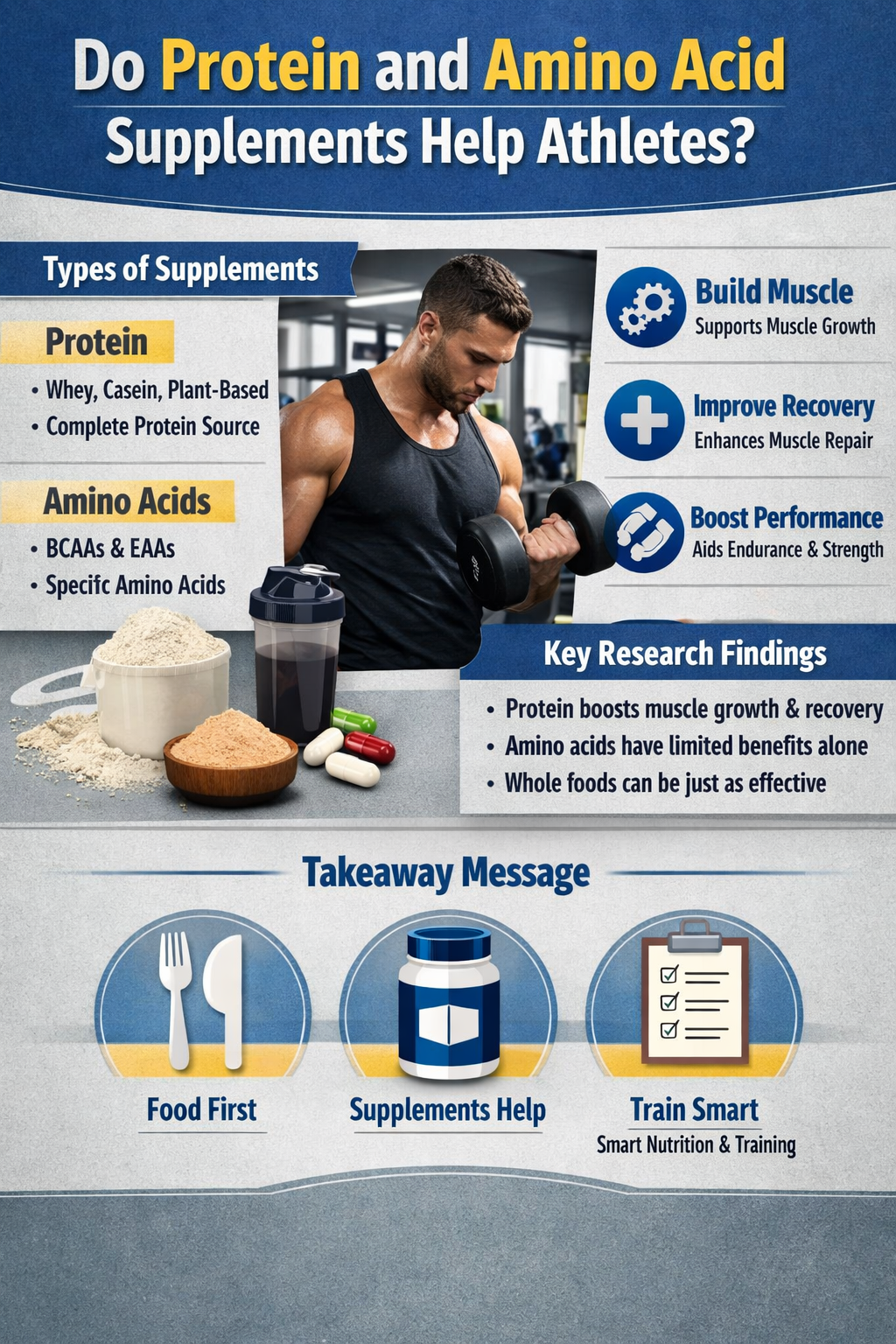
Do Protein and Amino Acid Supplements Help Athletes? An In-Depth, Evidence-Based Guide

do protien and amino acid suppliments help athletes​

Introduction: Do Protein and Amino Acid Supplements Help Athletes?

Protein and amino acid supplements have become almost synonymous with athletic performance. Walk into any gym, locker room, or sports nutrition store and you’ll see shelves filled with whey protein powders, BCAA drinks, essential amino acid capsules, and recovery shakes. From elite professional athletes to recreational gym-goers, many people believe these supplements are essential for strength, endurance, and faster recovery.

But this leads to an important and often misunderstood question:

Do protein and amino acid supplements actually help athletes, or are they simply convenient additions to an already adequate diet?

This question matters because athletes place unique physical demands on their bodies. Training causes muscle breakdown, increases energy needs, and stresses joints, connective tissue, and the nervous system. Nutrition plays a central role in how well the body adapts to this stress. Protein and amino acids are especially important because they directly support:

  • Muscle repair and muscle growth
  • Recovery between training sessions
  • Maintenance of lean body mass
  • Immune system function
  • Long-term athletic performance

However, scientific research consistently shows that supplements are not magic solutions. Their effectiveness depends on several factors, including:

  • Overall dietary protein intake
  • Type of sport (strength, endurance, or mixed)
  • Training volume and intensity
  • Timing and dosage of intake
  • Individual goals and physiology

“Supplements should supplement a good diet — not replace it.”
— Widely accepted principle in sports nutrition research

  • What protein and amino acid supplements are
  • How they work inside the body
  • Whether they truly help athletic performance and recovery
  • When supplements are beneficial — and when they are unnecessary
  • How athletes can use protein and amino acid supplements effectively and safely

Understanding the Basics: What Are Proteins and Amino Acids?

To understand whether protein and amino acid supplements help athletes, it’s essential to first understand what proteins and amino acids are and how they function inside the body. Many supplement claims sound impressive, but they only make sense when viewed through basic human physiology and nutrition science.


What Is Protein and Why Is It Important for Athletes?

Protein is a macronutrient made up of smaller units called amino acids. These amino acids are often referred to as the building blocks of life because they are involved in nearly every biological process related to growth, repair, and maintenance of body tissues.

For athletes, protein plays several critical roles:

  • Repairs muscle damage caused by training
  • Stimulates muscle protein synthesis, the process of building new muscle tissue
  • Supports enzymes and hormones involved in metabolism and recovery
  • Maintains lean muscle mass, especially during intense training or calorie deficits

When athletes train, they create micro-tears in muscle fibers. This damage is normal and necessary for adaptation. Protein provides the raw materials the body needs to repair this damage and rebuild muscle stronger than before.

Key fact: Without adequate protein intake, training adaptations are limited — regardless of how intense the workout is.


What Are Amino Acids?

Amino acids are the individual compounds that link together to form protein. There are 20 amino acids that the human body uses to build proteins, and they are classified into three main categories:

1. Essential Amino Acids (EAAs)

These cannot be produced by the body and must come from food or supplements.

Examples include:

  • Leucine
  • Isoleucine
  • Valine
  • Lysine
  • Methionine

Essential amino acids are particularly important for athletes because they are directly involved in muscle repair and growth.

2. Non-Essential Amino Acids

These amino acids can be made by the body, even if dietary intake is low.

Examples include:

  • Alanine
  • Glutamine
  • Asparagine

While labeled “non-essential,” they still play important roles in recovery and immune function.

3. Branched-Chain Amino Acids (BCAAs)

BCAAs are a subgroup of essential amino acids:

  • Leucine
  • Isoleucine
  • Valine

They are popular in sports supplements because they are metabolized directly in muscle tissue and are strongly linked to muscle protein synthesis, especially leucine.


Protein vs. Amino Acid Supplements: What’s the Difference?

Many athletes wonder whether they should choose protein supplements or amino acid supplements. Understanding the difference is key.

FeatureProtein SupplementsAmino Acid Supplements
CompositionComplete protein (all amino acids)Individual or grouped amino acids
DigestionSlower, sustained releaseRapid absorption
Muscle buildingStrong evidenceMixed evidence
ConvenienceMeal replacement or post-workoutIntra-workout or fasted training
Cost effectivenessGenerally more affordableOften more expensive

Protein supplements (like whey or plant protein) provide all essential amino acids in one serving. Amino acid supplements, on the other hand, isolate specific amino acids, often BCAAs or EAAs.

Important insight: If total protein intake is already sufficient, amino acid supplements may offer little additional benefit for most athletes.


How Much Protein Do Athletes Actually Need?

Protein needs vary by sport and training load, but research suggests athletes require more protein than sedentary individuals.

General protein recommendations for athletes:

  • Endurance athletes: 1.2–1.6 g per kg of body weight
  • Strength & power athletes: 1.6–2.2 g per kg of body weight
  • Athletes in calorie deficits: Up to 2.4 g per kg

Example:
A 75 kg (165 lb) athlete training for strength may need 120–165 grams of protein per day.

This raises an important point:
If athletes can meet these targets through food, supplements are optional, not mandatory.


Key Takeaway from the Basics

Protein and amino acids are essential for athletic performance and recovery, but supplements are simply concentrated sources of these nutrients. They are tools — not shortcuts.

Understanding these fundamentals helps us answer the bigger question:
Do protein and amino acid supplements help athletes beyond a normal diet?

continue

Types of Protein and Amino Acid Supplements for Athletes

Now that we understand what protein and amino acids are, the next step is exploring the different types of protein and amino acid supplements athletes commonly use. Not all supplements are the same, and their benefits can vary depending on digestion speed, amino acid profile, training style, and individual needs.

Understanding these differences is essential when evaluating whether protein and amino acid supplements help athletes in real-world situations.


Types of Protein Supplements for Athletes

Protein supplements are designed to provide a convenient, concentrated source of complete protein. They differ mainly in source, digestion rate, and amino acid composition.

Whey Protein

Whey protein is the most researched and widely used protein supplement among athletes.

Key characteristics:

  • Derived from milk
  • Fast-digesting
  • Rich in essential amino acids and leucine
  • Highly bioavailable

Benefits for athletes:

  • Rapid stimulation of muscle protein synthesis
  • Effective for post-workout recovery
  • Strong evidence for strength and muscle gains

Research insight: Whey protein consistently outperforms many other protein sources in stimulating muscle protein synthesis due to its high leucine content.


Casein Protein

Casein protein is also derived from milk but digests much more slowly than whey.

Key characteristics:

  • Slow, sustained amino acid release
  • Forms a gel in the stomach
  • Ideal for long periods without food

Benefits for athletes:

  • Reduces muscle protein breakdown overnight
  • Supports recovery during sleep
  • Useful before bed or long breaks between meals

Plant-Based Protein Supplements

Plant-based proteins are increasingly popular, especially among vegan and vegetarian athletes.

Common sources include:

  • Pea protein
  • Soy protein
  • Rice protein
  • Hemp protein

Pros:

  • Suitable for plant-based diets
  • Digestive-friendly for lactose intolerance
  • Environmentally sustainable options

Cons:

  • Some lack one or more essential amino acids
  • Often lower in leucine (unless blended)

Best practice: Blended plant proteins (e.g., pea + rice) provide a more complete amino acid profile for athletes.


Types of Amino Acid Supplements for Athletes

Amino acid supplements isolate specific amino acids rather than providing a full protein source. They are often marketed for performance, endurance, and recovery.


Branched-Chain Amino Acids (BCAAs)

BCAAs include:

  • Leucine
  • Isoleucine
  • Valine

Claimed benefits:

  • Reduced muscle soreness
  • Improved recovery
  • Enhanced endurance

What the science says:

  • BCAAs alone do not stimulate muscle growth without other essential amino acids.
  • Benefits are most noticeable when total protein intake is low.

Key takeaway: BCAAs are inferior to complete protein for muscle building.


Essential Amino Acids (EAAs)

EAAs contain all nine essential amino acids required for muscle protein synthesis.

Benefits for athletes:

  • Faster absorption than whole protein
  • Can stimulate muscle protein synthesis
  • Useful during fasted training or limited appetite

Limitation:

  • Typically more expensive than protein powder
  • Still less effective than whole protein over time

Individual Amino Acids

Some athletes supplement with single amino acids, such as:

  • Glutamine (immune support)
  • Arginine (blood flow)
  • Beta-alanine (endurance buffering)

While these may support specific performance aspects, they do not replace dietary protein.


Comparison: Protein vs Amino Acid Supplements

FactorProtein SupplementsAmino Acid Supplements
CompletenessFull amino acid profilePartial or specific
Muscle growthStrong evidenceLimited alone
RecoveryProven benefitsContext-dependent
CostMore affordableOften expensive
Best useDaily intake & post-workoutFasted or endurance training

Key Takeaway from Supplement Types

Protein supplements are more effective and evidence-backed for most athletes. Amino acid supplements may have specific niche uses, but they are not superior to protein when total intake is adequate.

How Protein and Amino Acid Supplements Help Athletes

This section addresses the core search intent behind the question:
Do protein and amino acid supplements help athletes improve performance, recovery, and muscle growth?

To answer this properly, we need to look at how these supplements affect the body during and after training, and what the scientific evidence actually shows.


Muscle Protein Synthesis and Muscle Growth

One of the primary reasons athletes use protein and amino acid supplements is to support muscle protein synthesis (MPS). MPS is the biological process by which the body repairs and builds new muscle tissue after exercise.

Resistance training stimulates MPS, but without enough protein, this process is limited.

How Protein Supplements Support Muscle Growth

Protein supplements provide:

  • A complete amino acid profile
  • High levels of leucine, the key trigger for MPS
  • Rapid availability of amino acids post-exercise

Whey protein, in particular, has been shown to:

  • Increase MPS more than carbohydrates or fats
  • Enhance lean muscle mass when combined with resistance training
  • Improve strength gains over time

Research highlight: Studies show that ~20–40g of high-quality protein post-workout maximally stimulates muscle protein synthesis in most athletes.

Do Amino Acid Supplements Build Muscle?

Amino acids, especially EAAs, can stimulate MPS — but only when all essential amino acids are present.

  • BCAAs alone do not build muscle effectively
  • EAAs can stimulate MPS but lack the sustained effect of whole protein

Bottom line:
👉 Protein supplements are superior to amino acid supplements for muscle growth.


Recovery and Muscle Repair

Athletic training causes muscle damage, inflammation, and temporary reductions in strength. Proper recovery is essential to maintain performance and prevent injury.

How Protein Aids Recovery

Protein supports recovery by:

  • Repairing damaged muscle fibers
  • Reducing muscle protein breakdown
  • Restoring muscle function between sessions

Athletes who consume adequate protein often experience:

  • Less muscle soreness
  • Faster return to peak performance
  • Improved training consistency

Amino Acids and Recovery

Some amino acid supplements may help with recovery in specific situations:

  • EAAs may reduce muscle soreness
  • BCAAs may slightly reduce perceived fatigue
  • Glutamine may support immune health during heavy training

However, the effects are modest compared to whole protein intake.


Endurance Performance and Fatigue Resistance

Endurance athletes often ask whether protein and amino acid supplements help with stamina, fatigue, and energy levels.

Protein for Endurance Athletes

Protein does not directly fuel endurance like carbohydrates, but it can:

  • Reduce muscle breakdown during long sessions
  • Improve recovery between endurance workouts
  • Support lean mass during high training volume

Amino Acids and Endurance

Certain amino acids may play a role in endurance:

  • BCAAs may reduce central fatigue by influencing neurotransmitters
  • Beta-alanine improves buffering capacity during high-intensity efforts

Evidence note: Performance improvements from amino acids in endurance sports are generally small and inconsistent.


Body Composition and Lean Mass Preservation

Protein and amino acid supplements can help athletes maintain lean body mass, especially during:

  • Weight cuts
  • Fat loss phases
  • High-volume training blocks

Higher protein intake has been linked to:

  • Greater fat loss
  • Better muscle retention
  • Improved satiety

This is particularly relevant for:

  • Combat sport athletes
  • Physique competitors
  • Endurance athletes in calorie deficits

Case Study: Protein Supplementation in Strength Athletes

Scenario:
A group of resistance-trained athletes followed a 12-week strength program.

Results with protein supplementation:

  • Greater increases in lean muscle mass
  • Improved strength outcomes
  • Faster recovery between training sessions

Conclusion:
Protein supplementation enhanced training adaptations when combined with proper training and adequate calories.


Summary: Do Protein and Amino Acid Supplements Help Athletes?

Yes — but with important conditions.

  • Protein supplements clearly help athletes meet daily protein needs and support muscle growth and recovery.
  • Amino acid supplements may help in specific situations but offer limited advantages over whole protein.
  • Supplements work best when paired with:
    • Structured training
    • Adequate calories
    • Consistent protein intake from food

What the Research Says: Scientific Evidence and Limitations

To fully answer the question “do protein and amino acid supplements help athletes?”, it’s important to look beyond marketing claims and examine what scientific research actually shows. While supplements are widely used, their effectiveness depends heavily on context, study design, and the athlete’s baseline nutrition

Scientific Evidence on Protein Supplements for Athletes

Protein supplementation is one of the most extensively researched topics in sports nutrition. The majority of high-quality studies support its benefits when used correctly.

What Research Consistently Shows

Large meta-analyses and controlled trials have found that protein supplementation:

  • Increases muscle protein synthesis
  • Enhances lean muscle mass gains
  • Improves strength development
  • Reduces muscle protein breakdown
  • Supports recovery from resistance training

These benefits are most pronounced when:

  • Protein intake is otherwise insufficient
  • Training volume and intensity are high
  • Protein is consumed close to training sessions

Data point: A comprehensive review of over 40 studies found that protein supplementation significantly improved resistance-training outcomes compared to placebo.


Research on Amino Acid Supplements

Unlike protein, amino acid supplements — especially BCAAs — show mixed results in the literature.

BCAAs: What the Evidence Says

While BCAAs are often marketed for muscle growth and recovery, research suggests:

  • BCAAs alone do not significantly increase muscle mass
  • They cannot stimulate full muscle protein synthesis without all essential amino acids
  • Benefits are limited when total protein intake is adequate

In short, BCAAs may help reduce fatigue or soreness in specific cases, but they are not superior to protein supplements.


Essential Amino Acids (EAAs)

EAAs have stronger evidence than BCAAs because they include all essential amino acids required for muscle protein synthesis.

Research indicates EAAs:

  • Can stimulate muscle protein synthesis
  • Are rapidly absorbed
  • May be useful during fasted training or injury recovery

However:

  • They are often more expensive than protein
  • Long-term benefits are not superior to whole protein intake

Protein From Food vs Supplements

One of the most important research findings is that whole food protein and protein supplements produce similar results when total intake is equal.

Key Findings

  • Lean meats, dairy, eggs, and legumes are just as effective as protein powder
  • Supplements mainly offer convenience, not superior results
  • Athletes with balanced diets may not need supplements at all

Scientific consensus: Supplements are most useful when athletes struggle to meet protein needs through food alone.


Limitations of the Research

While research supports protein supplementation, there are important limitations to consider:

  • Many studies are short-term (8–12 weeks)
  • Participants often include recreational athletes, not elites
  • Industry-funded studies may introduce bias
  • Individual responses vary significantly

This means results should be interpreted as guidelines, not guarantees.


Chart: Summary of Evidence Strength

Supplement TypeMuscle GrowthRecoveryPerformance
ProteinStrong evidenceStrong evidenceModerate
EAAsModerate evidenceModerateLimited
BCAAsWeak evidenceLimitedInconsistent

Key Research-Based Takeaways

  • Protein supplements help athletes when they increase total protein intake
  • Amino acid supplements are not essential for most athletes
  • Whole food protein is equally effective when intake is sufficient
  • Supplements cannot replace proper training and nutrition

How to Use Protein and Amino Acid Supplements Effectively

Even though research shows that protein and amino acid supplements can help athletes, their benefits depend heavily on how they are used. Many athletes take supplements inconsistently, at the wrong times, or in inappropriate amounts — which limits their effectiveness.


Optimal Timing for Protein and Amino Acid Intake

Timing matters, but it is less important than total daily intake. That said, strategic timing can enhance results, especially for athletes training frequently.

Post-Workout Protein Intake

After training, the body is primed for muscle repair.

Benefits of post-workout protein:

  • Increases muscle protein synthesis
  • Speeds up recovery
  • Reduces muscle protein breakdown

Recommended intake:

  • 20–40 grams of high-quality protein
  • Ideally consumed within 1–2 hours post-exercise

Key insight: The “anabolic window” is wider than once believed, but post-workout protein still provides benefits.


Pre-Workout and Intra-Workout Use

  • Protein before training may help reduce muscle breakdown
  • Amino acids (EAAs) may be useful during fasted workouts
  • BCAAs may help with perceived fatigue, but effects are small

For most athletes, pre-workout protein is optional, not essential.


Daily Protein Distribution for Athletes

Evenly distributing protein intake throughout the day improves muscle protein synthesis.

Best practice:

  • 3–5 protein-rich meals per day
  • 0.25–0.4 g of protein per kg per meal

Example for a 75 kg athlete:

  • 20–30 g protein per meal
  • 4 meals per day = 80–120 g total

Recommended Protein Intake by Athlete Type

Athlete TypeProtein Intake (g/kg/day)
Endurance athletes1.2–1.6
Strength athletes1.6–2.2
Calorie deficit2.0–2.4
Youth athletes1.2–1.8

Choosing High-Quality Supplements

Not all supplements are created equal. Poor-quality products may contain fillers, inaccurate labeling, or contaminants.

What to look for:

  • Third-party testing (NSF Certified, Informed Sport)
  • Transparent ingredient lists
  • Minimal additives
  • Proper dosage per serving

Important: Competitive athletes should avoid supplements without anti-doping certification.


When Amino Acid Supplements Make Sense

Amino acid supplements may be helpful in specific scenarios:

  • Fasted training sessions
  • Low appetite or restricted eating
  • Injury recovery when protein intake is limited
  • Endurance events lasting several hours

However, they should not replace whole protein intake.


Common Mistakes Athletes Make

  • Relying on supplements instead of food
  • Over-consuming protein beyond useful levels
  • Ignoring total calorie intake
  • Using supplements without proper training

Key Takeaways for Effective Use

  • Total daily protein intake matters most
  • Supplements are tools for convenience, not necessity
  • Protein is more effective than amino acids for most athletes
  • Quality and consistency determine results

How to Use Protein and Amino Acid Supplements Effectively

Even though research shows that protein and amino acid supplements can help athletes, their benefits depend heavily on how they are used. Many athletes take supplements inconsistently, at the wrong times, or in inappropriate amounts — which limits their effectiveness.

This section focuses on practical, evidence-based strategies for using protein and amino acid supplements to support athletic performance, recovery, and long-term progress.


Optimal Timing for Protein and Amino Acid Intake

Timing matters, but it is less important than total daily intake. That said, strategic timing can enhance results, especially for athletes training frequently.

Post-Workout Protein Intake

After training, the body is primed for muscle repair.

Benefits of post-workout protein:

  • Increases muscle protein synthesis
  • Speeds up recovery
  • Reduces muscle protein breakdown

Recommended intake:

  • 20–40 grams of high-quality protein
  • Ideally consumed within 1–2 hours post-exercise

Key insight: The “anabolic window” is wider than once believed, but post-workout protein still provides benefits.


Pre-Workout and Intra-Workout Use

  • Protein before training may help reduce muscle breakdown
  • Amino acids (EAAs) may be useful during fasted workouts
  • BCAAs may help with perceived fatigue, but effects are small

For most athletes, pre-workout protein is optional, not essential.


Daily Protein Distribution for Athletes

Evenly distributing protein intake throughout the day improves muscle protein synthesis.

Best practice:

  • 3–5 protein-rich meals per day
  • 0.25–0.4 g of protein per kg per meal

Example for a 75 kg athlete:

  • 20–30 g protein per meal
  • 4 meals per day = 80–120 g total

Recommended Protein Intake by Athlete Type

Athlete TypeProtein Intake (g/kg/day)
Endurance athletes1.2–1.6
Strength athletes1.6–2.2
Calorie deficit2.0–2.4
Youth athletes1.2–1.8

Choosing High-Quality Supplements

Not all supplements are created equal. Poor-quality products may contain fillers, inaccurate labeling, or contaminants.

What to look for:

  • Third-party testing (NSF Certified, Informed Sport)
  • Transparent ingredient lists
  • Minimal additives
  • Proper dosage per serving

Important: Competitive athletes should avoid supplements without anti-doping certification.


When Amino Acid Supplements Make Sense

Amino acid supplements may be helpful in specific scenarios:

  • Fasted training sessions
  • Low appetite or restricted eating
  • Injury recovery when protein intake is limited
  • Endurance events lasting several hours

However, they should not replace whole protein intake.


Common Mistakes Athletes Make

  • Relying on supplements instead of food
  • Over-consuming protein beyond useful levels
  • Ignoring total calorie intake
  • Using supplements without proper training

Key Takeaways for Effective Use

  • Total daily protein intake matters most
  • Supplements are tools for convenience, not necessity
  • Protein is more effective than amino acids for most athletes
  • Quality and consistency determine results

Frequently Asked Questions (FAQs): Do Protein and Amino Acid Supplements Help Athletes?

Do Protein and Amino Acid Supplements Help Athletes Build Muscle Faster?

Yes — protein supplements can help athletes build muscle faster, but only when combined with proper resistance training and sufficient calories.

Protein supplements:

  • Increase total protein intake
  • Stimulate muscle protein synthesis
  • Support recovery between sessions

Amino acid supplements alone are less effective than complete protein for muscle growth.


Are Protein Supplements Better Than Whole Foods for Athletes?

No. Whole food protein and protein supplements are equally effective when total intake is matched.

Protein supplements are mainly beneficial because they are:

  • Convenient
  • Easy to digest
  • Portable

Whole foods provide additional nutrients like fiber, vitamins, and minerals.


Should Athletes Take Protein Before or After Workouts?

Both can be beneficial, but post-workout protein intake is more strongly supported by research.

Best practice:

  • Consume 20–40 g of protein within 1–2 hours after training
  • Pre-workout protein is optional

Do BCAA Supplements Help Athletes Recover Faster?

BCAAs may slightly reduce muscle soreness or perceived fatigue, but they do not significantly improve muscle recovery or growth when total protein intake is adequate.

For most athletes, BCAAs are unnecessary.


Are Amino Acid Supplements Worth It for Endurance Athletes?

Amino acid supplements may help in specific endurance scenarios, such as:

  • Long-duration events
  • Fasted training
  • Heavy training blocks

However, the performance benefits are generally small and inconsistent.


How Much Protein Should an Athlete Consume Per Day?

Protein needs vary by sport and training intensity.

General guidelines:

  • Endurance athletes: 1.2–1.6 g/kg/day
  • Strength athletes: 1.6–2.2 g/kg/day
  • Calorie deficit: up to 2.4 g/kg/day

Can Too Much Protein Be Harmful?

For healthy athletes, high protein intake is generally safe.

However:

  • Excessive intake offers no added benefit
  • Digestive discomfort may occur
  • Those with kidney conditions should consult a professional

Are Protein and Amino Acid Supplements Necessary for Beginners?

No. Beginners can often meet protein needs through food alone.

Supplements become more useful as:

  • Training volume increases
  • Time constraints grow
  • Calorie needs rise

Quick FAQ Summary Table

QuestionShort Answer
Do protein supplements help athletes?Yes, when intake is insufficient
Are amino acids better than protein?No
Are supplements required?No
Best supplement overall?Protein
Best timing?Post-workout

Final Verdict: Do Protein and Amino Acid Supplements Help Athletes?

After reviewing the science, practical applications, and real-world use cases, we can clearly answer the core question:

Do protein and amino acid supplements help athletes?

Yes — but only when used correctly and for the right reasons.

Protein and amino acid supplements are tools, not shortcuts. They support athletic performance by helping athletes meet nutritional needs that are sometimes difficult to achieve through food alone. However, they are not required for success, nor do they replace proper training, recovery, and balanced nutrition.


What Protein and Amino Acid Supplements Do Well

Protein supplements have strong scientific support for helping athletes:

  • Increase total daily protein intake
  • Support muscle repair and growth
  • Improve recovery between training sessions
  • Preserve lean mass during calorie deficits
  • Offer convenient nutrition for busy schedules

Amino acid supplements may help in specific situations, such as:

  • Fasted training
  • Long endurance sessions
  • Periods of limited appetite
  • High training stress

Where Supplements Fall Short

Supplements do not:

  • Build muscle without training
  • Compensate for poor diets
  • Dramatically boost performance on their own
  • Replace whole foods and proper calorie intake

For athletes already meeting protein needs through diet, additional supplementation often provides little to no extra benefit.


Practical Takeaways for Athletes

If you’re asking whether protein and amino acid supplements help athletes like you, consider the following checklist:

  • ✔ Are you meeting daily protein needs from food?
  • ✔ Do you train frequently or intensely?
  • ✔ Do you struggle with recovery?
  • ✔ Do you have limited time for meals?

If you answered “yes” to several of these, protein supplementation may be useful.


Best Evidence-Based Recommendation

  • Prioritize whole food protein sources
  • Use protein supplements for convenience
  • Avoid unnecessary amino acid supplements
  • Focus on consistency over perfection
  • Pair nutrition with proper training and recovery

“Supplements are most effective when they support good habits — not when they replace them.”


Final Summary Table

CategoryVerdict
Protein supplementsHelpful for most athletes
Amino acid supplementsLimited use cases
Muscle growthProtein > amino acids
RecoveryProtein is effective
NecessityOptional, not required

Conclusion

Protein and amino acid supplements can help athletes, but only when used strategically and supported by sound nutrition and training principles. The most successful athletes don’t rely on supplements — they use them intentionally and intelligently.

If your goal is better performance, faster recovery, and long-term progress, focus first on training quality, diet consistency, and sleep. Supplements should come last.

Categories: Dental Care

Best Protein Supplements for Ectomorphs: The Ultimate Guide to Muscle Gain

Best Protein Supplements for Ectomorphs

Understanding Ectomorphs and Their Unique Needs

If you have an ectomorph body type, you likely have a naturally lean frame, long limbs, and a fast metabolism. Ectomorphs often struggle to gain weight and muscle despite eating regular meals and training consistently. This makes understanding their unique nutritional needs crucial, especially when it comes to protein intake. Protein is the building block of muscle tissue, and for ectomorphs, consuming enough high-quality protein is often the most significant factor in achieving muscle growth.

What Is an Ectomorph Body Type?

Ectomorphs are one of the three primary body types, or somatotypes, classified in fitness and nutrition science:

  • Characteristics: Slim frame, narrow shoulders, small joints, minimal fat storage.
  • Metabolism: Fast, which means calories burn quickly, making weight gain challenging.
  • Muscle Growth: Gains muscle slower than mesomorphs or endomorphs without proper nutrition and training.

Understanding your body type allows you to tailor your diet and supplements effectively. For ectomorphs, simply lifting weights isn’t enough—nutrition plays an equally critical role.

Why Protein Is Crucial for Ectomorphs

Protein is essential for muscle repair and growth. After intense workouts, your muscles undergo micro-tears that need protein to rebuild stronger and bigger. For ectomorphs:

  • Higher Protein Needs: Due to their fast metabolism, ectomorphs may require 1.6–2.2 grams of protein per kilogram of body weight daily, sometimes even more depending on training intensity.
  • Muscle Recovery: Adequate protein reduces recovery time, allowing ectomorphs to train more frequently and effectively.
  • Prevent Muscle Breakdown: Low protein intake can cause the body to use existing muscle tissue for energy, counterproductive to muscle gain.

Common Challenges Ectomorphs Face in Gaining Muscle

Ectomorphs face several hurdles when it comes to building muscle:

  1. Caloric Deficit: Their fast metabolism often burns calories faster than they can consume.
  2. Difficulty Meeting Protein Goals: Eating enough protein through whole foods alone can be challenging.
  3. Limited Appetite: Some ectomorphs struggle with large meal sizes, making protein supplements a convenient solution.

By addressing these challenges through smart protein supplementation, ectomorphs can overcome natural limitations and accelerate muscle growth. The right protein supplements for ectomorphs can make the difference between slow gains and noticeable muscle development.

How to Choose the Right Protein Supplement for Ectomorphs

Selecting the best protein supplements for ectomorphs is not a one-size-fits-all process. Because ectomorphs have unique metabolic and nutritional needs, the right supplement can significantly impact muscle gain, recovery, and overall training performance. Choosing wisely requires understanding the types of protein available, key nutritional factors, and how these supplements align with your fitness goals.


Types of Protein Supplements

There are multiple types of protein supplements, each with specific benefits for ectomorphs. Here’s a detailed breakdown:

  1. Whey Protein
    • Whey Concentrate: Contains 70–80% protein and some fats and carbs. It’s cost-effective and ideal for general muscle building.
    • Whey Isolate: Higher protein content (90%+), lower in fats and carbs. Fast absorption makes it perfect post-workout.
    • Whey Hydrolysate: Pre-digested protein for rapid absorption and minimal digestive strain. Excellent for ectomorphs who train intensely.
      Benefits for Ectomorphs: Fast-digesting whey proteins help repair muscles quickly, allowing ectomorphs to recover faster despite frequent workouts.
  2. Casein Protein
    • Slow-digesting protein derived from milk, ideal for sustained amino acid release.
    • Best taken before bedtime to fuel overnight recovery.
      Benefits for Ectomorphs: Prevents muscle breakdown during long fasting periods and complements faster-digesting proteins used post-workout.
  3. Plant-Based Proteins
    • Pea, rice, hemp, and soy proteins are ideal for vegans or those with lactose intolerance.
    • Often combined in blends to ensure a complete amino acid profile.
      Benefits for Ectomorphs: While slightly slower-digesting than whey, plant-based proteins can support muscle growth if consumed in sufficient quantities and paired with caloric-dense meals.
  4. Mass Gainers
    • High-calorie protein blends containing protein, carbohydrates, and sometimes fats.
    • Specifically designed for individuals who struggle to consume enough calories naturally.
      Benefits for Ectomorphs: Offers a convenient way to meet daily caloric and protein needs simultaneously, making muscle gain more attainable.

Key Factors to Consider When Choosing a Protein Supplement

To select the most effective supplement, ectomorphs should evaluate the following:

  1. Protein Content per Serving
    • Look for 20–30 grams of protein per serving to maximize muscle protein synthesis.
  2. Amino Acid Profile and BCAA Content
    • Proteins rich in branched-chain amino acids (BCAAs) like leucine, isoleucine, and valine promote muscle growth and recovery.
  3. Additional Calories and Macronutrients
    • Ectomorphs often need extra carbs and fats to achieve a caloric surplus. Some supplements include 400–600 calories per serving to help meet daily energy needs.
  4. Digestibility and Tolerance
    • Choose lactose-free, gluten-free, or allergen-friendly options if you experience digestive discomfort.
  5. Flavor and Mixability
    • Practicality matters: if you dislike the taste, you’re less likely to consume consistently.

Best Protein Form for Muscle Gain in Ectomorphs

Ectomorphs benefit most from a strategic combination of fast and slow-digesting proteins:

  • Fast-Digesting Proteins (Whey, Hydrolysate): Ideal post-workout to rapidly provide amino acids and kickstart recovery.
  • Slow-Digesting Proteins (Casein, Plant Blends): Ideal for nighttime or between meals to provide a steady supply of nutrients.
  • High-Calorie Mass Gainers: Perfect for those who struggle to reach daily caloric goals.

Pro Tip: Combining a whey protein shake post-workout with a casein shake before bed has been shown to improve muscle protein synthesis and support overnight recovery in ectomorphs (Journal of the International Society of Sports Nutrition, 2017).


Summary Table: Protein Supplement Comparison for Ectomorphs

Protein TypeAbsorptionBest TimeProsCons
Whey ConcentrateFastPost-workoutAffordable, effectiveSlight lactose content
Whey IsolateVery FastPost-workoutHigh protein, low fat/carbMore expensive
Whey HydrolysateRapidPost-workoutMinimal digestion issuesCostly
CaseinSlowBefore bedPrevents overnight muscle breakdownNot ideal post-workout
Plant-Based (Blends)ModerateAnytimeVegan-friendly, complete amino acidsSlightly slower digestion
Mass GainerFast/ModeratePost-workout / SnacksHigh calories for weight gainMay contain added sugars

Top Protein Supplements for Ectomorphs

Finding the best protein supplements for ectomorphs can be overwhelming due to the variety of options available on the market. To make it easier, we’ve broken down the top supplements into categories based on protein type, benefits, and suitability for ectomorphs’ unique needs.


Whey Protein Supplements

Whey protein remains the most popular choice for ectomorphs due to its fast absorption, high protein content, and rich BCAA profile. It is ideal for post-workout recovery, helping ectomorphs rebuild and grow muscle quickly.

Recommended Whey Proteins for Ectomorphs:

  1. Optimum Nutrition Gold Standard Whey
    • Protein per serving: 24g
    • Calories: 120
    • Key Benefit: Rich in BCAAs, fast absorption, versatile flavors.
  2. Dymatize ISO100 Hydrolyzed Whey
    • Protein per serving: 25g
    • Calories: 110
    • Key Benefit: Pre-digested whey, minimal fat and carbs, excellent for post-workout.
  3. MuscleTech NitroTech Whey
    • Protein per serving: 30g
    • Calories: 160
    • Key Benefit: Includes creatine for added strength and muscle gains.

Tip for Ectomorphs: Combine whey with a small serving of carbohydrates post-workout to spike insulin and enhance muscle protein synthesis.


Mass Gainer Proteins

For ectomorphs who struggle to consume enough calories, mass gainers are a convenient solution. They provide a high-calorie combination of protein, carbs, and fats, helping you maintain a caloric surplus without eating excessive whole foods.

Recommended Mass Gainers:

  1. Serious Mass by Optimum Nutrition
    • Protein per serving: 50g
    • Calories: 1,250
    • Key Benefit: High-calorie formula for hard gainers.
  2. BSN True Mass
    • Protein per serving: 46g
    • Calories: 700
    • Key Benefit: Balanced macros for muscle growth without excessive sugar.
  3. MuscleMeds Carnivor Mass
    • Protein per serving: 63g
    • Calories: 840
    • Key Benefit: Beef protein isolate with high protein and moderate calories.

Pro Tip: Start with one serving per day and gradually increase. Combining mass gainers with strength training maximizes muscle gains while minimizing fat gain.


Plant-Based Protein Options

For vegan or lactose-intolerant ectomorphs, plant-based protein blends can provide a complete amino acid profile necessary for muscle growth. While absorption is slightly slower than whey, consuming enough protein and calories ensures effective results.

Recommended Plant-Based Proteins:

  1. Vega Sport Protein
    • Protein per serving: 30g
    • Calories: 150
    • Key Benefit: Complete amino acid profile, NSF-certified for sport.
  2. Orgain Organic Protein
    • Protein per serving: 21g
    • Calories: 150
    • Key Benefit: Clean ingredients, suitable for everyday use.
  3. Garden of Life Raw Organic Protein
    • Protein per serving: 22g
    • Calories: 120
    • Key Benefit: Blend of pea, flax, chia, and hemp proteins.

Tip for Ectomorphs: Pair plant-based proteins with high-calorie meals or shakes to compensate for slightly lower calorie density compared to whey.


Casein and Other Slow-Digesting Proteins

Slow-digesting proteins like casein are ideal for nighttime recovery. They provide a steady release of amino acids over several hours, preventing muscle breakdown during sleep.

Recommended Casein Proteins:

  1. Optimum Nutrition Gold Standard Casein
    • Protein per serving: 24g
    • Calories: 120
    • Key Benefit: Slow-digesting, ideal before bed.
  2. Dymatize Elite Casein
    • Protein per serving: 25g
    • Calories: 120
    • Key Benefit: Micellar casein for sustained amino acid delivery.
  3. MusclePharm Combat 100% Casein
    • Protein per serving: 25g
    • Calories: 110
    • Key Benefit: Mixes easily, long-lasting recovery support.

Pro Tip: For ectomorphs, combining whey post-workout and casein before bed can maximize daily muscle protein synthesis and overall gains.


Summary Table: Top Protein Supplements for Ectomorphs

Protein TypeTop PicksProtein per ServingCaloriesBest Use
Whey ProteinOptimum Nutrition, Dymatize ISO100, NitroTech24–30g110–160Post-workout
Mass GainerSerious Mass, BSN True Mass, Carnivor Mass46–63g700–1,250Caloric surplus, weight gain
Plant-BasedVega Sport, Orgain, Garden of Life21–30g120–150Anytime, vegan-friendly
CaseinON Gold Standard Casein, Dymatize Elite Casein, Combat Casein24–25g110–120Nighttime recovery

How to Use Protein Supplements Effectively for Ectomorphs

Using the best protein supplements for ectomorphs effectively is just as important as choosing the right product. Timing, dosage, and combination with other nutrients can significantly influence muscle growth, recovery, and overall results. Below is a detailed guide tailored to ectomorphs’ unique needs.


Timing Your Protein Intake

Ectomorphs have a fast metabolism, which means their body quickly processes nutrients. Strategic protein timing ensures that amino acids are available when muscles need them most.

  1. Post-Workout Protein
    • After resistance training, muscles are primed for repair and growth.
    • Recommended: 20–30 grams of fast-digesting protein (whey or hydrolysate) within 30–60 minutes post-workout.
    • Pairing protein with simple carbohydrates can spike insulin, enhancing muscle protein synthesis.
  2. Pre-Workout Protein
    • Helps maintain a steady amino acid supply during training.
    • Recommended: A smaller serving (15–20g) of protein 30–60 minutes before exercise, preferably combined with a small amount of carbs for energy.
  3. Before Bed (Nighttime Protein)
    • Ectomorphs benefit from slow-digesting protein like casein before sleep.
    • Provides a steady release of amino acids over 6–8 hours, preventing overnight muscle breakdown.
  4. Between Meals
    • For ectomorphs struggling to meet daily protein and calorie goals, supplements between meals can bridge nutritional gaps.

Recommended Daily Protein Intake for Ectomorphs

Calculating protein needs is crucial for muscle gain. Ectomorphs generally require higher protein intake than other body types:

  • Baseline: 1.6–2.2 grams per kilogram of body weight daily.
  • For Hard Gain: Up to 2.5 grams per kilogram may be necessary when training intensely.
  • Example: A 70kg ectomorph aiming for muscle gain might consume 112–175 grams of protein daily.

Tip: Divide protein intake evenly across 4–6 meals or shakes to optimize absorption and muscle protein synthesis.


Combining Protein with Other Nutrients

Ectomorphs often need extra calories and macronutrients to support muscle growth. Protein supplements are most effective when paired with:

  • Carbohydrates: Replenish glycogen and boost insulin, promoting nutrient uptake by muscles.
  • Healthy Fats: Support hormone production, including testosterone, which is vital for muscle growth.
  • Micronutrients: Vitamins and minerals from whole foods enhance overall recovery and performance.

Common Mistakes to Avoid

Even with high-quality protein supplements, ectomorphs often make mistakes that slow progress:

  1. Relying Solely on Supplements
    • Whole foods provide fiber, micronutrients, and healthy fats that supplements alone can’t replace.
  2. Not Consuming Enough Calories
    • Muscle gain requires a caloric surplus; simply increasing protein isn’t enough.
  3. Ignoring Training
    • Supplements support gains but can’t replace consistent strength training.
  4. Overloading Protein
    • Consuming excessive protein without matching calories or training doesn’t increase muscle mass and can strain the kidneys.

Sample Daily Protein Plan for Ectomorphs

MealProtein SourceProtein (g)Calories
BreakfastEggs + Oats25400
Mid-Morning SnackWhey Protein Shake25150
LunchChicken + Rice + Veggies35600
Afternoon SnackMass Gainer Shake50800
DinnerSalmon + Quinoa + Veggies30600
Pre-BedCasein Protein Shake25120
Total190g2,670

This sample demonstrates how protein supplements can be integrated with whole foods to meet protein goals while maintaining a caloric surplus—essential for ectomorph muscle growth.

Benefits of Protein Supplements for Ectomorphs

Protein supplements are not just convenient—they play a crucial role in helping ectomorphs overcome their natural challenges in gaining muscle and strength. While whole foods are essential, supplements can provide targeted benefits that make muscle-building more efficient and achievable.


1. Supports Muscle Growth and Strength Gains

Ectomorphs naturally have a lean frame and fast metabolism, which makes it harder to accumulate muscle mass. Protein supplements provide high-quality amino acids, including BCAAs like leucine, which are critical for initiating muscle protein synthesis (MPS).

  • Fast-absorbing proteins like whey are ideal post-workout because they deliver amino acids quickly, accelerating recovery and growth.
  • Studies show that combining protein supplementation with resistance training can increase lean muscle mass by 1–2 kg over 8–12 weeks in individuals struggling to gain weight (Journal of the International Society of Sports Nutrition, 2017).

Case Study: An ectomorph following a whey-based post-workout protocol combined with mass gainer shakes reported noticeable muscle gains in 12 weeks, compared to minimal changes from diet alone.


2. Improves Recovery and Reduces Muscle Soreness

Protein supplements provide the building blocks to repair micro-tears in muscle fibers caused by intense workouts. This leads to:

  • Faster recovery between training sessions.
  • Reduced delayed onset muscle soreness (DOMS), allowing ectomorphs to maintain consistent workouts.
  • Sustained energy for frequent training, which is critical for body types that burn calories rapidly.

Slow-digesting proteins like casein are especially beneficial overnight, preventing muscle breakdown during periods without food.


3. Convenient Way to Meet Daily Protein Needs

One of the biggest challenges for ectomorphs is eating enough protein consistently. Whole foods alone may require large meals, which can be difficult to consume due to appetite or time constraints. Protein supplements solve this problem by:

  • Offering compact, calorie-dense options for ectomorphs.
  • Allowing flexible timing, from post-workout shakes to bedtime casein.
  • Supporting high-calorie mass gainers for ectomorphs who struggle to meet daily caloric goals.

Practical Tip: A single whey protein shake post-workout can provide 20–30 grams of protein in just a few minutes, saving time while fueling growth.


4. Helps Maintain a Caloric Surplus

Gaining muscle requires more calories than the body burns, which can be tough for ectomorphs. Many protein supplements, especially mass gainers, include carbohydrates and healthy fats alongside protein. This helps ectomorphs:

  • Achieve a consistent caloric surplus.
  • Avoid the need to eat very large meals throughout the day.
  • Gain muscle rather than fat, when paired with resistance training.

Stat: Mass gainer shakes can add 400–1,200 calories per serving, making it significantly easier for ectomorphs to reach their caloric targets.


5. Enhances Overall Training Performance

Protein supplementation indirectly improves performance by:

  • Supporting faster recovery, allowing more frequent and intense workouts.
  • Maintaining muscle mass during cutting or high-intensity phases, which ectomorphs may occasionally undertake.
  • Reducing fatigue and improving strength progression over time.

Summary of Benefits for Ectomorphs:

BenefitHow It Helps Ectomorphs
Muscle Growth & StrengthProvides amino acids for muscle protein synthesis
Improved RecoveryReduces soreness, supports faster post-workout recovery
ConvenienceEasy to consume, flexible timing
Caloric SurplusHelps reach daily calorie goals for weight/muscle gain
Enhanced Training PerformanceMaintains energy, strength, and training frequency

Protein supplements are not a magic solution, but when combined with proper training and whole food nutrition, they are essential tools for ectomorphs aiming to gain muscle efficiently and sustainably.

Whole Food Protein Sources vs Supplements for Ectomorphs

While protein supplements are highly effective and convenient, whole foods remain the foundation of a nutrient-rich diet for ectomorphs. Understanding the role of each and how to combine them can help optimize muscle growth, recovery, and overall health.


Best High-Protein Foods for Ectomorphs

Whole foods provide not only protein but also essential vitamins, minerals, healthy fats, and fiber that supplements alone cannot deliver. Here are some of the best options:

  1. Lean Meats
    • Chicken, turkey, and lean beef are rich in complete proteins and creatine, supporting strength and muscle growth.
    • Example: 100g of chicken breast contains ~31g protein and 165 calories.
  2. Eggs
    • High-quality protein with essential amino acids and healthy fats.
    • Whole eggs support hormone production vital for muscle development.
  3. Dairy Products
    • Milk, yogurt, and cheese provide protein, calcium, and casein for slow digestion.
  4. Legumes and Beans
    • Chickpeas, lentils, and black beans are plant-based protein sources.
    • Combine with grains like rice for a complete amino acid profile.
  5. Nuts and Seeds
    • Almonds, peanuts, chia, and flax seeds add protein, healthy fats, and calories for weight gain.
  6. Fish and Seafood
    • Salmon, tuna, and cod provide protein plus omega-3 fatty acids, which help reduce inflammation and improve recovery.

When to Prefer Supplements Over Whole Foods

While whole foods are ideal, ectomorphs often face challenges that make supplements practical and effective:

  1. Post-Workout Recovery
    • Fast-digesting proteins (whey or hydrolysate) deliver amino acids quickly, whereas whole foods digest slower.
  2. Meeting High Protein Goals
    • Ectomorphs may need 150–200g of protein daily. It can be difficult to reach this target with whole foods alone without consuming very large meals.
  3. Busy Lifestyle
    • Supplements are quick, portable, and convenient when time or appetite is limited.
  4. Caloric Surplus for Muscle Gain
    • Mass gainer shakes provide high-calorie nutrition efficiently, making it easier to maintain a surplus without excessive meal prep.

Combining Whole Foods and Supplements

For maximum muscle gain, ectomorphs should aim to integrate both whole foods and supplements strategically:

  • Meals: Base your diet around whole foods for sustained energy, micronutrients, and overall health.
  • Shakes: Use protein supplements post-workout or between meals to fill gaps in protein and calorie intake.
  • Nighttime Nutrition: Casein or plant-based proteins before bed can prevent overnight muscle breakdown.

Practical Example: A 70kg ectomorph might consume:

  • Breakfast: Eggs + oats (~25g protein)
  • Mid-morning: Whey protein shake (~25g)
  • Lunch: Chicken + rice + veggies (~35g)
  • Post-workout: Whey or mass gainer shake (~30–50g)
  • Dinner: Salmon + quinoa (~30g)
  • Pre-bed: Casein shake (~25g)

This combination ensures adequate protein distribution throughout the day, while whole foods provide the nutrients and variety needed for optimal health and performance.


Key Takeaways:

  • Whole foods are essential for long-term health, micronutrients, and sustained energy.
  • Protein supplements provide convenience, fast absorption, and extra calories, crucial for ectomorphs.
  • Combining both strategically ensures consistent protein intake, caloric surplus, and maximal muscle growth.

Frequently Asked Questions (FAQ) About Protein Supplements for Ectomorphs

Ectomorphs often have unique concerns when it comes to muscle gain, protein intake, and supplementation. Below are the most common questions answered in a clear, actionable way.


1. Can Ectomorphs Gain Muscle Without Protein Supplements?

Yes, it is possible to gain muscle using whole foods alone, but protein supplements make it significantly easier. Ectomorphs have a fast metabolism, which often makes meeting high daily protein requirements challenging.

  • Whole foods like chicken, eggs, fish, and legumes are excellent, but supplements provide:
    • Convenience for busy schedules
    • Quick protein absorption post-workout
    • Caloric-dense options for those struggling to eat enough

Conclusion: Supplements are not mandatory, but they accelerate progress and help ensure consistent results.


2. Are Mass Gainers Necessary for Ectomorphs?

Not all ectomorphs need mass gainers, but they are extremely helpful for those struggling to consume enough calories from whole foods alone.

  • Mass gainers provide:
    • 400–1,200+ calories per serving
    • Protein, carbs, and sometimes healthy fats
    • A convenient solution to maintain a caloric surplus

Tip: Start with one serving daily and combine with resistance training for the best results.


3. How Much Protein Is Too Much?

While ectomorphs require higher protein intake, excessive protein offers no additional benefit beyond what the body can use for muscle repair.

  • Recommended: 1.6–2.2 g/kg of body weight daily
  • Upper limit for safety: Around 2.5 g/kg, depending on activity level
  • Consuming significantly more may lead to:
    • Unused protein converted to energy
    • Potential digestive discomfort

4. Can Plant-Based Proteins Be as Effective as Whey for Ectomorphs?

Yes, if consumed in sufficient quantities and with complete amino acid profiles.

  • Blended plant proteins (pea + rice, soy + hemp) provide all essential amino acids.
  • Slightly slower absorption than whey, so timing around workouts may be less critical.
  • Can be paired with mass gainers to ensure adequate calories and protein.

Tip: Combine plant-based protein with carbohydrate-rich foods post-workout for optimal recovery.


5. Should Ectomorphs Take Protein Supplements Before or After Workouts?

Both can be beneficial, depending on your goal:

  • Pre-Workout (optional): Small protein serving (15–20g) with carbs provides amino acids and energy for training.
  • Post-Workout (essential): Fast-digesting protein (whey or hydrolysate) within 30–60 minutes accelerates muscle repair and growth.
  • Nighttime: Casein ensures steady amino acid release overnight.

Practical Strategy: Post-workout whey + nighttime casein is a proven combination for ectomorphs to maximize daily protein utilization.


6. Can Protein Supplements Replace Meals?

While protein supplements can supplement or replace a small meal, they should not completely replace whole foods long-term.

  • Whole foods provide micronutrients, fiber, and healthy fats not found in most supplements.
  • Ideal usage: Between meals, post-workout, or before bed to ensure protein and calorie goals are met.

Tips for Maximizing Protein Supplement Effectiveness for Ectomorphs

Using the best protein supplements for ectomorphs is only effective if paired with the right strategies. Ectomorphs have a naturally fast metabolism and lean frame, so optimizing protein intake can make the difference between slow progress and visible muscle gains. Here are detailed tips to get the most out of your protein supplementation.


1. Combine Protein Supplements with a High-Calorie Diet

Ectomorphs require a caloric surplus to build muscle. Protein supplements alone are not enough if you don’t consume sufficient calories from other sources.

  • Include whole foods like oats, rice, lean meats, nuts, and dairy alongside your protein shakes.
  • Use mass gainers if you struggle to consume enough calories.
  • Track your daily intake to ensure you maintain a consistent caloric surplus, which is crucial for muscle growth.

Pro Tip: Aim for a 300–500 calorie surplus daily to maximize gains while minimizing fat gain.


2. Time Protein Intake Strategically

Timing can significantly affect muscle protein synthesis:

  • Post-Workout: 20–30g of fast-digesting protein (whey) within 30–60 minutes.
  • Pre-Bed: 20–25g of slow-digesting protein (casein) to prevent overnight muscle breakdown.
  • Between Meals: Smaller servings (15–20g) to ensure continuous amino acid availability.

Case Study: Research shows spreading protein intake across 4–6 meals or shakes improves muscle protein synthesis compared to consuming all protein in one or two meals (Norton & Wilson, 2017).


3. Combine Protein with Carbohydrates and Healthy Fats

Ectomorphs gain muscle more efficiently when protein is consumed with carbs and fats:

  • Carbs post-workout help replenish glycogen and spike insulin, which enhances amino acid uptake by muscles.
  • Healthy fats support hormone production, including testosterone, essential for muscle growth.
  • Example: A whey protein shake with banana and peanut butter can provide protein, carbs, and fats in one convenient serving.

4. Choose High-Quality Protein Supplements

Not all supplements are created equal. Ectomorphs should prioritize high-quality, nutrient-dense protein sources:

  • Whey isolate or hydrolysate for fast absorption.
  • Mass gainers with low added sugar and balanced macros.
  • Plant-based protein blends with complete amino acids for vegan ectomorphs.

Tip: Read labels carefully to avoid low-quality protein powders with fillers or artificial additives.


5. Stay Consistent and Track Progress

Consistency is key for ectomorphs because their fast metabolism requires steady protein and caloric intake:

  • Track daily protein and calorie intake using apps or journals.
  • Monitor strength, muscle size, and body weight weekly.
  • Adjust protein intake and supplementation based on progress and goals.

Practical Example: If muscle gains stall, slightly increase daily protein or add an extra shake to maintain a caloric surplus.


6. Integrate Supplements with Strength Training

Protein supplements support muscle growth only when paired with resistance training:

  • Focus on compound exercises like squats, deadlifts, and bench presses for maximal muscle stimulation.
  • Progressive overload ensures that the muscles utilize protein for growth, not just maintenance.

7. Hydration and Recovery Matter

Adequate hydration and recovery enhance protein supplement effectiveness:

  • Water supports digestion and absorption of protein.
  • Quality sleep (7–9 hours) ensures muscle repair and hormone balance.
  • Active recovery days prevent overtraining and maximize the benefits of protein supplementation.

Summary Table: Maximizing Protein Supplement Effectiveness

TipActionBenefit for Ectomorphs
Combine with High-Calorie DietWhole foods + mass gainersSupports caloric surplus & muscle growth
Strategic TimingPost-workout, pre-bed, between mealsOptimizes muscle protein synthesis
Pair with Carbs & FatsInclude banana, oats, peanut butter with shakesEnhances nutrient uptake & hormone support
Choose High-Quality ProteinWhey isolate, hydrolysate, complete plant blendsEnsures fast digestion & effective muscle repair
Stay Consistent & Track ProgressDaily intake tracking & weekly measurementsPrevents plateau & ensures steady gains
Integrate with Strength TrainingFocus on compound lifts & progressive overloadStimulates muscle growth
Hydration & RecoveryDrink water, prioritize sleep & active recoverySupports digestion, recovery & hormone balance

Conclusion: Maximizing Muscle Gain with the Best Protein Supplements for Ectomorphs

Gaining muscle as an ectomorph can be challenging due to a fast metabolism, lean frame, and naturally low body fat, but the right protein supplements combined with proper nutrition and training make it entirely achievable.

Here’s a quick recap of the key takeaways from this guide:

  1. Understand Your Body Type: Ectomorphs need higher protein intake and a caloric surplus to support muscle growth.
  2. Choose the Right Protein Supplements:
    • Whey protein for fast post-workout recovery
    • Casein for overnight muscle maintenance
    • Mass gainers for caloric-dense muscle building
    • Plant-based proteins for vegan or lactose-sensitive ectomorphs
  3. Use Supplements Strategically: Timing, dosage, and nutrient pairing matter. Post-workout whey, nighttime casein, and shakes between meals ensure consistent protein supply.
  4. Combine Supplements with Whole Foods: Whole foods provide essential micronutrients, fiber, and healthy fats. Supplements are tools to fill gaps and ensure protein and calorie goals are met.
  5. Implement Effective Training and Recovery: Resistance training, progressive overload, hydration, and quality sleep amplify the benefits of protein supplementation.
  6. Track Progress and Adjust: Monitor protein intake, calorie consumption, and muscle gains to tweak supplementation and diet for optimal results.

Final Thought: While supplements are highly effective, they are most powerful when used strategically alongside a balanced, nutrient-rich diet and a consistent strength training program. For ectomorphs, this combination can transform their lean frame into a muscular, strong physique efficiently and sustainably.

Categories: Dental Care

Supplemental Health Care: A Complete Guide to Coverage, Benefits, and Costs

supplemental health care

Introduction: What Is Supplemental Health Care and Why It Matters Today

Supplemental health care has become an essential part of modern healthcare planning as medical costs continue to rise. Even people who have standard health insurance often discover that their coverage is not enough. High deductibles, copayments, coinsurance, and uncovered services can quickly turn a medical issue into a serious financial problem. This is where supplemental health care plays a critical role by filling the gaps left by primary insurance.

Supplemental health care refers to additional insurance coverage that works alongside your main health insurance plan. It does not replace traditional health insurance. Instead, it provides extra financial support for specific situations such as hospital stays, accidents, critical illnesses, dental care, vision services, and prescription drugs. These plans are designed to reduce out-of-pocket expenses and protect individuals and families from unexpected medical bills.

One major reason supplemental health care has gained popularity is the widespread use of high-deductible health plans (HDHPs). While these plans often have lower monthly premiums, they require policyholders to pay thousands of dollars before insurance coverage fully begins. For example, a short hospital stay or emergency treatment can still cost a patient a large sum even after insurance pays its share. Supplemental health care coverage helps offset these costs by providing direct cash benefits that can be used immediately.

Another key advantage of supplemental health care is its flexibility. Many supplemental health care plans pay benefits directly to the policyholder rather than the healthcare provider. This means the money can be used for medical bills, transportation, childcare, rent, or even lost income during recovery. This flexibility makes supplemental health care especially valuable for families, seniors, self-employed individuals, and anyone with limited savings.

“Medical expenses are one of the leading causes of financial stress, even for insured individuals.”
— Healthcare Cost Research Studies

Key Reasons Supplemental Health Care Matters

  • Helps cover out-of-pocket costs not paid by primary insurance
  • Provides financial protection during unexpected medical events
  • Offers cash benefits that can be used for any purpose
  • Reduces stress and financial uncertainty during illness or injury

In this in-depth guide, you will learn everything you need to know about supplemental health care, including how it works, the different types of plans available, what they cover, how much they cost, and who benefits most from them. By understanding supplemental health care options, you can make smarter decisions that protect both your health and your finances.

What Is Supplemental Health Care?

Supplemental health care is additional insurance coverage designed to work alongside your primary health insurance. Its main purpose is to help pay for costs that your main insurance plan does not fully cover. These costs often include deductibles, copayments, coinsurance, and other out-of-pocket expenses that can quickly add up during illness, injury, or hospitalization.

Unlike major medical insurance, supplemental health care plans are not meant to replace your primary coverage. Instead, they act as a financial support system. When a covered medical event occurs, the supplemental plan pays a set benefit amount, usually in cash. This benefit is paid directly to you, giving you control over how the money is used. Many people use these funds to pay medical bills, but they can also be used for everyday expenses like groceries, utility bills, or transportation to medical appointments.

How Supplemental Health Care Works

Supplemental health care plans are typically structured around specific events or services. For example, a hospital indemnity plan may pay a fixed amount for each day you are hospitalized. A critical illness plan may pay a lump sum if you are diagnosed with a serious condition such as cancer or heart disease. These payments are made regardless of what your primary insurance covers, as long as the conditions of the supplemental policy are met.

Here is a simple breakdown of how supplemental health care works:

  • You maintain your primary health insurance
  • You purchase one or more supplemental health care plans
  • A covered event occurs (hospital stay, accident, illness)
  • You file a claim with your supplemental provider
  • You receive cash benefits directly

This structure makes supplemental health care easy to understand and quick to access when needed.

Supplemental Health Care vs Primary Health Insurance

Understanding the difference between primary health insurance and supplemental health care is essential. While both are important, they serve different purposes.

FeaturePrimary Health InsuranceSupplemental Health Care
Main purposeCovers broad medical servicesCovers gaps and extra costs
Payment methodPays healthcare providersPays policyholder directly
Flexibility of fundsLimited to medical billsCan be used for any expense
Scope of coverageWide but limited by policyFocused on specific events

Primary insurance focuses on medical treatment. Supplemental health care focuses on financial protection.

Is Supplemental Health Care the Same as Secondary Insurance?

Many people confuse supplemental health care with secondary insurance, but they are not the same. Secondary insurance usually pays after the primary insurer and follows coordination-of-benefits rules. Supplemental health care, on the other hand, pays independently based on the policy’s terms. This means you receive benefits even if your primary insurance already covered part or all of the medical cost.

Key Takeaways About Supplemental Health Care

  • Supplemental health care fills coverage gaps
  • It provides cash benefits, not reimbursements
  • It works alongside, not instead of, primary insurance
  • Benefits can be used for medical and non-medical expenses

By understanding what supplemental health care is and how it works, you can better evaluate whether it fits your personal healthcare and financial needs.

Why Supplemental Health Care Is Important

Supplemental health care plays a crucial role in protecting individuals and families from the financial strain caused by medical expenses. Even with a solid primary health insurance plan, many people are surprised by how much they still have to pay out of pocket. Deductibles, copayments, coinsurance, and uncovered services can quickly create a heavy financial burden. Supplemental health care helps bridge this gap by offering extra financial support when it is needed most.

Healthcare costs continue to rise every year. According to health economics research, the average cost of a hospital stay can reach several thousand dollars, and serious illnesses may lead to long-term treatment expenses. For many households, these unexpected costs can disrupt savings, increase debt, or delay necessary care. Supplemental health care coverage helps reduce these risks by providing predictable cash benefits during medical events.

Gaps in Traditional Health Insurance Coverage

Most standard health insurance plans are designed to cover essential medical services, but they rarely cover everything. Common gaps include:

  • High deductibles that must be paid before coverage begins
  • Copayments and coinsurance for doctor visits, tests, and procedures
  • Limited coverage for dental, vision, and prescription drugs
  • Exclusions for certain treatments or services

These gaps mean that being insured does not always mean being financially protected. Supplemental health care steps in to help manage these out-of-pocket costs.

Financial Protection During Medical Emergencies

Medical emergencies often come without warning. An accident, sudden illness, or unexpected diagnosis can lead to hospital stays, follow-up treatments, and time away from work. Supplemental health care plans provide cash benefits that can be used immediately. This allows policyholders to focus on recovery rather than worrying about how to pay their bills.

Common expenses covered indirectly by supplemental health care benefits include:

  • Hospital bills not fully covered by insurance
  • Transportation and lodging for medical treatment
  • Childcare or home assistance during recovery
  • Lost income due to missed work

Who Benefits Most from Supplemental Health Care?

While almost anyone can benefit from supplemental health care, certain groups find it especially valuable.

People who benefit most include:

  • Individuals with high-deductible health plans
  • Families with children and frequent medical visits
  • Seniors managing chronic conditions
  • Self-employed workers without employer-sponsored benefits
  • Employees seeking additional financial security

Case Study: How Supplemental Health Care Helps

Example:
A working parent with standard health insurance experiences a short hospital stay after an accident. Although insurance covers most medical costs, the patient is still responsible for a large deductible and several copayments. A supplemental health care accident plan pays a fixed cash benefit, which helps cover these out-of-pocket expenses and everyday household costs during recovery.

“Supplemental health care provides a financial cushion that helps families stay stable during health-related crises.”
— Health Insurance Industry Analysis

Key Reasons Supplemental Health Care Matters

  • Reduces financial stress caused by medical bills
  • Helps cover expenses not included in standard insurance
  • Supports families during emergencies and recovery periods
  • Encourages people to seek care without fear of high costs

In today’s healthcare environment, having insurance alone is often not enough. Supplemental health care adds an extra layer of protection, making it easier to manage medical costs and maintain financial stability.

Types of Supplemental Health Care Plans

There are several types of supplemental health care plans, each designed to address specific gaps in traditional health insurance. Understanding these options helps individuals choose coverage that matches their health needs, lifestyle, and financial situation. Unlike primary insurance, supplemental health care plans are often focused on specific events or services, making them flexible and affordable additions to existing coverage.

Hospital Indemnity Supplemental Health Care Plans

Hospital indemnity plans provide fixed cash benefits when you are admitted to a hospital. These benefits are usually paid per day, per stay, or per service, depending on the policy.

What hospital indemnity plans typically cover:

  • Daily hospital stay benefits
  • Intensive Care Unit (ICU) stays
  • Surgical procedures
  • Diagnostic tests during hospitalization

The cash benefit is paid directly to the policyholder and can be used to cover deductibles, copays, or everyday expenses like rent or utilities.

Critical Illness Supplemental Health Care Insurance

Critical illness supplemental health care plans pay a lump-sum benefit when the insured is diagnosed with a serious medical condition.

Commonly covered conditions include:

  • Cancer
  • Heart attack
  • Stroke
  • Organ failure
  • Major surgeries

This type of supplemental health care is especially valuable because it provides immediate financial support during long-term treatment or recovery.

Accident Supplemental Health Care Plans

Accident plans cover injuries caused by unexpected accidents, such as falls, sports injuries, or car accidents.

Benefits often include:

  • Emergency room visits
  • Ambulance services
  • Fractures and dislocations
  • Physical therapy and follow-up care

Accident supplemental health care plans are popular among families and active individuals due to their low cost and targeted coverage.

Dental Supplemental Health Care Coverage

Dental supplemental health care plans help pay for dental services that are usually not covered by medical insurance.

Coverage may include:

  • Routine cleanings and exams
  • X-rays and fillings
  • Major procedures like crowns or root canals

Dental coverage improves overall health, as oral health is closely linked to heart disease, diabetes, and other conditions.

Vision Supplemental Health Care Plans

Vision supplemental health care plans cover eye-related services that standard medical insurance often excludes.

Typical benefits include:

  • Eye exams
  • Prescription glasses or contact lenses
  • Discounts on corrective procedures

Regular eye care helps detect early signs of conditions such as glaucoma, diabetes, and high blood pressure.

Prescription Drug Supplemental Coverage

Some supplemental health care plans focus on reducing the cost of prescription medications.

These plans help with:

  • High-cost or specialty drugs
  • Copay assistance
  • Coverage gaps in standard insurance

This type of coverage is especially useful for individuals managing chronic illnesses.

Supplemental Health Care for Maternity and Newborns

Maternity supplemental health care plans offer financial support for pregnancy-related expenses.

Benefits may include:

  • Hospital delivery costs
  • Extended hospital stays
  • Newborn care assistance

These plans help families manage the high costs associated with childbirth.

Comparison of Common Supplemental Health Care Plans

Plan TypePrimary PurposeIdeal For
Hospital IndemnityCovers hospital staysPeople with high deductibles
Critical IllnessCovers serious diagnosesLong-term financial security
AccidentCovers injury-related costsActive individuals and families
DentalCovers oral health carePreventive and major dental care
VisionCovers eye careRoutine eye health maintenance

Each type of supplemental health care plan serves a unique purpose. Many people choose multiple plans to create a more comprehensive safety net.

What Does Supplemental Health Care Cover?

Supplemental health care coverage focuses on paying for expenses that are often only partially covered—or not covered at all—by primary health insurance. While coverage varies by plan type and provider, most supplemental health care plans are designed to reduce out-of-pocket costs and provide financial flexibility during medical events.

Understanding what supplemental health care covers helps set realistic expectations and ensures you choose the right plan for your needs.

Common Expenses Covered by Supplemental Health Care

Supplemental health care plans typically pay fixed cash benefits when specific conditions are met. These benefits are not tied to actual medical bills, which means the policyholder decides how the money is used.

Common expenses supported by supplemental health care include:

  • Deductibles required by primary insurance
  • Copayments for doctor visits and emergency care
  • Coinsurance amounts after insurance pays its share
  • Hospital stays and ICU admissions
  • Surgical procedures and diagnostic tests
  • Follow-up care and rehabilitation

Because benefits are paid directly to the insured, they can also be used for non-medical costs related to illness or injury.

Non-Medical Expenses Covered Indirectly

One of the most valuable features of supplemental health care is its flexibility. The cash benefits can help cover everyday expenses that arise during recovery.

Examples of indirect expenses include:

  • Transportation to and from medical appointments
  • Childcare or home assistance
  • Rent, utilities, and groceries
  • Lost income due to time off work

This flexibility makes supplemental health care especially helpful during extended recovery periods.

Coverage Differences by Plan Type

Each type of supplemental health care plan covers different events. Below is a simplified overview:

Plan TypeTypical Coverage
Hospital IndemnityDaily hospital stays, ICU, surgeries
Critical IllnessLump-sum payment after diagnosis
AccidentER visits, fractures, therapy
DentalExams, fillings, major procedures
VisionEye exams, glasses, contacts
PrescriptionMedication cost assistance

What Supplemental Health Care Usually Does Not Cover

While supplemental health care provides valuable benefits, it does have limitations. Understanding exclusions helps avoid surprises later.

Common exclusions include:

  • Cosmetic or elective procedures
  • Non-covered pre-existing conditions during waiting periods
  • Experimental or non-approved treatments
  • Injuries or illnesses excluded by policy terms

It is important to carefully review the policy details to understand what is included and excluded.

Important Facts About Supplemental Health Care Coverage

  • Benefits are pre-defined, not based on actual bills
  • Coverage is event-based, not comprehensive
  • Multiple supplemental plans can be combined
  • Coverage complements, not replaces, health insurance

“Supplemental health care offers flexibility that traditional insurance cannot, especially when managing out-of-pocket costs.”
— Insurance Coverage Analysis Report

Knowing what supplemental health care covers helps you maximize its value and avoid gaps in protection. When chosen correctly, these plans can significantly reduce financial stress during medical events.

How Supplemental Health Care Works

Understanding how supplemental health care works is essential for using it effectively. While traditional health insurance focuses on paying healthcare providers, supplemental health care focuses on supporting the policyholder financially. This difference makes supplemental coverage simple, flexible, and fast when medical needs arise.

How Benefits Are Paid in Supplemental Health Care

Most supplemental health care plans pay fixed cash benefits when a covered event occurs. These benefits are clearly outlined in the policy and are not tied to the actual medical bill amount.

Key benefit features include:

  • Payments are made directly to you, not the hospital
  • Benefits are paid regardless of what primary insurance covers
  • Funds can be used for any medical or non-medical expense

For example, if your policy pays $200 per hospital day and you are hospitalized for five days, you receive $1,000—regardless of your hospital bill amount.

Coordination With Primary Health Insurance

Supplemental health care works alongside your main health insurance. Your primary insurance pays first for covered medical services. After that, your supplemental health care plan pays its benefit based on the event, not on remaining balances.

This means:

  • You do not need to wait for primary insurance denial
  • Benefits are not reduced because insurance paid
  • There is no complicated coordination of benefits

This structure makes supplemental health care easy to use during stressful situations.

Step-by-Step: How to File a Supplemental Health Care Claim

Filing a claim is typically straightforward and fast.

General claim process:

  1. A covered medical event occurs
  2. You receive medical treatment
  3. You submit a claim form and documentation
  4. The insurer reviews the claim
  5. Cash benefits are paid to you

Many providers now offer digital claims submission, allowing faster payouts.

Claim Processing Time

One of the advantages of supplemental health care is quick access to funds.

  • Simple claims may be paid within days
  • Electronic submissions speed up processing
  • Minimal documentation is usually required

This fast payout helps policyholders manage expenses without delays.

Real-Life Example: How Supplemental Health Care Pays Benefits

Scenario:
A policyholder with primary insurance and a hospital indemnity supplemental plan is hospitalized for three days. The primary insurance covers most medical costs, but the patient still owes a deductible and copays. The supplemental health care plan pays a fixed daily benefit, which helps cover these remaining expenses and household bills during recovery.

Key Points to Remember About How Supplemental Health Care Works

  • Benefits are fixed and predictable
  • Payments are direct to the policyholder
  • Claims are simple and fast
  • Coverage is independent of primary insurance

“The simplicity of supplemental health care makes it a powerful financial tool during medical events.”
— Insurance Industry Review

By understanding how supplemental health care works, individuals can plan more effectively and fully benefit from the protection these plans provide.

Pros and Cons of Supplemental Health Care

Like any insurance product, supplemental health care has its advantages and limitations. Understanding both sides helps individuals make informed decisions and choose plans that best fit their needs.

Advantages of Supplemental Health Care Plans

  1. Financial Protection
    Supplemental health care provides cash benefits that help cover deductibles, copays, coinsurance, and other out-of-pocket costs. This protection reduces the financial strain caused by unexpected medical expenses.
  2. Affordable Premiums
    Compared to comprehensive health insurance, supplemental plans often have lower monthly premiums, making them accessible to a wider range of individuals and families.
  3. Flexibility in Use of Benefits
    Benefits are paid directly to the policyholder and can be used for medical or non-medical expenses such as transportation, household bills, or childcare during recovery.
  4. Peace of Mind
    Knowing that you have additional financial support during a medical emergency reduces stress and allows you to focus on recovery instead of finances.
  5. Targeted Coverage
    Different types of supplemental health care plans—like hospital indemnity, critical illness, or accident plans—allow policyholders to choose coverage that meets their specific needs.
  6. Quick Payouts
    Claims are generally processed faster than primary insurance claims, giving policyholders access to funds when they need them most.

Disadvantages and Limitations

  1. Coverage Caps
    Supplemental health care plans typically have limits on how much they will pay per event or per year. For very high medical expenses, the benefits may not cover all costs.
  2. Not a Replacement for Major Medical Insurance
    These plans are designed to supplement—not replace—primary health insurance. Individuals without major medical coverage may not be adequately protected.
  3. Waiting Periods
    Some policies include waiting periods for certain benefits, especially for pre-existing conditions. This means coverage may not start immediately for all conditions.
  4. Limited Scope
    Supplemental health care plans are event-based and focused on specific services. They do not cover general medical care comprehensively.
  5. Multiple Plans May Be Needed
    Depending on your needs, you may require more than one supplemental plan to achieve comprehensive protection, which can increase total premiums.

Summary Table: Pros vs Cons of Supplemental Health Care

ProsCons
Financial protectionCoverage caps may limit payout
Affordable premiumsNot a replacement for primary insurance
Flexible use of benefitsWaiting periods may apply
Peace of mindLimited scope of coverage
Quick payoutsMultiple plans may be needed
Targeted coverageBenefits depend on event type

Supplemental health care is most effective when used as part of a broader healthcare strategy. By understanding both its advantages and limitations, individuals can make smarter decisions and optimize their coverage to suit their unique needs.

How Much Does Supplemental Health Care Cost?

The cost of supplemental health care varies widely depending on several factors, including the type of plan, the level of coverage, the policyholder’s age, and geographic location. While supplemental plans are generally more affordable than major medical insurance, understanding the pricing structure is essential for selecting the right plan.

Average Cost of Supplemental Health Care Plans

On average, supplemental health care plans can cost anywhere from $30 to $150 per month, depending on coverage type and benefits. Here’s a rough breakdown:

  • Hospital Indemnity Plans: $40–$70/month
  • Accident Plans: $25–$60/month
  • Critical Illness Plans: $50–$150/month
  • Dental and Vision Plans: $20–$50/month
  • Prescription Drug Coverage: $15–$60/month

These costs can be significantly lower than out-of-pocket expenses during medical emergencies, making supplemental health care a cost-effective investment.

Factors That Affect Supplemental Health Care Pricing

Several key factors influence the cost of supplemental health care:

  1. Age
    Older individuals typically pay higher premiums due to increased risk of illness or hospitalization.
  2. Health Status
    Pre-existing conditions, lifestyle habits, and medical history can affect pricing. Some plans may have waiting periods or exclusions.
  3. Coverage Level
    Plans offering higher daily or lump-sum benefits generally have higher premiums.
  4. Geographic Location
    Healthcare costs vary by region, and supplemental health care premiums may reflect local medical expense trends.
  5. Plan Type
    Accident and hospital indemnity plans are usually more affordable, while critical illness or comprehensive multi-event plans can cost more.

Is Supplemental Health Care Worth the Cost?

The value of supplemental health care is often determined by comparing premium costs to potential out-of-pocket expenses. Consider these points:

  • Emergency hospital stay: A 3-day hospitalization can cost $3,000–$5,000 out-of-pocket after insurance. A hospital indemnity plan paying $200/day provides $600 in cash benefits.
  • Critical illness diagnosis: A cancer treatment plan paying a lump sum of $10,000 can offset deductibles, lost wages, and travel expenses.
  • Accident coverage: Even minor accidents can lead to ER bills of $500–$1,500. An accident plan paying $500–$1,000 helps cover these costs.

Key takeaway: Supplemental health care is often more cost-effective than paying out-of-pocket during unexpected medical events, especially for high-deductible insurance holders, families, and seniors.

How to Choose the Right Supplemental Health Care Plan

Selecting the right supplemental health care plan requires careful evaluation of your personal health needs, financial situation, and existing insurance coverage. Choosing the wrong plan could leave gaps in coverage or result in unnecessary premiums, so a strategic approach is essential.

Key Factors to Consider Before Buying

  1. Personal Health Needs
    • Consider your age, medical history, and risk factors.
    • Individuals with chronic conditions may benefit from critical illness or prescription drug coverage.
    • Families with children may prioritize accident or hospital indemnity plans.
  2. Budget Considerations
    • Balance monthly premiums with potential benefits.
    • Determine what out-of-pocket costs you can reasonably afford if a medical event occurs.
    • Avoid over-insuring by purchasing multiple plans with overlapping coverage unless necessary.
  3. Existing Insurance Coverage
    • Review your primary health insurance to identify gaps.
    • Check whether your current policy covers hospital stays, accidents, or chronic conditions.
    • Supplemental plans are most effective when they fill specific coverage gaps.
  4. Plan Benefits and Limits
    • Compare the payout amounts for each type of event.
    • Understand daily, per-event, and annual maximums.
    • Check for waiting periods, exclusions, and coverage limitations.

Questions to Ask Before Purchasing Supplemental Health Care

  • What events and conditions are covered?
  • Are pre-existing conditions included or excluded?
  • How are claims processed, and how quickly are benefits paid?
  • Are there any waiting periods before coverage begins?
  • Can benefits be used for non-medical expenses?

Asking these questions ensures you select a plan that aligns with your needs and avoids unexpected gaps.

Comparing Supplemental Health Care Providers

When evaluating providers, consider the following:

  1. Reputation and Reviews
    • Research customer satisfaction and claim experiences.
    • Look for positive feedback on coverage reliability and service quality.
  2. Claim Settlement Ratio
    • A higher claim settlement ratio indicates the insurer pays a larger percentage of claims.
    • This is especially important for critical illness or hospital indemnity plans.
  3. Customer Support Quality
    • Efficient customer service is crucial during stressful medical situations.
    • Check if the insurer provides online claim submission, phone support, and clear documentation.

Case Study: Choosing the Right Plan

Example:
A 45-year-old self-employed individual with a high-deductible health plan identifies that their primary insurance covers major medical costs but leaves significant out-of-pocket expenses for hospital stays. After comparing options, they choose a hospital indemnity supplemental plan combined with accident coverage. This combination provides financial protection for both unforeseen accidents and hospital admissions, ensuring minimal disruption to their finances.

Key Takeaways

  • Evaluate your health needs and coverage gaps carefully.
  • Compare premium costs vs potential benefits.
  • Research providers for reliability, claims processing, and customer service.
  • Consider combining different supplemental plans for more comprehensive protection.

How to Choose the Right Supplemental Health Care Plan

Selecting the right supplemental health care plan requires careful evaluation of your personal health needs, financial situation, and existing insurance coverage. Choosing the wrong plan could leave gaps in coverage or result in unnecessary premiums, so a strategic approach is essential.

Key Factors to Consider Before Buying

  1. Personal Health Needs
    • Consider your age, medical history, and risk factors.
    • Individuals with chronic conditions may benefit from critical illness or prescription drug coverage.
    • Families with children may prioritize accident or hospital indemnity plans.
  2. Budget Considerations
    • Balance monthly premiums with potential benefits.
    • Determine what out-of-pocket costs you can reasonably afford if a medical event occurs.
    • Avoid over-insuring by purchasing multiple plans with overlapping coverage unless necessary.
  3. Existing Insurance Coverage
    • Review your primary health insurance to identify gaps.
    • Check whether your current policy covers hospital stays, accidents, or chronic conditions.
    • Supplemental plans are most effective when they fill specific coverage gaps.
  4. Plan Benefits and Limits
    • Compare the payout amounts for each type of event.
    • Understand daily, per-event, and annual maximums.
    • Check for waiting periods, exclusions, and coverage limitations.

Questions to Ask Before Purchasing Supplemental Health Care

  • What events and conditions are covered?
  • Are pre-existing conditions included or excluded?
  • How are claims processed, and how quickly are benefits paid?
  • Are there any waiting periods before coverage begins?
  • Can benefits be used for non-medical expenses?

Asking these questions ensures you select a plan that aligns with your needs and avoids unexpected gaps.

Comparing Supplemental Health Care Providers

When evaluating providers, consider the following:

  1. Reputation and Reviews
    • Research customer satisfaction and claim experiences.
    • Look for positive feedback on coverage reliability and service quality.
  2. Claim Settlement Ratio
    • A higher claim settlement ratio indicates the insurer pays a larger percentage of claims.
    • This is especially important for critical illness or hospital indemnity plans.
  3. Customer Support Quality
    • Efficient customer service is crucial during stressful medical situations.
    • Check if the insurer provides online claim submission, phone support, and clear documentation.

Case Study: Choosing the Right Plan

Example:
A 45-year-old self-employed individual with a high-deductible health plan identifies that their primary insurance covers major medical costs but leaves significant out-of-pocket expenses for hospital stays. After comparing options, they choose a hospital indemnity supplemental plan combined with accident coverage. This combination provides financial protection for both unforeseen accidents and hospital admissions, ensuring minimal disruption to their finances.

Seniors gain peace of mind knowing they have financial support for unexpected medical events, which can be particularly costly in later life.

Supplemental Health Care for Employees

Many employers offer voluntary supplemental health benefits as part of their benefits package. These plans allow employees to enhance their existing coverage at affordable rates through payroll deductions.

Advantages for employees:

  • Low-cost premiums through group plans
  • Accident, critical illness, and hospital indemnity coverage
  • Easy enrollment and claims processing
  • Extra protection for high-deductible health plans

Employer-sponsored supplemental plans are particularly valuable for employees with families or those in high-risk jobs where accidents are more likely.

Key Takeaways

  • Supplemental health care should be tailored to your life stage and health risks.
  • Families benefit from accident and hospital coverage for children.
  • Seniors benefit from coverage that complements Medicare gaps.
  • Employees can take advantage of employer-sponsored plans for additional protection.

By selecting the right supplemental health care plan for your stage of life, you ensure that you are financially protected while also gaining flexibility to manage health-related expenses

Supplemental Health Care for Different Life Stages

Supplemental health care is not a one-size-fits-all solution. Coverage needs vary depending on age, lifestyle, and health status. Understanding how supplemental plans can benefit different life stages helps individuals and families make smarter choices.

Supplemental Health Care for Individuals and Families

For adults and families, supplemental health care provides financial protection against unexpected medical costs that can disrupt daily life. Families with children often face frequent doctor visits, vaccinations, and minor accidents, which can accumulate significant out-of-pocket expenses.

Key benefits for individuals and families:

  • Hospital indemnity coverage for unexpected admissions
  • Accident plans for sports injuries or household accidents
  • Dental and vision coverage for routine preventive care
  • Prescription drug assistance for common medications

Families benefit from the flexibility of supplemental plans, as cash benefits can also be used for transportation, childcare, or lost income during recovery.

Supplemental Health Care for Seniors

Seniors often face increased healthcare needs due to age-related conditions. While Medicare covers many services, gaps still exist, such as deductibles, copayments, and certain outpatient procedures. Supplemental health care, including Medigap or standalone plans, helps cover these gaps.

Benefits for seniors:

  • Coverage for hospital stays not fully paid by Medicare
  • Assistance with chronic condition management
  • Critical illness and accident coverage for unexpected emergencies
  • Flexibility to use cash benefits for non-medical expenses, like home care or transportation

Seniors gain peace of mind knowing they have financial support for unexpected medical events, which can be particularly costly in later life.

Supplemental Health Care for Employees

Many employers offer voluntary supplemental health benefits as part of their benefits package. These plans allow employees to enhance their existing coverage at affordable rates through payroll deductions.

Advantages for employees:

  • Low-cost premiums through group plans
  • Accident, critical illness, and hospital indemnity coverage
  • Easy enrollment and claims processing
  • Extra protection for high-deductible health plans

Employer-sponsored supplemental plans are particularly valuable for employees with families or those in high-risk jobs where accidents are more likely.

Key Takeaways

  • Supplemental health care should be tailored to your life stage and health risks.
  • Families benefit from accident and hospital coverage for children.
  • Seniors benefit from coverage that complements Medicare gaps.
  • Employees can take advantage of employer-sponsored plans for additional protection.

By selecting the right supplemental health care plan for your stage of life, you ensure that you are financially protected while also gaining flexibility to manage health-related expenses.

Supplemental Health Care and Medicare

For seniors and Medicare beneficiaries, understanding how supplemental health care interacts with Medicare is crucial. While Medicare provides essential coverage, it does not cover all medical expenses, leaving gaps that supplemental plans can help fill.

How Supplemental Health Care Works with Medicare

Medicare primarily covers hospital (Part A) and medical (Part B) services. However, beneficiaries are often responsible for:

  • Deductibles and coinsurance
  • Copayments for hospital or outpatient care
  • Services not covered by Medicare, such as certain medications or preventive care

Supplemental health care plans, including Medigap policies, provide additional financial support to cover these gaps. For example, if a Medicare beneficiary is hospitalized, a Medigap plan can pay the Part A deductible and coinsurance, reducing out-of-pocket expenses.

Benefits include:

  • Coverage for hospital stays, surgeries, and emergency care
  • Assistance with copayments and coinsurance
  • Predictable cash benefits to cover remaining expenses

By pairing Medicare with a supplemental health care plan, seniors can significantly reduce the financial burden of medical care.

Difference Between Supplemental Health Care and Medigap

While both provide additional coverage, there are key differences:

FeatureMedigap (Medicare Supplement)Other Supplemental Health Care Plans
PurposeFills gaps in Medicare coverageFills gaps in any primary health insurance plan
PaymentPays Medicare-covered services onlyPays policyholder based on covered events, may cover non-Medicare services
FlexibilityLess flexible, benefits tied to Medicare billsCash benefits can be used for medical or non-medical expenses
EligibilityOnly available to Medicare beneficiariesAvailable to anyone with primary insurance

Understanding these differences ensures seniors select the best supplemental health care strategy to meet their needs.

Case Example

Scenario:
A 70-year-old Medicare beneficiary is hospitalized for a heart condition. Medicare covers most costs, but the patient is responsible for a $1,600 Part A deductible and copays for outpatient tests. A Medigap supplemental health care plan covers these costs, allowing the patient to focus on recovery without financial stress.

ommon Myths About Supplemental Health Care

Despite its growing popularity, supplemental health care is often misunderstood. Misconceptions can prevent individuals from taking advantage of coverage that could protect their health and finances. Here are some of the most common myths debunked.

Myth 1: Supplemental Health Care Is Unnecessary

Many people assume that primary health insurance is enough to cover all medical expenses. In reality, high deductibles, copays, coinsurance, and uncovered services mean that even insured individuals can face thousands of dollars in out-of-pocket costs. Supplemental health care provides a safety net, reducing the financial impact of medical emergencies.

Myth 2: Supplemental Health Care Is Too Expensive

Some people believe that adding a supplemental plan will dramatically increase monthly expenses. However, most supplemental health care plans have affordable premiums, typically ranging from $30 to $150 per month. When compared to potential out-of-pocket medical costs, these premiums are often a small investment for significant protection.

Myth 3: Supplemental Health Care Replaces Health Insurance

Another misconception is that supplemental health care can replace primary insurance. This is not true. Supplemental plans are designed to complement, not replace, major medical coverage. They fill coverage gaps, provide cash benefits, and give flexibility during medical events, but they do not offer comprehensive medical protection on their own.

Myth 4: Claims Are Difficult to Process

Some individuals fear that supplemental health care claims are complex or slow. In reality, most supplemental plans are straightforward, and many providers offer online submission and fast payouts. Benefits are often paid directly to the policyholder, simplifying the process during stressful times.

Myth 5: It’s Only Useful for Seniors

While seniors benefit from supplemental health care, especially with Medicare gaps, these plans are valuable for all age groups. Families, young adults, self-employed workers, and employees with high-deductible plans all gain financial protection from supplemental coverage.

Key Takeaways

  • Supplemental health care adds value to primary insurance
  • Coverage is affordable and flexible
  • It does not replace primary insurance but complements it
  • Claims are usually fast and simple
  • Beneficial for all life stages, not just seniors

By understanding and dispelling these myths, individuals can make informed decisions and leverage supplemental health care to protect themselves and their families.


Is Supplemental Health Care Right for You?

Determining whether supplemental health care is right for you depends on your personal health situation, financial needs, and existing insurance coverage. While not everyone may need supplemental plans, many individuals and families find them invaluable for financial protection during unexpected medical events.

Signs You Should Consider Supplemental Health Care

  1. High-Deductible Health Plans (HDHPs)
    If your primary insurance requires you to pay a large deductible before coverage begins, supplemental health care can help offset these out-of-pocket costs.
  2. Frequent Medical Visits or Treatments
    Families with children, individuals with chronic conditions, or those undergoing regular medical treatment can benefit from plans that cover hospital stays, accidents, or prescription drugs.
  3. Financial Vulnerability
    If unexpected medical expenses could cause significant financial stress or debt, supplemental health care provides a safety net.
  4. Risk-Prone Lifestyle or Occupation
    Individuals engaged in physically demanding jobs, high-risk activities, or active lifestyles may find accident or critical illness plans particularly useful.

Situations Where Supplemental Health Care May Not Be Needed

  1. Fully Comprehensive Employer Plans
    Employees with employer-sponsored plans covering nearly all expenses may not need additional coverage unless they want extra financial flexibility.
  2. Low Out-of-Pocket Exposure
    Individuals with minimal medical expenses or strong emergency savings may not find supplemental health care cost-effective.

Case Study: When Supplemental Health Care Makes Sense

Example:
A self-employed freelancer with a high-deductible plan is hospitalized after a minor accident. While primary insurance covers most treatment, they face several hundred dollars in copays and lost income from time off work. Their supplemental accident plan pays a lump sum, covering the remaining medical bills and household expenses, preventing financial strain.

Key Considerations

  • Evaluate your current insurance coverage and out-of-pocket risk
  • Consider your health profile, lifestyle, and family needs
  • Compare premium costs versus potential financial benefit
  • Understand the types of events and conditions covered

Supplemental health care is most beneficial when it is aligned with your unique health and financial situation, providing a balance between affordable premiums and meaningful protection.

Frequently Asked Questions About Supplemental Health Care

Many people have questions about supplemental health care, its benefits, and how it interacts with primary insurance. This section addresses the most common queries to help you make informed decisions.

What Is the Main Purpose of Supplemental Health Care?

The primary purpose of supplemental health care is to fill gaps in primary insurance coverage and provide financial support for medical and non-medical expenses related to health events. It ensures that policyholders can focus on recovery rather than worrying about out-of-pocket costs.

Can You Have Multiple Supplemental Health Care Plans?

Yes. Individuals can purchase multiple supplemental plans to cover different types of events or services. For example, someone might have a hospital indemnity plan, an accident plan, and a critical illness plan. Combining plans allows for comprehensive financial protection, but it’s important to evaluate premiums to avoid unnecessary overlap.

Does Supplemental Health Care Cover Pre-Existing Conditions?

Coverage for pre-existing conditions varies by plan and provider. Many plans include waiting periods before pre-existing conditions are covered. Always check the policy terms to understand how pre-existing conditions are handled before purchasing supplemental health care.

How Fast Are Supplemental Health Care Benefits Paid?

One of the advantages of supplemental health care is quick access to funds. Simple claims, especially for accident or hospital indemnity plans, can be processed within days. Electronic claim submission and direct cash payments to the policyholder help reduce delays.

Can Supplemental Health Care Be Used for Non-Medical Expenses?

Yes. Unlike traditional insurance, supplemental health care benefits are paid directly to the policyholder. This means the money can be used for any purpose, including:

  • Rent or mortgage payments
  • Utilities or groceries
  • Childcare or eldercare
  • Transportation to medical appointments
  • Lost income during recovery

Other Common Questions

  • Is supplemental health care tax-deductible? In most cases, premiums are not tax-deductible unless purchased through a business plan.
  • Do I need supplemental health care if I have low medical expenses? It may not be cost-effective, but it provides peace of mind for unexpected emergencies.
  • Can I switch plans easily? Many providers allow enrollment or plan changes during open enrollment or special circumstances.

Tip: Always read the policy carefully to understand coverage limits, exclusions, and payout structures. Supplemental health care is most valuable when it aligns with your needs.

Future of Supplemental Health Care

The landscape of supplemental health care is evolving rapidly, driven by rising healthcare costs, technological advancements, and changing consumer needs. Understanding these trends can help individuals and families make forward-looking decisions about their coverage.

Trends in Supplemental Health Care Coverage

  1. Personalized and Flexible Plans
    Modern supplemental health care plans are increasingly customizable. Policyholders can select coverage for specific events such as accidents, critical illnesses, or maternity care, creating a tailored safety net that matches their lifestyle and risk profile.
  2. Digital Claims Processing
    Many insurers now offer online claim submission, mobile apps, and faster benefit payouts. This technology-driven approach reduces paperwork, speeds up reimbursements, and improves the overall customer experience.
  3. Employer-Driven Supplemental Benefits
    Companies are offering voluntary supplemental health plans as part of their benefits packages. This approach helps employees manage high-deductible plans and provides affordable, group-rate coverage.
  4. Integration With Financial Wellness Programs
    Some supplemental plans are now marketed as part of broader financial wellness initiatives, helping individuals plan for healthcare costs while maintaining budget stability.
  5. Preventive and Wellness Coverage
    Future plans may include enhanced preventive care benefits, wellness programs, and incentives for healthy behavior, further reducing overall healthcare costs.

Role of Supplemental Health Care in Modern Healthcare Systems

Supplemental health care is increasingly recognized as a key tool in financial and healthcare planning. Its benefits include:

  • Reducing financial stress during medical emergencies
  • Encouraging timely medical care by lowering out-of-pocket costs
  • Supporting families and seniors in managing healthcare expenses
  • Complementing primary insurance and filling gaps that traditional coverage leaves behind

Expert Insight

“Supplemental health care is becoming an integral part of comprehensive healthcare strategies, especially for high-deductible plans and aging populations.”
— Health Policy Analysts

As healthcare costs continue to rise, supplemental health care is likely to become more versatile, accessible, and integrated with both primary insurance and financial planning tools. This evolution makes it an essential consideration for anyone seeking long-term financial security and health protection

Conclusion: Why Supplemental Health Care Is a Smart Addition to Your Coverage

Supplemental health care is a practical and valuable addition to any healthcare strategy. It provides financial protection, peace of mind, and flexibility, ensuring that unexpected medical events do not disrupt your life or finances.

Key Benefits Recap

  • Fills Gaps in Primary Insurance: Supplemental plans cover deductibles, copays, coinsurance, and other expenses not fully paid by standard insurance.
  • Cash Benefits: Payments are made directly to policyholders, giving flexibility to cover medical and non-medical expenses.
  • Affordable Coverage: Many plans offer low monthly premiums, providing significant protection at a reasonable cost.
  • Tailored for Life Stages: Plans can be customized for families, seniors, employees, or individuals with specific health risks.
  • Peace of Mind: Knowing that you have supplemental coverage reduces stress and encourages timely medical care.

Making Supplemental Health Care Work for You

Choosing the right supplemental health care plan involves assessing your current health coverage, understanding potential out-of-pocket risks, and selecting plans that address those gaps. Whether it’s hospital indemnity, critical illness, accident, dental, or vision coverage, supplemental plans provide an extra layer of security that complements primary insurance.

In a world where medical costs continue to rise and healthcare gaps remain common, supplemental health care is more than just an insurance add-on—it’s a strategic tool for financial stability, health security, and peace of mind.

Bottom Line: Supplemental health care is a smart, flexible, and cost-effective way to protect yourself and your family from unexpected medical expenses. Investing in the right supplemental plan ensures you can focus on recovery without worrying about finances.

Categories: Dental Care

First Aid Supplies Online: The Ultimate Guide to Buying for Home, Office & Travel

first aid supplies online

Introduction: Why Buying First Aid Supplies Online Makes Sense

In today’s fast-paced world, being prepared for emergencies is more important than ever. First aid supplies are not just essentials for hospitals—they are a crucial part of every home, office, school, and travel kit. Accidents can happen anytime, from minor cuts and burns to more serious injuries, and having the right supplies on hand can save lives and prevent complications.

With the rise of e-commerce, buying first aid supplies online has become increasingly popular. Online stores offer a wide variety of products, from basic bandages and antiseptics to advanced trauma kits and specialized first aid tools. Compared to local pharmacies or physical stores, online shopping provides convenience, competitive pricing, and access to hard-to-find items. You can compare multiple brands, read reviews from verified buyers, and choose the most reliable products without leaving your home.

Everyone can benefit from having a well-stocked first aid kit. Families can handle minor injuries and emergencies at home, offices can comply with safety regulations and protect employees, and travelers can carry portable kits to deal with unexpected accidents on the road or during outdoor adventures. This guide is designed to help you understand what first aid supplies are essential, how to choose the right products online, and how to maintain your kits for maximum safety and reliability.

What Are First Aid Supplies? Understanding Their Importance

First aid supplies are essential tools and materials used to provide immediate medical care in case of injuries or sudden illness. They are designed to stabilize a person’s condition, prevent further harm, and, in some cases, save lives before professional medical help is available. First aid supplies can range from basic items like bandages and antiseptics to advanced equipment like splints, CPR masks, and burn treatments.

Definition of First Aid Supplies

First aid supplies are medical tools, medications, and protective items that help treat injuries or illnesses temporarily. They are included in first aid kits, which are compact collections of these items organized for quick access. Examples include:

  • Bandages and gauze pads for cuts and scrapes
  • Antiseptic solutions and ointments to prevent infections
  • Gloves and face masks to maintain hygiene and reduce contamination
  • Scissors, tweezers, and safety pins for wound management or splint application

Why First Aid Supplies Are Important in Emergencies

Emergencies can happen anytime and anywhere, and immediate response is critical. Having access to the right first aid supplies online ensures that you can:

  1. Provide Immediate Care: Quick treatment reduces pain, bleeding, or injury severity.
  2. Prevent Infections: Proper antiseptics, bandages, and gloves reduce the risk of infection.
  3. Support Life-Saving Measures: CPR masks, burn treatments, and other specialized items can save lives before professional help arrives.
  4. Reduce Anxiety and Stress: Knowing that you have a well-stocked first aid kit provides peace of mind in emergencies.

Case Study: According to the American Red Cross, immediate first aid can reduce the risk of fatality in traumatic injuries by up to 25%. This highlights the importance of keeping first aid supplies accessible both at home and on the go.

Types of First Aid Supplies You Can Buy Online

When shopping for first aid supplies online, it’s important to understand the different types of items available so you can choose a kit or individual products that meet your needs. From basic household essentials to advanced medical tools, online stores offer a wide range of first aid supplies designed for home, office, travel, and outdoor activities.


1. Basic First Aid Supplies

These are the most common items that should be present in any first aid kit, whether for home or travel. They cover minor injuries and everyday emergencies:

  • Bandages and Adhesive Strips: For cuts, scrapes, and small wounds
  • Gauze Pads and Roll: To control bleeding and protect wounds
  • Antiseptic Solutions & Wipes: For cleaning wounds and preventing infections
  • Medical Tape: To secure dressings or bandages
  • Gloves (Disposable or Nitrile): To maintain hygiene and prevent contamination
  • Scissors and Tweezers: For cutting bandages or removing splinters
  • Safety Pins: To secure bandages or splints

Tip: Buying these items individually online allows you to customize your first aid kit according to your needs.


2. Advanced First Aid Supplies

For more serious emergencies, advanced first aid supplies can be crucial. These are often included in professional-grade or workplace first aid kits:

  • CPR Masks or Face Shields: To safely perform CPR
  • Burn Dressings and Gels: To treat burns quickly and prevent infection
  • Splints and Braces: For immobilizing broken bones or sprains
  • Emergency Blankets: To prevent hypothermia or shock
  • Eye Wash Solutions: For chemical or debris-related eye injuries

These supplies are especially useful for high-risk environments, such as construction sites, sports events, or outdoor adventures.


3. Medications Included in First Aid Kits

Many online first aid kits also include over-the-counter medications for immediate relief:

  • Pain Relievers (Paracetamol, Ibuprofen): For headaches, minor pain, or fever
  • Antihistamines: For allergic reactions
  • Oral Rehydration Salts (ORS): To prevent dehydration
  • Topical Ointments (Antibiotic or Anti-inflammatory): For wounds, burns, or rashes

Fact: According to CDC guidelines, having a small supply of basic medications in your first aid kit can help manage minor health issues without needing to visit a doctor immediately.


4. Specialized First Aid Supplies

Depending on your lifestyle, you may need specialized items available online:

  • Travel First Aid Kits: Compact, lightweight, TSA-approved for flights
  • Vehicle Emergency Kits: Roadside accidents essentials, including reflective vests and mini tools
  • Sports and Outdoor Kits: Designed for hiking, camping, and athletic injuries
  • Child-Friendly Kits: Kits with pediatric-specific items and small doses of medications

By buying first aid supplies online, you can easily find specialized kits that suit your specific environment and risks.


Table of First Aid Supplies

TypeExamplesBest For
BasicBandages, Gauze, Antiseptic, GlovesHome, Office, Travel
AdvancedCPR Masks, Splints, Burn Dressings, Emergency BlanketsWorkplace, Outdoor Activities
MedicationsPainkillers, Antihistamines, ORS, Topical OintmentsAll settings
SpecializedTravel kits, Vehicle kits, Child kits, Sports kitsTravel, Outdoor, Children

Different Types of First Aid Kits Available Online

When shopping for first aid supplies online, you’ll find a variety of pre-packaged kits designed for specific settings and purposes. Choosing the right kit ensures you are prepared for emergencies at home, work, while traveling, or during outdoor activities.


1. Home First Aid Kits

A home first aid kit is a must-have for every household. It contains basic supplies to treat minor injuries and manage sudden illnesses until professional help is available.

Common items included:

  • Bandages, gauze, and antiseptic wipes
  • Scissors, tweezers, and medical tape
  • Pain relievers and antihistamines
  • Thermometers and cold packs

Tips for home kits:

  • Keep the kit in an easily accessible location
  • Ensure items are child-safe or stored out of reach of children
  • Check expiration dates on medications regularly

Fact: According to the Red Cross, over 60% of households are unprepared for minor emergencies—making a well-stocked home first aid kit essential.


2. Office and Workplace First Aid Kits

Workplace safety is a legal requirement in many countries. OSHA-compliant office first aid kits ensure that employees are prepared for injuries like cuts, burns, or sprains.

Common items included:

  • Sterile dressings and bandages
  • Burn treatments and antiseptics
  • CPR masks
  • Gloves and hygiene supplies

Tips for workplace kits:

  • Place kits in visible and accessible locations
  • Ensure kits meet local safety regulations
  • Update supplies regularly based on office size and risk factors

3. Travel First Aid Kits

For travelers, a compact and portable first aid kit is essential. These kits are designed for lightweight convenience and are ideal for flights, road trips, or backpacking.

Common items included:

  • Miniature bandages and gauze
  • Travel-size antiseptics and medications
  • Adhesive tapes and small scissors
  • Emergency blankets

Tips for travel kits:

  • Make sure the kit is TSA-approved for air travel
  • Include any personal medications
  • Consider multi-purpose items like combined antiseptic and pain relief products

4. Vehicle and Car First Aid Kits

Car accidents can happen unexpectedly, so every vehicle should have an emergency first aid kit. These kits are designed to treat injuries until emergency services arrive.

Common items included:

  • Bandages, dressings, and antiseptics
  • Trauma shears and gloves
  • Emergency blankets and reflective vests
  • Flashlight and whistle

Tips for vehicle kits:

  • Keep the kit in a visible and accessible location in the car
  • Check supplies regularly and replace expired items
  • Include vehicle-specific items like a roadside safety triangle

5. Sports and Outdoor First Aid Kits

Outdoor enthusiasts and athletes benefit from specialized first aid kits designed for sprains, fractures, or injuries sustained during sports or adventures.

Common items included:

  • Elastic bandages for sprains
  • Ice packs or instant cold packs
  • Blister treatments and antiseptic wipes
  • Tweezers, scissors, and gloves

Tips for sports kits:

  • Choose a lightweight and waterproof bag
  • Include high-risk injury supplies based on your activity
  • Regularly replenish used items

Table of First Aid Kits

Kit TypeTypical ItemsBest For
HomeBandages, Medications, ThermometersFamilies, Individuals
OfficeSterile Dressings, CPR Masks, GlovesWorkplaces, Schools
TravelTravel-size Medications, Mini BandagesBackpacking, Flights
VehicleTrauma Shears, Blankets, FlashlightsCars, Road Trips
Sports/OutdoorElastic Bandages, Ice Packs, Blister CareHikers, Athletes, Campers

Fact: A properly stocked first aid kit tailored to your environment can reduce emergency response time by up to 50%, according to safety experts.

How to Choose the Right First Aid Supplies Online

Buying first aid supplies online is convenient, but it can also be overwhelming because of the wide variety of products available. Choosing the right supplies requires understanding your specific needs, quality standards, and usability. Below is a step-by-step guide to help you make informed decisions.


1. Assess Your Needs Before Buying

Before purchasing, consider where and how the first aid supplies will be used:

  • Home: Focus on basic first aid items like bandages, antiseptics, and over-the-counter medications. Include items for children or elderly family members if needed.
  • Office/Workplace: OSHA-compliant kits with sterile dressings, CPR masks, burn treatments, and gloves are essential. Consider the number of employees and the type of work environment.
  • Travel: Lightweight, portable, and compact kits with travel-sized medications, adhesive bandages, and antiseptics.
  • Outdoor Activities: Kits should include elastic bandages, cold packs, blister treatments, and waterproof packaging.

Tip: Write a quick checklist of potential injuries or emergencies you want to cover—it will guide your purchases.


2. Check Quality and Certifications

Quality is crucial, especially for medical supplies. Look for products that are certified and meet safety standards:

  • FDA or CE certification for medical devices
  • ISO standards for quality assurance
  • Verified reviews from previous customers

Fact: Using low-quality or uncertified first aid supplies can lead to ineffective treatment or increased risk of infection.


3. Understand Expiry Dates and Shelf Life

Many first aid items, particularly medications and sterile products, have expiration dates.

  • Always check the expiry date before purchase
  • Buy from sellers who provide clear labeling of shelf life
  • Store items according to instructions (cool, dry place) to maximize longevity

Tip: Online stores often provide bulk packs or subscription options to replace expired items automatically.


4. Read Customer Reviews and Ratings

Customer feedback can reveal important information about product effectiveness, quality, and usability:

  • Look for reviews that mention real-life emergency usage
  • Pay attention to ratings on durability, packaging, and completeness
  • Avoid products with consistent complaints about missing or low-quality items

Pro Tip: Verified buyers’ reviews on major e-commerce platforms often include photos and detailed experiences, which can help assess the product better than descriptions alone.


5. Compare Complete Kits vs. Individual Supplies

Depending on your needs, you can either purchase:

  • Pre-packaged Kits: Convenient, organized, and ready to use. Ideal for general emergencies and beginners.
  • Individual Supplies: Allow customization. Best for people who want to add specialty items or replace missing products in existing kits.

Tip: Many online stores let you build your own kit by selecting items individually and checking for essentials automatically.


6. Consider Accessibility and Ease of Use

A first aid kit is only effective if it’s easy to access and use during emergencies:

  • Look for clear labeling of items
  • Organize items by category in compartments or pouches
  • Choose lightweight and portable kits if you need mobility

Fact: A study by the American Heart Association shows that easy access and clear labeling reduce emergency response times by up to 30%.


What to Look for When Buying First Aid Supplies Online

Shopping for first aid supplies online requires careful attention to product quality, completeness, and usability. While online stores provide convenience and variety, buyers must be vigilant to ensure they receive reliable and effective supplies.


1. Complete vs. Custom First Aid Kits

When purchasing first aid kits online, consider whether you need a pre-packaged kit or a customized kit:

  • Complete Kits:
    • Include a wide range of essential items
    • Ready to use immediately
    • Ideal for beginners, households, and workplaces
  • Custom Kits:
    • Allow you to select specific items based on personal needs
    • Useful for specialized purposes such as travel, sports, or vehicles
    • Lets you replace expired items or upgrade supplies

Tip: Pre-packed kits are convenient, but customizing your kit ensures it fits your lifestyle and specific emergency scenarios.


2. Material Quality and Packaging

The quality of materials in first aid supplies is critical for effective treatment:

  • Sterile Packaging: Ensures wound care items like bandages, gauze, and swabs remain clean and safe
  • Durable Materials: Strong scissors, tweezers, and storage cases prevent breakage during emergencies
  • Waterproof or Dustproof Cases: Ideal for outdoor, travel, or sports kits

Fact: Studies show that poorly packaged or low-quality supplies increase the risk of contamination or infection, reducing their effectiveness.


3. Ease of Use and Accessibility

During an emergency, every second counts. Choose first aid supplies online that are easy to use:

  • Clearly Labeled Items: Quick identification of bandages, antiseptics, and medications
  • Organized Compartments: Pouches, trays, or boxes that separate items for faster access
  • Portable and Lightweight Kits: Especially important for travelers or outdoor enthusiasts

Pro Tip: Some online kits come with instruction manuals or quick-reference guides, which are extremely helpful for beginners or first-time users.


4. Check for Expiry and Shelf Life

Many first aid items, especially medications and antiseptics, have expiration dates. Before purchasing online:

  • Confirm that the products are not expired
  • Verify the shelf life for each item
  • Plan to restock or replace items regularly to maintain an effective kit

5. Trusted Brands and Verified Sellers

When buying first aid supplies online, always choose reputable brands and verified online sellers:

  • Check for certifications like FDA, CE, or ISO
  • Look for user reviews and ratings
  • Avoid unknown brands with limited information or suspiciously low prices

Fact: According to the World Health Organization, counterfeit or low-quality first aid supplies can be ineffective or even harmful during emergencies.


Key Factors When Buying First Aid Supplies Online

FactorWhat to Look ForWhy It Matters
Kit TypeComplete vs CustomEnsures readiness and customization
Material QualitySterile, durable, waterproofPrevents contamination and damage
UsabilityOrganized, labeled, portableSpeeds up emergency response
Expiry & Shelf LifeValid expiration datesMaintains effectiveness of supplies
Brand & SellerVerified brands, certificationsEnsures safety and reliability

By paying attention to these factors, you can confidently purchase first aid supplies online that are safe, reliable, and ready to handle emergencies in any setting.

Benefits of Buying First Aid Supplies Online

Purchasing first aid supplies online has become increasingly popular due to its convenience, variety, and cost-effectiveness. Whether you are stocking a home, office, vehicle, or travel kit, online shopping offers several clear benefits over traditional in-store purchases.


1. Convenience and Time Saving

One of the biggest advantages of buying first aid supplies online is convenience:

  • Purchase 24/7 from the comfort of your home or office
  • Avoid trips to multiple stores to find specific items
  • Get doorstep delivery, saving time and effort

Example: If you need a specialized burn dressing or CPR mask urgently, you can quickly compare products online and order within minutes rather than searching through local pharmacies.


2. Wider Variety Compared to Local Stores

Online retailers often offer a larger range of products than physical stores, including:

  • Specialized first aid kits for travel, sports, and vehicles
  • Professional-grade medical supplies for workplaces
  • Child-friendly or pediatric first aid kits
  • Individual items to customize your kit

Fact: Many products available online may not be stocked in local stores, making online shopping the best option for specialized or rare items.


3. Cost-Effectiveness and Discounts

Buying first aid supplies online can be more affordable:

  • Compare prices across multiple sellers instantly
  • Take advantage of bulk buying discounts
  • Access subscription options to replace expired items automatically

Example: A family looking to stock a home first aid kit could purchase a complete kit online for 20–30% less than buying individual items separately in a store.


4. Access to Reviews and Ratings

Online shopping allows you to read customer reviews and ratings, which provides insight into:

  • Product quality and effectiveness
  • Durability and usability in real-life situations
  • Accuracy of product descriptions and contents

This helps you make informed choices and avoid low-quality or incomplete first aid kits.


5. Easy Comparison and Research

Online platforms allow side-by-side comparison of brands, kits, and prices, helping you find:

  • The most comprehensive first aid kit for your needs
  • Products that meet quality standards and certifications
  • Supplies that fit your budget and lifestyle

Pro Tip: Look for online stores that provide detailed descriptions, images, and instructional guides to better understand the products before buying.


Summary of Benefits

BenefitDescription
Convenience24/7 shopping, doorstep delivery
VarietyWide range of specialized and standard supplies
Cost SavingsDiscounts, bulk buying, subscriptions
Customer ReviewsInsight into product quality and usability
Easy ComparisonQuick selection of the best kits and supplies

Common Mistakes to Avoid When Purchasing First Aid Supplies Online

Buying first aid supplies online is convenient, but there are several mistakes that buyers often make which can compromise the effectiveness of their kits. Being aware of these pitfalls can help you choose the right products and ensure your kits are truly emergency-ready.


1. Buying Without Checking Contents

Many pre-packaged first aid kits differ significantly in quantity and types of items included:

  • Some kits may lack essential items like antiseptics, gloves, or adhesive bandages.
  • Others may include unnecessary items that don’t match your specific needs.

Tip: Always review the full list of contents before purchasing online to make sure it covers all likely scenarios for your environment (home, office, travel, or outdoor).


2. Ignoring Expiration Dates

A major mistake is purchasing first aid supplies that are already near expiration:

  • Medications, antiseptics, and sterile dressings lose effectiveness over time.
  • Using expired supplies during emergencies can worsen infections or fail to treat injuries properly.

Pro Tip: Look for products with a minimum of 12 months shelf life remaining when buying online.


3. Choosing the Cheapest Option Over Quality

While cost is important, buying the cheapest first aid kit or supplies can be risky:

  • Low-cost kits may include low-quality or counterfeit items.
  • Poorly packaged supplies can become contaminated before use.

Fact: According to WHO studies, counterfeit or substandard medical supplies can increase health risks by up to 30% in emergencies.


4. Not Updating Supplies Regularly

First aid kits aren’t “set it and forget it” products. Many online buyers make the mistake of stocking a kit once and never checking it again:

  • Bandages and dressings can degrade over time
  • Medications can expire
  • Some items may be missing after use

Tip: Maintain a regular inspection schedule, ideally every 6–12 months, to replace expired or missing items.


5. Overlooking Reviews and Seller Reputation

Some buyers purchase from unknown online stores without checking reviews or credentials:

  • Low-quality kits may arrive incomplete or damaged
  • Counterfeit items can look authentic but be ineffective

Tip: Always buy from verified sellers and trusted brands, and check customer reviews, ratings, and certifications.


Quick Checklist: Mistakes to Avoid

MistakeHow to Avoid
Buying without checking contentsReview the full list of items included
Ignoring expiration datesEnsure at least 12 months shelf life
Choosing the cheapest optionPrioritize quality and certifications
Not updating suppliesInspect kits every 6–12 months
Overlooking reviewsBuy from verified sellers with strong ratings

By avoiding these common mistakes, you can ensure that your first aid supplies online are effective, safe, and ready for any emergency.

How Often Should You Replace First Aid Supplies?

Maintaining a first aid kit is just as important as assembling one. First aid supplies online may be convenient to purchase, but if they are not regularly checked and replaced, their effectiveness during emergencies can be compromised.


1. Items That Need Regular Replacement

Certain items in your first aid kit have limited shelf life or are single-use, so they should be replaced periodically:

  • Medications: Pain relievers, antihistamines, and topical ointments expire and lose potency over time.
  • Sterile Dressings and Bandages: Can become contaminated or lose adhesive strength.
  • Adhesive Products: Tape, band-aids, and wraps may dry out or lose stickiness.
  • Antiseptics and Solutions: Alcohol wipes, iodine solutions, and hydrogen peroxide degrade over time.
  • Gloves and Masks: Prolonged storage can make materials brittle or less protective.

Tip: When purchasing first aid supplies online, consider subscription services or bulk packages to easily replace items before they expire.


2. Creating a First Aid Kit Maintenance Checklist

Regular maintenance ensures your kit is always ready for use:

  • Monthly Checks:
    • Ensure no items are missing
    • Inspect bandages and dressings for damage or contamination
  • Every 6–12 Months:
    • Replace expired medications and antiseptics
    • Reassess needs based on lifestyle or family changes (new baby, elderly member, etc.)
  • After Use:
    • Immediately restock any used items to maintain kit completeness

3. Storage Tips to Extend Shelf Life

Proper storage helps maximize the longevity of first aid supplies:

  • Keep kits in a cool, dry place away from direct sunlight
  • Use airtight or waterproof containers for moisture-sensitive items
  • Store in easily accessible locations for quick use during emergencies
  • For travel or outdoor kits, ensure compact and durable packaging

4. Recommended Replacement Frequency

Item TypeReplacement Frequency
MedicationsEvery 12 months or as per expiration date
Bandages & DressingsEvery 6–12 months or after use
Antiseptic Wipes & SolutionsEvery 12 months
Gloves & MasksEvery 6–12 months or after use
Burn Dressings & Specialized ItemsAs per manufacturer guidelines

First Aid Supplies Online for Businesses and Institutions

Businesses and institutions have unique responsibilities when it comes to emergency preparedness. Purchasing first aid supplies online allows organizations to equip themselves efficiently while complying with safety regulations.


1. First Aid Supplies for Schools and Colleges

Schools and colleges must prioritize student safety. A well-stocked first aid kit ensures staff can respond quickly to minor injuries or sudden illnesses:

Essential items for educational institutions:

  • Child-safe adhesive bandages and dressings
  • Antiseptics and wipes
  • Thermometers and pain relief medications suitable for children
  • Gloves, masks, and hygiene items
  • Emergency instruction guides for staff

Tip: Place kits in classrooms, playgrounds, and nurse offices to ensure quick access.

Fact: According to the CDC, injuries are the leading cause of death among children aged 1–14, highlighting the importance of proper first aid preparedness in schools.


2. First Aid Supplies for Construction Sites and Factories

High-risk workplaces like construction sites and factories require specialized first aid kits to handle traumatic injuries, burns, and fractures:

Recommended items for industrial environments:

  • Trauma shears and splints
  • Burn dressings and burn gels
  • Large bandages and gauze rolls
  • CPR masks and gloves
  • Emergency blankets and eye wash solutions

Tip: Kits should comply with OSHA or local workplace safety regulations, and the number of kits should correspond to the size of the workforce.


3. First Aid Supplies for Healthcare Facilities

Clinics, nursing homes, and small hospitals require professional-grade first aid supplies for immediate patient care:

Key items for healthcare settings:

  • Sterile wound dressings and bandages
  • Antiseptics and disinfectants
  • Advanced burn care supplies
  • CPR equipment and airway management tools
  • Gloves, masks, and PPE for staff protection

Healthcare facilities should maintain a regular inventory check and ensure kits are replenished promptly after use.


Benefits of Buying First Aid Supplies Online for Institutions

  1. Bulk Purchasing: Easily buy multiple kits and supplies for large teams or campuses.
  2. Variety and Customization: Choose kits tailored for high-risk environments or specialized needs.
  3. Convenient Delivery: Saves time and logistics effort compared to sourcing from multiple suppliers.
  4. Regulatory Compliance: Many online stores provide OSHA-approved or certified products suitable for institutions.

Are Online First Aid Supplies Safe and Reliable?

While purchasing first aid supplies online is convenient, some buyers worry about product safety, authenticity, and reliability. Knowing how to identify reputable sellers and avoid low-quality or counterfeit products is crucial for ensuring that your first aid kits function effectively during emergencies.


1. How to Identify Trusted Online Medical Stores

When shopping online for first aid supplies, consider the following:

  • Licensing and Certifications: Reputable sellers should have proper medical supply licenses and provide certified products (FDA, CE, ISO).
  • Detailed Product Information: Trustworthy stores provide comprehensive descriptions, images, and specifications.
  • Secure Payment Systems: Look for HTTPS websites and trusted payment options to avoid scams.
  • Customer Service Support: Reliable sellers offer easy returns, queries, and guidance on product use.

Tip: Stick to well-known e-commerce platforms or specialized medical supply websites to reduce the risk of buying counterfeit or substandard items.


2. Avoiding Fake or Low-Quality Medical Products

Counterfeit or low-quality first aid supplies can be ineffective or even harmful:

  • Check for brand authenticity and verify trademarks
  • Avoid deals that seem too cheap to be true
  • Read multiple customer reviews, especially those mentioning real-life usage
  • Look for product certifications and expiration dates

Fact: According to the World Health Organization, counterfeit medical supplies are a growing concern and can result in treatment failures, infections, or worsening injuries.


3. Tips for Safe Online Purchases

  1. Buy from Verified Sellers: Use online stores with verified ratings or certifications.
  2. Check Reviews Thoroughly: Look for feedback regarding product quality, completeness, and usability.
  3. Verify Expiration Dates and Shelf Life: Ensure medications and sterile items have adequate validity.
  4. Choose Reputable Brands: Established brands have better quality control and provide reliable products.
  5. Avoid Unknown Sources: Do not purchase first aid supplies from unverified sellers or social media ads.

4. Conclusion on Safety and Reliability

By following these guidelines, you can confidently purchase first aid supplies online that are safe, certified, and effective. Ensuring product authenticity and reliability is essential because your kit is only as good as the supplies it contains.

Quote: As stated by the American Red Cross, “A well-stocked and verified first aid kit can save lives, but only if the supplies are safe and ready to use.”

Legal and Safety Requirements for First Aid Supplies

When purchasing first aid supplies online, it’s important to understand legal and safety requirements to ensure your kits meet regulatory standards and are effective in emergencies. These requirements vary depending on your location, type of workplace, and intended use.


1. Workplace First Aid Regulations

Many countries have laws requiring businesses to maintain adequate first aid kits:

  • OSHA (Occupational Safety and Health Administration) in the U.S.:
    • Employers must provide adequate first aid supplies based on workplace size and risks
    • Kits must be easily accessible to employees
    • Regular inspections and updates are required
  • EU Workplaces:
    • European countries follow guidelines for minimum first aid kit contents based on the type of work environment
    • High-risk workplaces require additional specialized equipment

Tip: If you’re buying first aid supplies online for your business, check local regulations to ensure your kit is compliant.


2. International Safety Standards

For buyers who require internationally recognized standards, look for:

  • ISO Certification: Ensures the quality of medical products
  • CE Marking: Indicates compliance with EU safety standards
  • FDA Approval: Confirms products meet U.S. medical regulations

Fact: Certified supplies are more reliable and reduce the risk of product failure during emergencies.


3. Specialized Requirements for Certain Environments

Some workplaces or institutions have additional requirements:

  • Construction Sites: Trauma kits, burn dressings, and emergency blankets
  • Schools: Child-friendly items and easy-to-use supplies
  • Healthcare Facilities: Professional-grade sterile supplies, PPE, and advanced emergency equipment

Tip: When buying first aid supplies online, verify that the kit matches the environment it’s intended for to comply with legal standards.

Best Practices for Storing First Aid Supplies at Home and Work

Proper storage is crucial for maintaining the effectiveness and longevity of your first aid supplies. Even the best first aid supplies online can become ineffective if they are stored incorrectly or are difficult to access during an emergency.


1. Store in a Cool, Dry Place

  • Temperature Control: Avoid storing kits in areas with high heat or direct sunlight, as this can degrade medications and adhesive products.
  • Moisture Prevention: Damp environments can damage sterile dressings, bandages, and packaging.

Tip: Use a cabinet or shelf that is out of reach of children, but still easily accessible to adults.


2. Keep Supplies Easily Accessible

  • Place first aid kits in visible, well-marked locations both at home and in the workplace.
  • Avoid storing kits in locked or hard-to-reach areas during emergencies.
  • Consider multiple kits in large homes, offices, or classrooms for faster access.

Fact: Quick access to first aid supplies can reduce response time by up to 30%, according to emergency preparedness studies.


3. Organize Items Clearly

  • Use compartments, pouches, or trays to separate bandages, medications, gloves, and tools.
  • Label each section clearly so you can find what you need quickly.
  • Include a checklist inside the kit for inventory management and easy restocking.

Tip: Some online kits come pre-organized, but if you purchase individual items, take time to organize them properly.


4. Store Specialized Kits Appropriately

  • Travel Kits: Keep in backpacks or luggage, easily removable in case of emergencies.
  • Vehicle Kits: Store in the glove compartment or trunk in a secure, visible location.
  • Office Kits: Place in high-traffic areas like reception, break rooms, or near hazardous equipment.

Tip: For outdoor or sports kits, use waterproof and durable packaging to protect supplies from moisture and damage.


5. Regularly Inspect and Maintain

  • Check supplies at least every 6–12 months for expired or damaged items.
  • Replace medications, dressings, and antiseptics as needed.
  • Restock items immediately after use to maintain a complete kit.

Summary Table: Best Storage Practices

PracticeHow to ImplementBenefit
Cool, Dry PlaceCabinet, shelf, avoid sunlightMaintains effectiveness of supplies
Easily AccessibleVisible, multiple kits if neededQuick response in emergencies
Organized ItemsCompartments, labels, checklistReduces time spent finding items
Specialized KitsWaterproof bags, secure locationsProtects items in travel/vehicles
Regular MaintenanceInspect every 6–12 monthsEnsures kit is always ready

Frequently Asked Questions About First Aid Supplies Online

When shopping for first aid supplies online, many people have similar questions about what to buy, how to store it, and safety concerns. Below are the most commonly asked questions and answers.


1. What Are the Essential First Aid Supplies Everyone Should Have?

A basic first aid kit should include:

  • Bandages, gauze, and adhesive tape
  • Antiseptic wipes and ointments
  • Pain relievers and antihistamines
  • Scissors, tweezers, and gloves
  • CPR mask or face shield
  • Emergency blanket

Tip: You can expand your kit depending on your environment, such as travel, office, or outdoor activities.


2. Can I Buy First Aid Supplies Online Safely?

Yes, if you purchase from verified sellers and reputable brands:

  • Check for certifications like FDA, CE, or ISO
  • Read customer reviews and ratings
  • Verify expiration dates and shelf life

Fact: Buying from trusted online stores ensures your supplies are authentic, safe, and effective.


3. How Often Should I Replace First Aid Supplies?

  • Medications: every 12 months or per expiration date
  • Bandages & dressings: 6–12 months or after use
  • Gloves and masks: 6–12 months or after use
  • Antiseptics and solutions: every 12 months

Regular inspection keeps your kit ready for emergencies.


4. Are Online First Aid Kits Better Than Store-Bought Kits?

Advantages of online kits:

  • Greater variety of specialized kits
  • Easier price comparison and bulk purchasing
  • Access to customer reviews and detailed product info

Tip: Both online and store-bought kits can be effective if they are complete, certified, and regularly maintained.


5. How Do I Know Which First Aid Kit Is Right for Me?

Consider your environment and needs:

  • Home: Basic kit for minor injuries and family use
  • Office: OSHA-compliant kit for employees
  • Travel: Compact, portable kit for trips
  • Outdoor/Sports: Waterproof and durable kit for emergencies

Pro Tip: Make a checklist of potential injuries or emergencies to determine what items are essential for your kit.


6. Can I Buy Specialized First Aid Supplies Online?

Yes! Online stores often offer:

  • Travel kits, vehicle kits, and child-specific kits
  • Sports and outdoor kits
  • Advanced medical supplies for workplaces or healthcare facilities

Always check product descriptions and certifications for specialized items to ensure effectiveness and compliance.


7. How Should I Store My First Aid Supplies?

  • Keep in a cool, dry place
  • Ensure easy access in emergencies
  • Organize items with labels, compartments, and a checklist
  • Regularly inspect for expiry or damage

Proper storage ensures your supplies remain safe and ready to use.

Conclusion and Key Takeaways

Purchasing first aid supplies online is a smart, convenient, and effective way to prepare for emergencies at home, work, travel, or outdoor activities. With the right guidance, anyone can assemble or choose a complete first aid kit that meets their needs, complies with safety regulations, and remains ready for use at all times.

Key Takeaways:

  1. Be Prepared: Emergencies can happen anywhere, so having accessible first aid supplies is essential.
  2. Understand Your Needs: Assess whether your kit is for home, office, travel, sports, or specialized environments.
  3. Choose Quality and Certified Products: Look for FDA, CE, or ISO-certified supplies and reputable brands.
  4. Regular Maintenance: Check expiration dates, replace used items, and organize kits for quick access.
  5. Specialized Kits Are Available Online: Travel, vehicle, workplace, and outdoor kits can be purchased conveniently.
  6. Safe Online Shopping: Buy from trusted sellers, read reviews, and verify product authenticity.
  7. Storage Matters: Store in cool, dry, easily accessible locations to maintain effectiveness.

By following these steps and guidelines, you can ensure that your first aid supplies online are reliable, complete, and ready to help during any emergency.

Final Thought: A well-prepared first aid kit can save lives, reduce complications, and provide peace of mind. Shopping online makes it easier than ever to stay prepared, no matter your environment or lifestyle.

Categories: Dental Care

Title: Respiratory Acidosis: Causes, Symptoms, Diagnosis, and Treatment

respiratory acidosis

What is Respiratory Acidosis?

Respiratory acidosis is a medical condition that occurs when the lungs are unable to remove enough carbon dioxide (CO2) from the body, leading to an excess of CO2 in the blood. This buildup causes the blood to become more acidic than normal, lowering the blood pH below the typical range of 7.35–7.45. Essentially, the body’s delicate acid-base balance is disrupted, which can have significant effects on organ function, especially the heart and brain.

Definition of Respiratory Acidosis

In simple terms, respiratory acidosis is the result of impaired breathing, where the lungs cannot expel CO2 efficiently. Unlike metabolic acidosis, which originates from problems in the kidneys or metabolic processes, respiratory acidosis is directly linked to the respiratory system. When the lungs fail to remove CO2, the blood becomes acidic, which can affect muscle function, nerve activity, and overall body chemistry.

How Respiratory Acidosis Occurs

The primary mechanism behind respiratory acidosis is hypoventilation, or slow and ineffective breathing. Normally, breathing removes CO2, a waste product of metabolism. However, when ventilation is inadequate, CO2 accumulates in the bloodstream, forming carbonic acid, which lowers blood pH. This imbalance triggers the kidneys to compensate by increasing bicarbonate production, but this process is slower in acute cases, which is why early detection is crucial.

Acute vs Chronic Respiratory Acidosis

Respiratory acidosis can be acute or chronic, depending on how quickly it develops and how long it persists.

  • Acute Respiratory Acidosis:
    • Develops suddenly and is usually caused by severe lung conditions, drug overdose, or airway obstruction.
    • Symptoms appear quickly, including confusion, shortness of breath, and rapid heartbeat.
    • Requires immediate medical attention to prevent life-threatening complications.
  • Chronic Respiratory Acidosis:
    • Develops gradually over time, often due to chronic obstructive pulmonary disease (COPD), long-term asthma, or neuromuscular disorders.
    • The body partially compensates by increasing bicarbonate levels in the blood, so symptoms are often milder or subtle, such as fatigue or mild headaches.

Causes of Respiratory Acidosis

Respiratory acidosis occurs when the lungs fail to remove carbon dioxide (CO2) efficiently, causing the blood to become acidic. Understanding the causes of respiratory acidosis is essential for prevention, early detection, and effective treatment. These causes can range from common respiratory conditions to less frequent underlying medical issues.

Common Causes of Respiratory Acidosis

  1. Chronic Obstructive Pulmonary Disease (COPD):
    COPD, including emphysema and chronic bronchitis, is one of the most frequent causes of chronic respiratory acidosis. Damage to the airways and alveoli reduces the lungs’ ability to expel CO2 efficiently, gradually increasing acidity in the blood.
  2. Severe Asthma Attacks:
    During acute asthma attacks, the airways constrict, making it difficult to breathe. This hypoventilation leads to CO2 retention, causing acute respiratory acidosis if untreated.
  3. Pneumonia:
    Pneumonia causes inflammation and fluid buildup in the lungs, limiting oxygen intake and CO2 removal. This can trigger acute respiratory acidosis, especially in elderly patients or those with pre-existing lung conditions.
  4. Pulmonary Edema:
    Fluid accumulation in the lungs, often due to heart failure, reduces gas exchange efficiency. This can result in CO2 retention and subsequent respiratory acidosis.
  5. Obstructive Sleep Apnea:
    During sleep apnea episodes, breathing temporarily stops, reducing CO2 clearance. Repeated episodes can contribute to chronic respiratory acidosis over time.

Less Common Causes of Respiratory Acidosis

  1. Neuromuscular Disorders:
    Conditions like muscular dystrophy, amyotrophic lateral sclerosis (ALS), or Guillain-Barré syndrome can weaken respiratory muscles, impairing ventilation and causing CO2 buildup.
  2. Drug Overdose:
    Overdose of sedatives, opioids, or anesthetics can slow or stop breathing, leading to acute respiratory acidosis.
  3. Chest Wall Deformities:
    Severe scoliosis or trauma to the chest wall can restrict lung expansion, reducing ventilation efficiency.
  4. Trauma or Injury Affecting the Respiratory System:
    Injuries to the spinal cord or brain can impair the nerves controlling breathing, causing CO2 retention.

Risk Factors for Respiratory Acidosis

Several factors increase the likelihood of developing respiratory acidosis:

  • Smoking and Air Pollution Exposure: Damages the lungs and reduces gas exchange efficiency.
  • Pre-existing Lung or Heart Disease: Conditions like COPD, asthma, and heart failure make the lungs more vulnerable.
  • Advanced Age: Lung function declines naturally with age, increasing risk.
  • Obesity: Can contribute to hypoventilation and sleep apnea, leading to CO2 retention.

Key Takeaway: Identifying the causes of respiratory acidosis is crucial for both prevention and treatment. While some causes are acute and potentially life-threatening, others develop slowly and may require long-term management strategies.

Symptoms of Respiratory Acidosis

Respiratory acidosis can manifest in various ways depending on whether it is acute or chronic. Recognizing the symptoms early is essential for timely intervention and preventing complications. Symptoms result primarily from the excess carbon dioxide in the blood and the resulting acid-base imbalance, which can affect the brain, heart, and muscles.


Early Warning Signs

In the initial stages, especially in chronic respiratory acidosis, symptoms may be subtle and easily overlooked:

  • Shortness of Breath (Dyspnea): Difficulty in breathing, especially during physical activity.
  • Fatigue and Drowsiness: General tiredness and lack of energy due to inadequate oxygen delivery to tissues.
  • Headache and Confusion: Mild headaches or difficulty concentrating caused by increased CO2 levels affecting brain function.
  • Restlessness or Anxiety: Feelings of unease due to the body sensing low oxygen levels.

These early warning signs are often mistaken for other respiratory or neurological conditions, which is why proper medical evaluation is important.


Severe Symptoms

In acute respiratory acidosis or advanced chronic cases, symptoms become more pronounced and potentially life-threatening:

  • Rapid or Shallow Breathing: The body attempts to compensate for high CO2 levels.
  • Irregular Heartbeat (Arrhythmia): Acidic blood can interfere with heart function.
  • Muscle Tremors or Weakness: CO2 buildup affects nerve and muscle function.
  • Confusion or Disorientation: Severe hypercapnia can impair brain function.
  • Seizures or Loss of Consciousness: In extreme cases, untreated respiratory acidosis can lead to coma.

Symptoms in Chronic vs Acute Cases

FeatureAcute Respiratory AcidosisChronic Respiratory Acidosis
OnsetSuddenGradual
SymptomsSevere shortness of breath, confusion, arrhythmiaMild fatigue, headaches, subtle breathlessness
Body CompensationMinimalKidneys partially compensate by increasing bicarbonate
UrgencyMedical emergencyManageable with ongoing treatment

Key Takeaway: Symptoms of respiratory acidosis vary based on duration and severity. Early detection can prevent serious complications, while chronic cases require long-term monitoring and management.

How Respiratory Acidosis is Diagnosed

Diagnosing respiratory acidosis requires careful evaluation of symptoms, medical history, and laboratory tests. Since the condition directly affects blood pH and carbon dioxide levels, accurate diagnosis is critical for timely and effective treatment.


Blood Tests

The most important diagnostic tool for respiratory acidosis is the arterial blood gas (ABG) test. This test measures:

  • pH Levels: Normal blood pH ranges from 7.35–7.45. A lower pH indicates acidosis.
  • Partial Pressure of Carbon Dioxide (PaCO2): Elevated CO2 confirms hypoventilation.
  • Bicarbonate (HCO3−) Levels: Helps differentiate between acute and chronic respiratory acidosis, as chronic cases often show compensatory increases in bicarbonate.

Key Insight: ABG testing provides a direct measurement of blood acidity and CO2 retention, making it the gold standard for diagnosing respiratory acidosis.


Pulmonary Function Tests

Pulmonary function tests (PFTs) assess how well the lungs are moving air and exchanging gases. These tests are particularly useful for chronic respiratory acidosis caused by conditions like COPD or neuromuscular disorders. PFTs may include:

  • Spirometry: Measures airflow and lung volume.
  • Lung Volume Tests: Determines how much air remains in the lungs after exhaling.
  • Diffusion Capacity: Checks how efficiently oxygen moves from the lungs into the blood.

By evaluating lung efficiency, doctors can identify the underlying cause of CO2 retention.


Imaging and Other Diagnostic Tools

Imaging techniques help detect structural or infectious causes of respiratory acidosis:

  • Chest X-ray: Identifies pneumonia, pulmonary edema, or lung deformities.
  • CT Scan: Provides a more detailed view of lung tissue and airways.
  • Electrocardiogram (ECG): May be used to check for heart complications related to acidosis.

Additional Tests: For patients suspected of having sleep apnea or neuromuscular disorders, sleep studies or nerve conduction tests may also be recommended.


Key Takeaway: Proper diagnosis of respiratory acidosis involves a combination of blood tests, pulmonary assessments, and imaging. Early detection enables effective treatment and reduces the risk of severe complications.

Complications of Respiratory Acidosis

If left untreated, respiratory acidosis can lead to serious short-term and long-term complications. The severity depends on whether the condition is acute or chronic, the underlying cause, and how quickly treatment begins. Understanding potential complications underscores the importance of early diagnosis and ongoing management.


Short-term Complications

Acute respiratory acidosis can develop rapidly and may cause immediate health risks, such as:

  • Heart Rhythm Problems (Arrhythmias): Elevated CO2 levels and acidic blood can disrupt the electrical activity of the heart, potentially causing irregular heartbeat or cardiac arrest.
  • Confusion or Fainting: The brain is highly sensitive to blood pH changes. Rapid CO2 buildup can impair cognitive function, leading to disorientation, dizziness, or fainting.
  • Respiratory Failure: Severe hypoventilation can reduce oxygen levels drastically, potentially requiring emergency ventilation.

Short-term complications are life-threatening and require immediate medical attention.


Long-term Complications

Chronic respiratory acidosis develops slowly, and while symptoms may be subtle, prolonged CO2 retention can have lasting effects:

  • Chronic Respiratory Failure: Long-term hypoventilation weakens the lungs, making it harder to breathe over time.
  • Organ Dysfunction: Persistent acidity in the blood can damage organs, especially the heart and kidneys.
  • Cognitive Impairment: Chronic high CO2 levels can affect memory, concentration, and overall brain function.
  • Pulmonary Hypertension: High pressure in the pulmonary arteries can develop due to ongoing lung stress.

How Early Treatment Can Prevent Complications

Prompt identification and treatment of respiratory acidosis can prevent many of these complications:

  • Oxygen therapy improves blood oxygen levels and supports lung function.
  • Medication for underlying conditions like COPD or infections reduces CO2 retention.
  • Lifestyle changes, including quitting smoking and maintaining a healthy weight, support long-term lung health.

Key Takeaway: Respiratory acidosis, if untreated, can lead to serious health consequences. Early diagnosis and proper management are critical to prevent both short-term and long-term complications.

Treatment Options for Respiratory Acidosis

Treatment for respiratory acidosis focuses on addressing the underlying cause, correcting the blood acidity, and preventing further complications. The approach depends on whether the condition is acute or chronic and the severity of symptoms.


Immediate Medical Interventions

For acute respiratory acidosis, rapid intervention is critical:

  • Oxygen Therapy: Administering supplemental oxygen can help maintain proper oxygen levels in the blood. Care must be monitored carefully in patients with COPD to avoid suppressing their natural breathing drive.
  • Mechanical Ventilation: In severe cases, ventilators may be used to assist or take over breathing temporarily, allowing CO2 levels to normalize quickly.
  • Treating Underlying Causes: Acute infections, airway obstructions, or drug overdoses are addressed immediately to restore proper lung function.

Key Insight: Immediate interventions are crucial in preventing life-threatening complications like arrhythmias, brain dysfunction, or respiratory failure.


Medications

Certain medications help manage the conditions that cause respiratory acidosis:

  • Bronchodilators: For asthma or COPD patients, inhalers or nebulizers improve airflow and reduce CO2 retention.
  • Antibiotics or Antivirals: Used to treat infections such as pneumonia, which can impair lung function.
  • Diuretics: For patients with pulmonary edema, these medications help remove excess fluid from the lungs.
  • Reversal Agents: In cases of drug overdose, specific medications may reverse respiratory depression caused by opioids or sedatives.

Lifestyle and Home Management

For chronic respiratory acidosis, long-term lifestyle adjustments can help manage the condition:

  • Quit Smoking: Smoking damages the lungs and worsens CO2 retention.
  • Regular Exercise: Moderate activity strengthens respiratory muscles and improves lung efficiency.
  • Pulmonary Rehabilitation: Structured programs for COPD patients improve breathing and quality of life.
  • Avoiding Lung Irritants: Reducing exposure to pollutants, dust, or allergens prevents flare-ups.

Managing Chronic Respiratory Acidosis

Patients with chronic conditions may require ongoing monitoring and supportive therapies:

  • Home Oxygen Therapy: Helps maintain oxygen levels and reduce CO2 retention in severe COPD cases.
  • Regular Checkups: Periodic ABG tests, lung function tests, and doctor consultations help track disease progression.
  • Medication Adherence: Consistently using prescribed bronchodilators or other medications prevents complications.

Key Takeaway: Treatment for respiratory acidosis is multifaceted, involving emergency interventions for acute cases, medications to treat underlying causes, and lifestyle management for chronic cases. Early and consistent treatment greatly improves patient outcomes.

Prevention of Respiratory Acidosis

Preventing respiratory acidosis focuses on maintaining healthy lung function, managing chronic conditions, and avoiding factors that impair breathing. While some causes, like genetic neuromuscular disorders, cannot be fully prevented, many cases can be avoided or minimized with proactive measures.


Healthy Lung Habits

Maintaining lung health is crucial to prevent CO2 retention and respiratory acidosis:

  • Quit Smoking: Smoking damages alveoli, reduces lung efficiency, and increases the risk of chronic respiratory acidosis.
  • Avoid Pollutants and Allergens: Reduce exposure to air pollution, dust, and chemical fumes that can irritate the lungs.
  • Practice Proper Breathing Techniques: Techniques like diaphragmatic breathing can improve oxygen intake and carbon dioxide elimination.

Managing Chronic Conditions

Patients with pre-existing respiratory or neuromuscular disorders should take active steps to prevent respiratory acidosis:

  • Proper COPD or Asthma Management: Follow prescribed medications, inhalers, and pulmonary rehabilitation plans.
  • Sleep Apnea Treatment: Use CPAP or other devices as recommended to prevent CO2 buildup during sleep.
  • Regular Monitoring: Keep track of lung function and oxygen levels through periodic checkups.

Regular Health Checkups

Early detection of impaired lung function or CO2 retention can prevent progression to respiratory acidosis:

  • Routine Blood Tests: Periodic ABG testing for at-risk patients helps identify rising CO2 levels early.
  • Pulmonary Function Tests: Assess lung efficiency regularly, especially in chronic lung disease patients.
  • Vaccinations: Stay up-to-date on vaccines like influenza and pneumonia to reduce risk of infections that can trigger respiratory acidosis

What is the difference between respiratory and metabolic acidosis?

Respiratory acidosis occurs when the lungs fail to remove enough carbon dioxide, leading to increased acidity in the blood. Metabolic acidosis, on the other hand, originates from the kidneys or metabolic processes, where the body produces too much acid or loses too much bicarbonate. Both affect blood pH but have different underlying causes and treatments.


Can respiratory acidosis be cured completely?

The cure for respiratory acidosis depends on its cause:

  • Acute respiratory acidosis can often be resolved completely with prompt treatment, such as oxygen therapy or addressing airway obstruction.
  • Chronic respiratory acidosis caused by long-term lung disease may not be fully reversible, but symptoms can be managed effectively with medications, lifestyle changes, and ongoing monitoring.

How quickly can respiratory acidosis become life-threatening?

Acute respiratory acidosis can become life-threatening within hours if CO2 levels rise rapidly. Severe hypercapnia can lead to respiratory failure, cardiac arrhythmias, or coma, making early detection and emergency treatment critical. Chronic respiratory acidosis usually develops slowly, giving more time for management.


Are there natural ways to support lung function?

Yes, natural methods can help maintain healthy lungs and reduce the risk of respiratory acidosis:

  • Regular aerobic exercise to strengthen respiratory muscles.
  • Deep breathing exercises such as diaphragmatic breathing.
  • Maintaining a healthy weight to reduce strain on the lungs.
  • Avoiding smoking and polluted environments.

Which tests are most reliable for diagnosing respiratory acidosis?

The most reliable tests include:

  • Arterial Blood Gas (ABG) Test: Directly measures blood pH, CO2, and bicarbonate levels.
  • Pulmonary Function Tests (PFTs): Assess lung efficiency and airflow.
  • Imaging (X-ray or CT Scan): Detects underlying lung conditions like pneumonia or pulmonary edema.

Conclusion

Respiratory acidosis is a serious condition that occurs when the lungs cannot remove enough carbon dioxide, causing the blood to become too acidic. Understanding the causes of respiratory acidosis, including chronic lung diseases like COPD, acute conditions like severe asthma attacks, and other less common factors, is essential for early detection and prevention.

The symptoms can vary from mild fatigue and headaches in chronic cases to confusion, arrhythmias, or respiratory failure in acute situations. Accurate diagnosis through blood tests, pulmonary function tests, and imaging is crucial to identify the severity and underlying cause of the condition.

Treatment strategies range from emergency interventions, such as oxygen therapy and mechanical ventilation, to long-term management through medications, lifestyle changes, and pulmonary rehabilitation. Preventive measures like quitting smoking, maintaining healthy lung habits, and regular checkups can significantly reduce the risk of developing respiratory acidosis or its complications.

Categories: Dental Care

Cold and Flu Medicines: A Complete, Easy-to-Understand Guide for Safe and Effective Relief

cold and flu medicine

Introduction

Cold and flu medicines are among the most widely used healthcare products worldwide, especially during seasonal changes and winter months. Almost everyone experiences a cold or flu at least once a year, and many rely on cold and flu medications to reduce discomfort and continue daily activities. While these medicines do not cure viral infections, they play a vital role in relieving symptoms, improving comfort, and supporting recovery.

The common cold and influenza (flu) are caused by viruses, which means antibiotics are ineffective. Instead, cold and flu medicines are designed to target specific symptoms, such as fever, body aches, sore throat, nasal congestion, runny nose, and cough. Understanding how these medicines work helps people choose the most effective treatment while avoiding unnecessary risks.

Most cold and flu medicines are available over the counter (OTC), making them easy to access. However, misuse is common. Taking the wrong medicine, mixing products with the same ingredients, or exceeding recommended doses can lead to serious side effects. For example, some cold and flu medicines may increase blood pressure, cause drowsiness, or interact with existing medications.


Why Cold and Flu Medicines Are So Commonly Used

Cold and flu medicines are popular because they provide fast and targeted symptom relief. When symptoms disrupt sleep, work, or daily routines, these medicines help restore comfort and functionality.

Common reasons people use cold and flu medicines include:

  • Relief from fever and body aches
  • Reduction of nasal congestion and sinus pressure
  • Control of cough and throat irritation
  • Management of runny nose and sneezing
  • Improved sleep with night-time cold and flu medicines

Health data shows that adults experience an average of 2–3 colds per year, while children may experience even more. Influenza affects millions annually and can be severe in older adults, pregnant women, and people with chronic conditions. This makes cold and flu medicines a key part of everyday symptom management.


Treating Symptoms vs Curing the Illness

A critical fact about cold and flu medicines is that they do not eliminate viruses. Their purpose is to relieve symptoms while the immune system fights the infection naturally.

“Cold and flu medicines manage symptoms, not the virus itself. Rest, hydration, and time are essential for recovery.”

This explains why symptoms may last several days even when taking medication. Using the right cold and flu medicines can make recovery more comfortable, but they work best when combined with proper rest, hydration, and nutrition.


Common Myths About Cold and Flu Medicines

There are many misunderstandings surrounding cold and flu treatment. Some of the most common myths include:

  • “Stronger medicine means faster recovery” – Recovery depends on immune response, not medicine strength.
  • “Antibiotics treat colds and flu” – Antibiotics do not work against viruses.
  • “Taking more medicine works better” – Overdosing increases the risk of serious side effects.
  • “Combination cold and flu medicines are always best” – Single-ingredient medicines are often safer.

Understanding these myths helps people use cold and flu medicines safely and effectively.

What Is the Difference Between a Cold and the Flu?

Understanding the difference between a common cold and influenza (flu) is essential when choosing the right cold and flu medicines. Although both illnesses affect the respiratory system and share similar symptoms, they differ significantly in severity, duration, and treatment approach. Using the wrong type of medicine can lead to poor symptom control or unnecessary side effects.

Many people mistake the flu for a severe cold, but influenza is usually much more intense and can lead to serious complications, especially in older adults, young children, and people with weak immune systems.


Cold vs Flu: Key Differences Explained

The table below highlights the most important differences between a cold and the flu and how they impact the use of cold and flu medicines:

FeatureCommon ColdInfluenza (Flu)
Onset of symptomsGradualSudden
FeverRare or mildHigh (38–40°C)
Body achesMildSevere
FatigueMildExtreme
CoughMild to moderateSevere, dry cough
HeadacheRareCommon
Duration5–7 days7–14 days or longer
ComplicationsRarePneumonia, hospitalization

This distinction matters because cold and flu medicines are symptom-based, and flu symptoms often require stronger or more targeted treatment strategies.


Symptoms of the Common Cold

The common cold is usually mild and manageable with basic cold and flu medications. Typical cold symptoms include:

  • Runny or stuffy nose
  • Sneezing
  • Mild sore throat
  • Mild cough
  • Slight fatigue
  • Low or no fever

Cold symptoms often improve within a few days, and most people can manage them with single-ingredient cold medicines, rest, and hydration.


Symptoms of Influenza (Flu)

The flu tends to hit suddenly and feels much more intense than a cold. Common flu symptoms include:

  • High fever and chills
  • Severe muscle and body aches
  • Intense fatigue and weakness
  • Dry, persistent cough
  • Headache
  • Chest discomfort

Because flu symptoms are stronger, people often rely on multi-symptom cold and flu medicines to manage pain, fever, and congestion simultaneously.


Severity Comparison: Why the Difference Matters

The flu can cause serious health complications, including bronchitis, pneumonia, and worsening of chronic conditions like asthma or heart disease. This is why people with flu symptoms may need more than standard cold and flu medicines, especially if symptoms worsen or last longer than expected.

“If symptoms are severe, sudden, or include high fever and extreme fatigue, flu—not a cold—is more likely.”

Recognizing severity helps users decide when OTC cold and flu medicines are sufficient and when medical care is necessary.


Duration of Illness and Medicine Choice

  • Colds usually improve within a week and respond well to mild cold and flu medicines.
  • Flu symptoms can last two weeks or more and may require stronger symptom relief or prescription antiviral treatment.

Choosing cold and flu medicines based on illness duration prevents unnecessary medication use and reduces health risks.


How Diagnosis Affects Cold and Flu Medicines

Correct identification of symptoms ensures safer treatment:

  • Cold symptoms → nasal sprays, antihistamines, mild pain relievers
  • Flu symptoms → fever reducers, pain relievers, rest, hydration
  • Severe or persistent symptoms → medical consultation

Using targeted cold and flu medicines improves comfort while allowing the immune system to do its job effectively.

How Cold and Flu Medicines Work

To use cold and flu medicines safely and effectively, it is important to understand how they actually work inside the body. Many people assume these medicines cure colds or flu, but in reality, they are designed to manage symptoms, not eliminate the virus. This distinction helps set realistic expectations and prevents misuse.

Cold and flu viruses enter the body through the nose, mouth, or eyes and begin multiplying in the respiratory tract. The immune system responds by releasing chemicals that cause inflammation, fever, mucus production, and body aches. These reactions are part of the body’s defense system—but they are also responsible for most of the uncomfortable symptoms people experience.


Do Cold and Flu Medicines Cure Illness?

The simple answer is no. Cold and flu medicines do not kill viruses or shorten the infection in most cases. Instead, they reduce symptom intensity, making it easier for people to rest, sleep, and recover.

“Cold and flu medicines don’t fight the virus—they help you feel better while your immune system does.”

This is why rest, hydration, and proper nutrition remain just as important as medication.


How Different Cold and Flu Medicines Target Symptoms

Each category of cold and flu medicine works in a specific way:

  • Pain relievers and fever reducers lower body temperature and ease muscle aches.
  • Decongestants shrink swollen nasal blood vessels, improving airflow.
  • Antihistamines reduce sneezing and runny nose by blocking histamine release.
  • Cough suppressants calm the cough reflex.
  • Expectorants loosen mucus, making coughs more productive.

By targeting specific symptoms, cold and flu medicines allow the body to heal with less discomfort.


The Role of the Immune System in Recovery

Even when using cold and flu medicines, the immune system remains the primary defense against infection. Fever, for example, helps slow viral replication, while mucus traps and removes pathogens.

This is why experts recommend not suppressing every symptom aggressively unless necessary. For example:

  • Mild fever may not require treatment
  • Mild congestion can resolve naturally
  • Overuse of nasal sprays can worsen congestion

Understanding this balance helps people choose the right cold and flu medicines, not just more medicine.


Why Symptom-Based Treatment Works Best

Treating only the symptoms you have is safer and more effective than using multi-symptom products unnecessarily.

Example:

  • If you only have a headache and fever → use a pain reliever
  • If you have congestion only → use a decongestant
  • If you have a cough with mucus → use an expectorant

This approach reduces side effects and lowers the risk of ingredient overlap or overdose.


Cold and Flu Medicines vs Antiviral Medications

It is important to distinguish between cold and flu medicines and antiviral drugs:

TypePurposeExample
Cold and flu medicinesSymptom reliefParacetamol, antihistamines
Antiviral medicinesReduce flu severityOseltamivir

Antivirals are prescription medicines used only in certain flu cases and must be taken early to be effective.

Types of Cold and Flu Medicines

There are many different types of cold and flu medicines, and each one is designed to relieve specific symptoms. Understanding these categories helps people avoid unnecessary medications and choose the safest, most effective option for their condition. Instead of using a “one-size-fits-all” product, symptom-based selection leads to better relief and fewer side effects.

Most over-the-counter cold and flu medicines fall into five main categories: pain relievers, decongestants, antihistamines, cough medicines, and combination products.


1. Pain Relievers and Fever Reducers

Pain relievers and fever reducers are among the most commonly used cold and flu medicines. They help reduce fever, headaches, sore throat pain, and body aches, which are common in both colds and flu.

Common active ingredients include:

  • Acetaminophen (Paracetamol) – Gentle on the stomach and widely used
  • Ibuprofen – Reduces inflammation and pain
  • Aspirin – Effective but not recommended for children

How they work:
These medicines act on the brain and nervous system to lower fever and block pain signals. They do not treat congestion or cough but are highly effective for flu-related body pain.

Safety tips:

  • Do not exceed daily dosage limits
  • Avoid mixing multiple products containing acetaminophen
  • Children should not take aspirin due to the risk of Reye’s syndrome

2. Decongestants for Cold and Flu Relief

Decongestants are cold and flu medicines designed to relieve stuffy nose and sinus pressure. They work by narrowing swollen blood vessels in the nasal passages, allowing easier breathing.

Types of decongestants:

  • Oral decongestants (tablets or syrups)
  • Nasal sprays

Benefits:

  • Fast relief from nasal blockage
  • Improved breathing and sleep

Risks and precautions:

  • Can raise blood pressure and heart rate
  • Nasal sprays should not be used for more than 3–5 days
  • Not recommended for people with heart disease or hypertension

3. Antihistamines in Cold and Flu Medicines

Antihistamines are commonly included in cold and flu medicines to reduce runny nose, sneezing, and watery eyes.

Two main types:

  • First-generation antihistamines – Cause drowsiness
  • Second-generation antihistamines – Less sedating

When they help most:

  • Early cold symptoms
  • Night-time cold and flu medicines for sleep

Common side effects:

  • Drowsiness
  • Dry mouth
  • Blurred vision

4. Cough Suppressants and Expectorants

Cough is one of the most persistent symptoms of cold and flu. Different cold and flu medicines are used depending on the type of cough.

Cough TypeBest Medicine
Dry coughCough suppressants
Wet coughExpectorants

Key ingredients:

  • Dextromethorphan – Suppresses cough reflex
  • Guaifenesin – Loosens mucus

Using the wrong cough medicine may worsen symptoms, so identifying the cough type is important.


5. Combination Cold and Flu Medicines

Combination cold and flu medicines contain multiple active ingredients in one product. These are popular for convenience but require careful use.

Advantages:

  • Treat multiple symptoms at once
  • Easy to use

Disadvantages:

  • Higher risk of ingredient overlap
  • Increased side effects
  • Unnecessary ingredients for some users

Quick Comparison of Cold and Flu Medicine Types

CategoryTreatsKey Caution
Pain relieversFever, achesOverdose risk
DecongestantsNasal blockageBlood pressure
AntihistaminesRunny noseDrowsiness
Cough medicinesCoughWrong type misuse
Combination productsMultiple symptomsIngredient overlap

Best Cold and Flu Medicines for Common Symptoms

Choosing the right cold and flu medicines depends on the specific symptoms you are experiencing. Treating only the symptoms you have—rather than using multi-symptom products unnecessarily—can improve effectiveness and reduce side effects. Below is a symptom-based guide to selecting the most appropriate cold and flu medications.


Best Cold and Flu Medicines for Fever and Body Aches

Fever and body pain are especially common with influenza but can also occur with severe colds. Pain relievers and fever reducers are the first-line cold and flu medicines for these symptoms.

Most effective options include:

  • Acetaminophen (paracetamol) – Safe for most people when used correctly
  • Ibuprofen – Helps with inflammation and muscle pain
  • Always follow dosage instructions
  • Avoid taking two medicines with the same active ingredient
  • Stay hydrated to support fever reduction

Best Cold and Flu Medicines for Stuffy Nose and Sinus Pressure

Nasal congestion can make breathing and sleeping difficult. Decongestants are commonly used cold and flu medicines for this symptom.

Effective choices include:

  • Oral decongestants for all-day relief
  • Nasal sprays for fast, short-term relief

Important safety notes:

  • Limit nasal spray use to 3–5 days
  • People with high blood pressure should avoid many decongestants
  • Use saline sprays as a safer alternative when possible

Best Cold and Flu Medicines for Sore Throat

A sore throat is often caused by inflammation and post-nasal drip. Cold and flu medicines that reduce pain and swelling can help.

Helpful options include:

  • Pain relievers (paracetamol or ibuprofen)
  • Throat lozenges and sprays
  • Warm fluids and saltwater gargles

Best Cold and Flu Medicines for Cough

Cough treatment depends on the type of cough.

For dry coughs:

  • Cough suppressants help reduce irritation

For productive (wet) coughs:

  • Expectorants loosen mucus

Avoid this mistake:
Using cough suppressants for wet coughs can trap mucus and worsen congestion.


Best Night-Time Cold and Flu Medicines

Night-time cold and flu medicines are designed to relieve symptoms that disrupt sleep.

Common features include:

  • Antihistamines for runny nose
  • Pain relievers for aches
  • Mild sedative effects for sleep

Quick Symptom-to-Medicine Guide

SymptomRecommended Cold and Flu Medicine
FeverParacetamol, ibuprofen
Body achesPain relievers
Stuffy noseDecongestants
Runny noseAntihistamines
Dry coughCough suppressants
Wet coughExpectorants

Cold and Flu Medicines for Children

Using cold and flu medicines for children requires extra caution. Children are more sensitive to medications, and improper use can lead to serious side effects. In recent years, health authorities have issued strong warnings about the misuse of cold and flu medicines in young children, making it essential for parents and caregivers to understand what is safe and what is not.


Are Cold and Flu Medicines Safe for Kids?

Not all cold and flu medicines are safe for children. Many combination products are not recommended for children under 6 years of age, and some should be avoided even up to age 12.

Key reasons for caution include:

  • Higher risk of overdose
  • Increased sensitivity to side effects
  • Difficulty measuring correct doses
  • Presence of multiple active ingredients

Fact: Leading health organizations advise against using multi-symptom cold and flu medicines in young children due to safety concerns.


Age-Based Guidelines for Cold and Flu Medicines

Age GroupRecommendation
Under 2 yearsAvoid cold and flu medicines
2–6 yearsUse only if advised by a doctor
6–12 yearsLimited options with proper dosing
12+ yearsMany adult medicines may be used carefully

Always check age labels and dosing instructions before giving any cold and flu medicine to a child.


Safer Options for Children’s Cold and Flu Symptoms

For children, symptom relief should focus on non-drug and single-ingredient treatments.

Safer choices include:

  • Paracetamol for fever and pain
  • Saline nasal drops for congestion
  • Honey (for children over 1 year) to soothe cough
  • Warm fluids and rest

Important: Never give aspirin to children due to the risk of Reye’s syndrome.


Why Combination Cold and Flu Medicines Are Risky for Kids

Combination cold and flu medicines often contain:

  • Pain relievers
  • Decongestants
  • Antihistamines
  • Cough suppressants

This increases the risk of ingredient overlap and overdose, especially if parents also give additional medicine separately.


Signs a Child Needs Medical Attention

Parents should seek medical care if a child has:

  • High or persistent fever
  • Difficulty breathing
  • Severe cough or wheezing
  • Symptoms lasting more than 7–10 days
  • Signs of dehydration

Key Safety Tips for Parents

  • Use proper measuring devices
  • Never exceed recommended doses
  • Avoid using adult cold and flu medicines
  • Store medicines out of children’s reach

Using cold and flu medicines responsibly helps protect children while allowing their immune systems to recover naturally.

Prescription vs Over-the-Counter Cold and Flu Medicines

When it comes to cold and flu medicines, most people rely on over-the-counter (OTC) options, but there are situations where prescription medications may be necessary. Understanding the differences between OTC and prescription medicines helps users choose the safest and most effective treatment.


Over-the-Counter Cold and Flu Medicines

OTC medicines are widely available and can be purchased without a prescription. They are designed to relieve specific symptoms, including:

  • Fever and body aches (pain relievers like paracetamol or ibuprofen)
  • Runny nose and sneezing (antihistamines)
  • Nasal congestion (decongestants)
  • Cough (suppressants or expectorants)

Advantages of OTC medicines:

  • Easy access
  • Generally safe when used as directed
  • Variety of single-ingredient and combination options

Limitations:

  • Do not treat the underlying viral infection
  • Multi-symptom products may increase risk of side effects
  • Not suitable for children under certain ages or adults with specific health conditions

Prescription Cold and Flu Medicines

Prescription medications are usually recommended in special cases, particularly for influenza. They can help reduce symptom severity, shorten illness duration, or prevent complications. Examples include:

  • Antiviral medications (e.g., oseltamivir, zanamivir) – Used for confirmed influenza cases, especially if started within 48 hours of symptom onset
  • Stronger cough suppressants or combination products – Sometimes prescribed for persistent or severe symptoms

When prescription medicine is necessary:

  • High-risk patients (elderly, pregnant women, or people with chronic illnesses)
  • Severe flu symptoms (high fever, extreme fatigue, chest discomfort)
  • Symptoms that do not improve with OTC cold and flu medicines

Note: Antibiotics are not effective for viral infections like colds or flu. They are only prescribed if a bacterial complication develops (e.g., sinus infection or pneumonia).


Key Differences Between OTC and Prescription Cold and Flu Medicines

FeatureOTC MedicinesPrescription Medicines
PurposeSymptom reliefSymptom relief + antiviral effects
AccessNo prescription requiredPrescription needed
SafetyGenerally safe with label instructionsMust be monitored by a healthcare provider
ExampleParacetamol, decongestantsOseltamivir, prescription-strength cough syrups

Choosing the Right Option

For most healthy adults, OTC cold and flu medicines are sufficient to manage symptoms. Prescription medications are reserved for high-risk cases, confirmed flu, or severe symptoms. Always consult a healthcare provider if you are unsure about which medicine is appropriate.

Natural and Home Remedies vs Cold and Flu Medicines

Many people seek natural or home remedies to relieve cold and flu symptoms, either alone or alongside cold and flu medicines. While these remedies do not cure viral infections, they can support recovery, reduce discomfort, and complement medication safely.


Do Natural Remedies Work for Cold and Flu?

Natural remedies target symptoms rather than the virus itself. They can help:

  • Reduce congestion
  • Soothe sore throat
  • Calm coughs
  • Support hydration and immunity

Examples of effective remedies include:

  1. Herbal teas
    • Chamomile, ginger, and peppermint teas can soothe a sore throat and ease congestion
    • Warm liquids also promote hydration
  2. Honey
    • Effective for reducing nighttime cough in children over 1 year and adults
    • Has mild antimicrobial properties
  3. Steam inhalation or humidifiers
    • Helps loosen mucus and reduce nasal irritation
    • Moist air can improve breathing and comfort
  4. Vitamin C and Zinc
    • May shorten duration of cold symptoms if taken early
    • Supports immune system function
  5. Rest and hydration
    • Essential for immune function and recovery
    • Helps the body fight the infection naturally

How to Combine Natural Remedies with Cold and Flu Medicines

  • Use natural remedies for comfort and supportive care
  • Take cold and flu medicines only for symptom relief that interferes with daily life
  • Avoid overloading the body with multiple treatments at once

Example:
A person with a mild cough can drink herbal tea and use honey, while someone with high fever may combine these remedies with paracetamol for fever and pain relief.


Benefits of Natural Remedies

  • Low risk of side effects
  • Cost-effective
  • Often improves comfort and sleep
  • Can be used safely in children and elderly when appropriate

Limitations

  • Do not shorten the duration of infection significantly
  • Cannot replace medicines for severe symptoms
  • May interact with certain medications (e.g., herbal supplements affecting blood pressure or anticoagulants)

How to Choose the Right Cold and Flu Medicine

Selecting the right cold and flu medicine can feel overwhelming due to the wide variety of options available. Making the right choice ensures effective symptom relief, reduces side effects, and avoids unnecessary medication. The key is to base your selection on your specific symptoms, health conditions, and age.


Step 1: Identify Your Symptoms

Before picking any medicine, list the symptoms you want to treat. Common cold and flu symptoms include:

  • Fever and body aches
  • Nasal congestion or runny nose
  • Sore throat
  • Cough (dry or productive)
  • Sneezing
  • Fatigue and headache

Step 2: Check the Active Ingredients

Look for the active ingredients on the label:

  • Paracetamol/Acetaminophen – Fever and body aches
  • Ibuprofen – Pain and inflammation
  • Pseudoephedrine or Phenylephrine – Nasal congestion
  • Dextromethorphan – Dry cough
  • Guaifenesin – Wet cough or mucus
  • Antihistamines (diphenhydramine, loratadine) – Runny nose, sneezing

Avoid doubling up: Taking two products with the same active ingredient can cause overdose and serious side effects.


Step 3: Consider Your Health Conditions

Certain medicines may not be safe depending on your health:

  • High blood pressure → avoid many decongestants
  • Heart disease → avoid stimulant-based nasal sprays
  • Kidney or liver problems → use pain relievers cautiously
  • Pregnancy → check with a healthcare provider before taking any cold and flu medicine

Step 4: Consider Age and Weight

  • Children: Use pediatric formulations and proper dosing devices
  • Adults: Follow label instructions and monitor for side effects
  • Elderly: Start with the lowest effective dose; watch for drowsiness and drug interactions

Step 5: Choose Day or Night Formulas

Some cold and flu medicines are designed for daytime use, minimizing drowsiness, while others are night-time formulas with mild sedatives to improve sleep. Select based on your daily routine and sleep needs.


Step 6: Avoid Unnecessary Combination Products

Combination products may contain multiple ingredients you don’t need. For instance:

  • If you only have nasal congestion → single-ingredient decongestant may be safer
  • If you only have a cough → avoid multi-symptom products with pain relievers or antihistamines

Rule of thumb: Use symptom-specific medicines whenever possible to reduce risk of side effects.


Step 7: Consult a Pharmacist or Doctor if Unsure

  • If symptoms persist beyond 7–10 days
  • If you have multiple chronic conditions
  • If you are taking other medications
  • If you are treating children or elderly individuals

A healthcare professional can recommend the safest and most effective cold and flu medicine.

Side Effects and Risks of Cold and Flu Medicines

While cold and flu medicines are generally safe when used correctly, they can cause side effects and health risks if misused. Understanding these potential issues helps users take medicines safely and avoid complications.


Common Side Effects

Each type of cold and flu medicine can cause different side effects:

  • Pain relievers (paracetamol, ibuprofen): nausea, stomach upset, liver or kidney damage with overdose
  • Decongestants: increased blood pressure, rapid heartbeat, insomnia
  • Antihistamines: drowsiness, dry mouth, blurred vision, dizziness
  • Cough suppressants: drowsiness, nausea, confusion in elderly patients
  • Combination medicines: higher risk of multiple side effects due to multiple ingredients

Even mild side effects can interfere with daily activities, which is why taking the lowest effective dose is recommended.


Serious Risks to Watch For

Overuse or misuse of cold and flu medicines can lead to serious health problems:

  • Paracetamol overdose – Can cause life-threatening liver damage
  • Excess decongestants – Can trigger heart attack or stroke in high-risk individuals
  • Combination overdose – Taking multiple products with the same active ingredient can be dangerous
  • Drug interactions – Cold and flu medicines can interact with medications for blood pressure, heart disease, diabetes, and anticoagulants

Mixing Cold and Flu Medicines With Other Drugs

Always check labels and avoid combining:

  • Multiple products containing acetaminophen or ibuprofen
  • Decongestants with stimulant medications
  • Cough suppressants with certain antidepressants

Alcohol and Cold and Flu Medicines

Some cold and flu medicines, particularly night-time formulations with antihistamines or sedatives, can interact with alcohol:

  • Increased drowsiness
  • Slower reaction times
  • Risk of accidents

It’s best to avoid alcohol while taking cold and flu medicines that cause sedation.


Key Safety Guidelines

  1. Read the medicine label carefully
  2. Measure doses accurately
  3. Follow recommended frequency and duration
  4. Avoid unnecessary multi-symptom products
  5. Consult a healthcare provider if symptoms worsen or persist

Common Mistakes People Make with Cold and Flu Medicines

Even though cold and flu medicines are widely used, many people make mistakes that reduce effectiveness or create health risks. Avoiding these errors ensures safe and efficient symptom relief.


1. Taking Multiple Products With the Same Ingredient

One of the most common mistakes is accidentally doubling up on active ingredients. For example:

  • Using a combination cold medicine containing paracetamol and taking a separate paracetamol tablet
  • Taking multiple cough syrups with overlapping ingredients

Risk: Overdose, liver damage, or other serious side effects

2. Overusing Nasal Sprays

Decongestant nasal sprays provide fast relief, but overuse can cause rebound congestion, making symptoms worse.

  • Limit use to 3–5 days
  • Consider saline sprays for safer long-term relief

3. Ignoring Dosage Instructions

Some people take cold and flu medicines more frequently or in higher doses than recommended, hoping for faster relief.

Risks:

  • Liver or kidney damage (with acetaminophen or NSAIDs)
  • Heart complications (with decongestants)

4. Using Antibiotics for Viral Infections

Many people mistakenly believe antibiotics will treat colds or flu.

Fact: Colds and flu are caused by viruses, not bacteria. Antibiotics do not help and can lead to:

  • Antibiotic resistance
  • Unnecessary side effects

5. Taking Cold and Flu Medicines When Not Needed

  • Using multi-symptom products when you have only one mild symptom
  • Taking medicines too early or too late in illness

6. Mixing Medications With Alcohol

  • Night-time cold and flu medicines often contain sedating antihistamines
  • Alcohol can increase drowsiness, slow reaction times, and create safety risks

Rule: Avoid alcohol while using cold and flu medicines that cause drowsiness.


Summary of Common Mistakes

MistakeRiskHow to Avoid
Doubling up ingredientsOverdoseCheck labels carefully
Overusing nasal spraysRebound congestionLimit to 3–5 days
Ignoring dosageLiver/kidney issuesFollow instructions
Using antibioticsIneffectiveOnly use for bacterial infections
Taking unnecessary medsSide effectsTreat only symptoms
Mixing with alcoholIncreased sedationAvoid alcohol

Avoiding these mistakes improves recovery and reduces potential harm from cold and flu medicines.

When Cold and Flu Medicines Are Not Enough

While cold and flu medicines are effective for managing most symptoms, there are situations where medical attention is necessary. Recognizing the warning signs can prevent complications and ensure proper treatment.


When to See a Doctor

Seek professional help if you experience any of the following:

  1. Symptoms Lasting Too Long
    • Colds usually resolve within 5–7 days
    • Flu symptoms typically improve within 7–14 days
    • Persistent fever, congestion, or cough beyond these timeframes may indicate complications
  2. High Fever
    • Fever above 39°C (102°F) or lasting more than 3 days warrants medical evaluation
    • Could indicate bacterial infection or severe flu
  3. Difficulty Breathing or Chest Pain
    • Shortness of breath, wheezing, or chest discomfort may signal pneumonia or another serious respiratory condition
  4. Severe Dehydration or Weakness
    • Signs include very little urination, dizziness, or extreme fatigue
    • Especially concerning for children and elderly adults
  5. Underlying Health Conditions
    • People with asthma, diabetes, heart disease, or weakened immune systems should consult a doctor if cold or flu symptoms appear

Why Cold and Flu Medicines May Not Be Enough

  • They only relieve symptoms—they do not treat the underlying infection
  • Some infections require prescription antivirals (for flu) or antibiotics (if bacterial complications develop)
  • Severe symptoms may indicate complications that require medical monitoring

Preventing Complications

Even while using cold and flu medicines, these steps help reduce risks:

  • Rest and sleep adequately
  • Stay hydrated
  • Monitor symptom progression daily
  • Avoid self-medicating if symptoms worsen or new symptoms appear

Preventing Cold and Flu: Reducing the Need for Medicines

The best way to manage colds and flu is prevention. Reducing the likelihood of getting sick not only minimizes the need for cold and flu medicines but also helps protect overall health.


1. Practice Good Hand Hygiene

  • Wash hands frequently with soap and water for at least 20 seconds
  • Use alcohol-based hand sanitizer when soap is unavailable
  • Avoid touching your face, especially the nose, mouth, and eyes, to prevent viral entry

Fact: Studies show proper hand hygiene can reduce respiratory infections by up to 21%.


2. Get Vaccinated

  • Annual flu vaccine helps prevent influenza or reduce its severity
  • Vaccination is especially important for children, elderly adults, pregnant women, and people with chronic illnesses

3. Strengthen the Immune System

Healthy lifestyle choices support immune function and reduce the severity of infections:

  • Balanced diet rich in fruits, vegetables, and protein
  • Regular physical activity
  • Adequate sleep (7–9 hours for adults)
  • Stress management through mindfulness or relaxation techniques

4. Avoid Close Contact During Peak Seasons

  • Stay away from people who are sick when possible
  • Wear masks in crowded or high-risk areas during flu season
  • Maintain good ventilation indoors

5. Stay Hydrated and Support Respiratory Health

  • Drink plenty of fluids to keep mucous membranes moist
  • Use humidifiers in dry environments to prevent nasal irritation
  • Gargle with salt water to reduce throat irritation

Frequently Asked Questions About Cold and Flu Medicines

Here are some of the most common questions people have about cold and flu medicines, answered in a simple, clear, and practical way.


1. Can cold and flu medicines cure the illness?

No. Cold and flu medicines do not cure the viral infection. They only relieve symptoms like fever, congestion, cough, and body aches, allowing the body to recover more comfortably.


2. Can I take multiple cold and flu medicines at the same time?

You can, but only if the active ingredients do not overlap. Taking multiple medicines with the same ingredient can cause overdose and serious side effects. Always read labels carefully.


3. Are cold and flu medicines safe for children?

Many cold and flu medicines are not recommended for children under 6 years old. Parents should use pediatric formulations and follow dosage instructions closely. Honey can be used for coughs in children over 1 year.


4. Can I use antibiotics for colds or flu?

No. Antibiotics do not work against viruses like the common cold or influenza. They are only used if a bacterial infection develops as a complication.


5. What are the best medicines for a stuffy nose?

Decongestants—oral or nasal sprays—are most effective. Saline sprays are safer for long-term use, and nasal sprays should not be used for more than 3–5 days to avoid rebound congestion.


6. How do I know if I need a doctor instead of OTC medicine?

Seek medical attention if you experience:

  • High or persistent fever
  • Difficulty breathing or chest pain
  • Severe dehydration
  • Symptoms lasting longer than 7–10 days
  • High-risk conditions (e.g., elderly, pregnant, chronic illnesses)

7. Can natural remedies replace cold and flu medicines?

Natural remedies like herbal teas, honey, vitamin C, and steam inhalation support recovery but do not replace medicines for moderate to severe symptoms. They work best alongside symptom-targeted medications.


8. Is it safe to drink alcohol while taking cold and flu medicines?

Alcohol can increase drowsiness and side effects, especially with night-time formulas or antihistamines. It’s best to avoid alcohol while taking these medications.


9. Can cold and flu medicines shorten the duration of illness?

No. They relieve symptoms but do not significantly shorten the course of a viral infection. Recovery primarily depends on your immune system.


10. How do I choose the right cold and flu medicine?

  • Identify your symptoms
  • Check active ingredients
  • Consider age, health conditions, and potential interactions
  • Avoid unnecessary combination products
  • Consult a pharmacist or doctor if unsure

Conclusion: Safe and Effective Use of Cold and Flu Medicines

Cold and flu medicines are essential tools for managing the discomfort of viral respiratory infections. While they cannot cure colds or flu, they provide symptom relief that helps people rest, recover, and maintain daily activities. Understanding how these medicines work, selecting the right product, and using them safely ensures the best possible outcome.

Categories: Dental Care

Respiratory Failure: Causes, Symptoms, and Effective Treatment Options

Introduction

Respiratory failure is a serious medical condition that occurs when the lungs cannot supply enough oxygen to the blood or remove carbon dioxide effectively. This condition can develop suddenly (acute respiratory failure) or over time (chronic respiratory failure) and can be life-threatening if not treated promptly. Understanding respiratory failure is crucial because early recognition and intervention significantly improve patient outcomes.

Respiratory failure is not a disease itself but rather a complication of other underlying health problems, such as chronic lung disease, heart conditions, or severe infections. It affects people of all ages but is more common in older adults or individuals with pre-existing respiratory issues.

In this comprehensive guide, we will explore:

  • What respiratory failure is, including its types and mechanisms.
  • Causes and risk factors leading to respiratory failure.
  • Symptoms and warning signs to watch for.
  • Diagnosis methods and how doctors confirm respiratory failure.
  • Treatment options, from oxygen therapy to mechanical ventilation.
  • Prevention strategies to reduce the risk of respiratory failure.

What is Respiratory Failure?

Respiratory failure occurs when the lungs fail to adequately exchange gases, leading to low oxygen levels (hypoxemia) or high carbon dioxide levels (hypercapnia) in the blood. This condition can be acute, developing rapidly over hours or days, or chronic, progressing gradually over weeks or months. Respiratory failure is a critical health issue because both oxygen deprivation and carbon dioxide buildup can damage vital organs, including the heart and brain.

Although respiratory failure is often associated with lung disease, it can also result from heart problems, neurological disorders, or muscular diseases that impair breathing. Essentially, respiratory failure is a sign that the body’s respiratory system cannot meet its oxygen demands or properly eliminate carbon dioxide.

Types of Respiratory Failure

Respiratory failure is commonly classified into two main types, each with distinct characteristics:

  1. Type 1 Respiratory Failure (Hypoxemic)
    • Characterized by low oxygen levels (PaO2 < 60 mmHg) while carbon dioxide remains normal or low.
    • Most often caused by lung diseases such as pneumonia, pulmonary edema, or acute respiratory distress syndrome (ARDS).
    • Symptoms typically include shortness of breath, rapid breathing, and low oxygen saturation.
  2. Type 2 Respiratory Failure (Hypercapnic)
    • Defined by high carbon dioxide levels (PaCO2 > 50 mmHg), often accompanied by low oxygen.
    • Usually results from conditions that reduce ventilation, such as COPD, severe asthma, drug overdose, or neuromuscular disorders.
    • Common symptoms include confusion, drowsiness, and headache, caused by carbon dioxide accumulation in the blood.

Understanding the type of respiratory failure is crucial because it directly affects the treatment approach. Type 1 respiratory failure primarily requires oxygen therapy, while Type 2 may necessitate interventions to improve ventilation.

Variations and Related Terms:

  • Lung failure – sometimes used interchangeably with respiratory failure.
  • Respiratory insufficiency – refers to a milder form where oxygen levels are borderline low.

Causes of Respiratory Failure

Respiratory failure can result from a wide range of medical conditions that interfere with the lungs’ ability to deliver oxygen to the blood or remove carbon dioxide. Understanding the causes is essential for prevention, early detection, and effective treatment. Causes can be broadly divided into respiratory, cardiac, neurological, and other factors.


Respiratory Causes

Many lung-related conditions directly lead to respiratory failure:

  • Pneumonia: Severe infections in the lungs reduce oxygen exchange and can trigger hypoxemic respiratory failure.
  • Chronic Obstructive Pulmonary Disease (COPD) Exacerbations: Flare-ups of COPD can block airways, leading to high carbon dioxide levels and chronic respiratory failure.
  • Pulmonary Embolism: A blood clot in the lungs restricts blood flow, causing sudden hypoxemia.
  • Acute Respiratory Distress Syndrome (ARDS): A life-threatening condition often caused by trauma, infections, or sepsis, leading to fluid accumulation in the lungs and severe oxygen deficiency.

Cardiac Causes

Heart-related issues can indirectly cause respiratory failure by affecting lung function:

  • Heart Failure: Reduced cardiac output can lead to pulmonary congestion and low oxygen levels.
  • Cardiogenic Pulmonary Edema: Fluid buildup in the lungs due to heart problems can impair gas exchange.

Neurological and Muscular Causes

Diseases that affect the nervous system or muscles responsible for breathing can also lead to respiratory failure:

  • Stroke or Brain Injury: Can disrupt the brain’s respiratory centers, impairing breathing.
  • Neuromuscular Disorders: Conditions like Myasthenia Gravis, Amyotrophic Lateral Sclerosis (ALS), or muscular dystrophies weaken the respiratory muscles.
  • Spinal Cord Injuries: High-level spinal injuries can prevent proper lung expansion.

Other Causes

Some additional factors may trigger or contribute to respiratory failure:

  • Chest Trauma: Broken ribs or lung punctures can interfere with normal breathing.
  • Severe Infections: Systemic infections, such as sepsis, can impair lung function.
  • Drug Overdose or Poisoning: Certain medications, sedatives, or opioids can depress the respiratory system.


Symptoms of Respiratory Failure

Recognizing the signs and symptoms of respiratory failure is crucial, as early detection can prevent serious complications or death. Symptoms may develop gradually in chronic respiratory failure or appear suddenly in acute respiratory failure. They vary depending on whether the condition is hypoxemic (Type 1) or hypercapnic (Type 2).

Common Symptoms

Some of the most frequently observed signs of respiratory failure include:

  • Shortness of breath (dyspnea): Difficulty breathing even at rest or during minimal activity.
  • Rapid or shallow breathing: The body attempts to compensate for low oxygen or high carbon dioxide levels.
  • Confusion or drowsiness: Often caused by high carbon dioxide levels affecting brain function.
  • Cyanosis: A bluish tint to lips, fingertips, or skin due to oxygen deprivation.
  • Fatigue and weakness: Caused by insufficient oxygen supply to muscles and organs.
  • Anxiety or restlessness: A response to hypoxemia and difficulty breathing.

Symptoms by Type of Respiratory Failure

Type 1 Respiratory Failure (Hypoxemic)

  • Low oxygen levels with normal or low carbon dioxide.
  • Shortness of breath and rapid breathing are the most common signs.
  • Cyanosis is often visible due to oxygen deprivation.
  • Less likely to show confusion unless the condition is severe.

Type 2 Respiratory Failure (Hypercapnic)

  • High carbon dioxide levels, often with low oxygen.
  • Confusion, lethargy, and headache are prominent due to carbon dioxide retention.
  • Flushed skin, sweating, and increased heart rate may also occur.
  • May experience morning headaches if chronic respiratory failure develops during sleep.


Risk Factors for Respiratory Failure

Certain conditions, lifestyle choices, and demographic factors can increase the likelihood of developing respiratory failure. Understanding these risk factors helps with early detection, prevention, and management of this serious condition.


Chronic Lung Diseases

People with pre-existing respiratory conditions are at higher risk:

  • Chronic Obstructive Pulmonary Disease (COPD): Frequent flare-ups can lead to chronic or acute respiratory failure.
  • Asthma: Severe or uncontrolled asthma attacks can temporarily impair oxygen exchange.
  • Interstitial Lung Disease: Reduces lung capacity and gas exchange efficiency.

Lifestyle and Environmental Factors

  • Smoking: Damages lung tissue, increases inflammation, and predisposes to lung infections.
  • Air Pollution and Occupational Exposure: Long-term exposure to dust, chemicals, or fumes can compromise lung function.
  • Obesity and Sleep Apnea: Obstructive sleep apnea can cause chronic oxygen deprivation, contributing to respiratory failure.

Age and Health Status

  • Advanced Age: Older adults have reduced lung elasticity and weaker respiratory muscles, increasing vulnerability.
  • Weakened Immune System: Makes it harder to fight infections like pneumonia that can lead to respiratory failure.
  • Comorbidities: Conditions such as heart disease, diabetes, or kidney disease increase the risk of complications.

Other Risk Factors

  • Neurological disorders: Stroke, ALS, or muscular dystrophies can impair breathing.
  • Severe infections or sepsis: Can overwhelm the lungs and lead to acute respiratory failure.
  • Drug overdose or sedative use: Medications that depress the respiratory system increase risk.


How is Respiratory Failure Diagnosed?

Accurate and timely diagnosis of respiratory failure is essential to prevent complications and start appropriate treatment. Doctors use a combination of clinical evaluation, laboratory tests, and imaging studies to confirm the condition and identify its underlying cause.


Medical History and Physical Examination

  • Doctors begin by reviewing the patient’s symptoms, medical history, and risk factors, such as chronic lung disease, heart conditions, or recent infections.
  • A physical examination may reveal:
    • Rapid or labored breathing
    • Cyanosis (bluish skin or lips)
    • Use of accessory muscles for breathing
    • Abnormal lung sounds (wheezing, crackles)

Blood Tests

  • Arterial Blood Gas (ABG) Test: Measures oxygen (PaO2) and carbon dioxide (PaCO2) levels in the blood.
    • Low PaO2 indicates hypoxemia (Type 1).
    • High PaCO2 indicates hypercapnia (Type 2).
  • Complete Blood Count (CBC): Can detect infections or anemia that may worsen respiratory failure.

Imaging Studies

  • Chest X-ray: Helps identify lung infections, fluid buildup, or structural abnormalities.
  • CT Scan: Provides a more detailed view of lung tissue and potential causes such as pulmonary embolism.

Pulmonary Function Tests

  • Measures lung capacity, airflow, and gas exchange efficiency.
  • Useful for chronic respiratory failure to monitor disease progression.

Other Monitoring Tools

  • Pulse Oximetry: Non-invasive monitoring of blood oxygen saturation.
  • Electrocardiogram (ECG): Detects heart problems that could contribute to respiratory failure.
  • Continuous Monitoring in ICU: For severe cases, continuous monitoring ensures rapid intervention if oxygen levels drop.


Treatment Options for Respiratory Failure

Treating respiratory failure depends on its type, severity, and underlying cause. Immediate intervention is often required to restore oxygen levels, remove excess carbon dioxide, and address the root cause. Treatment strategies may include oxygen therapy, mechanical ventilation, medications, and lifestyle modifications.


Oxygen Therapy

  • Purpose: Increase blood oxygen levels in patients with hypoxemia.
  • Methods:
    • Nasal cannula: Delivers low-flow oxygen for mild cases.
    • Face mask: Provides higher concentrations for moderate to severe hypoxemia.
  • Considerations: Oxygen must be carefully monitored in Type 2 respiratory failure to avoid worsening hypercapnia.

Mechanical Ventilation

  • Indications: Severe respiratory failure, inability to maintain adequate oxygenation, or high carbon dioxide levels.
  • Types:
    • Non-invasive ventilation (NIV): Delivered via a mask, used for COPD exacerbations or sleep apnea-related respiratory failure.
    • Invasive ventilation: Requires intubation and is typically used in ICU settings for acute respiratory failure.
  • Benefits: Supports breathing while the underlying condition is treated.

Medications

  • Bronchodilators: Open the airways, improving airflow in conditions like COPD and asthma.
  • Steroids: Reduce inflammation in the lungs, particularly in asthma and severe COPD exacerbations.
  • Antibiotics: Treat bacterial infections such as pneumonia that can trigger respiratory failure.
  • Diuretics: Help reduce fluid overload in cases of heart failure causing pulmonary congestion.

Lifestyle and Home Management

  • Pulmonary Rehabilitation: Exercise programs and breathing techniques to improve lung function.
  • Smoking Cessation: Essential for patients with chronic lung diseases.
  • Nutrition and Exercise: Maintaining a healthy weight reduces strain on the lungs and heart.
  • Regular Monitoring: Using devices like pulse oximeters to track oxygen levels at home.

Complications of Respiratory Failure

Respiratory failure, if not treated promptly, can lead to serious and potentially life-threatening complications. Both acute and chronic forms of respiratory failure can impact multiple organ systems due to oxygen deprivation and carbon dioxide buildup.


Organ Damage

  • Brain: Hypoxemia and hypercapnia can cause confusion, seizures, or permanent neurological damage.
  • Heart: Low oxygen levels strain the heart, increasing the risk of arrhythmias, heart attacks, or heart failure.
  • Kidneys and Liver: Prolonged oxygen deprivation can impair organ function and exacerbate existing conditions.

Cardiac Complications

  • Pulmonary hypertension can develop due to chronic low oxygen levels, putting additional strain on the heart.
  • Heart failure may worsen, particularly in patients with pre-existing cardiovascular disease.

Secondary Infections

  • Patients on mechanical ventilation are at increased risk of ventilator-associated pneumonia (VAP).
  • Chronic respiratory failure can weaken the immune response, making it easier for infections to develop.

Chronic Respiratory Insufficiency

  • Long-term respiratory failure can lead to dependence on supplemental oxygen or ventilatory support.
  • Reduced physical activity and exercise tolerance may affect overall quality of life.


Prevention of Respiratory Failure

While not all cases of respiratory failure can be prevented, many strategies can reduce the risk and improve lung health. Prevention focuses on managing underlying conditions, avoiding harmful exposures, and recognizing early warning signs.


Managing Underlying Conditions

  • Chronic Lung Diseases: Regular check-ups and adherence to treatment plans for COPD, asthma, or interstitial lung disease help prevent exacerbations.
  • Heart Conditions: Proper management of heart failure or cardiomyopathy reduces the risk of pulmonary congestion and hypoxemia.
  • Neurological Disorders: Early intervention and physical therapy can help maintain respiratory muscle strength.

Vaccinations

  • Influenza Vaccine: Reduces the risk of severe respiratory infections that can trigger respiratory failure.
  • Pneumococcal Vaccine: Protects against pneumonia, a common cause of acute respiratory failure.

Lifestyle and Environmental Measures

  • Avoid Smoking: Smoking cessation improves lung function and reduces inflammation.
  • Air Quality: Avoid exposure to dust, chemicals, and pollution. Use protective equipment when necessary.
  • Healthy Weight and Exercise: Maintaining a healthy weight and staying active improves lung and heart efficiency.

Early Recognition and Monitoring

  • Home Monitoring: Use pulse oximeters to track oxygen levels, especially for high-risk individuals.
  • Prompt Medical Attention: Seek immediate care for worsening shortness of breath, cyanosis, or confusion.

Key Insight: Preventing respiratory failure involves a combination of medical management, lifestyle modifications, and early intervention. Awareness of risk factors and proactive healthcare can significantly reduce the likelihood of serious complications.


When to Seek Medical Help for Respiratory Failure

Recognizing the warning signs of respiratory failure and seeking timely medical care can be life-saving. Early intervention can prevent complications, reduce hospital stays, and improve outcomes.


Warning Signs of Acute Respiratory Distress

Seek immediate medical attention if you or someone else experiences:

  • Severe shortness of breath that does not improve with rest.
  • Rapid, shallow, or labored breathing.
  • Cyanosis: Bluish lips, fingertips, or skin.
  • Confusion, drowsiness, or disorientation.
  • Chest pain or palpitations.
  • Sweating, anxiety, or restlessness.

When to Call Emergency Services

  • If oxygen levels drop significantly (PaO2 < 60 mmHg or SpO2 < 90%).
  • Sudden worsening of chronic lung disease symptoms.
  • Difficulty breathing combined with fever, indicating a potential infection like pneumonia.

Importance of Early Medical Intervention

  • Prevents organ damage: The brain, heart, and kidneys are highly sensitive to low oxygen and high carbon dioxide levels.
  • Reduces need for invasive treatments: Timely care may allow non-invasive interventions like oxygen therapy instead of mechanical ventilation.
  • Improves recovery outcomes: Patients treated early are less likely to develop chronic respiratory insufficiency.

Key Insight: Recognizing the early signs of respiratory failure and seeking immediate medical help is crucial. Delays in care can lead to severe complications or even death, making awareness and prompt action essential.


Prognosis and Recovery from Respiratory Failure

The prognosis for respiratory failure depends on multiple factors, including its type, underlying cause, severity, and timeliness of treatment. Understanding recovery expectations helps patients and caregivers prepare for short-term and long-term management.


Factors Affecting Recovery

  • Type of Respiratory Failure:
    • Acute respiratory failure caused by infections or trauma often improves quickly with prompt treatment.
    • Chronic respiratory failure associated with COPD or neuromuscular diseases requires ongoing management and lifestyle adjustments.
  • Age and Overall Health: Younger patients with fewer comorbidities generally have a better prognosis.
  • Underlying Conditions: The success of treatment largely depends on managing diseases like heart failure, COPD, or pneumonia.
  • Severity at Diagnosis: Early detection significantly improves outcomes and reduces complications.

Recovery Process

  • Acute Cases:
    • May require short-term oxygen therapy or mechanical ventilation.
    • Full recovery is possible if underlying causes are treated effectively.
  • Chronic Cases:
    • Patients may need long-term supplemental oxygen or non-invasive ventilation.
    • Pulmonary rehabilitation and lifestyle changes are essential to maintain quality of life.
  • Monitoring and Follow-Up: Regular check-ups, pulmonary function tests, and adherence to treatment plans are critical for ongoing health.

Quality of Life Considerations

  • Chronic respiratory failure may limit physical activity and daily routines.
  • Patients may benefit from support groups, counseling, and rehabilitation programs.
  • Advances in treatment and technology, such as portable oxygen devices, can help maintain independence.

Key Insight: While the prognosis varies, early recognition, prompt treatment, and proper management of underlying conditions greatly improve recovery and quality of life for patients with respiratory failure

Categories: Dental Care

Respiratory Infection: Causes, Symptoms, Treatment, and Prevention

respiratory infection

Introduction

Respiratory infections are among the most common health problems worldwide, affecting millions of people each year. A respiratory infection occurs when viruses, bacteria, or other pathogens invade the respiratory tract, which includes the nose, throat, airways, and lungs. These infections can range from mild illnesses, like the common cold, to severe conditions, such as pneumonia or tuberculosis.

Understanding respiratory infections is crucial because early recognition of symptoms and proper treatment can prevent complications, especially in vulnerable groups like children, the elderly, and people with weakened immune systems. In this article, we will cover everything you need to know about respiratory infections—including causes, symptoms, types, treatments, prevention strategies, and frequently asked questions. By the end, you’ll have a clear understanding of how to protect yourself and manage these infections effectively.

What is a Respiratory Infection?

A respiratory infection is an illness that affects any part of the respiratory system, including the nose, throat, airways, and lungs. These infections occur when harmful microorganisms, such as viruses, bacteria, or fungi, enter the respiratory tract and cause inflammation. Respiratory infections are extremely common and can affect people of all ages, although certain groups—like infants, older adults, and individuals with weakened immune systems—are more susceptible to severe forms.

Upper vs. Lower Respiratory Infections

Respiratory infections are generally classified into upper and lower respiratory infections based on the part of the respiratory system they affect:

  • Upper Respiratory Infections (URIs): These infections affect the nose, sinuses, and throat. Common URIs include:
    • Common cold – caused by viruses like rhinovirus
    • Sinusitis – infection of the sinuses
    • Pharyngitis and laryngitis – inflammation of the throat and voice box
  • Lower Respiratory Infections (LRIs): These infections affect the airways and lungs and are generally more serious. Examples include:
    • Bronchitis – inflammation of the bronchial tubes
    • Pneumonia – infection of the lungs that can be viral, bacterial, or fungal
    • Tuberculosis (TB) – a chronic bacterial lung infection

Common Types of Respiratory Infections

Respiratory infections can be caused by different types of pathogens:

  1. Viral respiratory infections: Influenza, COVID-19, RSV, and common cold viruses
  2. Bacterial respiratory infections: Streptococcus pneumoniae, Haemophilus influenzae, and Mycoplasma pneumoniae
  3. Fungal infections: Rare but can affect immunocompromised individuals

Understanding the type of infection is critical because it determines the treatment plan. For example, antibiotics are effective only for bacterial infections, not viral ones.

Why Respiratory Infections Matter

While many respiratory infections are mild and self-limiting, they can lead to serious complications if not properly managed. Severe respiratory infections can cause difficulty breathing, organ damage, or even death in high-risk individuals. Early recognition of symptoms, proper hygiene, vaccination, and timely medical care are essential in reducing the impact of these infections.

Causes of Respiratory Infections

Respiratory infections can arise from various causes, primarily viruses, bacteria, fungi, and environmental factors. Understanding the root cause helps in prevention, early diagnosis, and effective treatment.

Viral Causes of Respiratory Infections

Viruses are the most common cause of respiratory infections, responsible for illnesses ranging from the common cold to severe pneumonia. Common viral pathogens include:

  • Influenza virus – Causes seasonal flu with fever, body aches, cough, and fatigue. Influenza can lead to complications like pneumonia, especially in children and older adults.
  • Coronavirus (including COVID-19) – Can infect both upper and lower respiratory tracts, causing symptoms like fever, cough, and shortness of breath. Severe cases may require hospitalization.
  • Respiratory syncytial virus (RSV) – Often affects infants and young children, causing bronchiolitis and pneumonia.
  • Rhinovirus and adenovirus – Major causes of the common cold, typically mild but highly contagious.

Bacterial Causes of Respiratory Infections

Bacterial infections can be more severe than viral ones and often require antibiotics for treatment. Common bacterial causes include:

  • Streptococcus pneumoniae – Can cause pneumonia, sinus infections, and ear infections.
  • Haemophilus influenzae – Often linked to bronchitis and pneumonia, particularly in people with weakened immune systems.
  • Mycoplasma pneumoniae – Causes “walking pneumonia,” a milder but persistent form of lung infection.

Fungal and Other Causes

Although less common, fungi can also cause respiratory infections, especially in individuals with compromised immune systems. Examples include:

  • Aspergillus species – Can lead to lung infections in immunocompromised patients
  • Histoplasma capsulatum – Causes histoplasmosis, often associated with exposure to bird or bat droppings

Environmental and Lifestyle Risk Factors

Several non-infectious factors can increase susceptibility to respiratory infections:

  • Smoking and exposure to secondhand smoke – Damages airways and weakens immune defense
  • Air pollution – Particulate matter irritates the lungs, making infections more likely
  • Weakened immune system – Due to chronic diseases, stress, or certain medications
  • Close contact with infected individuals – Crowded places, schools, or healthcare settings

Symptoms of Respiratory Infections

Recognizing the symptoms of a respiratory infection early is essential for effective treatment and preventing complications. Symptoms can vary depending on whether the infection affects the upper or lower respiratory tract, and whether it is viral, bacterial, or fungal.

Common Symptoms of Respiratory Infections

Most respiratory infections start with mild, easily noticeable symptoms, such as:

  • Cough – Can be dry or produce mucus, depending on the type of infection
  • Sore throat – Often accompanies viral infections like the common cold or pharyngitis
  • Runny or congested nose – Typical in upper respiratory infections
  • Fever and chills – Usually mild in viral infections, but can be higher in bacterial infections
  • Fatigue and body aches – Common during viral illnesses like influenza

Other general symptoms may include headache, mild shortness of breath, and watery eyes. These early signs often resolve within a few days with rest and home care for mild infections.

Severe Symptoms Requiring Medical Attention

In some cases, respiratory infections can escalate and become life-threatening. Seek immediate medical care if you notice:

  • Shortness of breath or difficulty breathing – May indicate pneumonia or severe bronchitis
  • Chest pain or pressure – Can signal a serious lower respiratory infection
  • Persistent high fever – Especially if lasting more than 3 days
  • Confusion, dizziness, or extreme fatigue – Particularly in elderly patients or infants
  • Bluish lips or face – A sign of oxygen deprivation

Severe infections can develop rapidly, especially in high-risk populations like children, older adults, and immunocompromised individuals. Early medical intervention can significantly reduce complications.

Symptoms by Infection Type

Infection TypeTypical SymptomsSeverity Level
Common Cold (Viral URI)Runny nose, sneezing, mild coughMild
Influenza (Viral LRI)High fever, body aches, cough, fatigueModerate to Severe
Pneumonia (Bacterial or Viral LRI)Chest pain, persistent cough, high fever, shortness of breathSevere
Tuberculosis (Bacterial LRI)Persistent cough, night sweats, weight loss, fatigueSevere, chronic

Types of Respiratory Infections

Respiratory infections are broadly classified into upper respiratory infections (URIs) and lower respiratory infections (LRIs). Understanding the differences between these types helps in diagnosis, treatment, and prevention.

Upper Respiratory Infections (URIs)

Upper respiratory infections affect the nose, sinuses, throat, and larynx. They are generally mild and resolve within a week or two but can still cause discomfort and affect daily activities. Common URIs include:

  • Common Cold – Caused by viruses like rhinovirus and adenovirus; symptoms include runny nose, sneezing, and mild fever.
  • Sinusitis – Infection of the sinuses leading to congestion, facial pain, and headache.
  • Pharyngitis – Inflammation of the throat, often accompanied by sore throat and difficulty swallowing.
  • Laryngitis – Affects the voice box, causing hoarseness and voice loss.

Key Points About URIs:

  • Usually viral in nature
  • Mild and self-limiting
  • Can be prevented with good hygiene and vaccination (for influenza)

Lower Respiratory Infections (LRIs)

Lower respiratory infections affect the airways and lungs and are often more serious than URIs. LRIs can lead to hospitalization, especially in vulnerable populations. Common LRIs include:

  • Bronchitis – Inflammation of the bronchial tubes, causing persistent cough, mucus production, and sometimes mild fever.
  • Pneumonia – Infection of the lungs that can be viral, bacterial, or fungal; symptoms include chest pain, high fever, and severe shortness of breath.
  • Tuberculosis (TB) – Chronic bacterial infection causing persistent cough, night sweats, weight loss, and fatigue; requires long-term antibiotic treatment.

Key Points About LRIs:

  • Can be bacterial, viral, or fungal
  • Often require medical treatment
  • Can cause severe complications if untreated

Other Specific Respiratory Infections

  • RSV (Respiratory Syncytial Virus): Common in infants and young children, causing bronchiolitis and pneumonia.
  • Influenza (Flu): Seasonal viral infection affecting both upper and lower respiratory tracts.
  • COVID-19: Can range from mild cold-like symptoms to severe pneumonia and respiratory failure.

Diagnosis of Respiratory Infections

Proper diagnosis of respiratory infections is essential to determine the cause—whether viral, bacterial, or fungal—and to provide the correct treatment. Doctors use a combination of physical examination, patient history, laboratory tests, and imaging to make an accurate diagnosis.

Physical Examination and Patient History

  • Doctors first assess symptoms such as cough, fever, shortness of breath, and chest pain.
  • They check for signs of respiratory distress, like rapid breathing or wheezing.
  • Medical history helps identify risk factors such as chronic illnesses, smoking, immunodeficiency, or recent exposure to infected individuals.

Laboratory Tests

  • Blood Tests: Can indicate infection and inflammation by measuring white blood cell count.
  • Throat or Nasal Swabs: Identify specific viruses or bacteria causing the infection.
  • Sputum Tests: Examining mucus coughed up from the lungs helps detect bacterial or fungal pathogens.

Imaging Tests

  • Chest X-ray: Used to detect pneumonia, lung inflammation, or fluid accumulation.
  • CT Scan: Provides a detailed view of the lungs and is used for complex or severe infections.

Differentiating Viral and Bacterial Infections

  • Viral infections often present with milder symptoms, such as low-grade fever and fatigue, and usually improve on their own.
  • Bacterial infections are more likely to cause high fever, severe cough, and prolonged illness, and often require antibiotics.
  • Sometimes, doctors may use rapid antigen tests or PCR tests to identify the specific pathogen.

Other Diagnostic Considerations

  • Underlying Conditions: Patients with asthma, COPD, or weakened immunity may require additional tests.
  • Severity Assessment: Determines whether outpatient treatment is sufficient or hospitalization is necessary.

Treatment Options for Respiratory Infections

Treating a respiratory infection depends on its cause, severity, and the patient’s overall health. Mild infections often resolve with home care, while severe bacterial or viral infections may require medical intervention.

Home Remedies and Self-Care

For mild respiratory infections, self-care measures can significantly reduce symptoms and speed recovery:

  • Rest and hydration: Adequate sleep and drinking plenty of fluids help the immune system fight infections.
  • Warm fluids and steam inhalation: Tea, soups, and steam from a hot shower or humidifier can soothe the throat and clear nasal congestion.
  • Over-the-counter medications: Pain relievers, fever reducers, and decongestants can ease discomfort.
  • Saltwater gargle: Helps relieve sore throat and reduce inflammation.

These measures are particularly effective for viral upper respiratory infections, like the common cold.

Medical Treatment

When infections are more severe or bacterial in origin, medical treatments are necessary:

  • Antibiotics: Prescribed only for bacterial infections such as bacterial pneumonia, strep throat, or TB. Overuse can lead to antibiotic resistance.
  • Antiviral medications: Certain viral infections, such as influenza or severe COVID-19 cases, may require antiviral drugs.
  • Hospitalization: Severe lower respiratory infections, like pneumonia or complications from influenza, may require oxygen therapy, IV fluids, or intensive care.

Managing Complications

Some respiratory infections can lead to complications if untreated:

  • Pneumonia: Can develop from both viral and bacterial infections, leading to lung inflammation and difficulty breathing.
  • Asthma or COPD flare-ups: Respiratory infections often exacerbate chronic lung conditions.
  • Sepsis: Rare but serious bacterial infections can spread into the bloodstream.

Monitoring and Follow-Up:

  • Patients recovering from severe respiratory infections should have follow-up appointments to ensure lungs are healing properly.
  • Vaccinations and preventive measures are recommended to reduce the risk of future infections.

Prevention of Respiratory Infections

Preventing respiratory infections is often easier than treating them, and it involves a combination of vaccination, hygiene practices, and healthy lifestyle habits. Implementing these measures reduces the risk of infection and helps protect vulnerable populations.

Vaccinations

Vaccines play a critical role in preventing serious respiratory infections:

  • Influenza vaccine: Recommended annually to protect against seasonal flu strains.
  • COVID-19 vaccine: Reduces the risk of severe respiratory illness caused by coronavirus.
  • Pneumococcal vaccine: Protects against pneumonia caused by Streptococcus pneumoniae, especially for older adults and high-risk individuals.
  • Other vaccines: TB vaccination (BCG) in certain countries and RSV vaccines for infants in development.

Good Hygiene Practices

Simple hygiene measures significantly lower the risk of spreading infections:

  • Regular handwashing with soap and water
  • Using hand sanitizers when soap isn’t available
  • Covering mouth and nose when coughing or sneezing
  • Avoiding close contact with sick individuals

Healthy Lifestyle and Immune Support

A strong immune system helps the body fight infections:

  • Balanced diet: Rich in vitamins C, D, and zinc
  • Regular exercise: Enhances immune response
  • Adequate sleep: Rest supports recovery and immune function
  • Avoiding smoking and pollutants: Reduces airway irritation and vulnerability

Common Myths and Misconceptions About Respiratory Infections

Respiratory infections are surrounded by several myths and misconceptions that can lead to improper treatment or preventable spread. Understanding the facts helps in managing and preventing infections effectively.

Myth 1: Antibiotics Cure All Respiratory Infections

  • Fact: Antibiotics are effective only against bacterial infections.
  • Viral infections, like the common cold, influenza, or most cases of bronchitis, cannot be treated with antibiotics. Using antibiotics unnecessarily can lead to antibiotic resistance.

Myth 2: Cold Weather Causes Respiratory Infections

  • Fact: Cold weather itself does not directly cause infections.
  • Respiratory infections are caused by viruses or bacteria. However, cold weather can weaken the immune system and encourage people to stay indoors, increasing exposure to infected individuals.

Myth 3: All Coughs Indicate a Serious Infection

  • Fact: Most coughs are due to mild viral infections or irritants.
  • Persistent or severe coughs, especially with fever or shortness of breath, may indicate a serious lower respiratory infection and require medical attention.

Myth 4: You Can Only Get Respiratory Infections Once Per Season

  • Fact: There are many strains of viruses and bacteria, so it’s possible to catch multiple infections in a season.
  • Vaccinations and hygiene practices reduce risk but do not guarantee complete immunity.

Myth 5: Over-the-Counter Medications Can Cure Infections

  • Fact: OTC medications help relieve symptoms but do not cure the infection.
  • They are useful for comfort but should be combined with rest, hydration, and medical treatment if necessary.

When to See a Doctor

While many respiratory infections are mild and resolve on their own, it is important to recognize when professional medical care is necessary. Early medical intervention can prevent complications and, in some cases, be life-saving.

Warning Signs of Severe Infection

Seek medical attention if you experience any of the following:

  • Shortness of breath or difficulty breathing – May indicate pneumonia or another severe lower respiratory infection.
  • Persistent high fever – Especially if it lasts more than 3 days or is above 102°F (39°C).
  • Chest pain or pressure – Could signal a serious lung infection.
  • Confusion or extreme fatigue – Particularly concerning in elderly patients or infants.
  • Bluish lips or face – A sign of oxygen deprivation and a medical emergency.

High-Risk Groups Who Should Be Extra Cautious

Certain individuals are more likely to develop complications from respiratory infections:

  • Infants and young children – Their immune systems are still developing.
  • Elderly adults – Age-related immune decline increases risk.
  • Immunocompromised individuals – Including people with HIV, cancer, or those taking immunosuppressive drugs.
  • People with chronic lung conditions – Such as asthma or COPD.

Tips for Seeking Care

  • Do not ignore symptoms: Even mild symptoms can worsen in high-risk populations.
  • Follow medical advice: Take prescribed medications fully and attend follow-up appointments.
  • Monitor at home: Track fever, breathing difficulties, and oxygen levels if recommended by a healthcare provider.

Prevention and Protection Against Respiratory Infections

Preventing respiratory infections is often easier than treating them, and simple daily habits can significantly reduce the risk of catching or spreading illnesses. While no measure is 100% foolproof, combining multiple strategies offers the best protection.

1. Vaccinations
Vaccines remain one of the most effective ways to prevent serious respiratory infections:

  • Influenza vaccine – Recommended annually for everyone over 6 months of age.
  • COVID-19 vaccine – Helps reduce severity and risk of hospitalization.
  • Pneumococcal vaccines – Particularly important for infants, older adults, and those with chronic conditions.
  • Whooping cough (Tdap) booster – Protects against pertussis, which can be severe in infants and the elderly.

2. Good Hygiene Practices
Maintaining hygiene is crucial to preventing respiratory infections:

  • Frequent handwashing with soap and water for at least 20 seconds.
  • Use of hand sanitizer containing at least 60% alcohol when soap is unavailable.
  • Avoid touching your face, particularly the eyes, nose, and mouth.
  • Covering coughs and sneezes with a tissue or elbow to prevent droplet spread.

3. Environmental Measures
Your surroundings can influence infection risk:

  • Regularly disinfect high-touch surfaces such as doorknobs, phones, and keyboards.
  • Ensure proper ventilation in homes and workplaces. Open windows when possible to allow fresh air circulation.
  • Maintain clean air filters in air conditioners and heaters.

4. Healthy Lifestyle Choices
A strong immune system is your first line of defense:

  • Balanced diet rich in fruits, vegetables, lean proteins, and whole grains.
  • Regular exercise to boost immune function.
  • Adequate sleep, aiming for 7–9 hours per night for adults.
  • Stress management, as chronic stress can weaken immunity.

5. Avoiding High-Risk Situations
Certain environments increase the chance of respiratory infections:

  • Crowded or poorly ventilated spaces during peak respiratory illness seasons.
  • Close contact with sick individuals—if unavoidable, consider masks and frequent hand hygiene.
  • Smoking and secondhand smoke exposure, which can impair lung defenses.

By combining vaccination, hygiene, environmental precautions, and lifestyle strategies, individuals can substantially reduce their risk of respiratory infections and protect vulnerable populations around them.

Home Care and Symptom Management

For mild respiratory infections, most people can recover at home with proper care and monitoring. While rest and hydration are key, managing symptoms effectively can reduce discomfort and prevent complications.

1. Rest and Activity Management

  • Prioritize rest: Allow your body to focus on fighting the infection.
  • Gradually resume activities: Avoid strenuous exercise until fully recovered.
  • Listen to your body: Fatigue is a sign to slow down and conserve energy.

2. Hydration and Nutrition

  • Drink plenty of fluids: Water, herbal teas, and broths help thin mucus and prevent dehydration.
  • Eat nutrient-rich meals: Foods high in vitamins C, D, and zinc support immune function.
  • Small, frequent meals: If appetite is low, smaller meals ensure energy intake without overwhelming the digestive system.

3. Symptom Relief Measures

  • Fever and pain management: Use over-the-counter medications like acetaminophen or ibuprofen as directed.
  • Cough relief: Honey (for adults and children over 1 year) or warm fluids can soothe the throat. Avoid suppressing productive coughs that help clear mucus.
  • Nasal congestion: Saline sprays, steam inhalation, or humidifiers can ease breathing.

4. Monitoring Symptoms at Home

  • Track fever and duration: Persistent high fever may indicate complications.
  • Observe breathing patterns: Wheezing, shortness of breath, or rapid breathing require immediate medical attention.
  • Oxygen levels (if advised): Pulse oximeters can help high-risk individuals monitor oxygen saturation.

5. When to Seek Escalated Care
Even with home management, certain symptoms necessitate medical evaluation:

  • Fever lasting more than 3 days or exceeding 102°F (39°C).
  • Difficulty breathing, chest pain, or wheezing.
  • Confusion, severe fatigue, or bluish lips and face.
  • Symptoms worsening instead of improving after 5–7 days.

6. Avoiding Spread to Others

  • Stay home: Minimize contact with others while contagious.
  • Practice respiratory etiquette: Cover coughs and sneezes and dispose of tissues properly.
  • Disinfect shared surfaces: Reduce the risk of transmitting germs to household members.

Proper home care, combined with vigilance for warning signs, allows most respiratory infections to resolve safely without hospitalization. However, maintaining awareness of potential complications is critical, especially for high-risk groups.

Categories: Dental Care

Affordable Dental Care: Your Complete Guide to Quality Teeth Care on a Budget

affodable dental care

What is Affordable Dental Care?

Dental care is a critical aspect of overall health, yet for many people, the cost of routine checkups, procedures, and treatments can be a major barrier. Affordable dental care refers to dental services that are accessible and reasonably priced without compromising on quality. The goal is to maintain optimal oral health while reducing financial strain. This concept has gained prominence as more individuals seek ways to prioritize oral hygiene without falling into debt.

Definition and Importance of Affordable Dental Care

Affordable dental care is essentially high-quality dental services offered at a lower cost, often through community clinics, nonprofit organizations, dental schools, or special discount programs. It focuses not just on treating problems, but on prevention and early intervention, which are often more cost-effective than emergency treatments. According to the American Dental Association (ADA), preventive care like cleanings and regular checkups can save thousands in future dental expenses by avoiding complex procedures like root canals or crowns.

Why it matters:

  • Health benefits: Regular dental care prevents gum disease, tooth decay, and infections that can affect overall health.
  • Financial savings: Early intervention reduces the likelihood of costly emergency dental procedures.
  • Improved quality of life: Maintaining oral health enhances confidence, nutrition, and social interactions.

How Affordable Dental Care Differs from Standard Dental Services

Many people assume that lower-cost dental services mean lower quality. This is a misconception. Affordable dental care often involves:

  • Sliding-scale fees based on income
  • Community or nonprofit clinics offering subsidized rates
  • Dental schools where supervised students provide care at reduced prices
  • Discount dental plans that reduce out-of-pocket costs

Unlike traditional private dental practices, which may charge premium rates for services, affordable dental care models aim to balance cost with quality, making dental treatment accessible to a broader population.

Why Everyone Needs Access to Affordable Dental Care

Oral health is not a luxury—it’s a necessity. Poor dental hygiene can lead to tooth loss, gum disease, and serious systemic health issues such as heart disease and diabetes. However, high costs prevent many people from visiting the dentist regularly. By expanding access to affordable dental care, individuals can maintain healthy teeth, prevent long-term complications, and reduce the economic burden of dental emergencies.

Fact: A study published in the Journal of Public Health Dentistry found that adults who lack affordable dental care are 2–3 times more likely to develop untreated cavities and gum disease.


Common Dental Care Services and Their Costs

Understanding the range of dental services and their typical costs is essential when looking for affordable dental care. Dental procedures vary widely in price, depending on complexity, materials used, location, and whether the dentist accepts insurance or offers discounts. By knowing what services are available and their cost ranges, patients can make informed decisions and plan for affordable options.

Routine Checkups and Cleanings

Routine dental visits are the foundation of preventive dental care. They include a professional cleaning, oral examination, and sometimes X-rays. These services help identify issues before they become major problems.

  • Average Cost: $75–$200 per visit (without insurance)
  • Affordable Options: Many community clinics and dental schools provide cleanings for $50 or less. Some offer sliding-scale fees based on income.

Benefits:

  • Removes plaque and tartar buildup
  • Prevents cavities and gum disease
  • Early detection of oral health problems

Case Study: A 2022 ADA study found that adults who had routine cleanings every six months had a 40% lower risk of developing cavities requiring fillings.


Fillings, Crowns, and Root Canals

Restorative dental services address damage caused by decay, trauma, or wear. These procedures are often more costly than preventive care but are essential for maintaining oral health.

ProcedureAverage Cost (Without Insurance)Affordable Alternatives
Tooth Filling$100–$250 per toothDental schools or clinics: $50–$150
Dental Crown$800–$1,500 per toothSubsidized clinics: $500–$1,000
Root Canal$700–$1,200 per toothDental schools: $400–$700

Tips for Affordability:

  • Compare prices across local dental clinics
  • Ask about payment plans or discounts
  • Consider dental schools for supervised care

Cosmetic Dentistry on a Budget

While cosmetic dentistry isn’t always necessary for health, it can improve confidence and oral function. Affordable options include:

  • Teeth whitening kits: $50–$150 (at-home, dentist-supervised)
  • Veneers alternatives: Composite bonding ($250–$600 per tooth) instead of porcelain veneers ($900–$2,500 per tooth)

Tip: Prioritize essential procedures for oral health first; cosmetic improvements can often be delayed or done incrementally to manage costs.


Emergency Dental Services

Dental emergencies, like broken teeth or severe pain, can be financially stressful. Affordable emergency care options include:

  • Community clinics with walk-in emergency services
  • Urgent dental care centers with fixed fees
  • Dental insurance or discount plans that cover urgent procedures

Average Costs:

  • Tooth extraction: $75–$300
  • Emergency root canal: $400–$900

Average Costs vs. Affordable Options

The table below summarizes typical costs and possible affordable alternatives:

Service TypeTypical Cost (Private)Affordable Option (Clinic/School/Plan)
Cleaning & Exam$75–$200$30–$100
Fillings$100–$250$50–$150
Crown$800–$1,500$500–$1,000
Root Canal$700–$1,200$400–$700
Teeth Whitening$300–$800$50–$150
Tooth Extraction$75–$300$50–$150

Insight: Planning preventive visits and exploring community clinics or dental schools can save 30–50% on common dental procedures.


How to Find Affordable Dental Care

Finding quality affordable dental care can feel overwhelming, but with the right strategies, you can access professional dental services without overspending. Knowing where to look, which programs to consider, and how to leverage available resources can make dental care more accessible for everyone.


Community Dental Clinics and Nonprofits

Many cities and towns have community dental clinics or nonprofit organizations that provide reduced-cost services. These clinics often operate on a sliding-scale fee structure based on income, making dental care more attainable for low-income families.

  • Services Offered: Routine exams, cleanings, fillings, extractions, and sometimes emergency care.
  • Benefits: Affordable rates, professional care, and often flexible payment plans.
  • Example: The Dental Lifeline Network in the U.S. provides free or low-cost dental care to people with disabilities, elderly individuals, and low-income patients.

Dental Schools and Student Clinics

Dental schools provide a cost-effective option for high-quality care. Supervised dental students perform treatments under experienced faculty oversight.

  • Services Offered: Cleanings, fillings, crowns, root canals, and sometimes braces.
  • Cost Savings: Typically 30–70% lower than private practices.
  • Tip: Appointments may take longer due to training, but the quality remains high, and savings are significant.

Government Programs and Subsidies

Several government initiatives can make dental care more affordable, particularly for families, children, and seniors.

  • Medicaid Dental Coverage: Many states offer dental benefits for children and adults.
  • CHIP (Children’s Health Insurance Program): Provides dental care for eligible children at low or no cost.
  • Vouchers or Subsidy Programs: Some local governments provide subsidies for basic dental services for low-income residents.

Fact: According to the CDC, children with access to Medicaid or CHIP are twice as likely to receive preventive dental care compared to uninsured children.


Discount Dental Plans vs. Insurance

For adults without traditional dental insurance, discount dental plans are a practical alternative. These plans typically require a membership fee and provide discounted rates at participating dentists.

  • Discount Plans: Save 10–60% on dental procedures, often with no waiting period.
  • Dental Insurance: Covers preventive care fully and partially covers more complex procedures but may have waiting periods and annual caps.

Tip: Compare local dentists that accept your plan to ensure maximum savings.


Online Directories and Local Recommendations

Leverage online tools to locate affordable dental care near you:

  • ADA Find-a-Dentist: Search for licensed dentists in your area.
  • Zocdoc or Healthgrades: Filter by price range, ratings, and insurance accepted.
  • Local Community Boards or Social Media Groups: Many residents share tips for budget-friendly dental services.


Tips to Reduce Dental Care Costs

Even with access to affordable dental care, managing expenses can still be challenging. There are practical strategies and preventive habits you can adopt to lower costs while maintaining excellent oral health. These tips help you avoid expensive procedures and make dental care more budget-friendly.


Preventive Care: Brushing, Flossing, and Oral Hygiene at Home

One of the most effective ways to reduce dental costs is preventive care. Regular brushing, flossing, and proper oral hygiene can prevent cavities, gum disease, and the need for costly restorative procedures.

  • Brush at least twice a day with fluoride toothpaste
  • Floss daily to remove plaque between teeth
  • Use antiseptic mouthwash to reduce bacteria
  • Limit sugary foods and drinks that increase cavity risk

Fact: According to the American Dental Association, consistent home care can prevent up to 80% of cavities and gum disease, dramatically reducing long-term dental expenses.


Negotiating Prices with Dentists

Many dental offices are willing to work with patients on pricing, especially if you:

  • Ask about cash discounts
  • Inquire about payment plans or monthly financing options
  • Compare prices for similar procedures across local practices

Tip: Don’t hesitate to ask your dentist for cost estimates upfront. Transparent pricing helps you plan and avoid surprises.


Using Dental Insurance Effectively

Dental insurance can save significant money, but only if used strategically:

  • Schedule preventive visits (cleanings, exams) covered fully by insurance
  • Check coverage for restorative procedures like fillings and crowns
  • Know annual maximums to plan procedures within coverage limits

Example: A dental plan with a $1,500 annual cap can cover multiple fillings or a crown if planned carefully, saving you hundreds compared to paying out-of-pocket.


Seeking Dental Financing or Payment Plans

For more expensive procedures, many dental offices provide financing options:

  • Low or zero-interest payment plans
  • Monthly installment programs for major treatments
  • Third-party financing like CareCredit for flexible repayment

These options allow patients to get necessary care without delaying treatment due to cost concerns.


Affordable Alternatives to Cosmetic Procedures

Cosmetic dentistry can be costly, but there are budget-friendly alternatives:

  • Over-the-counter teeth whitening kits instead of professional whitening
  • Composite bonding instead of porcelain veneers
  • Gradual orthodontic options like at-home aligners rather than traditional braces

Tip: Focus on oral health first. Cosmetic improvements can be phased in later as your budget allows.


Affordable Dental Care for Specific Groups

Different populations face unique challenges when it comes to accessing affordable dental care. Children, seniors, low-income families, and people without insurance often have specific needs that require tailored solutions. Understanding these options ensures everyone can maintain good oral health without overspending.


Affordable Dental Care for Children

Children require regular checkups, cleanings, and preventive treatments like fluoride varnishes or sealants. Affordable options include:

  • Medicaid and CHIP programs: Cover routine checkups, cleanings, and treatments for eligible children.
  • Community pediatric dental clinics: Offer sliding-scale fees based on family income.
  • School-based dental programs: Provide preventive services, including screenings and fluoride treatments, often at no cost.

Fact: The CDC reports that children who receive preventive dental care are half as likely to experience cavities requiring fillings.


Affordable Dental Care for Seniors

Seniors often face higher dental costs due to age-related issues like gum disease, tooth loss, or dentures. Affordable options include:

  • Medicare Advantage Plans with dental coverage: Some plans include preventive care, fillings, and partial dentures.
  • Senior community clinics: Many nonprofit organizations provide discounted care for the elderly.
  • Dental schools and volunteer programs: Offer low-cost treatment for common age-related dental issues.

Tip: Early intervention and preventive care are especially important for seniors to avoid costly procedures later.


Affordable Dental Care for Low-Income Families

Low-income families often struggle to prioritize dental visits due to financial constraints. Options include:

  • Sliding-scale community clinics: Costs adjusted based on household income.
  • Nonprofit dental programs: Many nonprofits offer free or low-cost exams, cleanings, and treatments.
  • Government assistance programs: Medicaid and state-funded programs cover both preventive and emergency care.

Insight: Planning regular visits and preventive care reduces the likelihood of expensive emergency procedures that disproportionately affect low-income families.


Affordable Dental Care for People Without Insurance

Even without insurance, people can access professional dental care at lower costs:

  • Discount dental plans: Provide savings on routine and restorative procedures.
  • Dental schools: Offer supervised care at significantly reduced rates.
  • Community clinics and charity programs: Focus on providing care regardless of insurance status.

Fact: According to the ADA, uninsured adults are more likely to delay treatment, leading to advanced dental problems. Using affordable options can prevent serious health issues and higher costs in the future


Dental Insurance and Affordable Dental Care

Dental insurance plays a crucial role in making affordable dental care accessible. Understanding how insurance works, what it covers, and how to maximize its benefits can significantly reduce out-of-pocket expenses.


How Insurance Helps Reduce Costs

Dental insurance typically covers preventive care fully or partially, which includes:

  • Routine checkups and cleanings
  • X-rays for early detection of dental problems
  • Some fluoride treatments and sealants

Coverage for restorative or major procedures like fillings, crowns, and root canals is often partial, usually ranging from 50%–80% depending on the plan. By using insurance wisely, patients can save hundreds or even thousands annually.

Fact: According to the ADA, patients with dental insurance are three times more likely to have regular preventive care than those without insurance.


Choosing the Right Insurance Plan for Your Needs

Selecting a dental insurance plan depends on your oral health needs, budget, and expected procedures. Consider:

  • Annual maximums: How much the plan pays per year
  • Deductibles: What you pay before coverage begins
  • Waiting periods: Some plans require a waiting period for major procedures
  • Network dentists: Using in-network dentists maximizes coverage and reduces costs

Tip: If you only need preventive care and minor procedures, a basic plan may be sufficient. For families or patients needing multiple restorative procedures, consider a comprehensive plan with higher coverage.


Understanding Coverage and Out-of-Pocket Expenses

Even with insurance, some costs may not be fully covered:

  • Cosmetic procedures (veneers, whitening)
  • Certain elective treatments
  • Procedures above the annual maximum

To manage costs:

  • Confirm coverage before scheduling treatments
  • Use preventive services fully, as they are often fully covered
  • Plan major procedures strategically within your insurance calendar year

Insight: Using dental insurance strategically in combination with community clinics, student dental programs, and discount plans creates a comprehensive approach to affordable dental care.

Categories: Dental Care