
Title: Respiratory Care Devices: Types, Uses, and Benefits for Better Lung Health
Introduction to Respiratory Care Devices
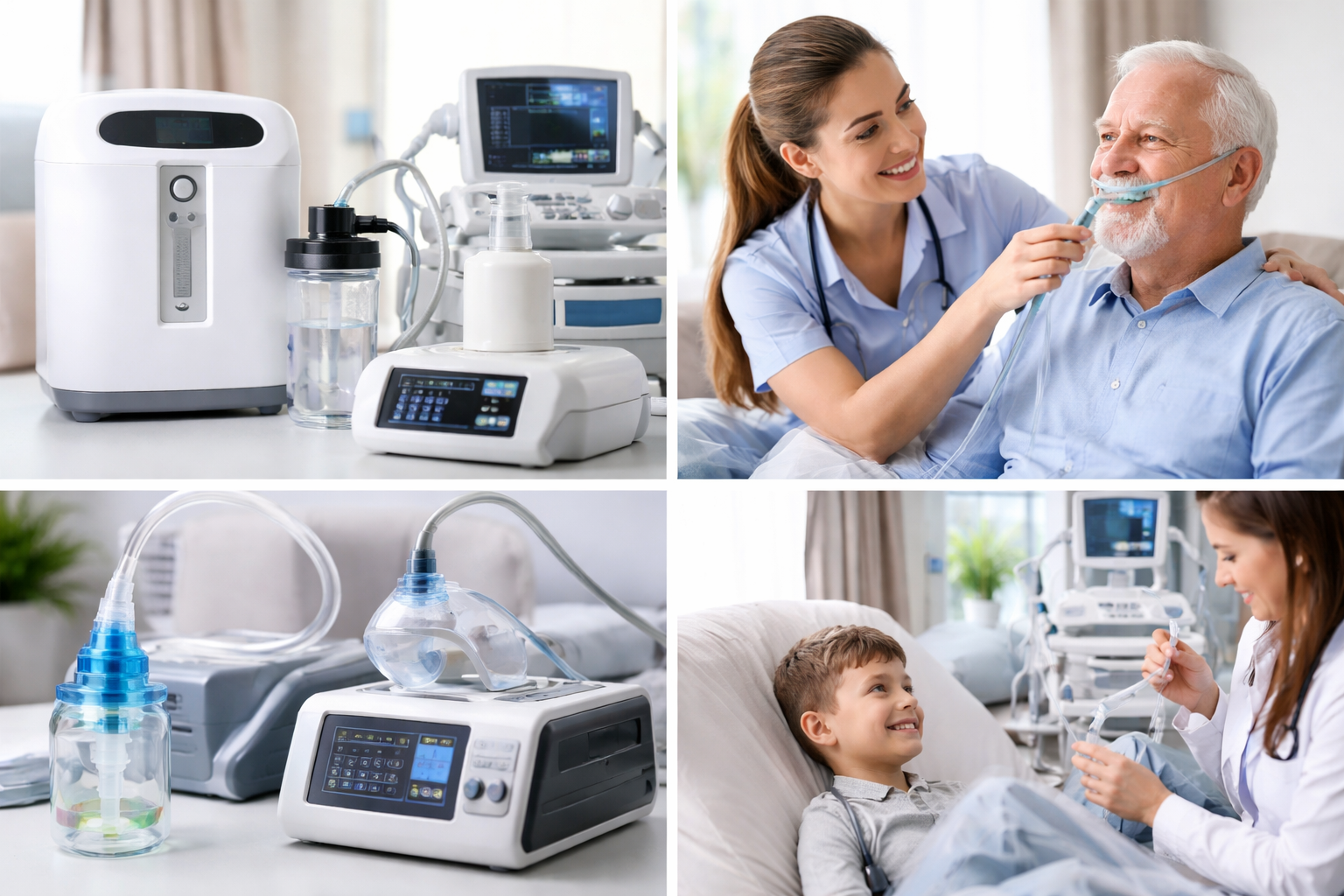
Respiratory care devices are medical tools designed to support, monitor, or improve breathing in people with respiratory conditions. These devices play a crucial role in managing chronic illnesses like COPD (Chronic Obstructive Pulmonary Disease), asthma, sleep apnea, and post-surgery recovery, as well as in acute conditions such as COVID-19 or pneumonia. They are used in hospitals, clinics, and increasingly in home care, helping patients maintain proper oxygen levels and lung function.
Why are respiratory care devices important?
Breathing is the most fundamental process for sustaining life, yet millions of people worldwide struggle with impaired lung function. According to the World Health Organization (WHO), over 339 million people suffer from asthma globally, and 251 million cases of chronic obstructive pulmonary disease are reported each year. Proper use of respiratory care devices can significantly reduce hospitalizations, improve quality of life, and even save lives.
Who uses these devices?
- Hospitalized patients: Those in critical care or post-surgery often rely on ventilators, oxygen therapy devices, and airway clearance machines.
- Home care patients: Many people with chronic respiratory diseases use portable oxygen concentrators, CPAP machines, or nebulizers to manage daily symptoms.
- Healthcare providers: Respiratory therapists and nurses depend on these devices to monitor patients and provide timely interventions.
Key takeaway: Respiratory care devices are essential tools for managing breathing problems, enhancing patient independence, and improving overall health outcomes. They are not just medical equipment—they are lifesaving aids for millions around the world.
Common Types of Respiratory Care Devices
Respiratory care devices come in a wide variety of forms, each designed to support breathing in specific ways. Understanding the different types can help patients, caregivers, and healthcare providers choose the right device for each situation. Below, we explore the most commonly used respiratory care devices, their functions, and applications.
Oxygen Therapy Devices
Oxygen therapy devices are among the most widely used respiratory care devices. They deliver supplemental oxygen to patients with low blood oxygen levels, helping improve energy, reduce shortness of breath, and enhance overall quality of life.
Common types of oxygen therapy devices:
- Oxygen concentrators: These machines extract oxygen from the air, providing a continuous flow for patients at home or in hospitals. Modern portable concentrators allow mobility and convenience.
- Oxygen cylinders (tanks): These are pre-filled tanks used in hospitals or during emergencies. They are often paired with masks or nasal cannulas.
- Liquid oxygen systems: These devices store oxygen in liquid form, allowing for compact portable solutions that are ideal for active patients.
Benefits of oxygen therapy devices:
- Maintains optimal blood oxygen levels
- Reduces fatigue and shortness of breath
- Supports recovery from respiratory illnesses like COVID-19, pneumonia, or COPD exacerbations
Fact: According to the American Lung Association, oxygen therapy has been shown to improve survival rates in patients with severe COPD by over 40% when used correctly.
Ventilators and Mechanical Breathing Devices
Ventilators are critical respiratory care devices used when patients cannot breathe adequately on their own. They deliver controlled airflow and oxygen to the lungs through tubes inserted in the airway or via masks.
Types of ventilators:
- Invasive ventilators: Connected via endotracheal tubes; typically used in ICU settings for severe respiratory failure.
- Non-invasive ventilators: Delivered via masks; common for patients with sleep apnea or moderate respiratory distress.
Who uses ventilators?
- ICU patients with severe pneumonia, ARDS, or post-surgery respiratory complications
- Patients with neuromuscular disorders that impact breathing
Key benefits:
- Provides life-saving support for critically ill patients
- Helps reduce the work of breathing
- Can be adjusted for oxygen concentration, pressure, and airflow based on patient needs
Nebulizers and Inhalation Devices
Nebulizers are portable respiratory care devices that convert liquid medication into a mist for inhalation directly into the lungs. They are particularly useful for children, elderly patients, or anyone who struggles with traditional inhalers.
Nebulizers vs. inhalers:
- Nebulizers: Deliver continuous medication over several minutes; ideal for severe cases or young children.
- Inhalers: Provide a quick, measured dose; commonly used for asthma or COPD maintenance.
Benefits:
- Effective delivery of bronchodilators, steroids, or antibiotics
- Easy to use at home or in clinical settings
- Supports long-term management of chronic respiratory conditions
CPAP and BiPAP Machines
CPAP (Continuous Positive Airway Pressure) and BiPAP (Bilevel Positive Airway Pressure) machines are specialized respiratory care devices for sleep-related breathing disorders, such as obstructive sleep apnea (OSA).
- CPAP: Provides constant airflow to keep airways open during sleep
- BiPAP: Delivers two levels of pressure – higher during inhalation and lower during exhalation
Benefits of CPAP/BiPAP:
- Reduces daytime fatigue and sleep disturbances
- Lowers risk of cardiovascular complications associated with untreated sleep apnea
- Improves oxygen saturation overnight
Suction Machines and Airway Clearance Devices
Suction machines remove excess mucus, fluids, or secretions from the airway, helping patients breathe more easily. They are often used in hospitals, nursing homes, and home care for patients with chronic respiratory conditions or post-surgery recovery.
Airway clearance devices include tools like vibratory vests or mechanical percussors that help loosen and mobilize mucus in the lungs.
Benefits:
- Prevents respiratory infections by clearing mucus
- Improves lung function and oxygenation
- Reduces hospital visits for patients with chronic lung diseases
How to Choose the Right Respiratory Care Device
Selecting the right respiratory care device is critical to ensure effective treatment, comfort, and safety. With so many options available—from oxygen concentrators and CPAP machines to ventilators and nebulizers—it can feel overwhelming. The key is to match the device to the patient’s medical needs, lifestyle, and environment.
Factors to Consider When Choosing a Device
- Medical Condition
- The type and severity of a patient’s respiratory issue determines the appropriate device.
- For example:
- Mild COPD or sleep apnea: CPAP, BiPAP, or portable oxygen concentrators may suffice.
- Severe respiratory failure or post-surgery care: Mechanical ventilators may be required.
- Patient Age and Mobility
- Children, elderly patients, or people with limited mobility may need smaller, easier-to-use devices.
- Portable oxygen concentrators are ideal for active patients, while hospital-grade devices are better for immobile or critically ill patients.
- Usage Environment
- Home care: Devices should be safe, quiet, and easy to maintain.
- Hospital or ICU: Devices need advanced monitoring and higher oxygen output.
- Consider power supply availability, battery life, and portability.
- Cost and Insurance Coverage
- Prices vary from affordable home-use nebulizers (~$50-$200) to advanced ventilators ($10,000+).
- Check insurance policies—many plans cover oxygen therapy, CPAP/BiPAP, and ventilators.
- Ease of Use and Maintenance
- Devices that are easy to clean, assemble, and operate reduce the risk of infection and misuse.
- Look for features like digital displays, alarms, and maintenance reminders.
Consulting Healthcare Professionals
Before purchasing a respiratory care device, it is essential to consult a healthcare professional. Respiratory therapists, pulmonologists, or primary care doctors can:
- Recommend the most suitable device for the patient’s condition
- Provide proper usage instructions
- Monitor oxygen saturation, lung function, and treatment response
- Prevent potential complications from incorrect device use
Pro Tip: Always ask for a trial period or demonstration of the device to ensure comfort and proper functionality before committing to purchase.
Comparing Portable vs. Hospital-Grade Devices
| Feature | Portable Devices | Hospital-Grade Devices |
|---|---|---|
| Oxygen Output | Moderate | High |
| Size & Weight | Compact, lightweight | Large, stationary |
| Power Source | Battery or plug-in | Continuous AC power |
| Best For | Home use, mobility | Critical care, long-term therapy |
| Maintenance | Easy, minimal | Requires technical support |
Summary: Portable devices are excellent for patients who need mobility and daily life support, while hospital-grade devices are essential for critical care or high-output therapy.
Key Takeaways for Choosing the Right Device
- Match the device to the medical condition, severity, and daily lifestyle.
- Prioritize ease of use, maintenance, and portability.
- Consult healthcare professionals for recommendations.
- Consider insurance coverage and device cost.
- Always choose devices backed by credible brands and safety standards.
According to a study in the Journal of Pulmonary Medicine, patients who received professionally recommended home oxygen therapy had 30% fewer hospital readmissions compared to those who self-selected devices.
Benefits of Using Respiratory Care Devices
Using respiratory care devices offers a wide range of benefits for people with respiratory conditions, from improving daily breathing to enhancing long-term health outcomes. Whether used in hospitals, clinics, or at home, these devices can transform the lives of patients struggling with chronic or acute lung issues.
Improved Breathing and Oxygen Levels
One of the primary benefits of respiratory care devices is their ability to increase oxygen intake and reduce shortness of breath. Devices such as oxygen concentrators, CPAP machines, and ventilators ensure that lungs receive adequate oxygen even when the body cannot maintain it naturally.
- Helps reduce fatigue and dizziness caused by low oxygen levels
- Supports proper organ function, as oxygen is critical for heart, brain, and muscle health
- Provides immediate relief in acute situations like pneumonia, asthma attacks, or COVID-19 complications
Fact: According to the American Lung Association, long-term oxygen therapy can increase life expectancy by up to 40% in patients with severe COPD.
Better Quality of Life for Chronic Patients
For individuals with chronic respiratory conditions, devices like portable oxygen concentrators and CPAP machines significantly improve daily functioning and independence. Patients can:
- Engage in light physical activity with less fatigue
- Sleep more comfortably without interruptions from low oxygen or apnea
- Reduce anxiety associated with breathlessness
Case Study: A 2022 study in the Journal of Respiratory Therapy showed that patients using home oxygen therapy reported a 25% improvement in energy levels and daily activity participation within six months.
Reduced Hospital Visits and Healthcare Costs
Consistent use of respiratory care devices can prevent disease exacerbations that often lead to emergency room visits or hospital admissions. Devices like nebulizers, suction machines, and ventilators help manage symptoms effectively at home.
- Prevents complications like respiratory infections or pneumonia
- Reduces long-term healthcare costs for chronic illness management
- Allows caregivers to monitor patients at home safely
Data Point: Research indicates that home-based oxygen therapy reduced hospital readmissions by 30% in patients with chronic lung disease.
Support for Recovery from Illness or Surgery
Respiratory care devices are crucial for patients recovering from surgery, severe infections, or COVID-19. They help:
- Maintain adequate oxygen levels while lungs heal
- Reduce the risk of complications like ARDS (Acute Respiratory Distress Syndrome)
- Facilitate gradual rehabilitation of lung function
Example: Post-COVID patients often require oxygen therapy or portable concentrators to regain normal oxygen saturation during daily activities.
Additional Health Benefits
Other advantages include:
- Improved sleep quality for patients with sleep apnea using CPAP/BiPAP machines
- Enhanced lung clearance through suction or airway clearance devices
- Reduced stress and anxiety, as patients feel more in control of breathing
Summary: Respiratory care devices not only treat the symptoms but empower patients to live healthier, more independent lives. Their proper use can significantly reduce risks, improve quality of life, and support long-term lung health.
How to Use Respiratory Care Devices Safely
Proper use of respiratory care devices is essential to ensure effectiveness, prevent infections, and avoid complications. Whether it’s a nebulizer, CPAP machine, ventilator, or oxygen concentrator, following safety guidelines protects both the patient and the device.
Step-by-Step Guide for Common Devices
1. Oxygen Therapy Devices (Concentrators or Cylinders)
- Ensure the device is plugged in or has sufficient battery power.
- Check oxygen flow settings as prescribed by a healthcare professional.
- Use clean nasal cannulas or masks, replacing them regularly.
- Monitor oxygen saturation using a pulse oximeter.
2. CPAP and BiPAP Machines
- Adjust the mask to fit comfortably, ensuring no air leaks.
- Set pressure levels as recommended by a sleep specialist.
- Use distilled water in humidifiers to prevent mineral buildup.
- Clean mask and tubing daily to prevent bacterial growth.
3. Nebulizers
- Wash hands before handling the device.
- Assemble the nebulizer correctly and fill with prescribed medication.
- Breathe normally while inhaling the mist until the medication is finished.
- Clean all parts after each use and dry completely before storage.
4. Suction Machines
- Ensure tubing and collection containers are clean and dry.
- Use sterile catheters when suctioning patients to prevent infection.
- Avoid excessive suction pressure to prevent lung injury.
Cleaning and Maintenance Tips
- Daily Cleaning: Wash removable parts like masks, tubing, and mouthpieces with warm soapy water.
- Weekly Disinfection: Soak device components in a mild disinfectant or vinegar solution.
- Filter Replacement: Check air filters regularly and replace according to manufacturer instructions.
- Device Inspection: Look for cracks, leaks, or malfunctioning alarms; report issues promptly.
Maintaining devices not only ensures optimal performance but also prevents infections, which is especially critical for immunocompromised patients.
Warning Signs and Troubleshooting
Even with proper use, devices can sometimes malfunction. Watch for:
- Unusual noises or alarms from the device
- Inconsistent oxygen flow or pressure
- Visible cracks or damage in tubing or connectors
- Patient complaints of shortness of breath, dizziness, or discomfort
Troubleshooting Tips:
- Always have a backup power source or portable oxygen supply.
- Keep a spare mask or nasal cannula available.
- Contact your healthcare provider or device manufacturer if problems persist.
Innovations in Respiratory Care Devices
The field of respiratory care devices has evolved significantly over the past decade. Technological advancements, digital integration, and wearable devices are making treatment more effective, convenient, and personalized. These innovations not only improve patient outcomes but also make monitoring and management easier for healthcare providers and caregivers.
Smart Respiratory Devices and AI Integration
Modern devices now incorporate smart technology and artificial intelligence (AI) to optimize respiratory care. Examples include:
- AI-powered ventilators that automatically adjust oxygen flow and pressure based on real-time patient data
- Smart CPAP machines that track sleep patterns, mask leaks, and adherence, sending reports directly to healthcare providers
- Mobile apps that sync with devices to provide reminders, usage statistics, and alerts
Benefits of AI integration:
- Personalized therapy based on patient-specific data
- Early detection of potential complications
- Remote monitoring reduces the need for frequent hospital visits
Case Study: A 2023 study in Respiratory Medicine found that patients using AI-assisted CPAP devices had 20% better adherence and fewer sleep apnea complications compared to traditional machines.
Portable and Wearable Oxygen Devices
Portable respiratory care devices are becoming increasingly compact and efficient.
- Lightweight oxygen concentrators allow patients to remain mobile and active
- Wearable oxygen devices can be discreetly carried or worn on the body, providing continuous oxygen delivery without restricting daily activities
Advantages:
- Supports an active lifestyle while maintaining oxygen therapy
- Encourages patient independence and confidence
- Reduces reliance on stationary hospital equipment
Fact: According to the American Lung Association, portable oxygen therapy has increased patient mobility by up to 35%, allowing more participation in social and physical activities.
Advances in Ventilators and Home-Care Solutions
- Modern ventilators are smaller, quieter, and more energy-efficient, making them suitable for home use
- Integration with remote monitoring systems allows healthcare providers to track patient data in real-time
- Advanced features include pressure sensors, humidifiers, and automatic alarm systems for early detection of problems
Impact: These improvements have made long-term home ventilation feasible and safer, reducing hospital stays and improving quality of life.
Future Trends in Respiratory Therapy
The future of respiratory care devices points to more connected, data-driven, and patient-friendly solutions:
- IoT-enabled devices that communicate with healthcare systems for continuous monitoring
- Telemedicine integration for remote adjustments and consultations
- Personalized devices based on genetics, lung capacity, and medical history
- Eco-friendly and energy-efficient devices to reduce environmental impact
Quote: Dr. Emily Carter, Pulmonologist at Johns Hopkins Hospital, states:
“The future of respiratory care is digital and patient-centric. Smart devices and AI will allow us to prevent complications before they occur and make home-based care safer than ever.”
Frequently Asked Questions (FAQs) About Respiratory Care Devices
This section addresses the most common questions patients, caregivers, and healthcare providers have about respiratory care devices. Clear answers help users make informed decisions and improve device safety and effectiveness.
Can I Use Respiratory Care Devices at Home Safely?
Yes. Many respiratory care devices, including oxygen concentrators, CPAP/BiPAP machines, nebulizers, and portable ventilators, are designed for home use. Safety depends on:
- Following prescribed settings and usage instructions
- Regular cleaning and maintenance
- Monitoring for warning signs such as unusual noises or low oxygen levels
- Consulting healthcare providers regularly
Tip: Home training from a respiratory therapist is highly recommended for first-time users.
How Often Should I Clean My Respiratory Device?
- Daily: Wash masks, mouthpieces, and tubing with warm soapy water.
- Weekly: Disinfect parts in a mild vinegar or approved solution.
- Monthly: Check air filters and replace according to the manufacturer’s instructions.
Proper cleaning prevents infections, ensures device efficiency, and prolongs device lifespan.
Are There Side Effects of Using Oxygen Therapy?
Oxygen therapy is generally safe when used as prescribed. Possible side effects include:
- Dry or irritated nasal passages
- Headache or dizziness if oxygen flow is too high
- Rarely, oxygen toxicity with prolonged high-flow oxygen
Tip: Always use oxygen therapy under medical supervision and monitor blood oxygen levels with a pulse oximeter.
Can Children Use Respiratory Care Devices?
Yes, but pediatric use requires special devices and careful supervision:
- Child-sized masks and nasal cannulas
- Age-appropriate CPAP/BiPAP machines
- Pediatric oxygen therapy concentrators and nebulizers
Always consult a pediatric pulmonologist before using any device for children.
How Should I Store My Respiratory Devices?
- Keep devices in a cool, dry place away from direct sunlight
- Store oxygen tanks upright and secure them to prevent tipping
- Ensure portable devices are charged and ready for emergency use
- Avoid storing devices near flammable materials
Proper storage protects the device from damage and ensures it’s ready when needed.
How Do I Know If My Device Needs Replacement or Repair?
- Alarms or warning lights indicating malfunction
- Reduced oxygen flow or pressure
- Cracks, leaks, or broken parts
- Irregular or unusual noises
Tip: Schedule regular maintenance checks and replace parts as recommended by the manufacturer to maintain optimal performance.
Resources and References for Respiratory Care Devices
When it comes to respiratory care devices, having access to reliable information is crucial for safe and effective use. Below are trusted resources, internal links, and patient guides to help you make informed decisions.
Trusted External Sources
- World Health Organization (WHO) – Provides comprehensive data on respiratory diseases and therapy guidelines.
- American Lung Association – Offers detailed guides on oxygen therapy, CPAP/BiPAP machines, and chronic lung disease management.
- Mayo Clinic – Patient-friendly articles on respiratory conditions, treatments, and device usage
- Centers for Disease Control and Prevention (CDC) – Information on infection control, respiratory care guidelines, and COVID-19-related respiratory therapy.
- Home Oxygen Therapy Guide – Explains types of oxygen devices, maintenance, and home safety.
- CPAP vs BiPAP Machines: Which One is Right for You? – Helps patients with sleep apnea choose the right device.
- Nebulizer Tips for Children and Adults – Practical guide for safe and effective medication delivery.
- Post-COVID Respiratory Recovery Tips – Guidance for patients recovering from lung damage or oxygen dependency.
Patient Guides and Manuals
- Manufacturer-provided device manuals often include step-by-step usage, maintenance, and troubleshooting tips.
- Healthcare providers can provide printed or digital guides for home therapy.
- Online video tutorials and telehealth consultations can enhance patient understanding and adherence.
Tip: Always cross-check information from patient guides with your healthcare provider to ensure accuracy and safety.
Conclusion
Respiratory care devices are essential tools for supporting breathing, improving oxygen levels, and enhancing quality of life for patients with chronic or acute respiratory conditions. From oxygen concentrators and ventilators to CPAP machines, nebulizers, and airway clearance devices, these tools play a critical role in hospitals, clinics, and home care settings.
Choosing the right device requires careful consideration of medical condition, age, lifestyle, and professional guidance. Proper use, regular maintenance, and adherence to safety protocols ensure maximum effectiveness and reduce the risk of complications. Innovations in smart devices, AI integration, and portable oxygen systems continue to make respiratory care more convenient, personalized, and efficient.
Key Takeaways:
- Respiratory care devices save lives and improve daily functioning for millions of people worldwide.
- Regular cleaning, maintenance, and professional supervision are vital for safe usage.
- Advances in technology are making devices smarter, more portable, and patient-friendly than ever before.
- Trusted resources and internal guides can help patients and caregivers make informed decisions.
By understanding the types, benefits, and safe usage of respiratory care devices, patients and caregivers can take proactive steps toward better respiratory health and a higher quality of life.