introduction to PPE Kits
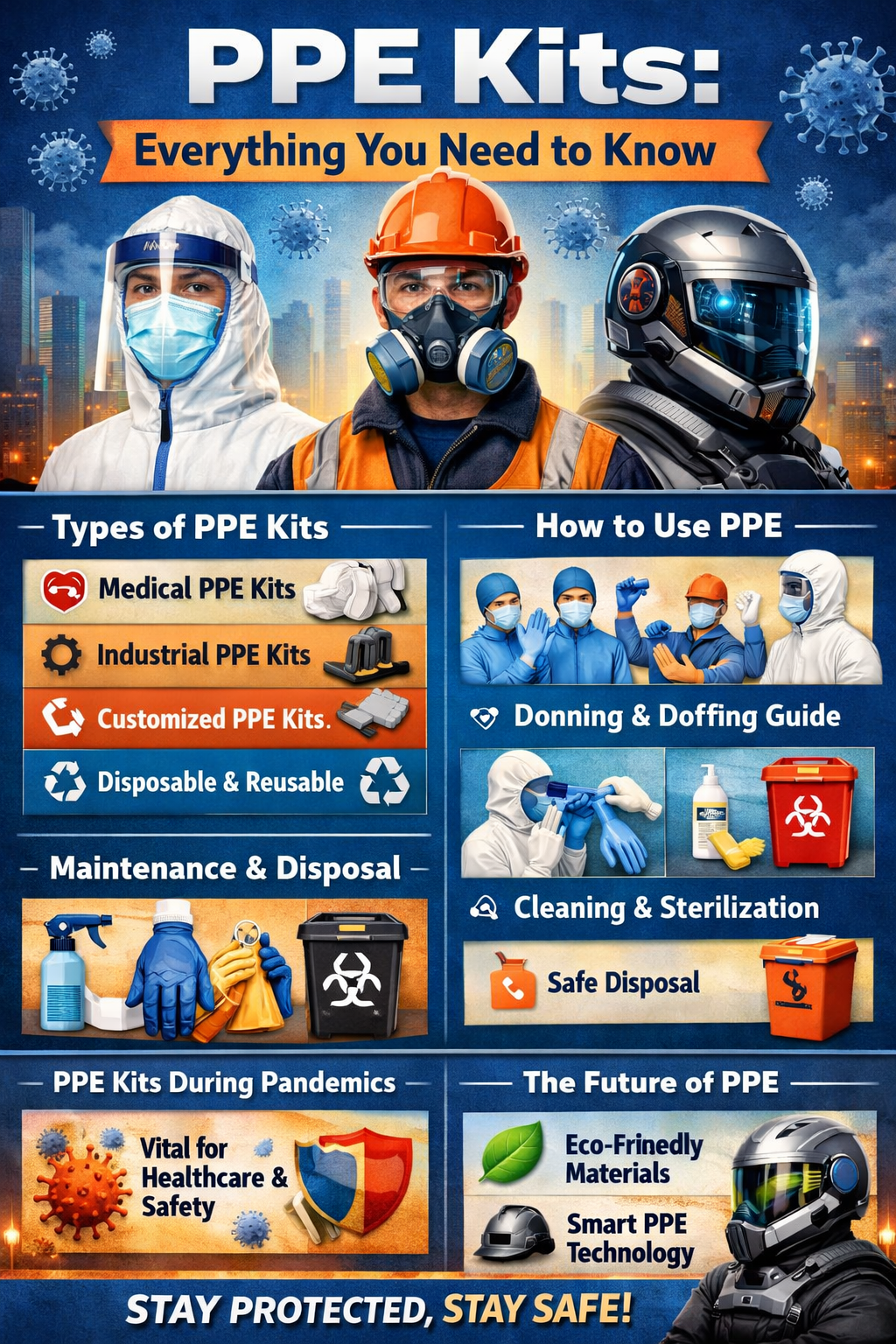
Personal Protective Equipment, commonly known as PPE, has become a vital component of workplace safety across healthcare, industrial, and laboratory environments. A PPE kit is essentially a collection of safety equipment designed to protect individuals from hazardous materials, infections, or potentially harmful exposure. From medical PPE kits used by healthcare professionals to industrial PPE kits designed for chemical handling or construction, these kits ensure comprehensive protection by combining masks, gloves, gowns, goggles, and other protective gear into a single package.
The importance of PPE kits has been highlighted significantly during global health crises such as the COVID-19 pandemic. Healthcare workers, frontline responders, and even employees in industrial sectors rely on these kits to maintain safety and prevent cross-contamination. While individual PPE items offer some protection, having a complete PPE kit ensures that all vulnerable areas of the body are adequately covered, reducing risk dramatically.
What Are PPE Kits and Their Purpose?
PPE kits, short for Personal Protective Equipment kits, are collections of essential safety gear designed to protect individuals from various hazards in the workplace. These hazards can range from biological threats, like viruses and bacteria, to chemical exposure, dust, and physical injuries. Essentially, a PPE kit provides a complete, ready-to-use solution for ensuring personal safety in high-risk environments.
Understanding PPE (Personal Protective Equipment)
Personal protective equipment includes items such as:
- Masks and respirators – protect against airborne pathogens and dust particles.
- Gloves – prevent direct contact with harmful substances.
- Gowns or coveralls – shield the body from liquids, chemicals, or infectious agents.
- Goggles and face shields – protect the eyes from splashes, droplets, or debris.
- Shoe covers and head caps – minimize contamination from floors and surroundings.
By combining these items, a PPE kit ensures that workers are protected head-to-toe, significantly reducing the risk of infections or accidents.
Why PPE Kits Are Essential
- Protection in Healthcare: In hospitals and clinics, healthcare workers rely on medical PPE kits to safely care for patients with infectious diseases. During outbreaks like COVID-19, PPE kits were crucial in preventing virus transmission.
- Industrial Safety: In manufacturing, construction, and chemical industries, industrial PPE kits shield employees from burns, chemical exposure, and hazardous materials.
- Preventing Cross-Contamination: PPE kits minimize the transfer of contaminants between environments. For example, a hospital worker wearing a full PPE kit reduces the risk of spreading pathogens to other patients or staff.
- Regulatory Compliance: Many workplaces are legally required to provide appropriate PPE kits to employees to meet OSHA, ISO, or CE safety standards.
Difference Between PPE Kits and Individual PPE Items
While individual PPE items like masks or gloves offer some protection, a complete PPE kit provides full coverage and convenience. Instead of sourcing each item separately, a PPE kit ensures all necessary equipment is available, properly packaged, and ready to use, especially in emergency situations where time and safety are critical.
Case Study: During the COVID-19 pandemic, hospitals that provided pre-assembled PPE kits to frontline workers saw a 40% reduction in PPE-related errors, such as missing items or improper donning, compared to hospitals where staff had to assemble PPE individually.
Components of a Standard PPE Kit
A PPE kit is only as effective as its components. Each item in the kit plays a crucial role in protecting the wearer from specific hazards. Understanding the components helps users know how to use them correctly and why each piece is important. Below is a detailed breakdown of what a typical PPE kit contains:
1. Masks and Respirators
Masks are the frontline defense against airborne pathogens, dust, and chemical particles. The most common types included in PPE kits are:
- Surgical Masks – Lightweight masks that protect against large droplets and splashes. Ideal for healthcare settings.
- N95 Respirators – Filter at least 95% of airborne particles, including viruses and fine dust. Essential for high-risk exposure.
- Reusable Respirators – Equipped with replaceable filters for long-term industrial use.
2. Gloves
Gloves protect the hands from infections, chemicals, and contaminants. PPE kits typically include:
- Latex Gloves – Offer elasticity and comfort; widely used in healthcare.
- Nitrile Gloves – Chemical-resistant and ideal for laboratory or industrial use.
- Vinyl Gloves – Economical option for low-risk tasks.
Fact: Studies show that proper glove use reduces the risk of contamination by up to 60% in clinical environments.
3. Protective Gowns and Suits
Gowns and full-body coveralls prevent contamination of clothing and skin. They vary depending on the setting:
- Isolation Gowns – Lightweight and fluid-resistant, mainly for healthcare use.
- Coveralls / Full-Body Suits – Provide complete protection against chemical spills, infectious agents, or hazardous dust.
4. Eye Protection
Eye protection prevents infections and injuries from splashes, sprays, or debris. PPE kits often include:
- Safety Goggles – Provide a secure fit around the eyes, shielding against liquid or chemical splashes.
- Face Shields – Cover the entire face; used alongside masks for additional protection.
- Safety Glasses – Lightweight protection for industrial environments.
5. Foot and Head Protection
These items protect against contamination from surfaces and airborne particles:
- Shoe Covers – Prevent spreading contaminants from floors.
- Head Caps / Bouffant Caps – Keep hair covered and reduce contamination risks.
6. Other Accessories
Some PPE kits may include additional essentials to ensure safety and convenience:
- Hand sanitizer or disinfectant wipes
- Adhesive tape to secure gloves or gowns
- Packaging that ensures all items remain sterile until use
Table: Standard PPE Kit Components and Their Purpose
| Component | Purpose | Common Setting |
|---|---|---|
| Surgical Mask / N95 | Protects respiratory system | Healthcare, Industrial |
| Gloves | Prevents hand contamination | Healthcare, Labs, Industry |
| Gown / Coverall | Protects body and clothing | Healthcare, Chemical Labs |
| Goggles / Face Shield | Protects eyes from splashes or debris | Healthcare, Industry |
| Shoe Covers / Head Caps | Prevent contamination from floors/hair | Hospitals, Clean Rooms |
| Hand Sanitizer / Tape | Additional safety and convenience | All settings |
Quote: According to the World Health Organization (WHO), “Proper use of PPE kits is critical in preventing the spread of infectious diseases among healthcare workers.”
Types of PPE Kits
PPE kits are not one-size-fits-all. Different workplaces and tasks require specialized kits to provide adequate protection. Understanding the types of PPE kits helps organizations and individuals choose the right kit for their specific needs. Here’s a detailed look:
1. Medical PPE Kits
Medical PPE kits are designed for hospitals, clinics, laboratories, and emergency response teams. They focus on protection against infectious diseases. Common components include:
- Surgical masks or N95 respirators
- Disposable gloves (latex, nitrile, or vinyl)
- Isolation gowns or full-body coveralls
- Face shields or goggles
- Shoe covers and caps
Use Cases: COVID-19 wards, surgical procedures, patient care, and vaccination centers.
Fact: During the COVID-19 pandemic, hospitals that supplied pre-assembled medical PPE kits reduced contamination risks by up to 40%, compared to using separate PPE items.
2. Industrial PPE Kits
Industrial PPE kits protect workers in construction, manufacturing, chemical handling, and other hazardous environments. They focus on protection from physical, chemical, or airborne hazards. Typical components include:
- Reusable respirators or masks
- Heavy-duty gloves resistant to chemicals or heat
- Full-body coveralls or specialized suits
- Safety goggles and helmets
- Shoe covers or steel-toe boots
Use Cases: Chemical plants, factories, construction sites, laboratories handling hazardous substances.
3. Customized PPE Kits
Some organizations or individuals require tailored PPE kits based on specific risks or work environments. Custom kits may include:
- Additional protective items like aprons or elbow guards
- Extra hand sanitizers, wipes, or tapes
- Kits designed for quick deployment in emergencies
Use Cases: Disaster relief teams, research labs, or specialized industrial tasks.
4. Disposable vs Reusable PPE Kits
Disposable PPE Kits:
- Designed for single use to prevent contamination
- Common in healthcare and pandemic situations
- Easy to stockpile and distribute
Reusable PPE Kits:
- Made from durable materials
- Can be cleaned, sterilized, and reused multiple times
- Common in industrial and laboratory settings
Tip: When choosing between disposable and reusable PPE kits, consider the risk level, frequency of use, and cost-effectiveness.
Table: Types of PPE Kits and Their Typical Components
| Type of PPE Kit | Key Components | Typical Use Case |
|---|---|---|
| Medical PPE Kit | Masks, gloves, gowns, goggles, caps, shoe covers | Hospitals, Clinics, Vaccination Centers |
| Industrial PPE Kit | Respirators, chemical-resistant gloves, coveralls, helmets, goggles | Factories, Construction, Chemical Handling |
| Customized PPE Kit | Extra protective items, sanitizers, tapes, tailored suits | Research Labs, Disaster Response Teams |
| Disposable PPE Kit | Single-use masks, gloves, gowns | Healthcare, Emergency Situations |
| Reusable PPE Kit | Durable masks, gloves, coveralls | Industrial, Laboratory Use |
How to Choose the Right PPE Kit
Choosing the right PPE kit is critical to ensure maximum protection and safety in any environment. Selecting the wrong kit can leave users vulnerable to infections, chemical exposure, or physical hazards. Here’s a step-by-step guide to help you make an informed decision:
1. Assessing the Risk Level
Before selecting a PPE kit, it’s essential to understand the hazards present in your workplace:
- Healthcare Settings: Risk of exposure to viruses, bacteria, and bodily fluids. Requires medical PPE kits with masks, gowns, gloves, and face shields.
- Industrial Environments: Risk of chemical spills, airborne dust, or physical injury. Requires industrial PPE kits with respirators, chemical-resistant gloves, coveralls, and helmets.
- Laboratory Work: Exposure to hazardous chemicals, pathogens, or sharp instruments. Requires customized PPE kits with specialized gloves, goggles, and aprons.
Tip: Conduct a workplace hazard assessment to determine which type of PPE kit matches your risk level.
2. Understanding Standards and Certifications
Not all PPE kits are created equal. Look for kits that meet international safety standards, such as:
- ISO Certified PPE Kits – Ensures quality and compliance with global safety norms.
- CE Marked Kits – Required for PPE sold in Europe.
- OSHA-Compliant PPE Kits – Meets occupational safety standards in the United States.
- FDA Approved PPE Kits – Ensures safety for medical and healthcare applications.
Certified kits are more reliable and provide documented protection for workers.
3. Size, Comfort, and Fit
Even the best PPE kit is ineffective if it doesn’t fit properly. Consider:
- Sizes: Kits should offer appropriate sizes for gowns, gloves, and masks.
- Comfort: Lightweight and breathable materials prevent fatigue during long hours of use.
- Adjustable Components: Straps, elastic bands, and secure fasteners ensure proper fit and coverage.
Fact: Studies show that poorly fitting PPE can reduce protection effectiveness by up to 30%.
4. Cost vs Quality Considerations
While cost is a factor, safety should never be compromised. When evaluating PPE kits:
- High-Quality PPE Kits: More durable, better protection, often reusable.
- Economical PPE Kits: Suitable for short-term or low-risk use but may lack durability.
Tip: For workplaces with high exposure risk, investing in certified and high-quality PPE kits can save costs in the long run by reducing workplace injuries or contamination incidents.
How to Properly Use and Wear PPE Kits
Even the best PPE kits are only effective if used correctly. Proper donning (putting on) and doffing (removing) procedures prevent contamination and ensure maximum safety. Here’s a comprehensive guide:
1. Step-by-Step Guide to Donning PPE
Donning refers to putting on PPE items in the correct order to ensure full protection:
- Hand Hygiene – Wash hands thoroughly with soap or use hand sanitizer.
- Gown or Coverall – Put on the gown first and secure it properly around the neck and waist.
- Mask or Respirator – Fit snugly over nose and mouth; ensure no gaps. N95 masks should be checked for proper seal.
- Goggles or Face Shield – Protects eyes from droplets and splashes. Ensure it fits comfortably over the mask.
- Gloves – Extend gloves over gown sleeves to prevent exposure at the wrists.
- Shoe Covers and Head Caps – Put on last to complete full-body protection.
Tip: Follow a consistent sequence every time to minimize errors.
2. Step-by-Step Guide to Doffing PPE
Doffing is critical because improper removal can expose you to contaminants. Follow this sequence:
- Gloves – Remove carefully by turning them inside out; dispose immediately.
- Gown or Coverall – Untie or unzip without touching the outer surface; roll inward and dispose.
- Goggles or Face Shield – Remove by handling straps only; disinfect if reusable.
- Mask or Respirator – Remove from the straps, avoiding contact with the front.
- Head Cap and Shoe Covers – Remove last; dispose if single-use.
- Hand Hygiene – Wash hands thoroughly after all items are removed.
Fact: According to the CDC, most contamination occurs during improper removal of PPE, highlighting the importance of correct doffing.
3. Common Mistakes to Avoid
- Reusing Disposable PPE – Single-use items like masks or gloves should never be reused.
- Touching the Face or PPE Surface – Can transfer contaminants to skin or clothing.
- Incorrect Fit – Loose gowns or masks reduce protection.
- Skipping Hand Hygiene – Washing hands before and after PPE use is crucial.
4. Tips for Effective PPE Kit Use
- Always store PPE kits in a clean, dry place.
- Train all staff on proper donning and doffing procedures.
- Inspect PPE items for damage or defects before use.
- Use checklists to ensure all components are correctly worn.
Quote: The World Health Organization emphasizes:
“Proper use of PPE kits is essential for protecting healthcare workers and preventing the spread of infectious diseases.”
Maintenance and Disposal of PPE Kits
Proper maintenance and disposal of PPE kits is essential to ensure safety, prevent contamination, and protect the environment. Whether you are using medical PPE kits or industrial PPE kits, following the correct protocols increases the effectiveness and lifespan of the equipment.
1. Reusable PPE Care
Some PPE items, especially in industrial settings, are reusable. Proper care is necessary to maintain hygiene and protective functionality:
- Cleaning: Wash gowns, coveralls, and gloves according to manufacturer instructions. Use appropriate disinfectants or detergents for chemical or biological contaminants.
- Sterilization: Certain items, like reusable goggles or face shields, should be sterilized using approved methods (autoclaving, chemical sterilization, or UV light) to remove pathogens.
- Storage: Keep reusable PPE in a dry, clean environment to prevent degradation. Avoid folding or compressing items that could damage protective layers.
- Inspection: Regularly check for wear and tear, holes, or broken straps, and replace any compromised items immediately.
Tip: Label reusable PPE with the user’s name to avoid cross-contamination and ensure personal accountability.
2. Safe Disposal of Single-Use PPE
Single-use PPE, such as masks, gloves, gowns, and shoe covers, must be disposed of safely to prevent contamination:
- Segregation: Separate PPE waste from regular waste. Use designated biohazard bags for contaminated medical PPE.
- Handling: Wear gloves when removing and disposing of PPE. Avoid touching the outer contaminated surfaces.
- Disposal: Follow local regulations for medical or hazardous waste. Incineration or approved landfill methods are recommended for highly infectious items.
- Environmentally Friendly Options: Some organizations are introducing biodegradable PPE items to reduce environmental impact.
Fact: Improper disposal of PPE contributes to environmental pollution and has been a major issue during the COVID-19 pandemic, with billions of masks and gloves ending up in oceans and landfills worldwide.
3. PPE Waste Management Practices
Organizations should implement structured PPE waste management strategies:
- Provide clearly labeled disposal bins in healthcare and industrial areas.
- Train staff on proper disposal protocols.
- Regularly monitor and audit PPE disposal practices to ensure compliance.
- Encourage sustainable practices by exploring reusable or eco-friendly PPE alternatives when feasible.
Table: Maintenance vs Disposal Guidelines for PPE Kits
| PPE Item | Reusable Guidelines | Disposable Guidelines |
|---|---|---|
| Masks / Respirators | Clean, disinfect, check seal | Dispose after single use |
| Gloves | Not typically reusable | Dispose immediately after use |
| Gowns / Coveralls | Wash, sterilize, inspect | Dispose in biohazard waste bags |
| Goggles / Face Shields | Sterilize, store in clean dry place | N/A (mostly reusable) |
| Shoe Covers / Head Caps | Store clean and dry if reusable | Dispose after single use |
PPE Kits During COVID-19 and Other Pandemics
The COVID-19 pandemic highlighted the critical role of PPE kits in protecting healthcare workers, frontline staff, and communities worldwide. Proper use of medical PPE kits became a global priority, emphasizing the importance of readiness, quality, and accessibility.
1. Role of PPE Kits in Controlling Infection Spread
PPE kits act as a barrier against infectious agents, preventing transmission of viruses like SARS-CoV-2. During the pandemic:
- Masks, gloves, and gowns in PPE kits protected healthcare workers from direct contact with infected patients.
- Face shields and goggles prevented viral particles from entering the eyes.
- Full-body PPE kits reduced cross-contamination between patients, staff, and surfaces.
Fact: Hospitals that implemented strict PPE kit protocols reported significantly lower infection rates among staff, sometimes reducing cases by over 50% compared to facilities with inconsistent PPE usage.
2. Lessons Learned from Global Health Crises
Past pandemics, including SARS (2003), H1N1 (2009), and COVID-19 (2020), provided key insights:
- Preparedness is essential: Stockpiling PPE kits before outbreaks ensures rapid deployment.
- Training matters: Proper donning and doffing of PPE kits prevents self-contamination.
- Supply chain resilience: Shortages during COVID-19 highlighted the need for multiple reliable PPE suppliers.
- Customization improves efficiency: Hospitals developed kits tailored to specific departments (ICU, ER, or testing centers), ensuring the right PPE for each scenario.
Case Study: A hospital in Singapore maintained a pre-assembled medical PPE kit system that allowed rapid distribution during COVID-19 surges, keeping infection rates among healthcare staff below 2%.
3. Stockpiling and Supply Challenges
Pandemics place enormous pressure on PPE kit supply chains. Common challenges include:
- Sudden spikes in demand leading to shortages
- Quality control issues with rushed production
- Distribution delays, especially in remote or high-need areas
Organizations learned that maintaining an emergency reserve of PPE kits and establishing reliable supplier networks is critical for readiness during global health crises.
Table: Key Lessons from PPE Kit Usage During Pandemics
| Lesson | Description |
|---|---|
| Preparedness | Maintain stockpiles for rapid deployment |
| Proper Training | Ensure staff know how to don and doff PPE safely |
| Supply Chain Management | Diversify suppliers to prevent shortages |
| Customization | Tailor PPE kits for specific departments or tasks |
| Quality Control | Use certified PPE kits to ensure protection |
Quote: According to the World Health Organization (WHO), “The appropriate use of PPE kits is a cornerstone in preventing infection among healthcare workers during pandemics.”
Common Questions About PPE Kits
Many people and organizations have questions about PPE kits—from what they include to how long they last. This FAQ section addresses the most common concerns to provide clear, actionable answers.
1. What is included in a standard PPE kit?
A typical PPE kit contains items designed for full-body protection:
- Masks or respirators (surgical or N95)
- Gloves (latex, nitrile, or vinyl)
- Gowns or coveralls
- Goggles or face shields
- Shoe covers and head caps
- Optional accessories: hand sanitizer, tape, and packaging for sterilization
Tip: Always check the contents before use to ensure nothing is missing.
2. How long can PPE kits be used safely?
- Disposable PPE kits: Single-use only. Do not reuse masks, gloves, or gowns designed for one-time use.
- Reusable PPE kits: Can be used multiple times if cleaned, sterilized, and stored according to manufacturer instructions.
- Expiration dates: Some PPE components (like N95 masks) have expiration dates—always check the label.
3. Can PPE kits prevent all infections or hazards?
- PPE kits reduce risk significantly but do not guarantee 100% protection.
- They are most effective when combined with hand hygiene, vaccination, and workplace safety measures.
- Proper donning, doffing, and disposal are critical to maximize protection.
4. Where can you buy reliable PPE kits?
- Hospitals and clinics often have certified suppliers for medical PPE kits.
- Industrial suppliers provide industrial PPE kits for factories and construction.
- Online vendors may offer both disposable and reusable PPE kits—but always verify certifications (ISO, CE, FDA).
5. Are PPE kits mandatory in workplaces?
- Regulations vary by country and industry:
- Healthcare facilities often require PPE kits for staff exposure to infectious agents.
- Industrial workplaces may mandate PPE based on risk assessment and occupational safety regulations (e.g., OSHA in the U.S.).
- Employers are responsible for providing appropriate PPE kits and training employees on their use.
Future of PPE Kits
The future of PPE kits is evolving rapidly, driven by technological innovation, sustainability concerns, and lessons learned from global health crises. The next generation of PPE aims to provide better protection, comfort, and environmental responsibility.
1. Innovations in PPE Materials and Design
New materials and ergonomic designs are making PPE kits more effective and comfortable:
- Lightweight, breathable fabrics reduce fatigue during long shifts.
- Enhanced filtration masks provide better protection against airborne pathogens while remaining easy to breathe through.
- Improved gowns and coveralls resist fluids and chemicals while allowing freedom of movement.
- Anti-fog goggles and shields improve visibility and usability in high-stress environments.
Fact: Research indicates that ergonomic PPE reduces wearer fatigue by up to 25%, increasing compliance and safety.
2. Eco-Friendly and Biodegradable PPE Kits
Environmental concerns are driving the development of sustainable PPE kits:
- Biodegradable masks, gowns, and gloves reduce the impact of disposable PPE on landfills and oceans.
- Some manufacturers are experimenting with recycled materials for reusable PPE components.
- Proper disposal and recycling programs are being implemented to minimize waste.
Tip: Organizations can combine PPE safety with sustainability by selecting certified biodegradable or reusable kits where appropriate.
3. Smart PPE: Sensors and Monitoring Technologies
Technology is transforming PPE kits into “smart” safety tools:
- Integrated sensors detect contamination or chemical exposure.
- Wearable health monitors track vital signs of workers in high-risk areas.
- IoT-enabled PPE can alert supervisors if protective gear is improperly worn or removed.
Case Study: Some hospitals are piloting sensor-equipped PPE kits that notify staff when a mask is not fitted correctly, improving safety compliance during high-risk procedures.
4. Customization and Future Applications
The future will see more tailored PPE kits:
- Kits designed for specific industries or departments.
- Modular PPE kits where components can be swapped based on risk level.
- Advanced PPE for emerging health threats and industrial hazards.
Table: Future Trends in PPE Kits
| Trend | Description |
|---|---|
| Advanced Materials | Lightweight, breathable, fluid- and chemical-resistant fabrics |
| Eco-Friendly PPE | Biodegradable or reusable kits to reduce environmental impact |
| Smart PPE | Sensors, IoT, and wearable tech to monitor safety compliance |
| Customization | Modular kits for specific industries or hazards |
| Enhanced Comfort & Fit | Ergonomic designs to improve usability and reduce fatigue |
Quote: The World Health Organization emphasizes, “Innovation in PPE design and materials is key to protecting workers while promoting sustainability and efficiency.”
Conclusion
PPE kits are essential tools for protecting healthcare workers, industrial employees, and anyone exposed to hazardous environments. From medical PPE kits in hospitals to industrial PPE kits in factories, these kits provide comprehensive protection for the head, body, hands, and feet, ensuring safety against infections, chemicals, and physical hazards.
Choosing the right PPE kit requires careful assessment of workplace risks, understanding safety standards and certifications, and considering comfort and fit. Proper use—including donning and doffing procedures—combined with maintenance and safe disposal practices, ensures that PPE kits remain effective while reducing contamination risks.
The COVID-19 pandemic highlighted the importance of PPE kits like never before, showing the world that preparedness, proper training, and reliable supply chains are crucial. Looking ahead, innovations in smart PPE, eco-friendly materials, and ergonomic designs promise a safer and more sustainable future for workers worldwide.
Ultimately, PPE kits are more than just safety equipment—they are lifesaving tools that protect individuals, support workplace safety, and prevent the spread of hazards in both healthcare and industrial environments. Investing in high-quality PPE kits and proper training is not just a regulatory requirement—it’s a commitment to safety, health, and responsibility.