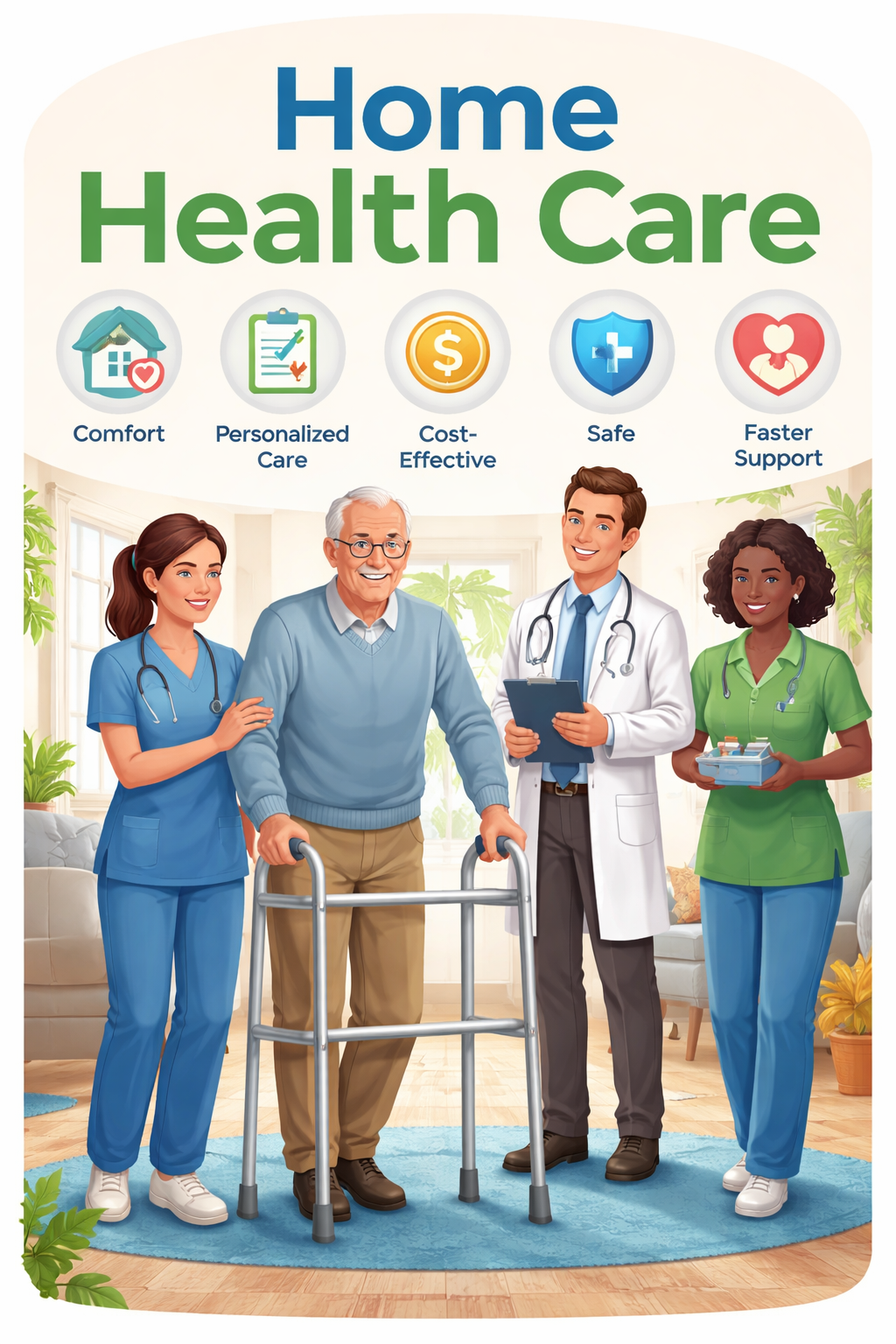
Nursing Care at Home
Providing quality healthcare at home is becoming increasingly important for patients who prefer comfort and personalized attention outside a hospital setting. Nursing care at home ensures that individuals with chronic illnesses, post-surgery recovery needs, or mobility limitations receive professional medical attention in the comfort of their own homes. This approach not only supports physical healing but also promotes emotional well-being for both patients and their families.
In this comprehensive guide, we’ll explore every aspect of nursing care at home—from types of services to benefits, preparation, and tips for choosing the right care—so you can make informed decisions for your loved ones.
What is Nursing Care at Home?
Nursing care at home refers to professional medical services provided by licensed nurses or healthcare professionals in a patient’s residence. Unlike general home assistance, this type of care is medically focused and tailored to individual health needs.
Key aspects of nursing care at home include:
- Personalized Health Monitoring: Nurses track vital signs, medication schedules, and treatment plans.
- Skilled Medical Services: This may include wound care, intravenous therapy, post-surgery care, and chronic illness management.
- Supportive Care: Beyond medical procedures, nurses provide guidance and emotional support to patients and family members.
Difference from Other Care Services:
| Service Type | Description |
|---|---|
| Home Nursing Care | Licensed nurses provide skilled medical services and health monitoring. |
| Home Health Care | Broader services including rehabilitation, therapy, and personal care. |
| Hospice Care | Comfort-focused care for terminally ill patients. |
Why Nursing Care at Home is Popular:
With hospitals becoming crowded and healthcare costs rising, many families now prefer at-home nursing care for convenience, comfort, and personalized attention. Patients often recover faster in familiar surroundings and experience reduced stress, leading to better overall outcomes.
Who Can Benefit from Nursing Care at Home?
Nursing care at home is not limited to a single group of patients; it is highly versatile and tailored to meet diverse health needs. Families often wonder if their loved ones qualify for professional home nursing services, and understanding who benefits most can help in making informed decisions.
1. Elderly Patients with Chronic Illnesses
Aging often comes with health challenges such as diabetes, heart disease, arthritis, or dementia. Elderly individuals may struggle with mobility or remembering medications. Home nursing care ensures regular monitoring of health conditions, medication management, and assistance with daily routines, significantly improving their quality of life.
2. Post-Surgery Recovery Patients
Recovering from surgery at home can be challenging without professional support. Nurses provide wound care, monitor vital signs, manage medications, and guide patients through safe mobility exercises. This reduces the risk of post-surgical complications and prevents unnecessary hospital readmissions.
3. Patients with Disabilities or Mobility Issues
Individuals with limited mobility or disabilities require help with personal care tasks such as bathing, dressing, and transferring safely. Home nursing services not only provide physical support but also offer therapeutic interventions that promote independence over time.
4. Long-Term Illness Management
Patients with chronic conditions such as cancer, respiratory diseases, or neurological disorders benefit from continuous professional supervision. At-home nursing care ensures proper medication adherence, monitors disease progression, and provides emotional support to patients and families.
5. Family Caregivers Needing Professional Support
Caring for a loved one can be physically and emotionally exhausting. Home nursing allows family members to share the caregiving burden with trained professionals, ensuring patients receive quality care while caregivers avoid burnout.
Case Study Example:
Mrs. Khan, a 72-year-old with diabetes and mild dementia, started receiving nursing care at home. The nurse monitored her blood sugar daily, assisted with meals, and educated the family on medication management. Within months, Mrs. Khan’s health stabilized, and her family reported reduced stress and improved confidence in her care.
Key Takeaway:
Anyone needing medical support at home—whether temporarily after surgery or long-term due to chronic illness—can benefit from professional nursing care. This service bridges the gap between hospital care and independent living, ensuring safety, comfort, and optimal health outcomes.
Types of Nursing Care at Home
Nursing care at home is not a one-size-fits-all service. It includes a variety of specialized services tailored to meet individual patient needs. Understanding these types helps families choose the right care plan for their loved ones.
1. Skilled Nursing Care
Skilled nursing care involves medically trained nurses providing professional health services at home.
Services Include:
- Medication Management: Ensuring patients take the correct dosage at the right time.
- Wound Care and Dressing Changes: Monitoring healing and preventing infections.
- Monitoring Vital Signs: Checking blood pressure, heart rate, oxygen levels, and other critical indicators.
- IV Therapy and Injections: Administering necessary treatments safely at home.
Benefit: Skilled nursing care is ideal for patients recovering from surgery, managing chronic illnesses, or requiring continuous medical supervision.
2. Personal Care Assistance
Personal care focuses on supporting patients with daily living activities that they may struggle with independently.
Services Include:
- Bathing, grooming, and dressing.
- Assistance with mobility, including walking and transferring from bed to wheelchair.
- Help with eating and maintaining personal hygiene.
Benefit: Personal care allows patients, especially the elderly or disabled, to maintain dignity and independence while receiving necessary support.
3. Palliative and Hospice Care
These services are designed for patients with terminal illnesses or those requiring comfort-focused care.
Services Include:
- Pain management and symptom relief.
- Emotional and psychological support for patients and families.
- End-of-life care planning and counseling.
Benefit: Palliative and hospice care provides a compassionate environment where patients can spend their remaining time in comfort and with dignity, surrounded by loved ones.
4. Rehabilitation Services
Rehabilitation at home supports patients recovering from surgery, injuries, or illnesses affecting mobility and daily function.
Services Include:
- Physical Therapy: Exercises to restore strength and movement.
- Occupational Therapy: Assistance in performing everyday tasks efficiently.
- Speech Therapy: Support for communication and swallowing difficulties.
Benefit: Home-based rehabilitation helps patients recover faster in a familiar environment, promoting confidence and long-term independence.
Quick Comparison Table of Nursing Care Types:
| Type of Care | Focus Area | Ideal For |
|---|---|---|
| Skilled Nursing Care | Medical supervision, wound care, meds | Post-surgery, chronic illness patients |
| Personal Care Assistance | Daily living activities | Elderly, disabled individuals |
| Palliative & Hospice Care | Comfort, pain management | Terminally ill patients |
| Rehabilitation Services | Physical & occupational recovery | Post-injury or post-surgery patients |
Benefits of Nursing Care at Home
Opting for nursing care at home offers numerous advantages for both patients and their families. Beyond medical support, home care promotes comfort, emotional well-being, and independence.
1. Personalized Care Tailored to Individual Needs
At-home nursing allows for customized care plans based on the patient’s health condition, daily routine, and preferences. Unlike hospitals, where attention is divided among multiple patients, nurses in home care focus entirely on one individual, ensuring consistent monitoring and timely intervention.
2. Comfort of a Familiar Environment
Recovering or receiving medical support in one’s own home reduces stress and anxiety. Patients feel more relaxed in familiar surroundings, which positively impacts healing and overall mental health. Studies have shown that patients recovering at home often experience faster recovery and improved emotional well-being compared to hospital settings.
3. Cost-Effective Compared to Hospital Stays
Long-term hospitalization can be expensive, especially for chronic illnesses or post-surgery recovery. Home nursing care is often more affordable because it eliminates unnecessary hospital costs while still providing professional medical support.
4. Reduces Risk of Hospital-Acquired Infections
Hospitals, despite high standards, carry a higher risk of infections. Receiving care at home minimizes exposure to pathogens, making it a safer environment, particularly for elderly or immunocompromised patients.
5. Improved Quality of Life and Emotional Support
Home nurses not only provide medical care but also offer companionship, emotional support, and education for patients and family members. This holistic approach promotes a sense of security and encourages active participation in recovery and self-care.
Fact: According to a 2022 report by the Home Care Association, patients receiving professional nursing care at home had a 30% lower readmission rate compared to those discharged to home without professional support.
Case Study Example:
Mr. Ahmed, recovering from hip surgery, received home nursing care including physical therapy and daily health monitoring. Within six weeks, he regained mobility faster than expected and avoided a hospital readmission. His family also reported reduced stress and greater confidence in managing his recovery.
Key Takeaway:
The combination of medical expertise, emotional support, and personalized attention makes nursing care at home an invaluable option for patients requiring ongoing health management, recovery, or palliative care.
How to Choose the Right Nursing Care at Home
Selecting the right nursing care at home provider is crucial to ensure your loved one receives safe, professional, and compassionate care. Several factors should guide your decision, from nurse qualifications to service offerings and costs.
1. Qualifications of Nurses
- Licenses and Certifications: Ensure the nurse holds valid licensure and certifications relevant to home healthcare.
- Experience: Look for nurses with experience in your loved one’s specific medical condition, such as chronic illness management, post-surgery care, or elderly care.
- Specialized Training: Some patients require specialized care like dementia support, palliative care, or physical rehabilitation. Verify that the nurse has the appropriate training.
2. Services Offered
- Matching Services to Needs: Confirm that the agency provides services tailored to your loved one’s medical and personal care requirements.
- Full-Time vs Part-Time Care: Depending on the patient’s condition, decide if 24/7 care, daily visits, or a few weekly visits are appropriate.
- Emergency Support: Ask if the agency provides immediate response options in case of sudden health issues.
3. Cost and Insurance Coverage
- Typical Costs: Home nursing care costs vary depending on location, type of services, and care duration. Skilled nursing is generally more expensive than personal care services.
- Insurance Options: Check if your insurance, Medicare, or Medicaid covers home nursing services. Many plans partially or fully reimburse qualified home care.
4. Reviews and Recommendations
- References and Testimonials: Seek feedback from previous clients to gauge service quality and reliability.
- Reputation of the Agency: Research agencies online and verify certifications with local health authorities.
- Transparency: Reliable providers should be transparent about costs, services, and nurse qualifications.
Tips for Choosing a Provider:
- Conduct in-person or virtual interviews with prospective nurses or agencies.
- Ask for a written care plan tailored to your loved one’s needs.
- Confirm that the agency has clear protocols for emergencies, medication administration, and reporting.
Key Takeaway:
Choosing the right nursing care at home provider requires careful evaluation of qualifications, services, costs, and reputation. A trusted provider ensures that patients receive safe, personalized care while families gain peace of mind.
Preparing Your Home for Nursing Care
Creating a safe and supportive environment is essential for effective nursing care at home. Proper preparation ensures that both patients and nurses can manage health needs efficiently and comfortably.
1. Creating a Safe Environment
- Remove Hazards: Clear walkways, secure loose rugs, and remove clutter to prevent falls.
- Install Safety Equipment: Grab bars in bathrooms, non-slip mats, and railings on stairs can help patients move safely.
- Proper Lighting: Ensure all areas, especially hallways and bathrooms, are well-lit to reduce accidents.
2. Essential Medical Equipment
Depending on the patient’s needs, you may require:
- Hospital bed or adjustable mattress
- Wheelchairs or walkers
- Oxygen supplies and monitors
- Blood pressure and glucose monitoring devices
- First aid kit and emergency medications
3. Organizing Medications and Medical Records
- Use labeled pill organizers or medication dispensers to avoid missed or double doses.
- Keep a dedicated folder for medical records, test results, and care instructions.
- Maintain a list of emergency contacts, including doctors, the nursing agency, and family members.
4. Family Involvement and Support
- Communicate openly with the nurse about the patient’s daily routine, preferences, and health concerns.
- Encourage family members to assist with non-medical support, such as companionship and meal preparation.
- Establish a care schedule that balances professional care and family involvement to reduce stress and improve consistency.
Quick Tips:
- Ensure easy access to essential items like water, snacks, and personal belongings.
- Keep phones and communication devices handy for emergencies.
- Regularly review and update care plans as the patient’s condition changes.
Key Takeaway:
A well-prepared home enhances the effectiveness of nursing care at home, ensuring patient safety, comfort, and smooth coordination between nurses and family caregivers.
Common Questions About Nursing Care at Home
Families often have questions before opting for nursing care at home. Addressing these concerns helps set clear expectations and ensures smooth care for patients.
1. How Often Will the Nurse Visit?
The frequency of visits depends on the patient’s medical needs.
- Daily Visits: For post-surgery recovery, chronic illness management, or medication monitoring.
- Several Times a Week: For less intensive care or ongoing rehabilitation.
- 24/7 Care: For patients requiring continuous supervision or end-of-life care.
2. Can Nursing Care Be 24/7?
Yes, many agencies offer round-the-clock nursing care, either with shifts of multiple nurses or live-in care arrangements. This is especially useful for patients with serious medical conditions or those needing constant monitoring.
3. How to Monitor the Quality of Care?
- Request regular updates and progress reports from the nurse.
- Observe how the nurse interacts with the patient, ensures medication compliance, and follows care plans.
- Encourage open communication between the family and healthcare provider for any concerns.
4. What Happens if a Medical Emergency Occurs?
Professional home nursing agencies have protocols for emergencies, including:
- Immediate assessment by the nurse
- Contacting emergency medical services if necessary
- Notifying family members promptly
- Documenting the incident and updating the care plan
5. Will the Patient Maintain Privacy and Dignity?
Yes, trained nurses prioritize patient dignity while providing care. They assist discreetly with personal care, respect patient preferences, and maintain confidentiality regarding health information.
Key Takeaway:
Understanding these common questions ensures families feel confident about choosing nursing care at home, knowing that both medical needs and emotional well-being are being prioritized.
Challenges of Nursing Care at Home
While nursing care at home offers numerous benefits, it is not without challenges. Understanding these potential obstacles allows families to plan ahead and ensure the best possible care.
1. Emotional and Physical Challenges for Family Caregivers
Even with professional nurses, family members often remain actively involved in caregiving. This can lead to:
- Emotional stress and anxiety over a loved one’s condition.
- Physical exhaustion from assisting with mobility or daily routines.
- Balancing caregiving responsibilities with personal and professional life.
Tip: Scheduling regular respite care or involving multiple family members can help reduce caregiver burnout.
2. Managing Multiple Health Conditions at Home
Patients with chronic or complex medical conditions may require coordination between multiple healthcare providers.
- Monitoring medications and treatments can be challenging.
- Ensuring all care providers are updated on the patient’s status is crucial.
Solution: Maintain an organized health record and regular communication between nurses, doctors, and family members.
3. Communication Issues Between Patient, Family, and Nurse
Misunderstandings can arise regarding treatment plans, medication schedules, or patient preferences.
- Lack of clarity can lead to errors or missed care.
Solution: Encourage open, regular dialogue and written care plans to ensure everyone is on the same page.
4. Limitations of Home Care Facilities
- Home care may not be equipped for critical emergencies or advanced medical procedures.
- Some patients may still require hospital visits for specialized treatments or tests.
Key Takeaway:
Being aware of these challenges and proactively planning for them helps families make nursing care at home a safe, effective, and stress-reduced experience. Proper preparation, open communication, and support systems are essential for overcoming these obstacles.
Future Trends in Nursing Care at Home
The landscape of nursing care at home is evolving rapidly due to technological advancements, changing demographics, and growing healthcare needs. Understanding these trends can help families and providers prepare for the future of home healthcare.
1. Telehealth and Remote Patient Monitoring
- Telehealth Services: Virtual consultations allow patients to receive medical advice without leaving home.
- Remote Monitoring Devices: Wearable devices track vital signs like heart rate, blood pressure, and oxygen levels in real time.
- Benefits: Early detection of health issues, reduced hospital visits, and continuous care for patients with chronic conditions.
2. AI and Smart Home Technology in Home Care
- AI-Powered Monitoring: Artificial intelligence can predict potential health risks based on patient data.
- Smart Home Devices: Sensors detect falls, track medication schedules, and provide alerts to nurses or family members.
- Impact: Enhanced patient safety, more efficient care delivery, and reduced burden on caregivers.
3. Growing Demand Due to Aging Populations
- The global aging population is increasing the need for professional nursing care at home.
- Home-based care is becoming a preferred alternative to long-term hospital stays or nursing homes, providing comfort and personalized attention for elderly patients.
4. Integration of Holistic Care Approaches
- Future home nursing services are focusing not only on medical care but also mental health, nutrition, and wellness.
- Programs that combine physical therapy, counseling, and lifestyle guidance help patients achieve better overall outcomes.
Key Takeaway:
The future of nursing care at home is becoming more technologically advanced, patient-focused, and accessible. Telehealth, AI integration, and holistic care approaches will continue to improve safety, efficiency, and quality of life for patients receiving care at home.